Menciptakan lapangan kerja yang layak dan pertumbuhan ekonomi yang berkelanjutan masih menjadi tantangan yang signifikan di Indonesia. Universitas Sumatera Utara mempromosikan kesempatan kerja yang layak dan inklusif, serta meningkatkan pertumbuhan ekonomi yang berkelanjutan di Indonesia dengan bekerja sama dengan perusahaan, organisasi masyarakat sipil, dan pemerintah untuk menciptakan lingkungan yang mendukung pengembangan ekonomi yang inklusif dan memberikan akses yang adil terhadap kesempatan kerja. Oleh karena itu, Universitas Sumatera Utara selalu hadir dengan menyediakan pelatihan, seminar, dan program pengembangan keterampilan bagi mahasiswa dan masyarakat umum. Serta juga membantu memfasilitasi koneksi antara pencari kerja dan peluang pekerjaan yang berkualitas, serta mendukung usaha kecil dan menengah dalam pertumbuhan mereka. Mari bersama-sama menciptakan masa depan yang lebih baik melalui pekerjaan layak dan pertumbuhan ekonomi di Indonesia. Kunjungi laman SDGs Universitas Sumatera Utara sekarang untuk mendapatkan informasi lebih lanjut tentang program Decent Work and Economic Growth kami. Bersama-sama, kita dapat membangun fondasi yang kuat bagi kemakmuran dan kesejahteraan bersama.
Proportion of Students Receiving Financial Aid to Attend University Because of Poverty
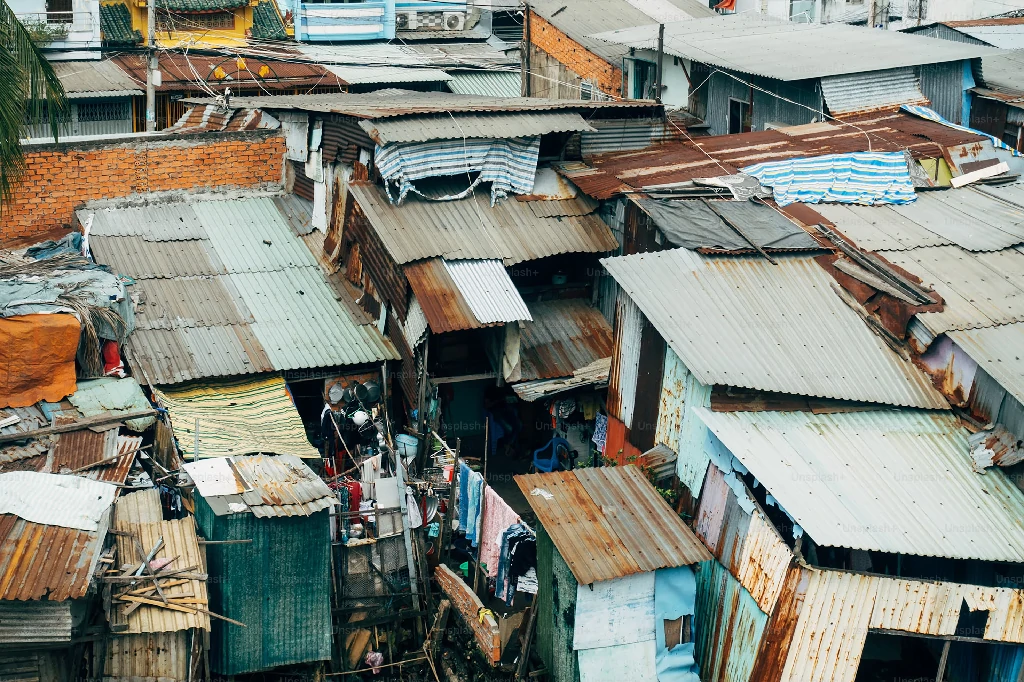
In 2024, Universitas Sumatera Utara had 41,570 students, showing a slight decrease from 42,996 in 2023. Of this total, 86.6% (36,000 students) are undergraduates, with 13.4% (5,570) in master's, doctoral, and professional programmes. Universitas Sumatera Utara maintains a student-to-faculty ratio of 1:24, improving from 1:25 in 2023. The student body is nationally diverse, with 65% from North Sumatra, 20% from other Sumatra provinces, 10% from Java and Kalimantan, and 5% from Eastern Indonesia. This distribution positions Universitas Sumatera Utara as a leading institution for Western Indonesia, promoting social mobility through national admission systems like National Selection Based on Achievement, National Selection Based on Test, and Independent Pathway Exam.
In 2024, Universitas Sumatera Utara continued its strong commitment to social inclusion, providing financial aid to 8,250 students. Of these, 6,636 benefited from the Kartu Indonesia Pintar Kuliah programme, offering full tuition and living stipends for low-income students. Additionally, 119 students received aid through KIP Kuliah Usulan Masyarakat for those from disadvantaged regions. Universitas Sumatera Utara also allocated support via Bantuan Belajar Mahasiswa, Baznas scholarships, and external partners like PT Martabe and BCA. Specialized programs like Beasiswa Afirmasi Pendidikan Tinggi and Beasiswa Barista National Research and Innovation Agency further supported vulnerable groups. Around 19,7% of Universitas Sumatera Utara's student body, primarily from rural and semi-urban areas, received assistance, promoting social mobility and contributing on poverty eradication and inclusive education.
University Anti-poverty Programmes
Bottom Financial Quintile Admission Target
As a state university owned by the government, the University of North Sumatra (USU) has a responsibility to support the government's program, which aims to achieve a Gross Enrollment Ratio (GER) of 31.45% in higher education by 2023. In 2023, USU awarded scholarships to 9,311 undergraduate students, which accounts for approximately 30% of the total undergraduate student population at the university.
Bottom financial quintile student success
The University of North Sumatra (USU) remains consistent in meeting the government's target for the Gross Enrollment Ratio (GER) in higher education, set at 31.45%. USU supports this goal by providing full scholarships (covering the Tuition Fee (UKT) for Group I and II) to the lowest 20% of household income earners in Indonesia. These scholarships are granted for a duration of 3 to 5 years, until graduation.
Bottom Financial Quintile Student Support
Universitas Sumatera Utara mempunyai program atau inisiasi untuk mendampingi mahasiswa dari golongan 20% pendapatan rumah tangga terendah (atau target yang lebih sempit) agar berhasil menyelesaikan kuliahnya, diantaranya (1) program pendampingan oleh dosen pembimbing akademik, dimana setiap mahasiswa memiliki 1 dosen pembimbing akademik yang bertugas untuk memantau perkembangan prestasi mahasiswa setiap semester; (2) layanan bimbingan dan konseling untuk mahasiswa oleh psikolog universitas yang dapat diakses secara gratis; dan (3) beberapa kegiatan pengembangan diri bagi penerima beasiswa
Low-income Student Support
The University of North Sumatra (USU) demonstrates its commitment to supporting students from the lowest 20% of household income earners by providing various free and subsidized services, including: Transportation: USU Shuttle Bus / USU Bike (Free) Healthcare: Polyclinic and General Hospital (Subsidized) Dormitories: Subsidized dormitory accommodation Legal Assistance: Free legal assistance Counseling (Psychological Services): Free psychological counseling services Spiritual Services: Mosque and Church facilities for spiritual activities (Free) Sports: Free access to sports facilities and activities Recreational Activities: Free recreational services Additionally, USU provides free meals to students after Friday prayers, distributed by the mosque committee, further ensuring that students from low-income backgrounds receive the support they need for both their academic and personal well-being. These initiatives are part of USU's effort to reduce the financial burden on students from disadvantaged families, making higher education more accessible and ensuring a holistic, supportive environment for all students.
Low or Lower-middle Income Countries Student Support
The University of North Sumatra (USU), as a state university, participates in government programs aimed at supporting students from developing countries, such as the Developing Countries Partnership Program (KNB). In 2024, based on the letter from the Ministry of Education, Culture, Research, and Technology of the Republic of Indonesia, number 419/E3/KM.00.01/2024, several students from developing countries were admitted to USU under this program. These students include: 2 undergraduate students 3 master's students 1 doctoral student This initiative is part of USU’s commitment to fostering international cooperation and offering educational opportunities to students from developing countries, helping to strengthen academic and cultural ties globally while contributing to the development of human resources in these nations.
Community Anti-poverty Programmes
Local Start-up Assistance
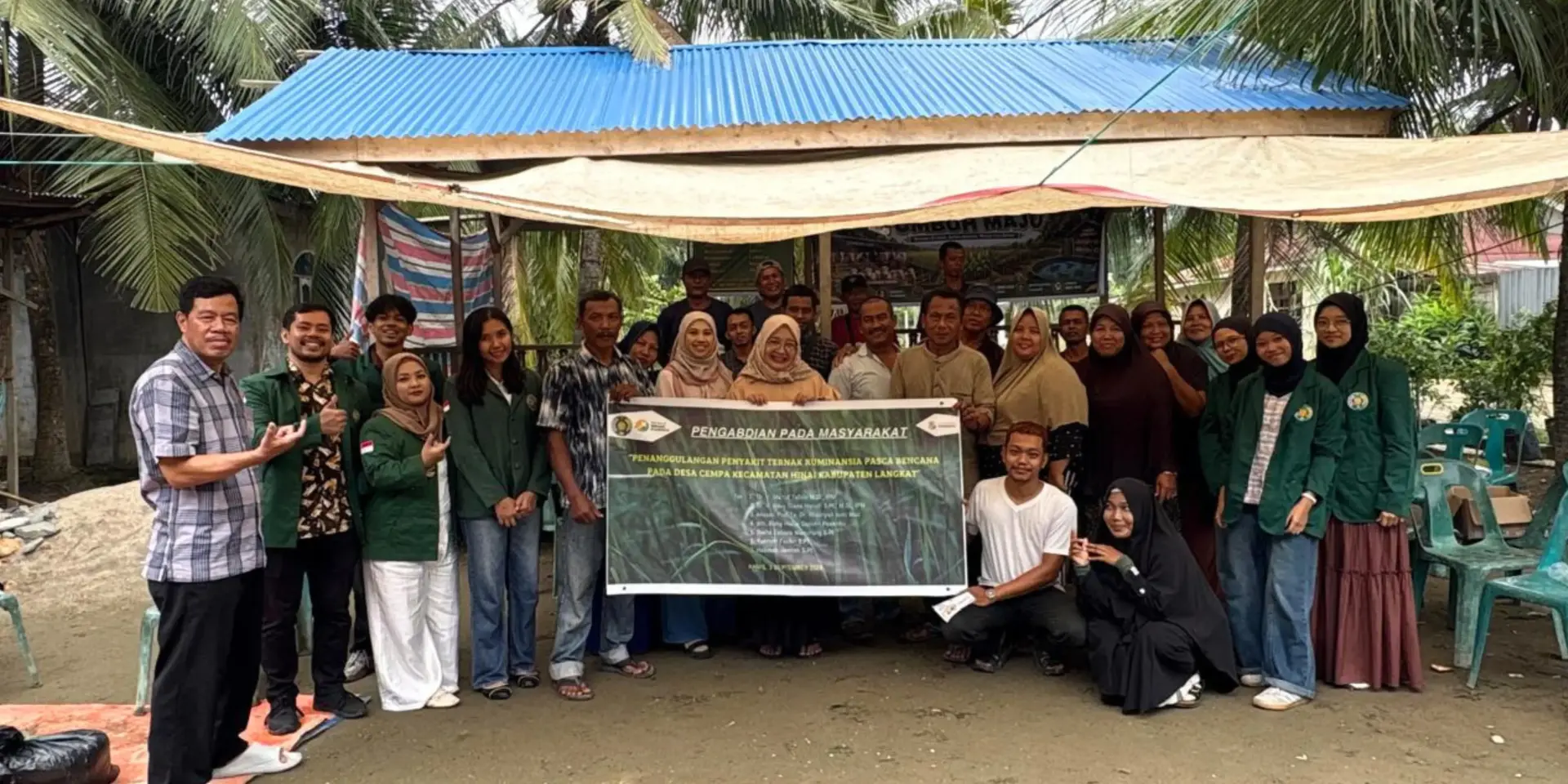
USU supports local communities and student entrepreneurs through education, mentoring, and innovation programmes to develop sustainable and socially responsible businesses. Managed by Community Service, Directorate of Student Achievement and Alumni Affairs, and the Business Innovation Center, initiatives include entrepreneurship training, incubation, and Desa Binaan projects. In 2024, USU assisted 137 student-led start-ups and 40 community enterprises, benefi ting 1,200 participants across 15faculties, with total funding of Rp 1.7 billion. Supported by partners including Bank Indonesia, National Research and Innovation Agency, PT Inalum, and the Ministry of Cooperatives, USU provides co-working spaces, laboratories, and mentoring facilities. Desa Binaan villages promote eco-products, agro-tourism, and sustainable farming. Through this inclusive ecosystem, USU advances No Poverty and Decent Work and Economic Growth by empowering communities and fostering responsible innovation.
Local Start-up Financial Assistance
USU provides financial assistance and seed funding to support the creation of financially and socially sustainable community enterprises. Through the Institute for Community Service, Directorate of Student Achievement and Alumni Affairs, and faculty-based programs, over Rp 1.7 billion in grants was distributed in 2024 to local entrepreneurs and student–community collaborations. Funding ranged from Rp 5-25 million per enterprise, supporting 130 student-led start-ups and 40 microenterprises in sustainable agriculture, creative industries, food innovation, and green technology. The Desa Binaan programme allocated Rp 100 million per village for business incubation and cooperative formation in 12 rural communities, enabling ventures such as eco-tourism and organic fertilizer production. Supported by Bank Indonesia, PT Inalum, and the National Research and Innovation Agency, these mechanisms strengthen local capacity and advance No Poverty and inclusive economic growth.
Programmes for Services Access
USU significantly expanded access to essential services (health, education, sanitation, infrastructure) in North Sumatra in 2024. The Institute for Community Service executed 429 projects, engaging 5,200 students and 780 lecturers from 17 faculties, benefiting over 80,000 residents. The Desa Binaan programme invested Rp 100 million per village in 12 villages, improving clean water, sanitation, and healthcare access for 10,000 residents. USU’s health outreach was substantial: Teaching and Dental Hospitals conducted 45 activities (free check-ups, vaccinations, stunting prevention), benefiting 18,000 people. The Faculty of Nursing trained 480 rural health volunteers through 17 workshops, boosting local health capacity. Furthermore, USU's Digital Transformation initiative enhanced public access by integrating 30,000 student records and digitising 271 websites. These collective efforts robustly promote equitable access to basic services, ensuring no community is left behind.
Policy Addressing Poverty
Universitas Sumatera Utara actively contributes to poverty eradication through research, partnerships, and community empowerment. Collaborating with the North Sumatra Provincial Government and social agencies, Universitas Sumatera Utara helped design poverty-reduction policies benefiting 37,000 low-income households in 48 villages. At the national level, Universitas Sumatera Utara academics advise the Ministry of Social Affairs and the Ministry of Villages, contributing to research clusters worth Rp 4.8 billion funded by Directorate General of Ministry of Higher Education, Science, and Technology and National Research and Innovation Agency. In 2024, Institute for Community Service implemented 429 community projects benefiting 80,000 people, focusing on women’s entrepreneurship, nutrition, and sustainable farming. Through collaboration with the ASEAN University Network, Universitas Sumatera Utara advances inclusive development and evidence-based policymaking for poverty alleviation.




PRIORITY STATEMENTS
Indonesia membutuhkan Anda, para akademisi yang berkomitmen untuk membawa perubahan nyata. Kami mengundang Anda untuk berbagi penelitian, inovasi, dan ide-ide brilian Anda guna melawan kemiskinan, meningkatkan kesejahteraan sumber daya manusia (SDM) dalam negeri, dan menyukseskan masa depan Republik Indonesia.
Moving a step closer towards environmental sustainability in Asian countries: focusing on real income, urbanization, transport infrastructure, and research and development
Qi F., Abu-Rumman A., Al Shraah A., Muda I., Huerta-Soto R., Hai Yen T.T., Abdul-Samad Z., Michel M.
Business Process Model Design as a Basis for Determining the Price of Coffee Beans in Tanah Karo
Sembiring M.T., Nasution A., Alda T., Sawaluddin, Gurusinga L.
Ecological innovation for environmental sustainability and human capital development: the role of environmental regulations and renewable energy in advanced economies
Binh An N., Kuo Y.-L., Mabrouk F., Sanyal S., Muda I., Hishan S.S., Abdulrehman N.
Examining the role of sustainability and natural resources management in improving environmental quality: Evidence from Asian countries
Li Z., Leong L.W., N Aldoseri M.M., Muda I., Abu-Rumman A., Al Shraah A.
Sustainability and natural resources management in developed countries: The role of financial inclusion and human development
Liu J., Kim Loan V.T., Mousa S., Ali A., Muda I., Cong P.T.
Do oil, gold and metallic price volatilities prove gold as a safe haven during COVID-19 pandemic? Novel evidence from COVID-19 data
Cui M., Wong W.-K., Wisetsri W., Mabrouk F., Muda I., Li Z., Hassan M.
The approaches for the two parameters of the Weibull Distribution
Lestari S., Sutarman
Bamboo marketing management (case study around PT Toba Pulp Lestari concesion)
Azhar I., Risnasari I., Hemmy A.V.
Effect of blanching treatment on drying time and the quality of hybrid system solar dried red chilli
Romauli N.D.M., Sihombing H.V., Sinamo K.N., Ambarita H., Manurung H.
Consideration on Use of the Corn Plant Ash-Based Concrete related to the Salt and Acid Attack: A Review
Aswin M., Iqlima M., Alfarizy R.A.
Connectivity, sport events, and tourism development of Mandalika’s special economic zone: A perspective from big data cognitive analytics
Caraka R.E., Wardhana I.W., Kim Y., Sakti A.D., Gio P.U., Noh M., Pardamean B.
Sustainable Development of Employee Lifecycle Management in the Age of Global Challenges: Evidence from China, Russia, and Indonesia
Xiang H., Lu J., Kosov M.E., Volkova M.V., Ponkratov V.V., Masterov A.I., Elyakova I.D., Popkov S.Yu., Taburov D.Yu., Lazareva N.V., Muda I., Vasiljeva M.V., Zekiy A.O.
Model of Tax Planning and Firm Value Relationship with Tax Amnesty as a Control Variable: Evidence from Indonesia
Santoso M.R., Maksum A., Ramli, Bukit R.Br.
Sustainable economic growth via human capital and cleaner energy: evidence from non-parametric panel methods
Sun B., Zhu W., Mughal N., Hordofa T.T., Zhanbayev R., Muda I.
Impact of Corporate Social Responsibility on the Effectiveness of Companies' Business Activities
Vasiljeva M.V., Semin A.N., Ponkratov V.V., Kuznetsov N.V., Kostyrin E.V., Semenova N.N., Ivleva M.I., Zekiy A.O., Ruban-Lazareva N.V., Elyakov A.L., Muda I.
Monetary Policy in Indonesia: Dynamics of Inflation, Credibility Index and Output Stability Post Covid 19: New Keynesian Small Macroeconomics Approach
Ruslan D., Tanjung A.A., Lubis I., Siregar K.H., Pratama I.
Development of Propolis Fraction from Madu Efi's Bee Farm
Mustika S.E., Lelo A., Hasibuan P.A., Nasution I.P., Eyanoer P.C., Ichwan M., Effendi R., Mustafa
A Hybrid Metaheuristic Model for Efficient Analytical Business Prediction
Elveny M., Nasution M.K.M., Syah R.B.Y.
Sustainable Development of Beggars Handling Systems in Indonesia: A Case Study in Medan City
Thamrin H., Ridho H., Nasution F.A., Ritonga F.U., Saragih I.D.
Hybrid Local Search Algorithm for Optimization Route of Travelling Salesman Problem
Zuhanda M.K., Ismail N., Caraka R.E., Syah R., Gio P.U.
Mobile Payment: Trends in the Digital Shopping Behaviour of the Millennial Generation
Situmorang S.H.
Political trauma of Uleebalang descendants over past conflict in the city of Lhokseumawe, Aceh
Fasya T.K., Sibarani R., Agustono B., Amin M., Yunanda R.
Influence of natural resources, ICT, and financial globalization on economic growth: Evidence from G10 countries
Ze F., Yu W., Ali A., Hishan S.S., Muda I., Khudoykulov K.
Inhibitory Effects of Nipa Palm Vinegar on the Carbohydrate Hydrolysing Enzymes [(Kesan Perencatan Cuka Nipah pada Enzim Hidrolisis Karbohidrat)]
Yasmin F., Meyyammai S., Abd Razak K.N., Samad N.A., Widyawati T., Yusoff N.A.
Marketing efficiency perspective of sustainable Andaliman agroforestry in Humbang Hasundutan Regency
Pane T.C., Rumaijuk B.T., Supriana T., Khaliqi M.
Positive effect on the development regional of the Karo Regency by creative economic basic honey UMKM
Rosari D., Lubis S.N., Rujiman R., Purwoko A.
The Influence of the Relationship Between the Economic Development of Countries Using Renewable Energy and the Relationship with Environmental Effects
Muda I., Huamán-Romaní Y.-L., Apaza R.A., Cerna H.W.A., Vilela L.M.G., Arellano S.R.V., Quispe-Aguilar M.-F., la cruz L.-K.C.-D.
Corrigendum to “Natural resources, green innovation, fintech, and sustainability: A fresh insight from BRICS” [Resour. Pol. 80 (2023) 103119] (Resources Policy (2023) 80, (S0301420722005621), (10.1016/j.resourpol.2022.103119))
Lisha L., Mousa S., Arnone G., Muda I., Huerta-Soto R., Shiming Z.
Tourism Economic Effect Sustainability of the National Strategic Area of Lake Toba Against Community Economic Improvement
Remus S.P., Tarmizi H., Daulay P., Rujiman
Stationarity test for medicine time series data
Mathelinea D., Chandrashekar R., Mawengkang H.
Economic development, natural resource utilization, GHG emissions and sustainable development: A case study of China
Ze F., Wong W.-K., Alhasan T.K., Al Shraah A., Ali A., Muda I.
The Effect of Allium sativum and Curcuma xanthorriza Meal Addition as Phytobiotics in Broiler Feed on Performance and Feed Economic Values
Sari T.V., Ginting E.E., Hamdan, Trisna A.
Adaptive Workplace with Indoor Health and Comfort Approach Toward Sustainable City
Fachrudin H.T.
Do natural resources utilization and economic development reduce greenhouse gas emissions through consuming renewable and Clean Technology? A case study of China towards sustainable development goals
Dong Y., Wong W.-K., Muda I., Cong P.T., Duong Hoang A., Ghardallou W., Ha N.N.
Relationship between the resource curse, Forest management and sustainable development and the importance of R&D Projects
Wang X., Yin J., Yang Y., Muda I., Abduvaxitovna S.Z., AlWadi B.M., Castillo-Picon J., Abdul-Samad Z.
SETTLEMENT OF MEUGOE BLANG DISPUTES THROUGH CUSTOMARY LAW OF ACEH [RESOLUÇÃO DE LITÍGIOS DE MEUGOE BLANG ATRAVÉS DO DIREITO CONSUETUDINÁRIO DE ACEH]
Safrijal A., Faisal, Syahrin A., Rinaldi Y.
How Fintech and effective governance derive the greener energy transition: Evidence from panel-corrected standard errors approach
Xu S., Zhang Y., Chen L., Leong L.W., Muda I., Ali A.
Anticataract activity of ethanolic extract from Hippobroma longiflora (L.) G.Don leaves: Ex vivo investigation [Actividad anticatarata del extracto etanólico de las hojas de Hippobroma longiflora (L.) G.Don: Investigación ex vivo]
Imelda E., Khairan K., Lubis R.R., Kemala P., Zulfiani U., Rahayu S., Idroes G.M., Adev S.M., Maulydia N.B., Idroes R.
Populist student organizations in Indonesia: an analysis of anti-establishment ideas
Amin M., Ritonga A.D.
Hydrothermally nitrogen-doped carbon dots (N-C-dots) from isolated lignin of oil palm empty fruit bunch for bacterial imaging of Staphylococcus aureus
Sumaiyah, Hasibuan P.A., Tanjung M., Lianto W., Gea S., Piliang A., Situmorang S.A.
The impact of education and digitalization on female labour force participation in BRICS: an advanced panel data analysis
Shuangshuang Y., Zhu W., Mughal N., Aparcana S.I.V., Muda I.
Nexus between financial inclusion, workers’ remittances, and unemployment rate in Asian economies
Wu W., Hon-Wei L., Yang S., Muda I., Xu Z.
Engaging leadership and work engagement as moderated by “diuwongke”: an Indonesian study
Rahmadani V.G., Schaufeli W.B.
The Model of Business Intelligence Development by Applying Cooperative Society Based Financial Technology
Al-Khowarizmi A., Syah R., Elveny M.
Numerical investigation of water forced convection inside a copper metal foam tube: Genetic algorithm (GA) based fuzzy inference system (GAFIS) contribution with CFD modeling
Nasution M.K.M., Elveny M., Syah R., Behroyan I., Babanezhad M.
Propolis of stingless bees for the development of novel functional food and nutraceutical ingredients: A systematic scoping review of the experimental evidence
Zulhendri F., Perera C.O., Chandrasekaran K., Ghosh A., Tandean S., Abdulah R., Herman H., Lesmana R.
An experimental investigation on mechanical properties of Fe2O3 microparticles reinforced polypropylene
Khosravi Maleki F., KM Nasution M., Gok M.S., Arab Maleki V.
The Impact of Social Media Influencers Raffi Ahmad and Nagita Slavina on Tourism Visit Intentions across Millennials and Zoomers Using a Hierarchical Likelihood Structural Equation Model
Caraka R.E., Noh M., Lee Y., Toharudin T., Yusra, Tyasti A.E., Royanow A.F., Dewata D.P., Gio P.U., Basyuni M., Pardamean B.
Evaluation on e-marketing exposure practice to minimize the customers’ online shopping purchase regret
Lubis A.N., Lumbanraja P., Hasibuan B.K.
Intelligent SMES based on Flower Pollination Algorithm on Wind Power System for Dynamic Stability Enhancement
Setiadi H., Asfani D.A., Nasution T.H., Abdillah M., Krismanto A.U.
Properties of sorghum (Sorghum bicolor) biomass particleboard at different maleic acid content and particle size as potential materials for table tennis blade
Sutiawan J., Hermawan D., Hadi Y.S., Nawawi D.S., Kusumah S.S., Ningrum R.S., Amanda P., Ismayati M., Abdillah I.B.
Foliar stomata characteristics of tree species in a university green open space
Susilowati A., Novriyanti E., Rachmat H.H., Rangkuti A.B., Harahap M.M., Ginting I.M., Kaban N.S., Iswanto A.H.
The Effect of Public Transportation Management to the City Planning in Medan
Alfonsius, Sihombing M., Rujiman, Purwoko A.
Akreditasi Fasilkom-TI