


Medan, 22 November 2024 - Sustainable industrial innovation stands at the heart of Sustainable Development Goal 9 (Industry, Innovation, and Infrastructure). As industries confront the dual challenge of economic growth and environmental responsibility, Universitas Sumatera Utara continues to lead with pioneering research that links technological innovation to sustainability. The university’s scientists and engineers transform natural resources, agricultural residues, and industrial materials into eco-efficient technologies, ensuring that industrial progress aligns with environmental protection and social benefit.
Growing Ecosystem of Startups and Spin-offs
USU recorded the creation of 24 startups in 2024, up from 18 in the previous year. Among these, five startups successfully evolved into commercial spin-offs, demonstrating the university’s strong capacity for downstream research and innovation.
USU’s integrated innovation ecosystem, facilitated by patent management, licensing support, industrial partnerships, and business incubation through BPRI, has enabled these ventures to contribute to local economic growth, job creation, and sustainable industrial development in North Sumatra.
Expanding Industry-linked Research Income
Financial records for 2024 show that USU generated USD 2.32 million in total research income, with USD 709,771 (31%) derived from collaborations with private industry, commercial enterprises, and non-governmental organizations. With a total of 2,263 academic staff, this translates to approximately USD 332 in industry-related research income per academic staff member. This indicator reflects USU’s expanding engagement with industry through contract research, joint R&D projects, and commissioned studies, signifying steady progress toward a more innovation-driven academic environment.
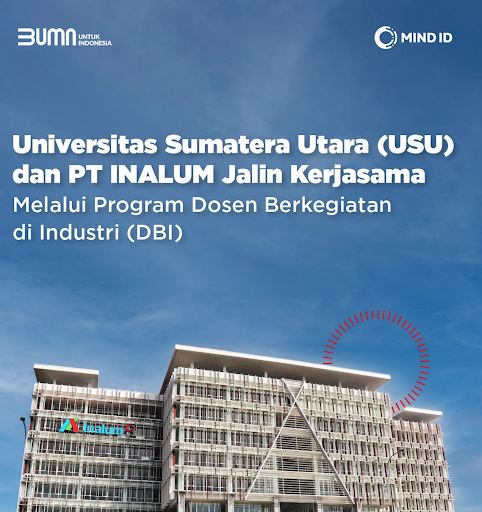
To further enhance SDG 9 performance, USU aims to scale up joint industry research, intellectual property training, and policy frameworks that incentivize commercialization and technology transfer. Partnerships with enterprises such as PT Inalum and Bank Indonesia have already established a strong foundation for sustained university–industry collaboration.
STEM (Science, Engineering, Technology, Mathematics), account for roughly 64% of USU’s industry research income, equivalent to USD 456,351. With 962 academic staff in STEM fields, this represents an estimated USD 474 in industry-linked research income per STEM academic staff member. This concentration underscores the crucial role of science and technology in advancing applied innovation and supporting regional industrial competitiveness.
From Palm Trees to Sustainable Innovation
The palm oil industry, often criticized for its environmental impact, becomes a source of sustainability through USU’s “From Palm Trees to Sustainable Innovation” project. Researchers explore how palm waste, such as empty fruit bunches, shells, and fibers, can be transformed into value-added materials for bioenergy, biodegradable composites, and sustainable construction.
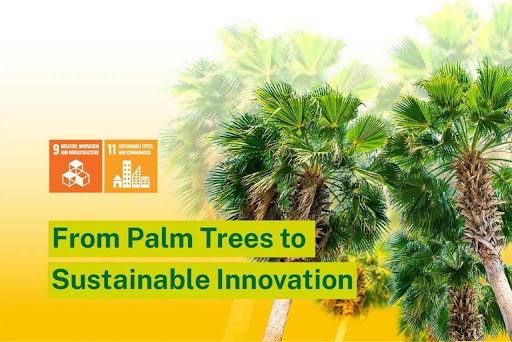
This initiative demonstrates the principles of circular economy by turning agricultural by-products into renewable resources, reducing industrial waste, and generating new opportunities for small enterprises in rural communities. The research strengthens Indonesia’s bio-based industry, promoting greener manufacturing practices and reducing reliance on non-renewable materials.
Revealing the Secret of Supersonic Flutter in Layered Conical Shells
At the frontier of mechanical and aerospace engineering, USU researchers have unveiled new insights into supersonic flutter behavior in layered conical shells. By developing mathematical models and conducting structural simulations, the research contributes to safer and more efficient aircraft and spacecraft designs.
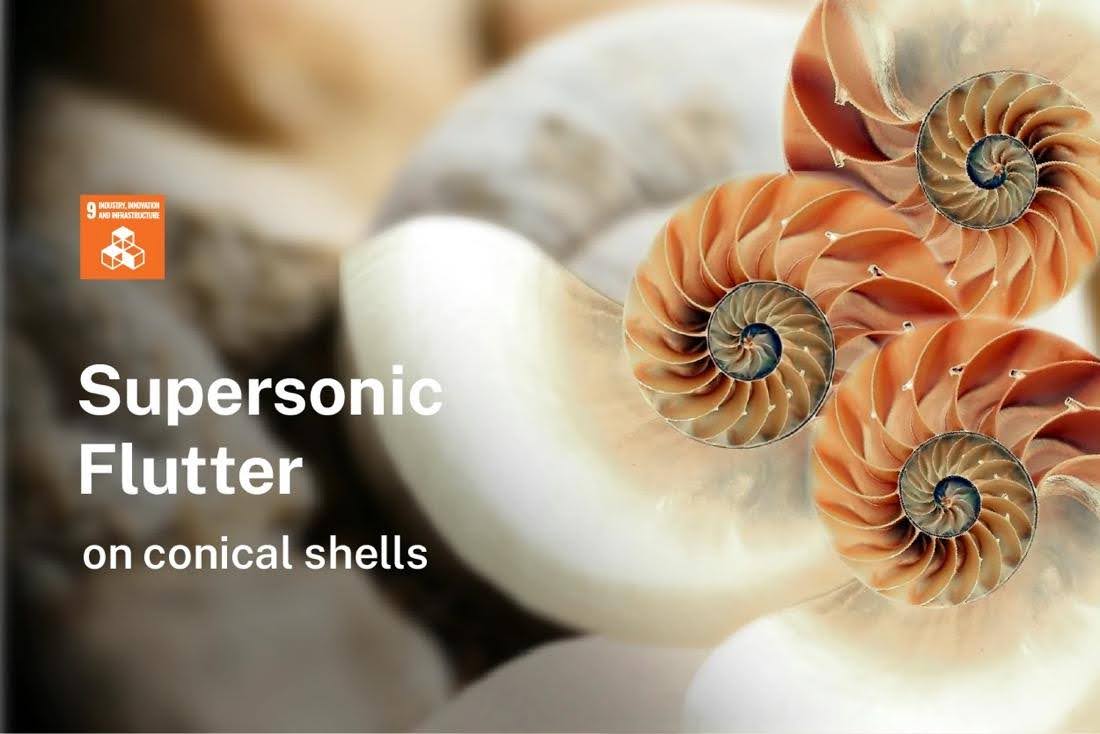
This study enhances understanding of high-speed aerodynamics, ensuring structural integrity and energy efficiency in future aerospace systems. The outcomes have implications for defense, aviation, and renewable energy sectors (such as wind turbine blade design), demonstrating how fundamental science can translate into technological innovation and sustainable industrial advancement.
Rice Husk’s Journey to Silica Nanoparticles: A Valuable Material of the Future
In the project “Rice Husk’s Journey to Silica Nanoparticles,” USU scientists transform one of Indonesia’s most abundant agricultural wastes into high-value nanomaterials. Through controlled chemical and thermal processes, rice husks are converted into silica nanoparticles, a key ingredient in electronic components, construction materials, and medical technologies.
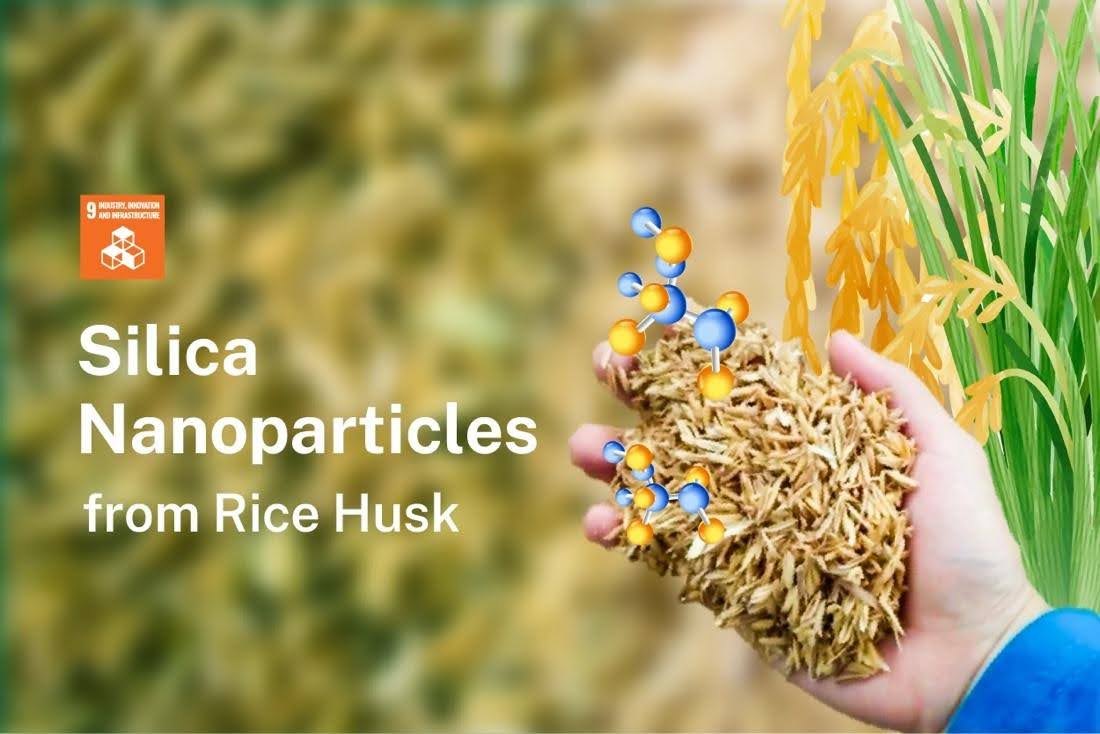
This innovation addresses two sustainability priorities: waste reduction and material innovation. It supports clean production systems by turning waste into industrial-grade materials while providing a cost-effective alternative to imported silica. The research strengthens the domestic manufacturing base and opens opportunities for small-scale industries to engage in nanotechnology-driven production, aligning with Indonesia’s roadmap for industrial modernization.
Turning Rubber into Gold: The Secret of Magic Fertilizer
The project “Turning Rubber into Gold” introduces a remarkable advancement in agricultural chemistry. Researchers at USU have developed a biodegradable fertilizer derived from rubber plant compounds, enhancing nutrient absorption efficiency and soil health. The so-called “magic fertilizer” increases crop yield while minimizing chemical runoff, promoting sustainable agriculture practices.
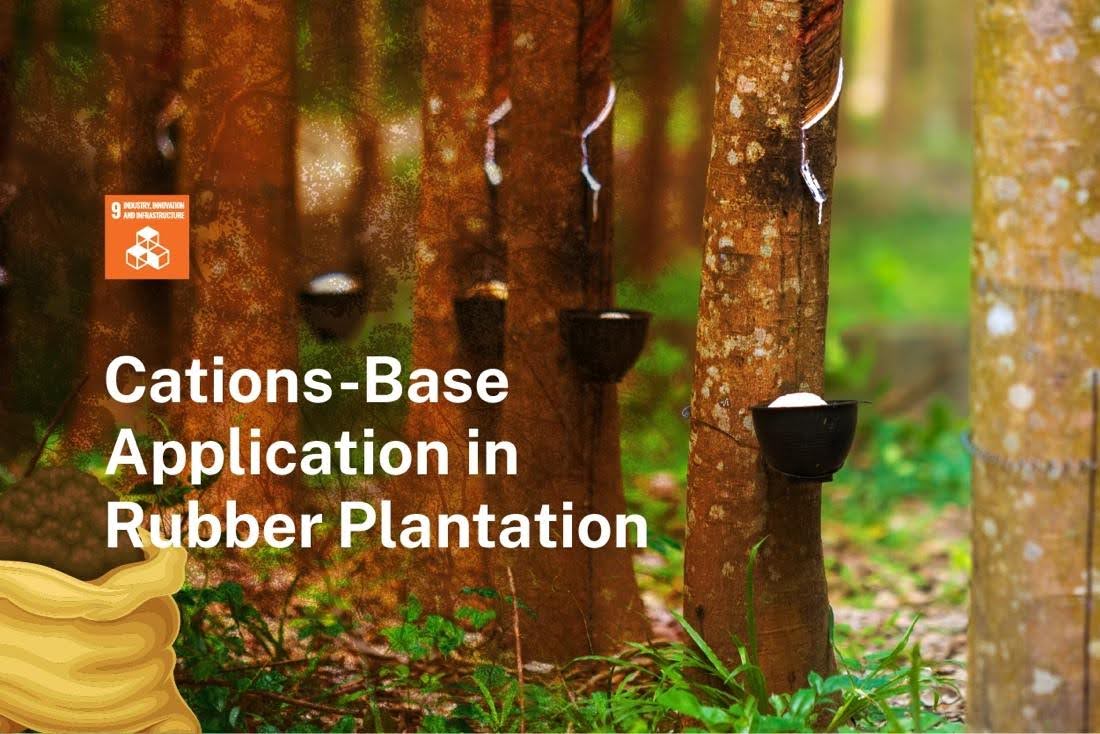
This innovation supports SDG 9 and SDG 12 by promoting resource-efficient production and reducing dependence on synthetic chemicals. For small farmers, it improves productivity and profitability, contributing to inclusive rural industrialization. On a broader scale, it advances Indonesia’s agricultural technology sector, transforming traditional practices into environmentally responsible systems.
Optimizing Plastic Strength with a Magic Touch of Compatibilizer
Through the research “Optimizing Plastic Strength with a Magic Touch of Compatibilizer,” USU scientists address one of the major challenges in polymer science, enhancing plastic durability while maintaining recyclability. By incorporating compatibilizers at the molecular level, they improve interfacial bonding within polymer blends, creating stronger yet more eco-friendly plastic materials.
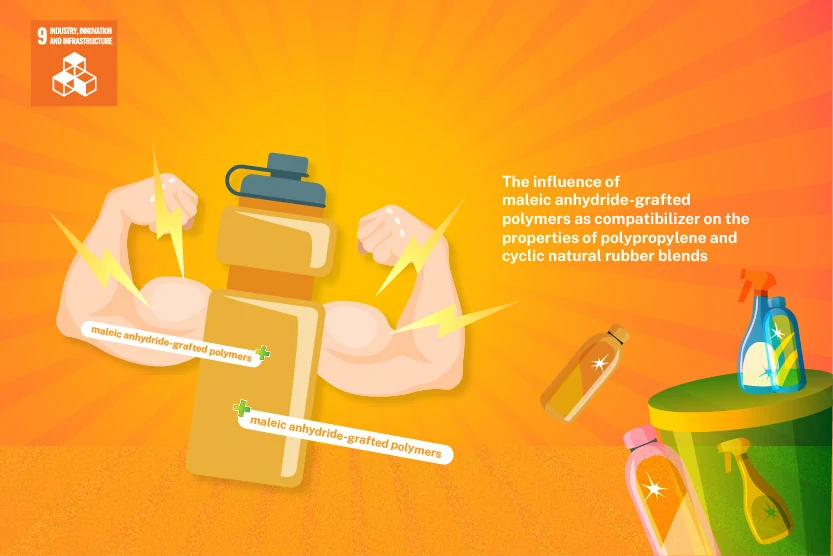
This research contributes to the development of sustainable materials that extend product life cycles and support the reduction of plastic waste. The innovation benefits manufacturing sectors such as packaging, automotive, and consumer goods, positioning Indonesia as a regional leader in sustainable polymer technology.
Air Conditioning Innovation in the Green Energy Revolution
Recognizing the environmental impact of conventional cooling systems, USU engineers developed an energy-efficient air conditioning technology that reduces electricity consumption and greenhouse gas emissions. This innovation employs smart thermodynamic control and eco-refrigerants, ensuring effective cooling with minimal environmental footprint.

The breakthrough supports energy conservation and contributes to climate change mitigation, addressing one of the most pressing challenges in urban development. By reducing operational energy use, the technology also lowers household and industrial costs, advancing both economic efficiency and environmental sustainability.
Universitas Sumatera Utara’s contributions to Sustainable Development Goal 9 (Industry, Innovation, and Infrastructure) highlight how academic research can drive sustainable industrial progress. Each project, from transforming agricultural residues into advanced materials to pioneering clean technologies, demonstrates the university’s role as a catalyst for innovation, circular economy, and green industrial growth.
These scientific breakthroughs not only strengthen national competitiveness but also ensure that industrial advancement remains aligned with social equity and environmental integrity. By integrating research, education, and collaboration, USU exemplifies the power of innovation for inclusive and sustainable industrialization, proving that the future of progress lies in sustainability-driven science and technology.