



Medan, Indonesia — March 15, 2024 — Universitas Sumatera Utara continues its commitment to promoting diversity, equity, inclusion, and human rights through coordinated efforts led by key university bodies. These initiatives are aimed at ensuring equal access and opportunities for all members of the university community, supporting the broader institutional goals of fostering a fair and inclusive environment for both staff and students.
Academic Senate's Role in Policy Integration
The Academic Senate plays a crucial role in ensuring that the principles of non-discrimination and equal access are embedded in all academic policies. It is responsible for overseeing the implementation of inclusive practices throughout the university’s operations. The Senate’s initiatives promote equal educational opportunities and ensure that academic programs and policies reflect Universitas Sumatera Utara’s commitment to inclusion.
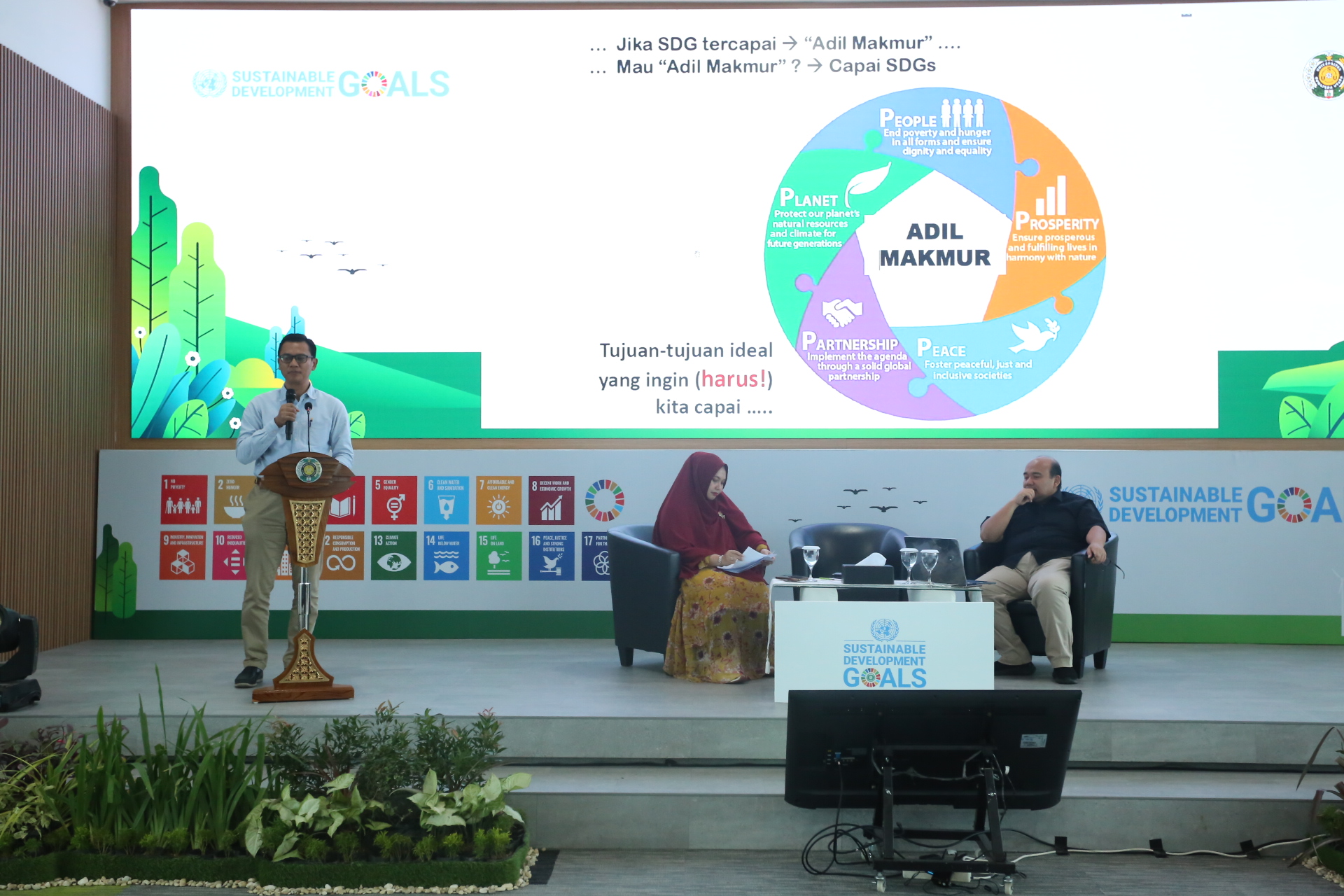
Sustainable Development Goals Center Leads University-wide Programs
The Sustainable Development Goals Center at Universitas Sumatera Utara coordinates programs that align with the United Nations Sustainable Development Goals, specifically focusing on gender equality and human rights. The center is responsible for organizing workshops, policy development, and monitoring inclusivity programs across the campus. Collaborating with university departments, non-governmental organizations, and government agencies, the center ensures that the university's programs reflect the global commitment to sustainable development.
Gender and Sexual Inclusion Center Promotes Inclusive Campus Environment
The Gender and Sexual Inclusion Center at Universitas Sumatera Utara fosters an inclusive environment through various initiatives, including support programs, educational campaigns, and advocacy for gender equality and the rights of sexual minorities. The center works to ensure that all university members feel safe, respected, and included, and it plays an active role in raising awareness about gender issues. This includes outreach programs, counseling services, and organizing events aimed at promoting social inclusion and understanding.
Collaborative Efforts Involve Multiple Stakeholders
These initiatives are implemented through collaboration with various university units, including student organizations and academic departments. External partners such as non-governmental organizations, community groups, and government bodies also contribute to ensuring the success of these programs. By bringing together different stakeholders, Universitas Sumatera Utara creates a strong and supportive network dedicated to promoting social justice and human rights.
Institutional Commitment to Diversity and Inclusion
The efforts of the Academic Senate, Sustainable Development Goals Center, and Gender and Sexual Inclusion Center highlight Universitas Sumatera Utara's institutional commitment to diversity, equity, inclusion, and human rights. The university recognizes that fostering an inclusive academic and social environment is not only a matter of policy but also a reflection of its broader values of fairness and equity.
By integrating these core principles into its operations, Universitas Sumatera Utara ensures that all members of the university community have access to the resources and support they need to thrive in an inclusive and diverse environment. These efforts exemplify how higher education institutions can actively contribute to global efforts to combat inequality and support human rights.