


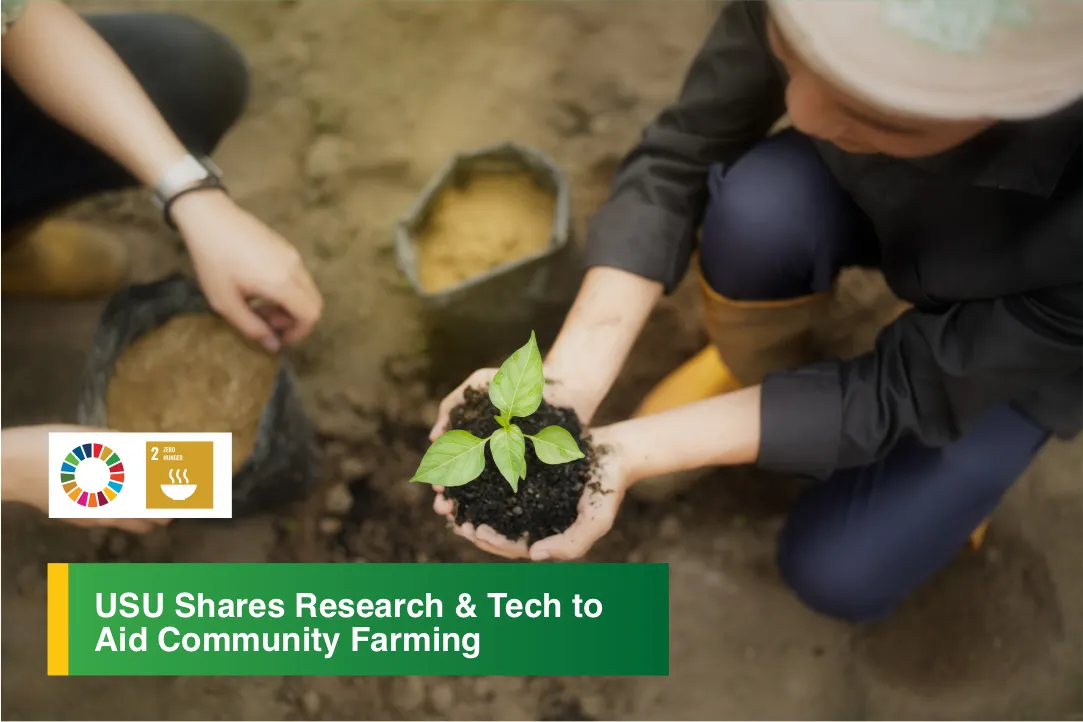
Medan, Indonesia — Universitas Sumatera Utara (USU) is stepping up its support for local food producers by opening university‑level research facilities and technology platforms to farmers and aquaculture practitioners across North Sumatra. Through coordinated efforts led by the Faculty of Agriculture, the Department of Aquaculture Resource Management (PSP USU), and the Lembaga Pengabdian kepada Masyarakat (LPPM USU), smallholders now have greater access to soil testing, plant propagation greenhouses, demonstration fields, and aquaculture support systems. These initiatives create a direct bridge between campus science and community food production, and advance SDG 2: Zero Hunger.
Expanding Facility Access for Local Producers
In 2024, USU granted facility access to more than 620 local farmers and food producers from 14 districts in North Sumatra. With support from various research centres and student‑led community service programmes, farmers were able to use university infrastructure and receive hands‑on guidance in sustainable farming practices.
Key services included:
Soil and nutrition laboratories
Through the Soil and Agrochemistry Laboratory, USU analysed 154 soil samples in 2024, helping farmers understand land quality, nutrient status, and crop suitability. These tests enabled tailored crop recommendations and more efficient fertiliser use.
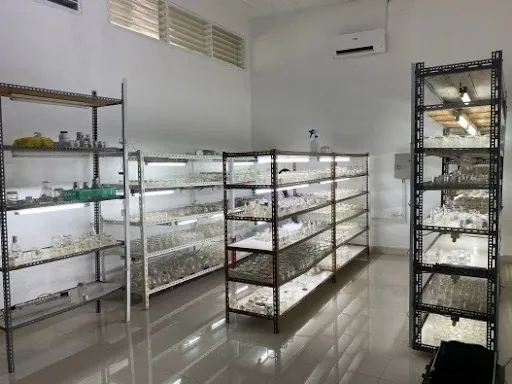
source: https://fp.usu.ac.id/id/laboratorium
Greenhouse plant stocks and bio‑fertiliser kits
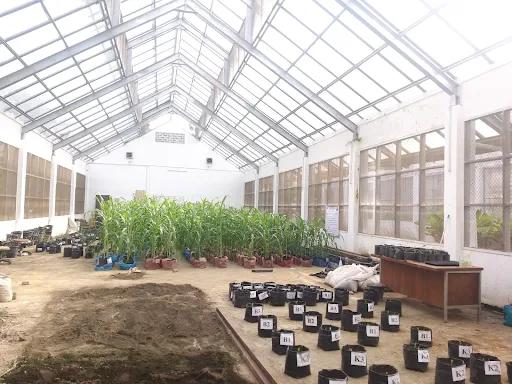
Farmers accessed plant propagation greenhouses where 1,200 plantlets were produced and distributed, along with bio‑fertiliser kits, to community groups within the Desa Binaan (model village) programme. This support helped farmers adopt organic inputs and improve crop resilience.
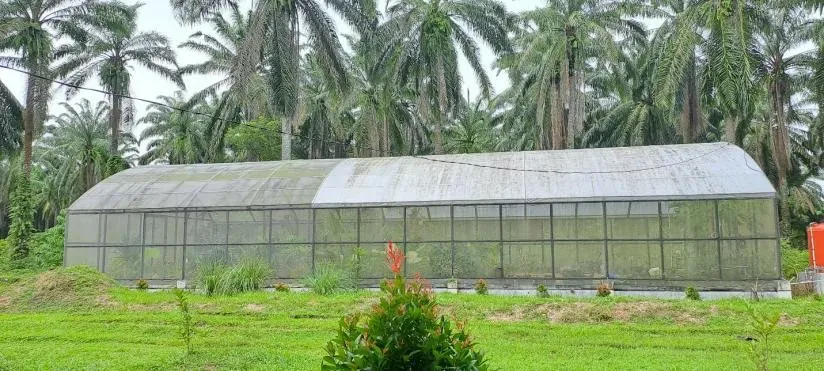
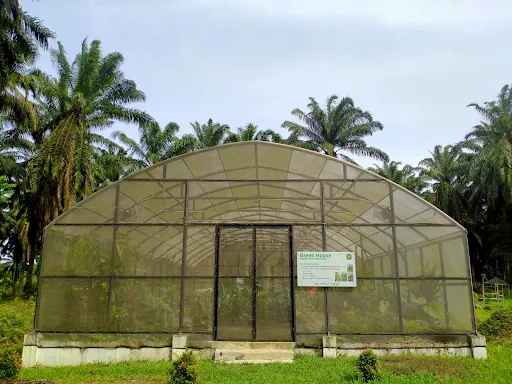
source: https://fp.usu.ac.id/
Field‑scale demonstration plots
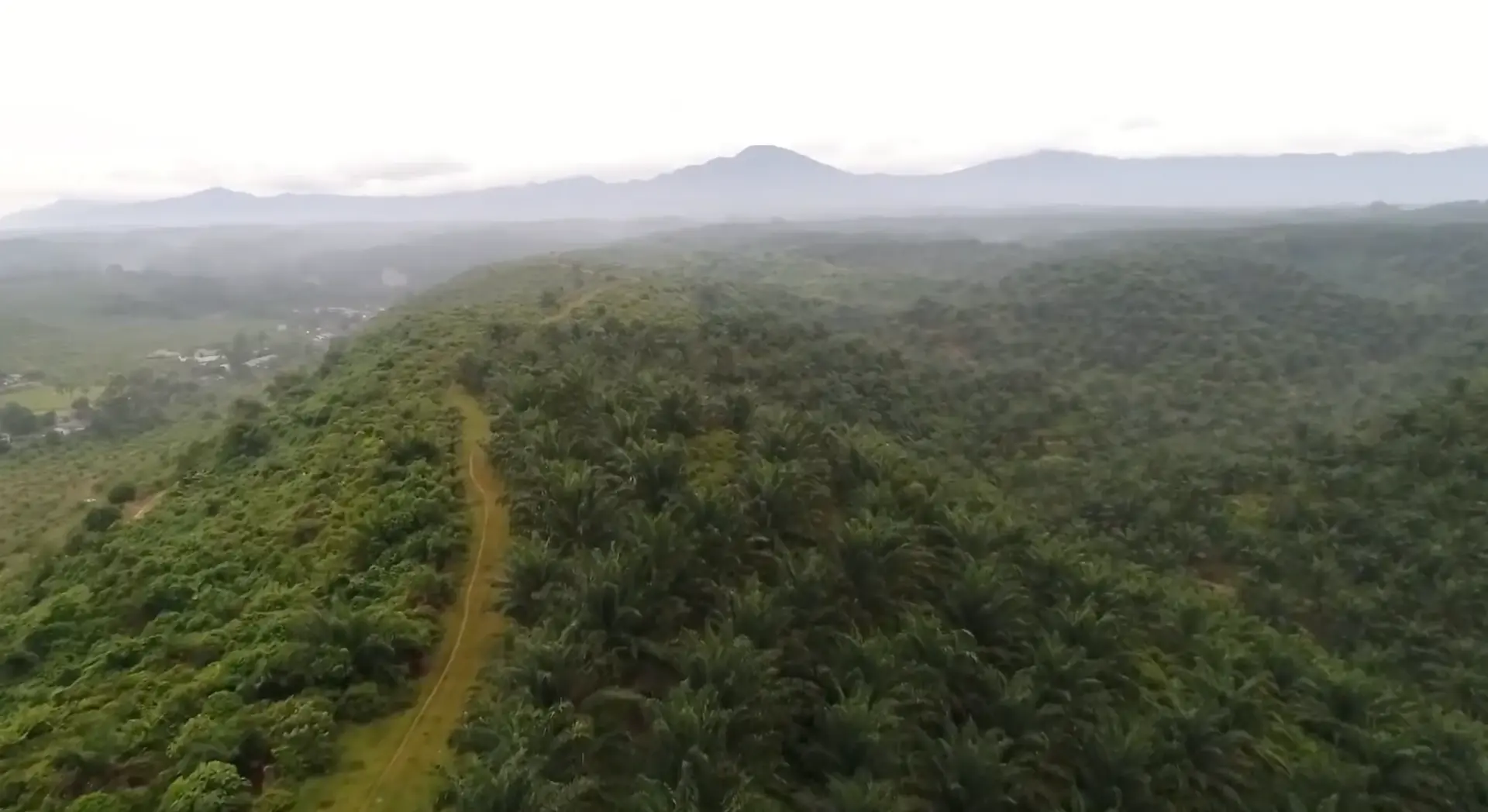
At the Tambunan A Experimental Station, which covers more than 600 hectares, USU organised field‑based trainings on compost production, water‑saving irrigation systems, and organic fertiliser application. Farmers learned by doing, using full‑scale plots that mirror real farming conditions.
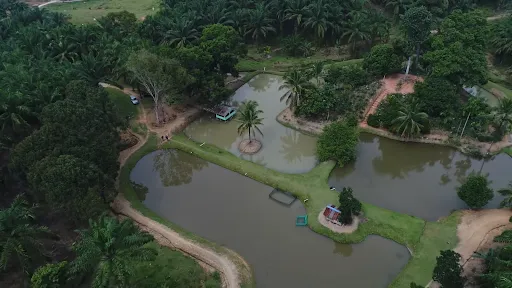
source: youtube.com/USUofficial
Clinic Tanaman USU (Plant Clinic)
The USU Plant Clinic provided free consultations and pest‑diagnosis services to 193 farmers in 2024, offering solution plans based on eco‑friendly methods developed by USU researchers. Farmers could bring samples and receive practical guidance on disease management and crop care.
.webp)
Aquaculture Facilities and Training
In the aquaculture sector, the Department of Aquaculture Resource Management (PSP USU) supported inland pond farmers and small‑scale fish producers by opening access to specialised facilities and tools, including:
Water‑quality testing kits for pond monitoring
Feed formulation tools for efficient and affordable diets
Demonstrations of low‑cost hatchery systems
In 2024, 237 aquaculture practitioners were trained in freshwater fish cultivation, with a focus on biofloc technology and sustainable feed systems. These trainings improved the technical capacity of farmers to manage ponds, reduce input costs, and increase yields in an environmentally responsible way.
Technology Transfer and Innovation Sharing
Beyond training and diagnostics, USU also shared research‑based innovations with local cooperatives and farmer groups. Technologies such as portable vertical farming kits, solar‑powered sprayers, and climate‑resilient seed varieties were showcased and loaned out to support experimentation and adoption at the community level.
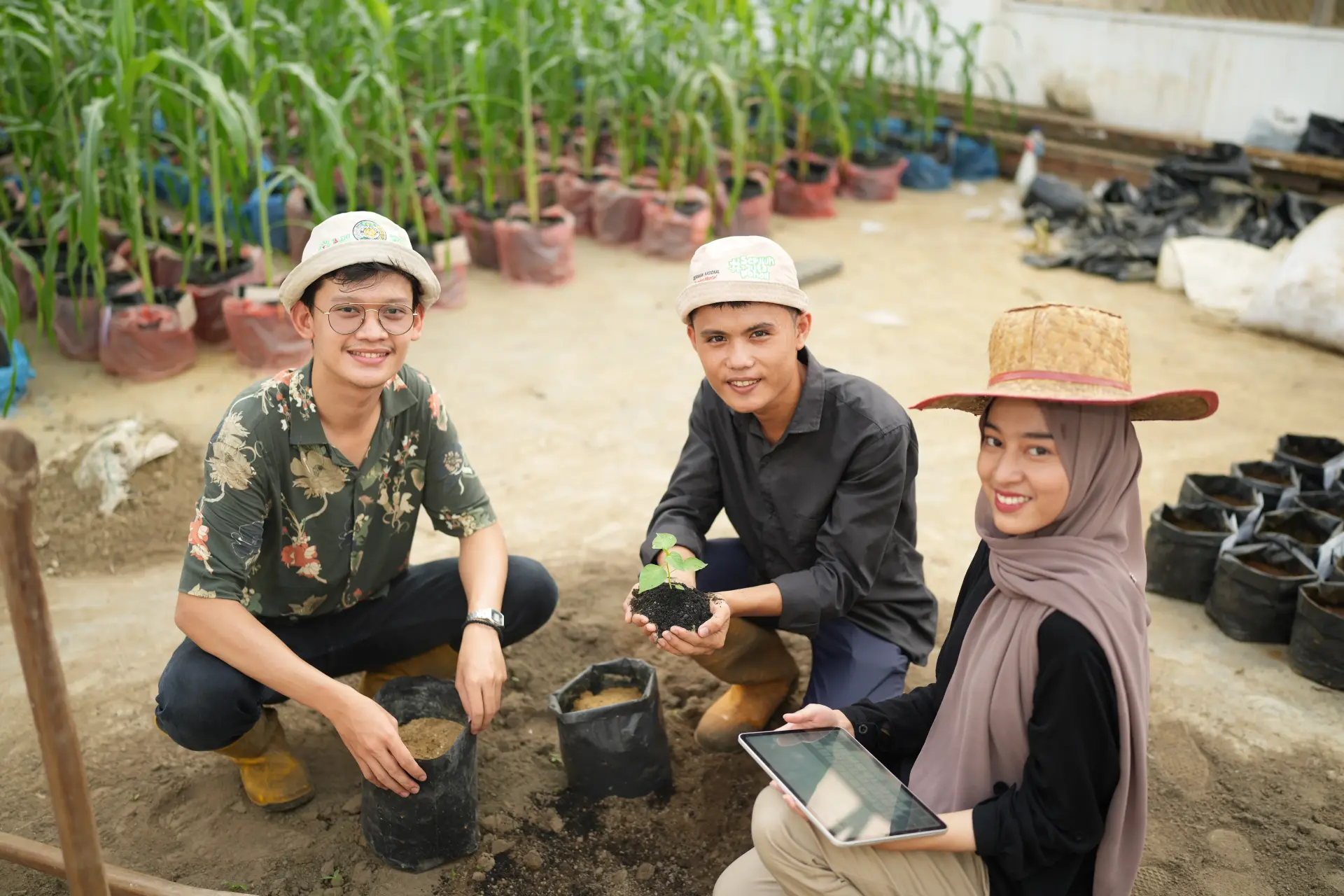
These technology‑transfer activities were strengthened through collaboration with Kewirausahaan Merdeka, P2MW programmes, local government agencies, and Corporate Social Responsibility (CSR) partners. Together, they ensured that innovations reached underserved rural areas, not just better‑resourced communities.
Building Resilient and Inclusive Food Systems
By opening its laboratories, greenhouses, plant stocks, demonstration fields, and aquaculture facilities to local producers, USU is transforming high‑end research infrastructure into a shared resource for farmers and food producers. The result is:
Stronger technical capacity among smallholders
Higher productivity and better product quality
More resilient and sustainable farming and aquaculture practices
Improved livelihoods and local food security
Through this facility‑sharing model, Universitas Sumatera Utara demonstrates how university–community partnerships can drive technology transfer, strengthen rural resilience, and bring science and innovation directly into the hands of farmers. In doing so, USU actively contributes to SDG 2: Zero Hunger and helps build sustainable food‑producing ecosystems that benefit the wider region, not only the campus.