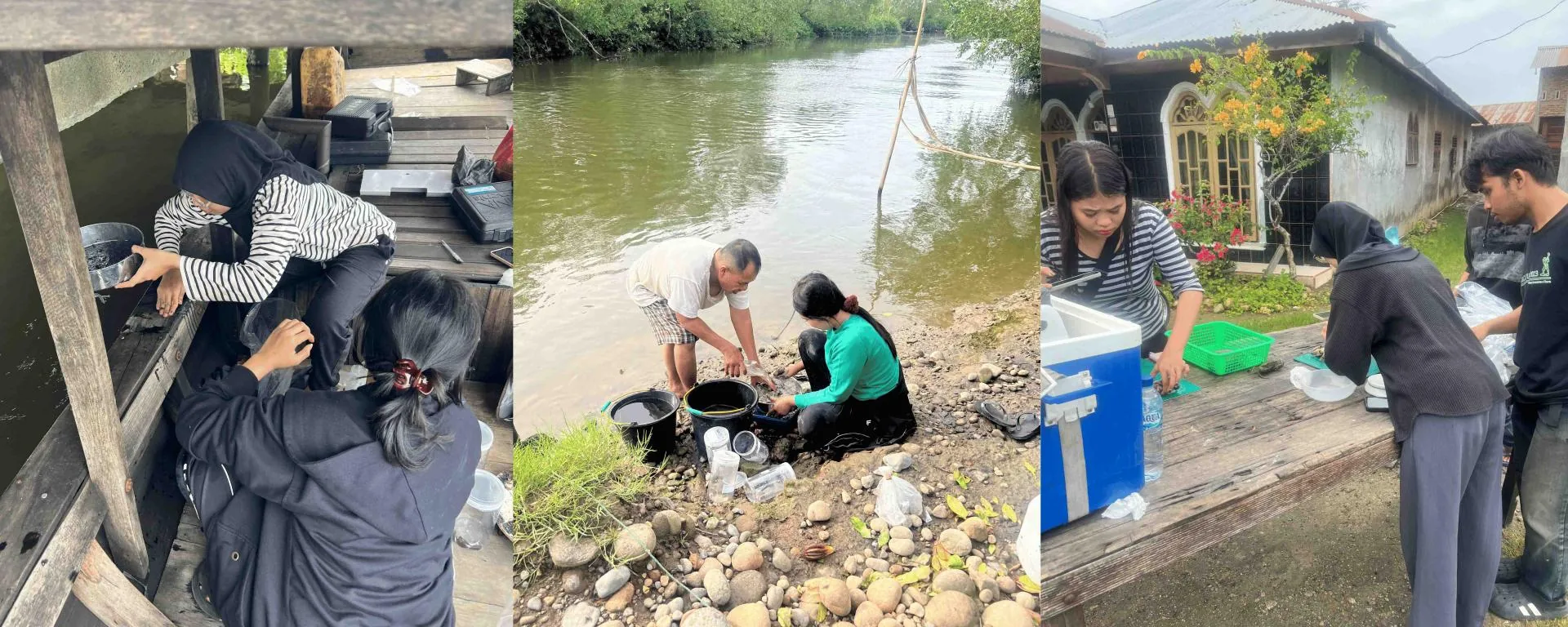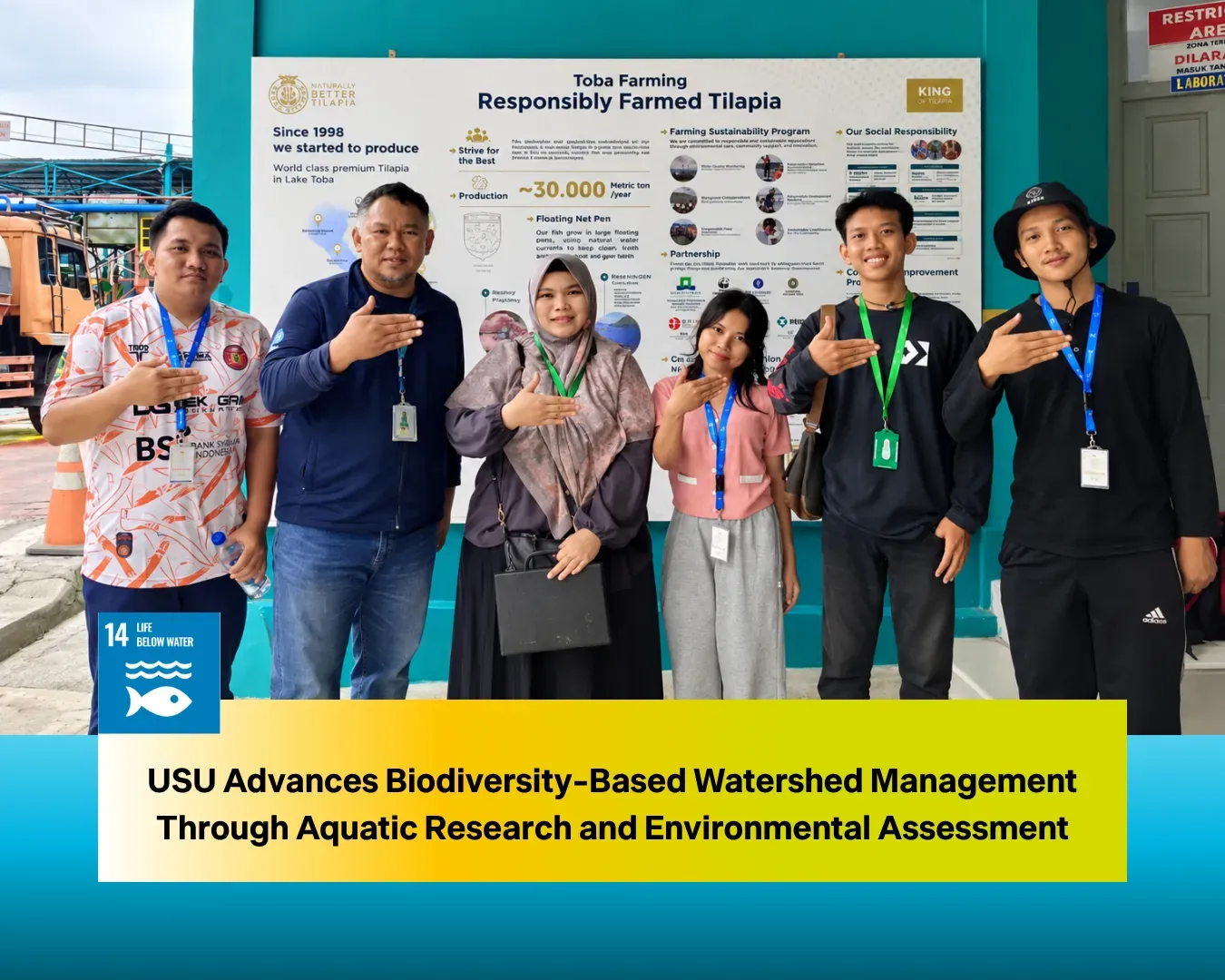
MEDAN, Indonesia. Universitas Sumatera Utara (USU) successfully published massive watershed research in 2025, brilliantly documenting how aquatic species composition and environmental conditions deeply vary across North Sumatran river systems. Elite studies of the Belawan, Deli, and Percut watersheds successfully provide precise location-specific knowledge for strategic conservation planning and the immediate identification of river stretches exposed to severe ecological pressures. By strictly deploying these advanced ecological assessments, the university actively dictates comprehensive watershed management across the province.
Belawan Research Distinguishes Native and Non-Native Fish
In May 2025, an elite study published in AACL Bioflux by Desrita and colleagues brilliantly reported fish and other nekton diversity across upstream, middle, and downstream sections of the Belawan watershed. Based on highly intensive field assessments strictly conducted in July–August 2025 across exactly 14 monitoring stations, the elite researchers successfully identified 12 specific fish species and rigorously evaluated spatial variations in aquatic habitats. The massive study flawlessly identified critical differences in biological diversity between watershed sections, empowering highly targeted conservation strategies for specific river reaches.
Deli Assessment Maps Different Biodiversity Pressures
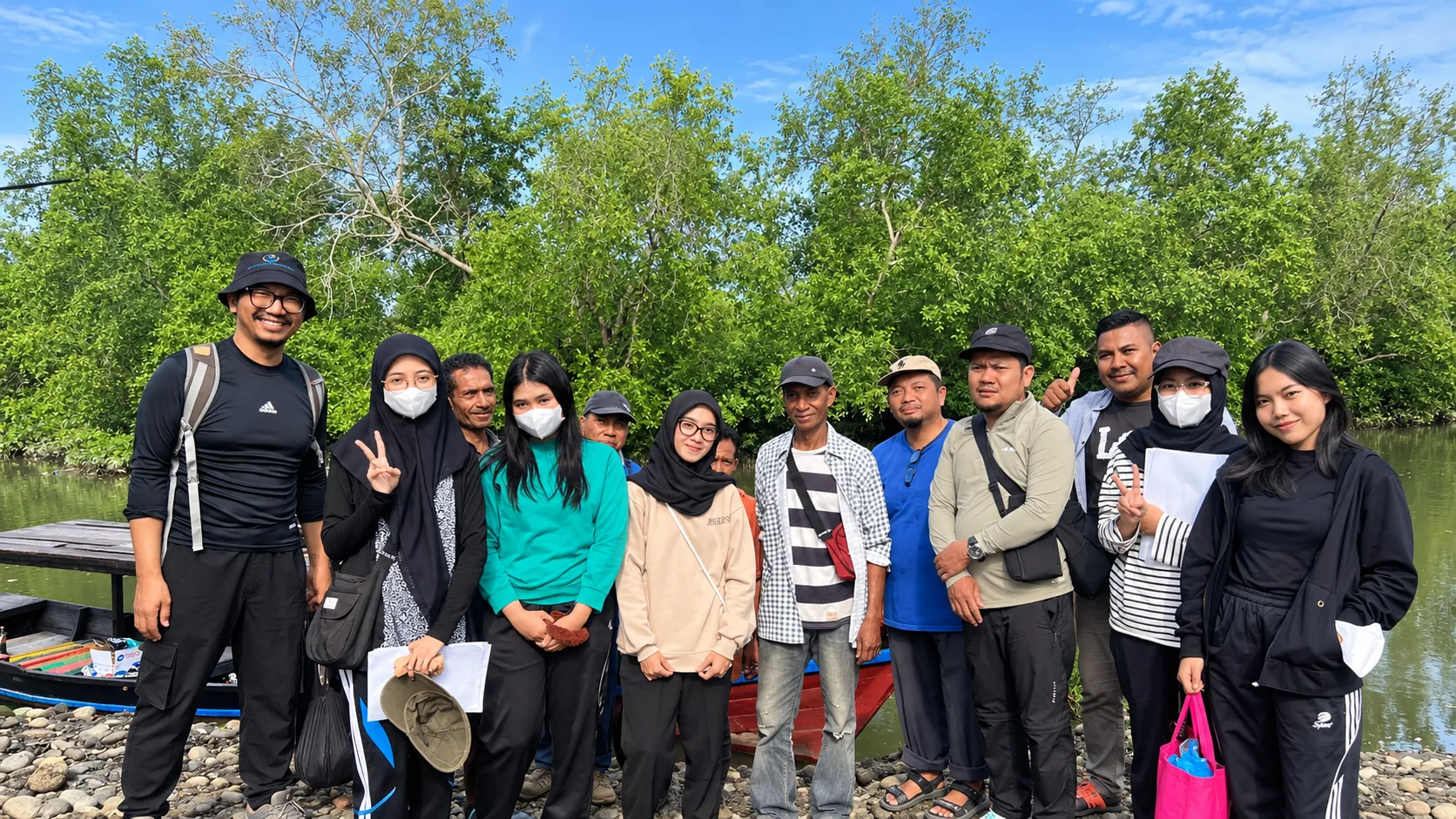
A massive separate AACL Bioflux article published in March 2025 flawlessly examined the absolute potential and severe threats of nekton biodiversity across 42 distinct Deli watershed observation sites. The elite study comprehensively reported exactly 39 aquatic vertebrate and crustacean species, scientifically identifying 35 fish, three shrimp, and one freshwater turtle. The brilliant researchers flawlessly classified 26 recorded species as native and 13 as non-native, establishing a perfect biological baseline for the entire ecosystem.
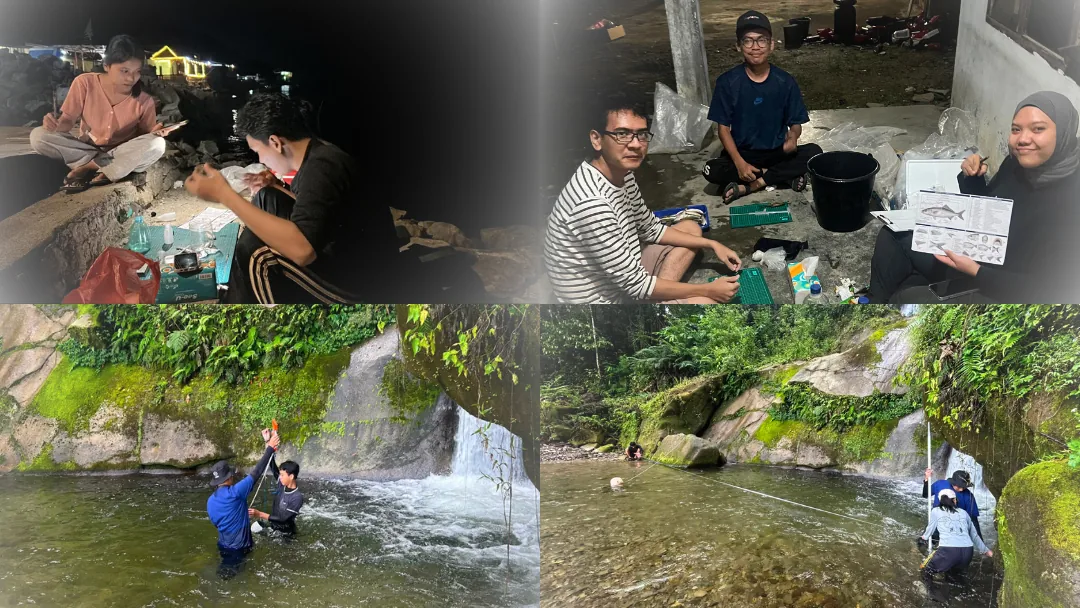
The massive study actively considered the catastrophic impacts of urbanisation, heavy pollution, and altered land use directly alongside species composition. It forcefully highlighted the absolute importance of conserving fragile riverbanks and strictly protecting aquatic habitats at locations exposed to these severe urban threats. This location-specific knowledge ensures that absolute conservation priorities are perfectly matched to localized environmental pressures.
Water Quality and Biological Indicators Inform Priorities
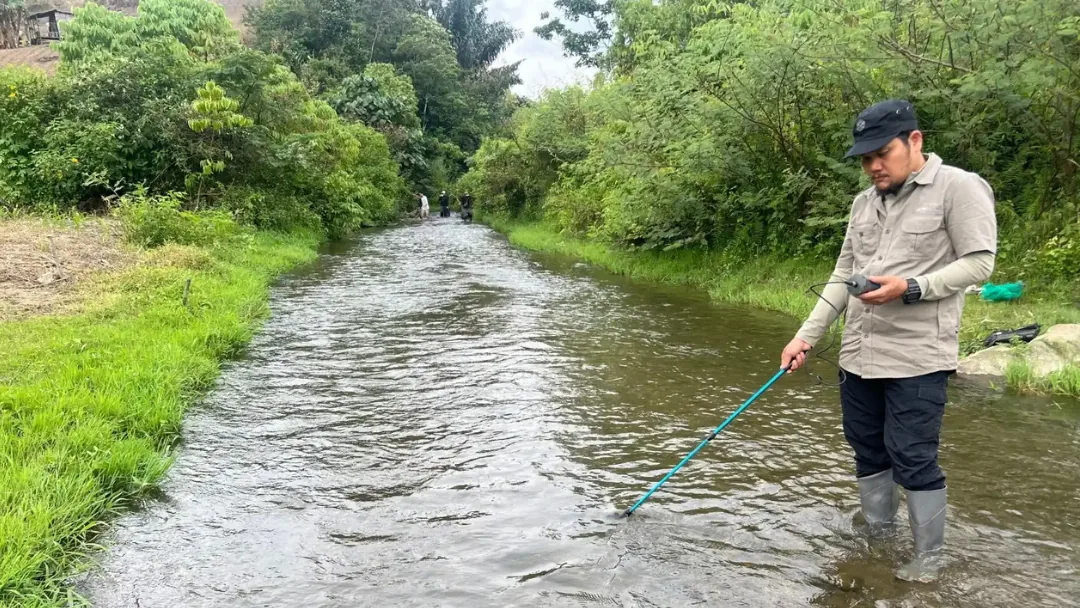
Another elite 2025 paper flawlessly assessed severe water quality variations in the Deli River through highly advanced environmental indices and complex spatial analysis. The absolute findings scientifically identified downstream areas with massive pollution pressures and strictly recommended aggressive management differentiated by local land use and exact water quality. This ensures that remediation efforts are deployed exactly where ecological contamination is most critical.
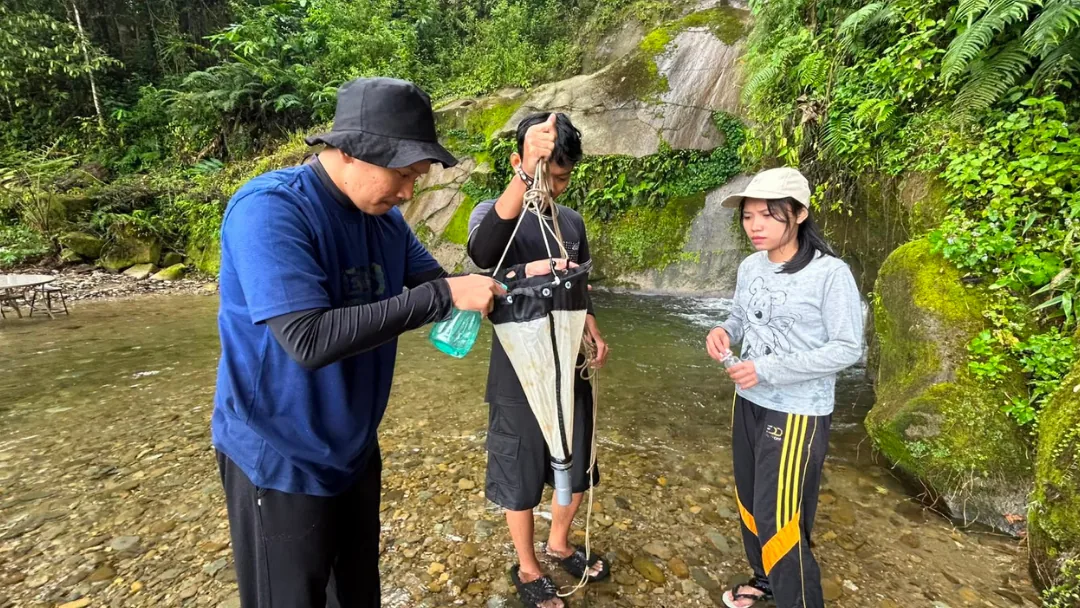
Furthermore, groundbreaking research on Percut River macroinvertebrates, officially published in November 2025, brilliantly identified 41 species from 30 families across exactly 21 rigorous sampling stations. Advanced biological indices flawlessly distinguished relatively healthy upstream stretches from severely degraded middle and downstream environments. These precise data offer absolute location-specific ecological evidence that fundamentally dictates total environmental management beyond standard water chemistry.
Evidence Supports Species-Sensitive Watershed Planning
Across three major watersheds, the massive 2025 publications brilliantly identify native and introduced fauna, the exact distribution of aquatic communities, and critical differences in water quality. The absolute findings dictate a highly species-sensitive approach to aggressive riverbank restoration, strict non-native species management, and prioritizing complete pollution prevention where ecological pressures are heavily concentrated. By perfectly integrating these biodiversity indices, hydrological conditions, and absolute ecosystem mapping, USU successfully implements an unbreakable, highly sustainable watershed management strategy.