


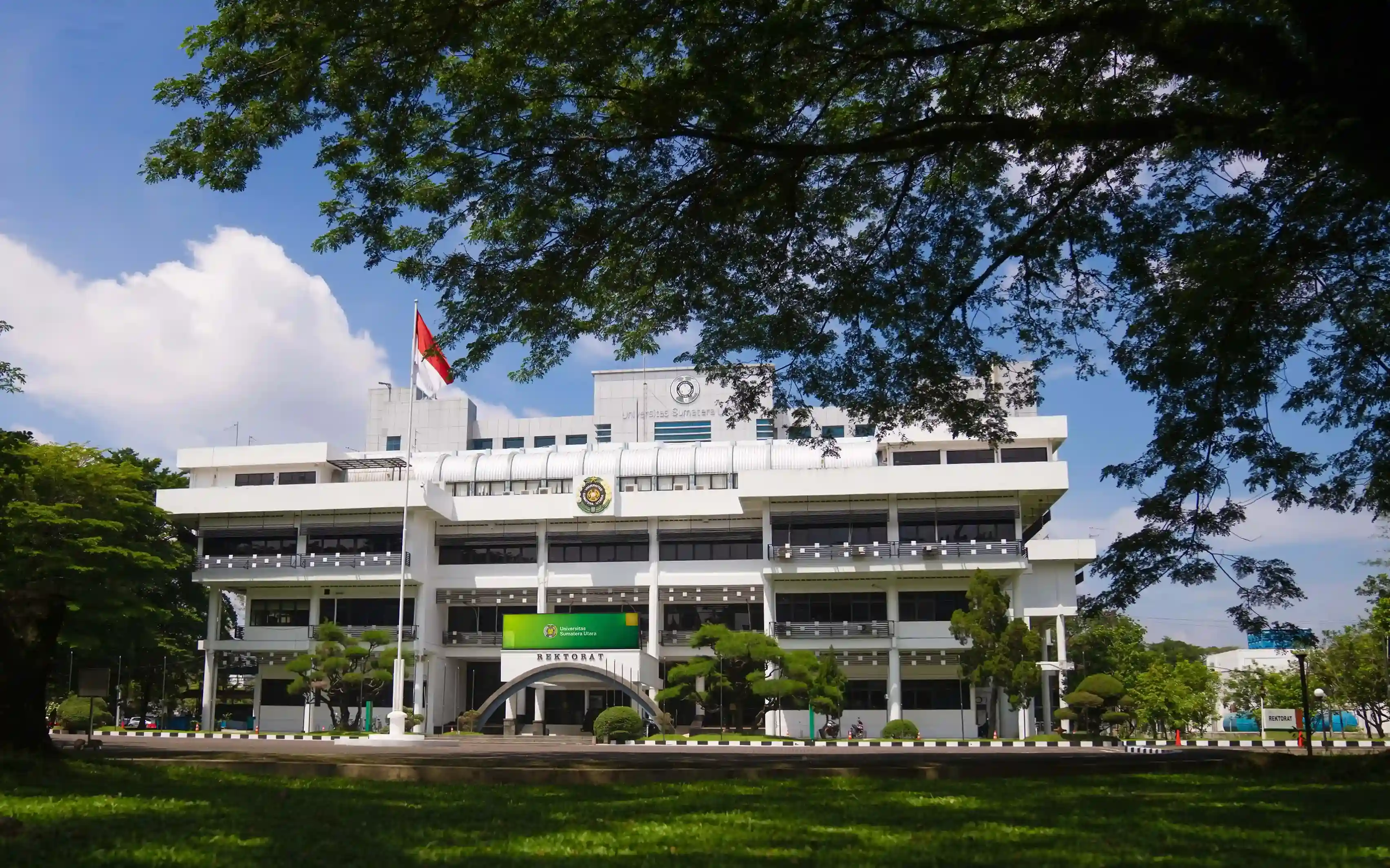
MEDAN, Indonesia — Universitas Sumatera Utara (USU) documented progress on Sustainable Development Goal 12 through campus waste-management systems, applied research, sustainable product development and community programmes. Its 2025 account records 537 SDG 12 publications and 3,912 citations. A focused portfolio of 154 papers examined sustainable tourism, forestry, resource management and waste-derived materials, with a reported Field-Weighted Citation Impact of 1.18.
Integrated Campus Waste Management
On 6 May 2025, USU and the North Sumatra Provincial Government inaugurated an integrated waste processing facility at the university’s Gate IV. Managed by the USU Circularity Center, the facility uses black soldier fly larvae and composting to process organic residues, while other initiatives explore converting plastics into useful products and fuel. The campus reported 56 waste-related products, facilities and treatment tools in 13 categories, with a pilot covering four faculties and the Rector’s Office.
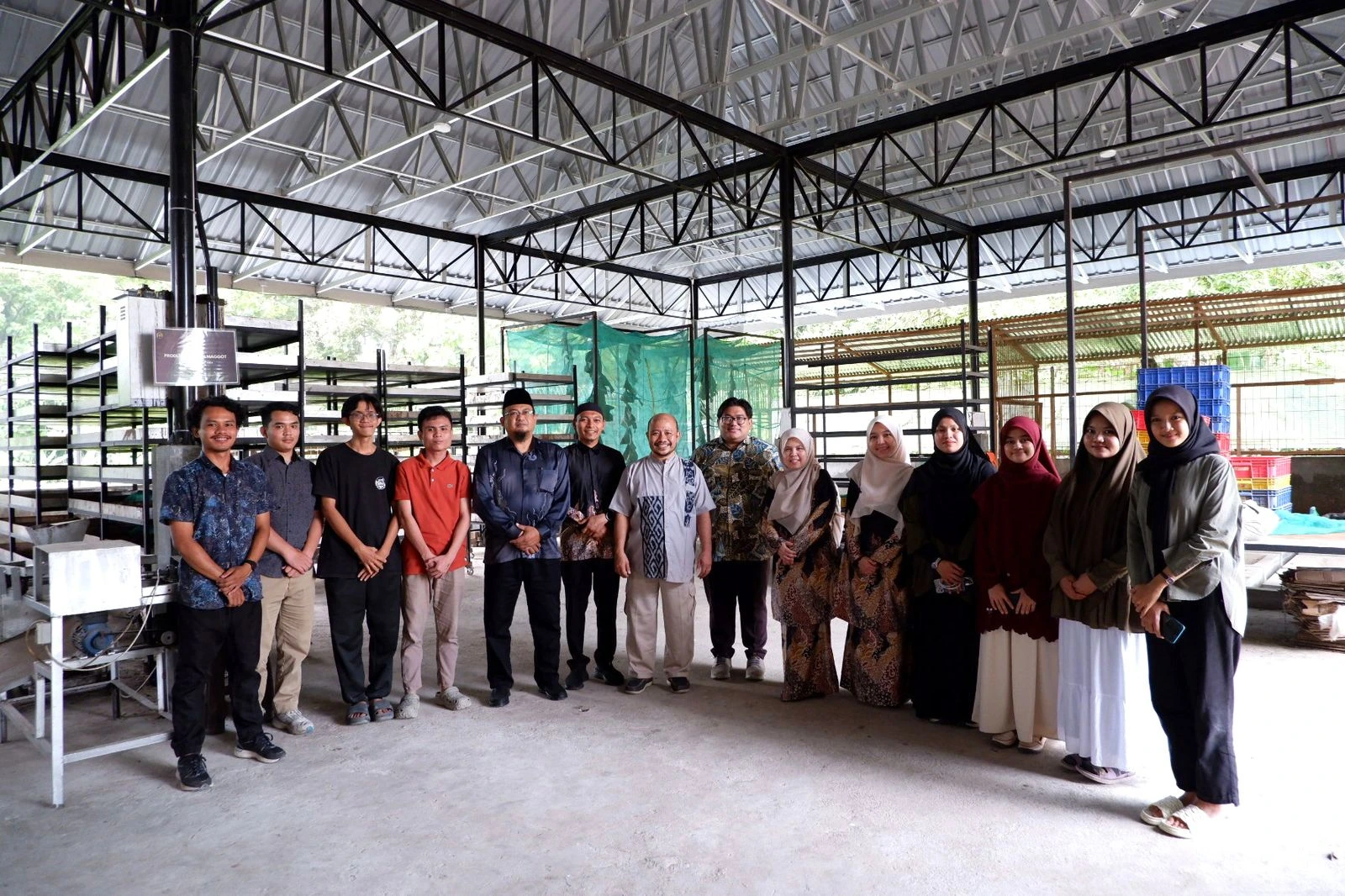
During an October visit, a Universiti Sains Malaysia delegation observed waste-treatment demonstrations involving compost, recycled construction materials and sorting technologies. In April, engineers handed over a 1.5-tonne electric waste-collection vehicle equipped with monitoring sensors; Biology students also attended training in black soldier fly larvae cultivation with an industry partner. The vehicle handover and training were documented activities, while wider deployment and technology development remained ongoing.

Research and Student Innovation Turn Waste into Products
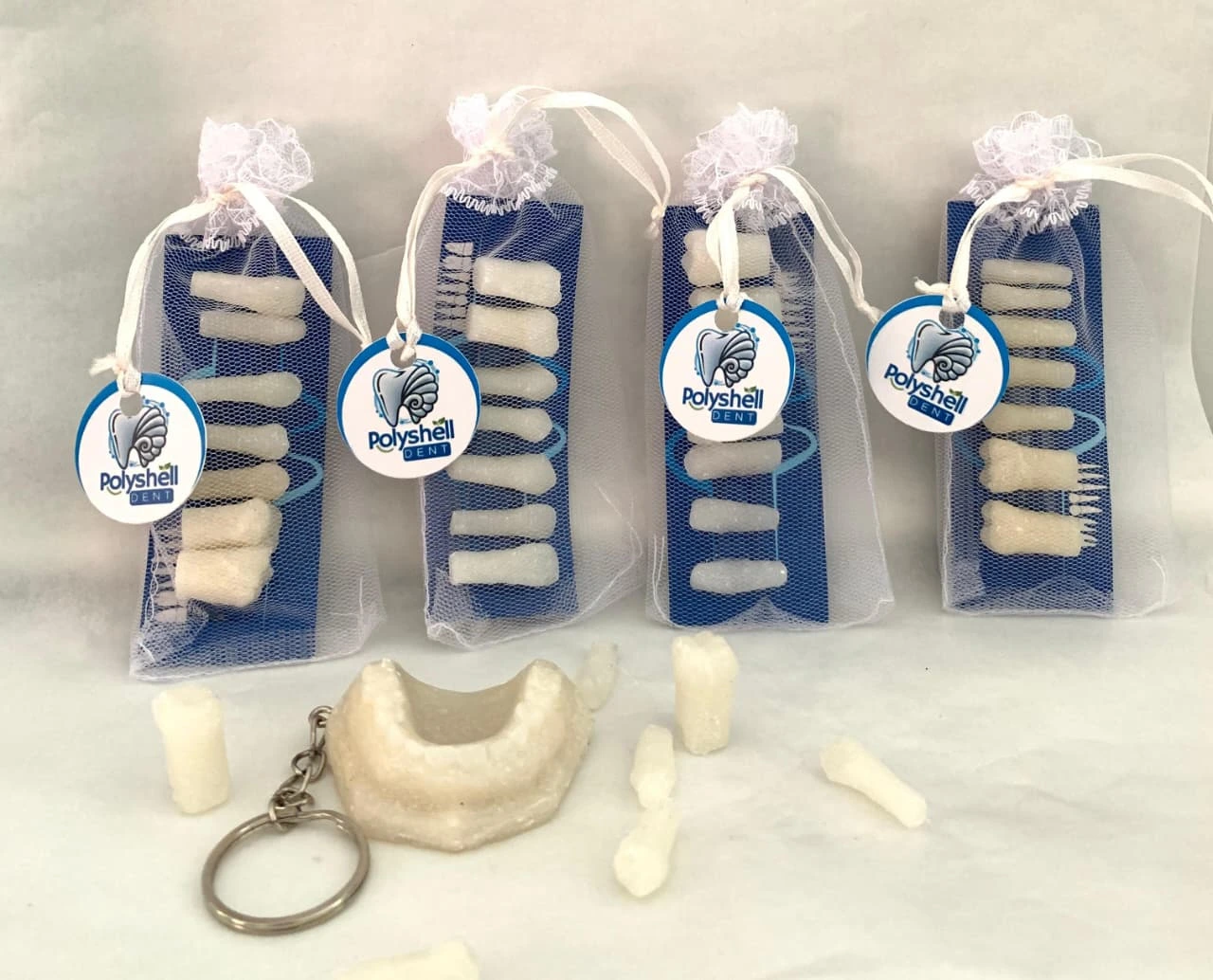
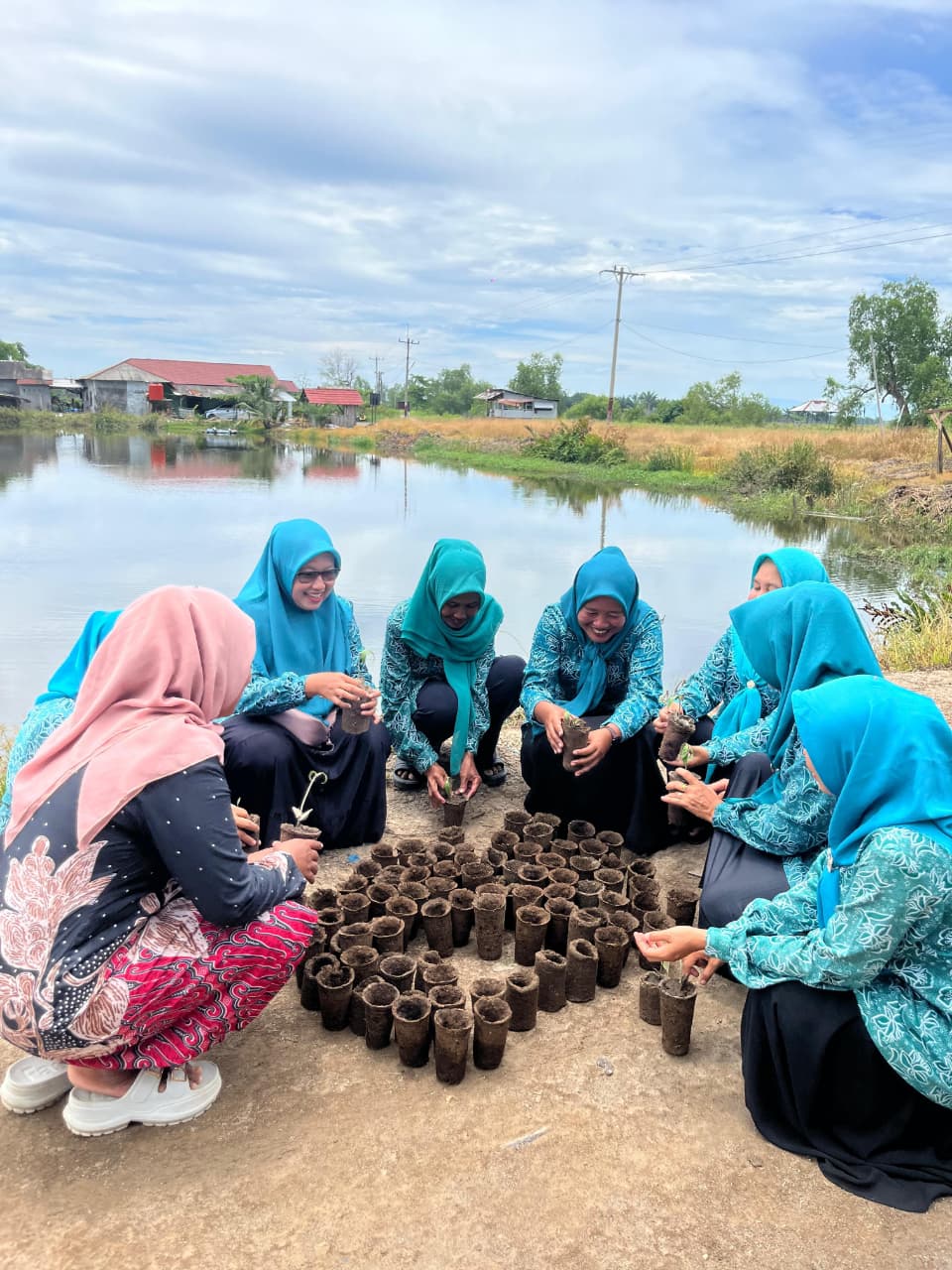
Student teams developed practical substitutes for conventional materials. Dentistry students produced Polyshell Dent, a dental training model incorporating reused polypropylene containers and clam-shell-derived calcium carbonate. Forestry students designed ECOWPOT biodegradable nursery pots from cow dung and bamboo shavings and trained women in Tanjung Rejo to make them for mangrove seedlings. The BIOFLAEIS student project developed biofoam packaging from oil palm fronds and papaya leaves and qualified for the 2025 National Student Scientific Week.
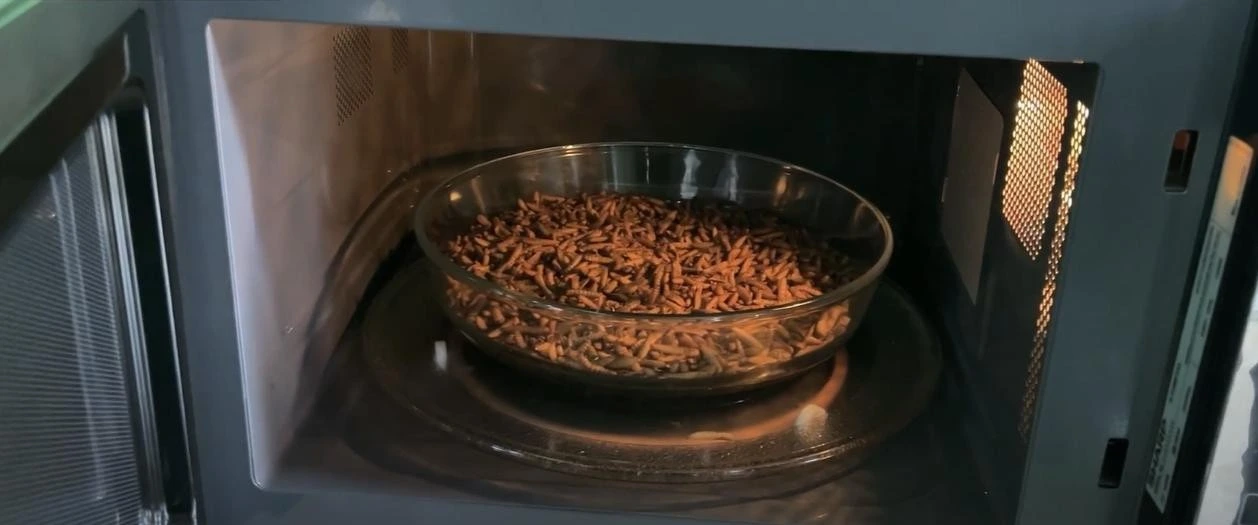
Hands-on environmental education reached schools beyond campus. Pharmacy teams taught learners at SMA Labschool Banda Aceh to produce soap from lime-peel waste and at SMK Martabe Sipirok to formulate a hand wash from coffee-fruit waste. Chemical Engineering lecturers secured grants for proposed household-fuel and waste-to-energy projects, including reuse of cooking oil and wood residues. In a separate applied initiative, Eco-Wave Mag reduced reported maggot-drying time from 12–24 hours to 3–4 hours, supporting more efficient processing for a black soldier fly farming group.
Supporting Sustainable Farming and Food Systems
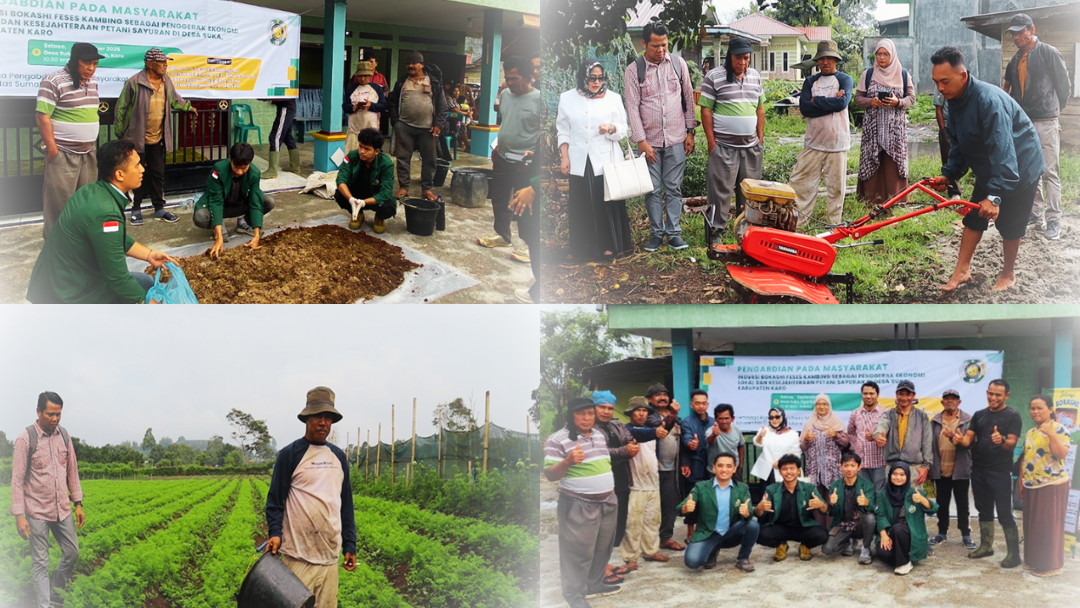
Community work linked organic-waste processing with agricultural production. At Desa Suka in Karo, bokashi fertiliser training was associated with lower spending on chemical fertilisers for 89% of participating farmers. In Munte, residents received eco-enzyme training for natural fertiliser and pesticide applications. In Simangulampe, a village recovering from flood damage, women farmers learned to compost water hyacinth and household organic waste for soil rehabilitation.
USU also used the 2025 Jungfood Ex-Fest to bring students, small food businesses and community members into discussions about local food innovation and food-waste reduction. The event presented more responsible food use as part of sustainable production, without claiming a measured reduction in food waste attributable to the festival.
Cleaner Production and Community Policy
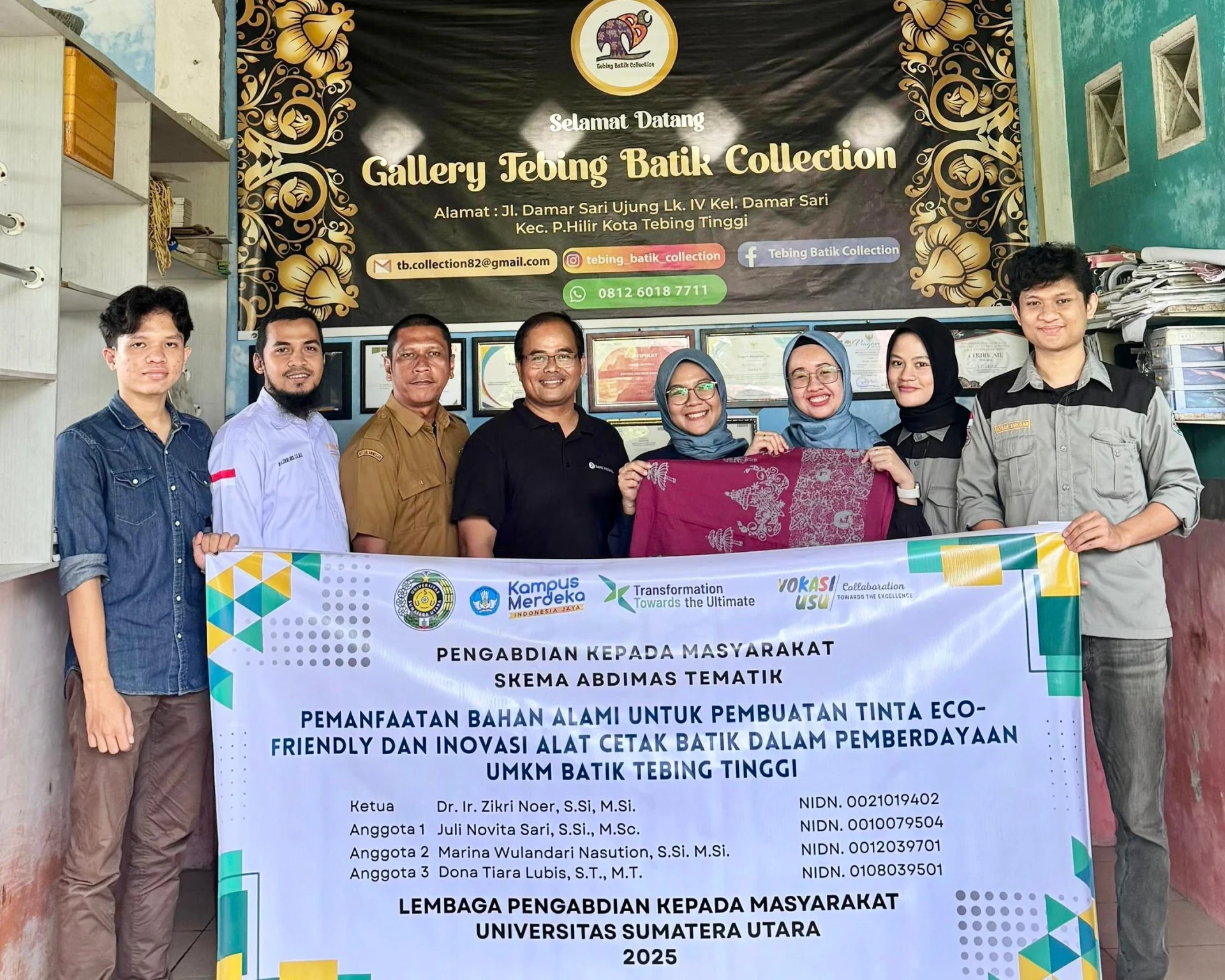
In Tebing Tinggi, vocational lecturers trained batik micro-enterprises in natural inks and improved printing methods. The Faculty of Forestry’s ZASWA seminar and exhibition brought researchers and creative-industry practitioners together to explore natural dyes and fibres. At the Puri Zahara II waste bank in Medan, Law lecturers and students explained residents’ responsibilities under waste-management regulations and the 3R approach.
At policy level, the USU SDGs Center and CSIS Indonesia convened a sustainable trade and investment dialogue in Medan on 3 July 2025, bringing government, academic and business perspectives to discussions of green investment, low-carbon technologies and export sustainability requirements. Together, these documented activities show how USU connects teaching, research, institutional operations and partnerships to SDG 12 through waste reduction, circular materials and more responsible production.