


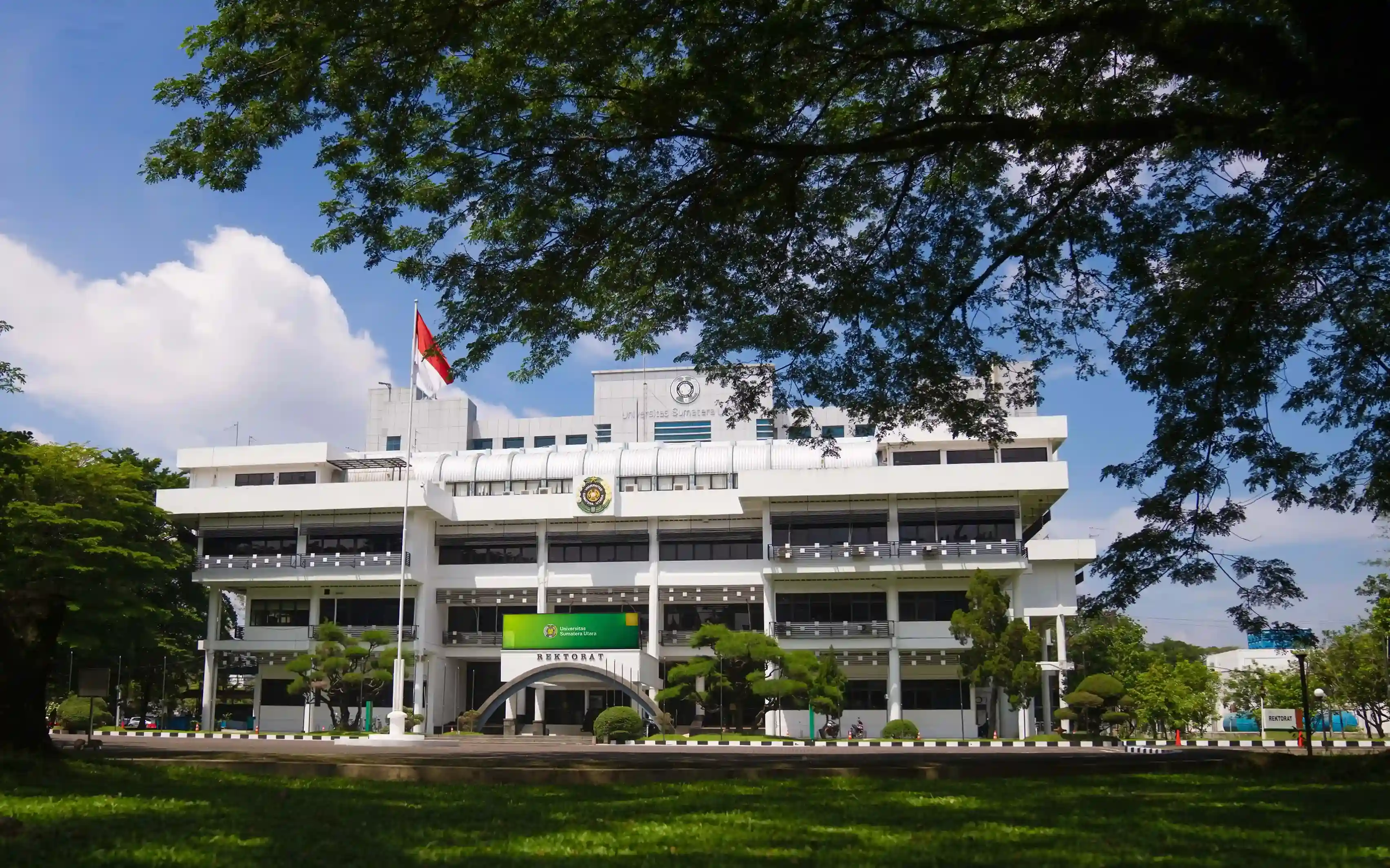
MEDAN, Indonesia, — Universitas Sumatera Utara (USU) reported progress on Sustainable Development Goal 7 (Affordable and Clean Energy) through research, teaching, technology development and partnerships throughout 2025. Faculty teams investigated renewable fuels and energy materials, introduced energy-efficient equipment, and shared findings with students, businesses and communities in North Sumatra and abroad.
Research and Institutional Energy Initiatives
USU’s 2025 SDG 7 summary recorded 589 related publications and 4,677 citations. A more focused clean-energy portfolio comprised 121 publications, including studies on biodiesel and liquid biofuels (26), energy-storage materials (20), biomass and waste-to-energy (17), and solar energy (17). That portfolio reported 39% international co-authorship across 26 countries and a Field-Weighted Citation Impact of 1.27. These research figures are drawn from the university’s institutional progress summary and represent different reporting scopes.
The same summary identified 34 green infrastructure initiatives across eight categories: nine solar installations, three micro-hydro systems, one biogas installation, two electric-vehicle charging stations, three efficient-lighting systems, four building energy-management systems, five waste-to-energy facilities and seven other projects. These are reported institutional project counts rather than verified measurements of electricity generation or energy savings.
Energy Materials and Waste-Based Fuels
Two 2025 professorial lectures highlighted the university’s renewable-energy research. On 8 September, Prof. Riswanti Sigalingging discussed renewable energy technology for agricultural electrification. On 24 January, Prof. Kerista Tarigan presented biomass-derived graphene for electronic materials and battery applications, including research on electrodes produced using coconut-shell biomass.
In May, Chemical Engineering lecturers received research and community-service grants covering projects such as REHEAT, which explores used cooking oil as a household fuel, and ECO-WASTE STOVE, focused on energy from wood waste. Grant awards establish project support; they do not themselves demonstrate that the technologies were already deployed widely. In international research, USU’s Dr. Adri Huda completed collaborative work in Vietnam on plastic-waste pyrolysis and biochar for energy and environmental applications.

Biofuel and Sustainable Aviation-Fuel Learning
The Faculty of Forestry invited international experts from the Hawai‘i Natural Energy Institute in April 2025. Prof. Scott Q. Turn delivered a seminar on sustainable biofuels, connecting forestry, technology and regulation. Dr. Darshi Banan taught a guest class on feedstocks for sustainable aviation fuel, including the potential of tropical oilseed trees. These sessions brought specialised international knowledge into USU’s forestry curriculum.
Electric Mobility and Efficient Community Technology
On 10 April, the Faculty of Engineering handed over a 1.5-tonne smart electric waste-collection vehicle equipped with sensor monitoring and a hydraulic system for integrated campus waste management. The research team described the vehicle as a prototype for further development.
Engineering lecturers also worked with a black soldier fly farming group on Eco-Wave Mag, a modified microwave dryer. The project team reported shortening larval drying from 12–24 hours to 3–4 hours. Another community-service project developed an outdoor reading space at a Zero Carbon Mini Library in Medan, using bamboo and natural ventilation to demonstrate energy-conscious building design.
During December floods, a Faculty of Medicine team documented electricity disruption in Central Tapanuli. On 11 December, USU information-system staff installed a generator and satellite connection in Desa Sekumur to support an integrated emergency health post. This was a continuity-of-services response, rather than an example of renewable power generation.
International Exchange and Energy Literacy
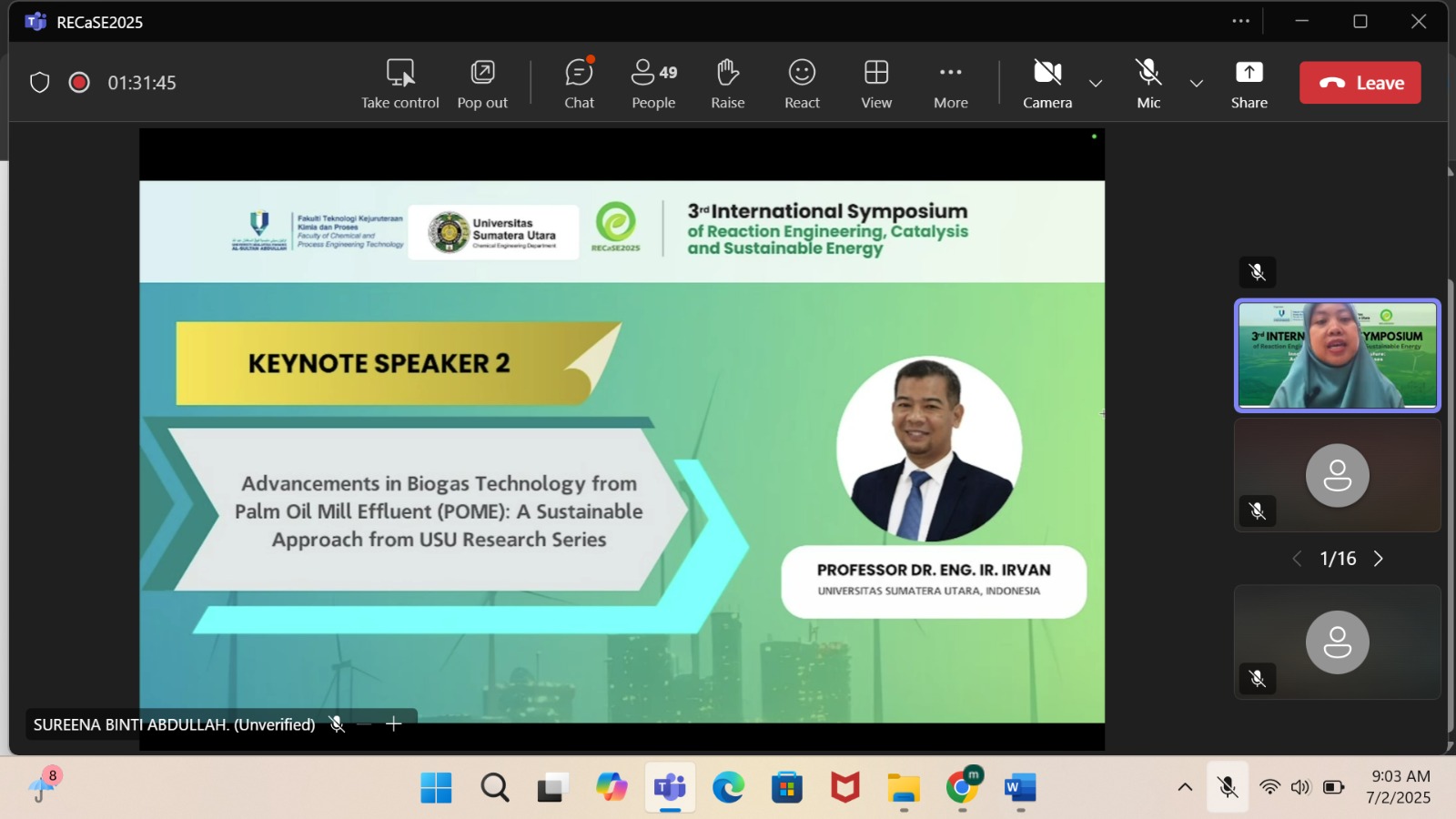
USU co-organised the RECaSE2025 sustainable-energy symposium with Universiti Malaysia Pahang on 2 July. On 11 November, the Faculty of Engineering convened Talenta CEST 6, bringing speakers from international universities to discuss sustainable energy, environmental science and green technology.
In December, USU and SKK Migas Sumbagut, with regional energy-industry partners, inaugurated Migas Center USU as an information and dialogue venue for energy literacy and the social dimensions of the oil-and-gas sector. Separately, Chemical Engineering students visited PT Indonesia Asahan Aluminium (INALUM) on 25 November to examine industrial power supply, heat use and energy efficiency in aluminium production.
Linking Research, Teaching and Public Engagement to SDG 7
Together, the recorded activities connect clean-energy research with professional education, practical prototypes, community programmes and institutional partnerships. The 2025 evidence covers both completed events and research or infrastructure programmes at different stages of development. By reporting these activities and their documented outputs, USU contributes to public understanding of clean-energy options and opportunities for further implementation in North Sumatra.