


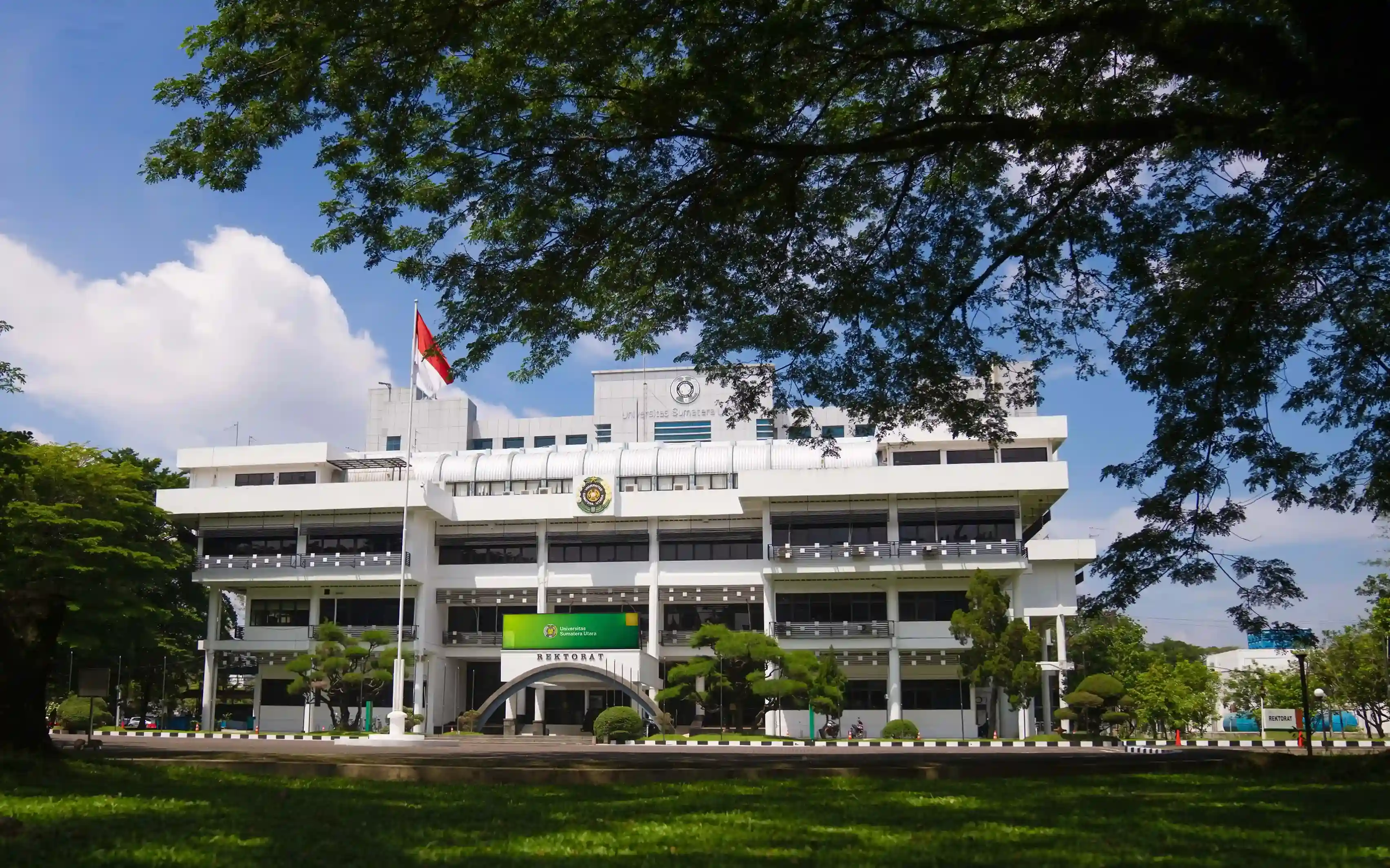
MEDAN, Indonesia — Universitas Sumatera Utara (USU) documented its contributions to SDG 6 (Clean Water and Sanitation) through water-management research, teaching, campus infrastructure and community programmes in 2025. The university also delivered clean water and basic supplies during the December flood emergency, while forestry and student teams supported water-related ecosystem recovery.
Research, Campus Facilities and Water Conservation
USU’s 2025 SDG 6 summary reported 246 publications, 2,233 citations, 26% publication co-authorship and research partnerships involving 64 countries. A more narrowly defined research portfolio recorded 79 Scopus-indexed publications, 271 citations and a Field-Weighted Citation Impact of 0.96. Research areas included solar distillation, wastewater treatment and multistage water filtration. These figures describe different research scopes and should not be treated as interchangeable.
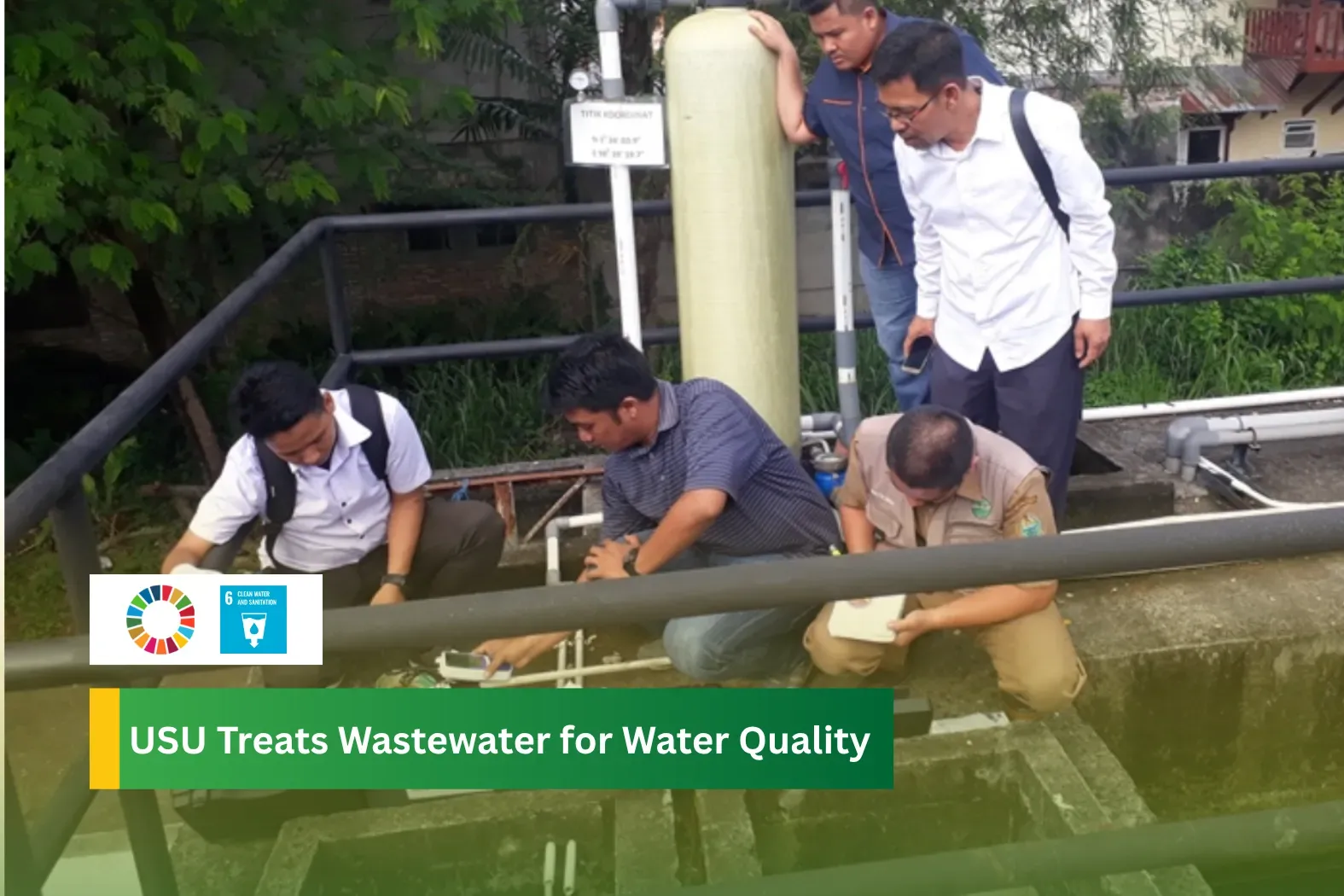
Campus reporting also recorded 28 free drinking-water stations, estimated rainwater harvesting of 27,000 m³ per year and a wastewater treatment capacity of 150 m³ per day at USU Hospital. The institutional framework includes a 10% water conservation target, and water and sanitation subjects were reported across 12–15 courses. These are reported institutional measures, rather than independently measured changes in water quality or consumption.
Community Water and Hygiene Education
In Sipirok, lecturers and students from Pharmacy and Environmental Engineering trained school pupils and teachers to turn coffee-skin waste into an eco-enzyme handwash. The activity combined hygiene education with waste reuse and basic product formulation. A reverse-osmosis filtration system at a boarding school in Binjai was also reported in January 2025, although its installation took place from July to September 2024 and is therefore a previous-year initiative rather than a new 2025 deployment.
Clean Water During the December Flood Emergency
Following floods and landslides across Sumatra, LPPM USU circulated a national emergency community-service programme in which sanitation rehabilitation and clean-water provision were designated response priorities. At this stage, USU was preparing proposals under that programme; its announcement does not establish completed sanitation projects.
On 4 December, a Faculty of Medicine team assessed disrupted water and health services in Central Tapanuli. On 11 December, the Faculty of Medicine, USU Hospital and USU Peduli delivered clean water together with medical assistance to Desa Sekumur, and provided a generator and satellite connection to support local services. Between 6 and 13 December, the Faculty of Public Health and partners distributed drinking water and basic hygiene supplies in 12 villages and urban neighbourhoods across Medan, Aceh Tamiang and Langkat. A further assessment in Langkat and Aceh Tamiang on 18 December identified ongoing needs for clean water and shelter.
Restoring Water-Related Ecosystems
USU’s Faculty of Forestry also connected watershed protection to flood-risk reduction. In December, a faculty expert explained the role of forest cover in water regulation and urged land-use planning based on environmental capacity. The faculty subsequently combined multipurpose-tree planting with environmental education in three flood-affected villages in Langkat.
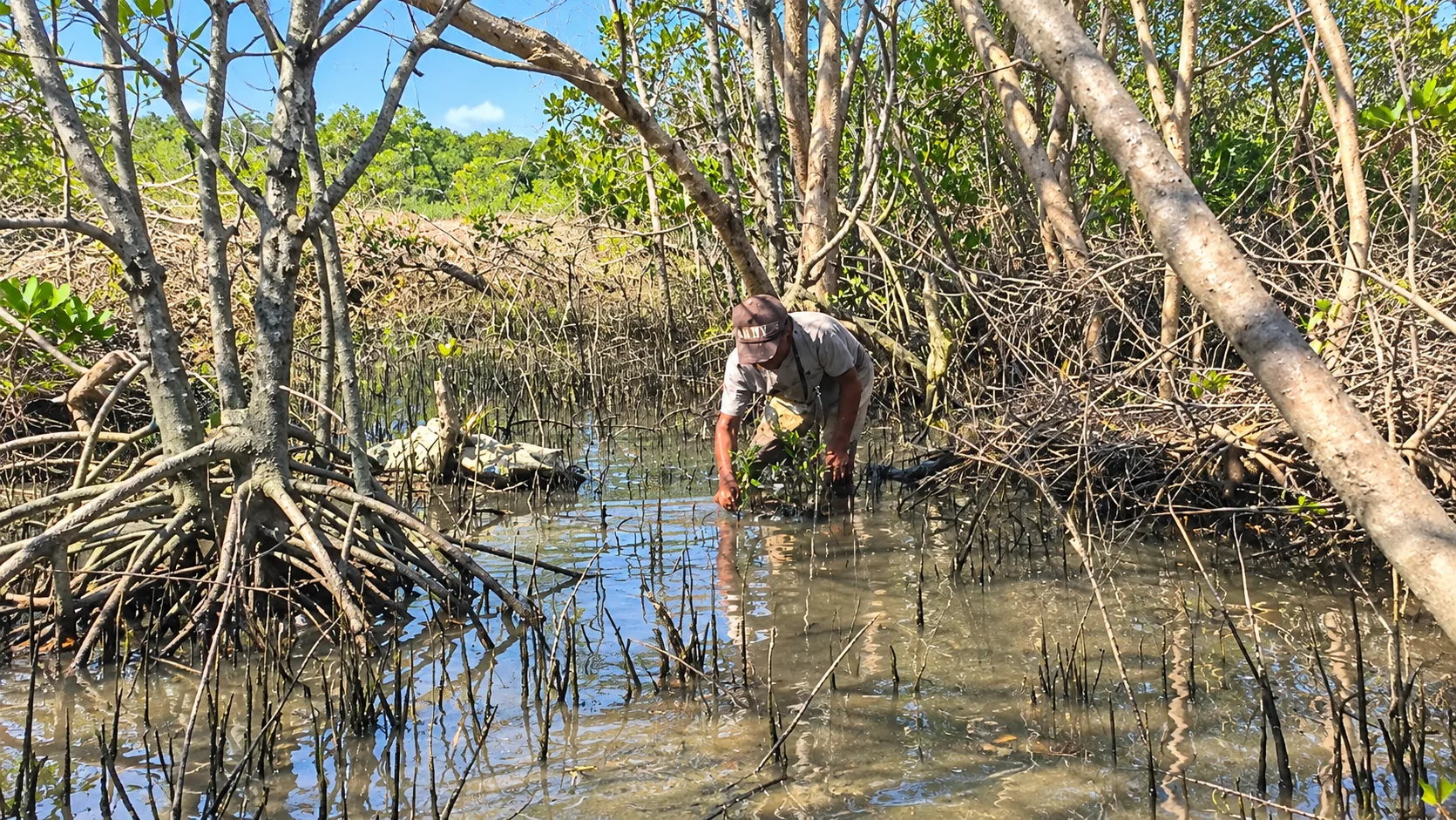
In Simangulampe, Humbang Hasundutan, a team trained farmers, young residents and village officials to compost water hyacinth from Lake Toba together with household organic waste. This activity supported cultivation on land damaged by an earlier flash flood. In Tanjung Rejo, Deli Serdang, Forestry students introduced biodegradable nursery pots for Avicennia mangrove seedlings and trained local women to produce them, connecting plastic reduction with coastal rehabilitation.
Water Awareness and Evidence-Based Planning
A guest lecture on flood modelling and multi-stakeholder coordination on 3 December examined how spatial planning, behaviour and information management influence disaster outcomes. Separately, the USU Library marked World Water Day on 22 March with an appeal for careful water use, clean water sources and environmental conservation.
Together, the documented activities show how USU publishes SDG 6 progress across academic research, reported infrastructure, public education, emergency response and ecosystem management. The initiatives also connect to SDGs 3, 12, 13, 14 and 15, while keeping proposed interventions distinct from those completed during 2025.