


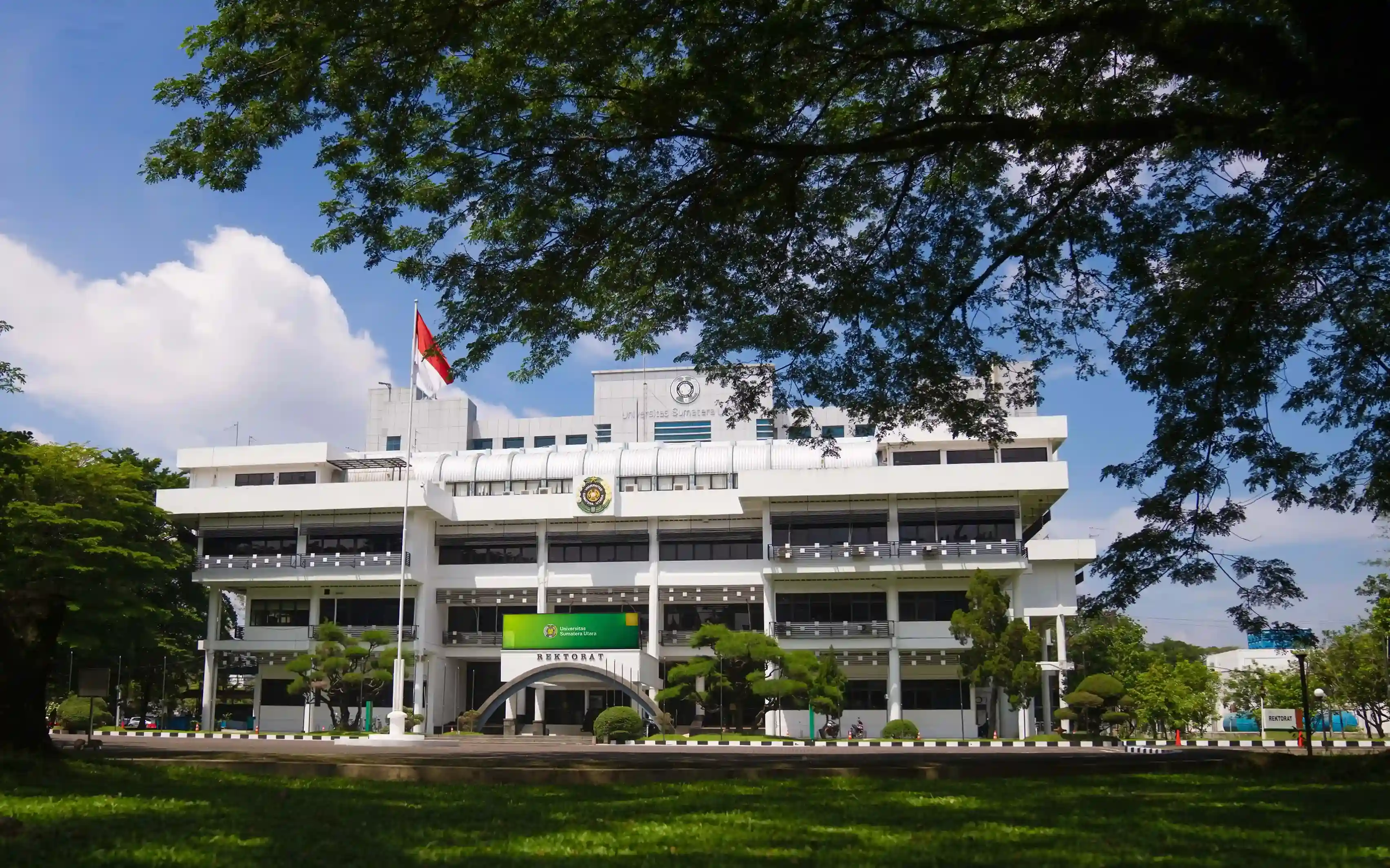
MEDAN, Indonesia. Universitas Sumatera Utara (USU) helped public institutions address development challenges in 2025 by bringing research findings and specialist advice into policy discussions. Its faculties and research centres worked with national agencies, regional governments and non-governmental organisations on policy design, assessments of existing programmes and responses to changing conditions.
USU Contributes Research to National Disaster and Climate Policy
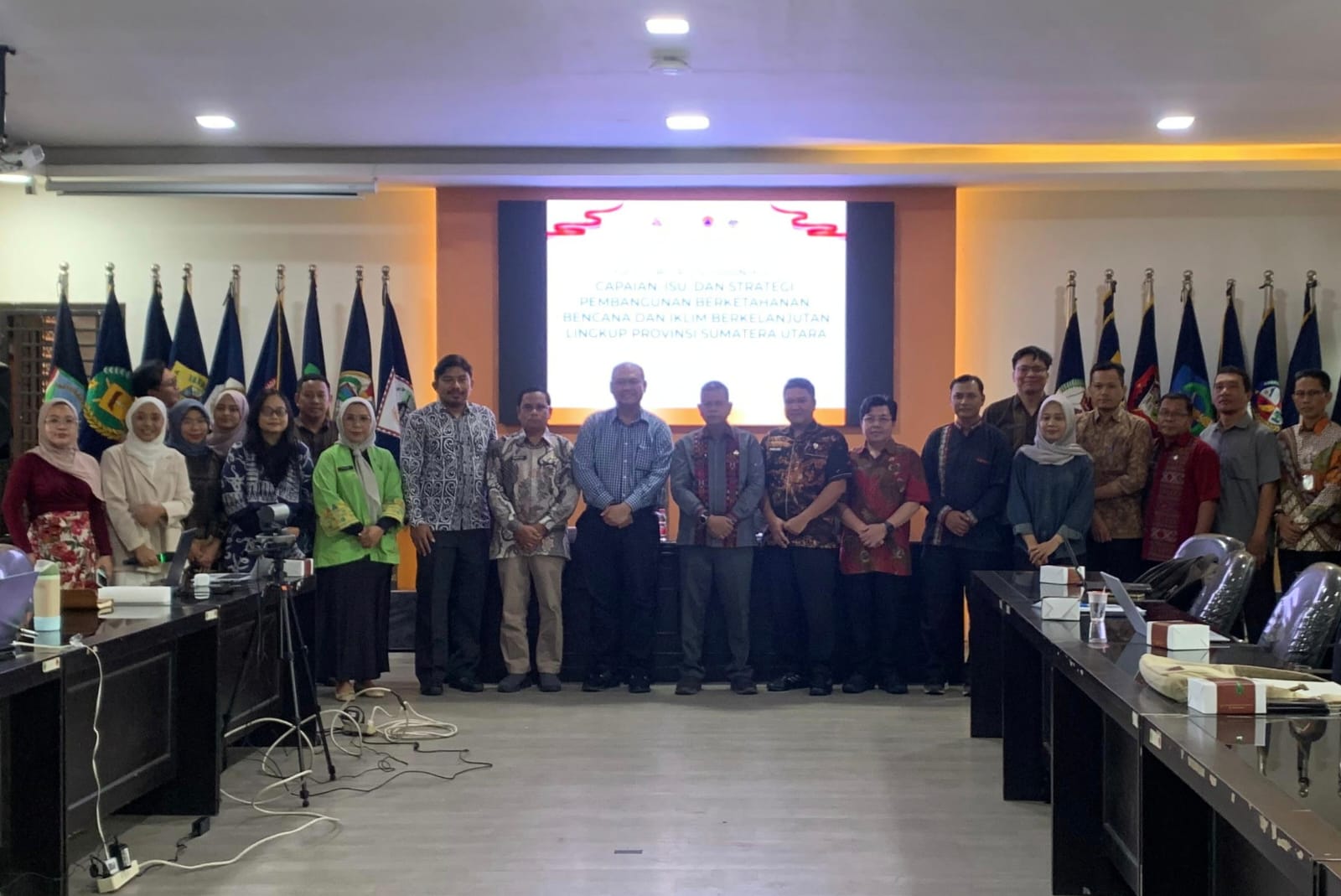
At a Bappenas forum in Medan on 24 October, Faculty of Forestry researchers Dr. Achmad Siddik Thoha and Shahnaz Dwi Pasha contributed to preparations for Indonesia’s disaster-resilience and climate-sustainable development white paper towards 2045. The university highlighted slow-onset threats, including coastal erosion, drought and rising sea levels, and recommended ecosystem restoration, stronger early-warning systems and risk-based spatial planning.
Low-Carbon Planning with Bappenas and North Sumatra Government
Earlier, on 21 May, USU joined Bappenas and the North Sumatra Provincial Government in a discussion on low-carbon and climate-resilient development. Participants reviewed a system-dynamics model adapted to provincial conditions and examined policy scenarios for the planned Regional Low-Carbon and Climate-Resilient Development Plan. The discussions connected emissions reduction, climate adaptation and regional economic priorities within one planning process.
Coastal Research Informs Land-Use and Restoration Strategies
Joint research gave local authorities evidence for more targeted interventions. On 30 September, USU and the Labuhanbatu Utara research agency presented findings from approximately 1,822 hectares of mangrove areas. The study documented erosion across about 42 kilometres of coastline, including roughly 330 hectares of land loss, while measuring carbon storage in recovering mangrove sites. The team proposed rehabilitation in high-risk zones, silvofishery and community-based coastal management to inform spatial planning.
Academic Input Supports Social Policy and Rural Livelihoods
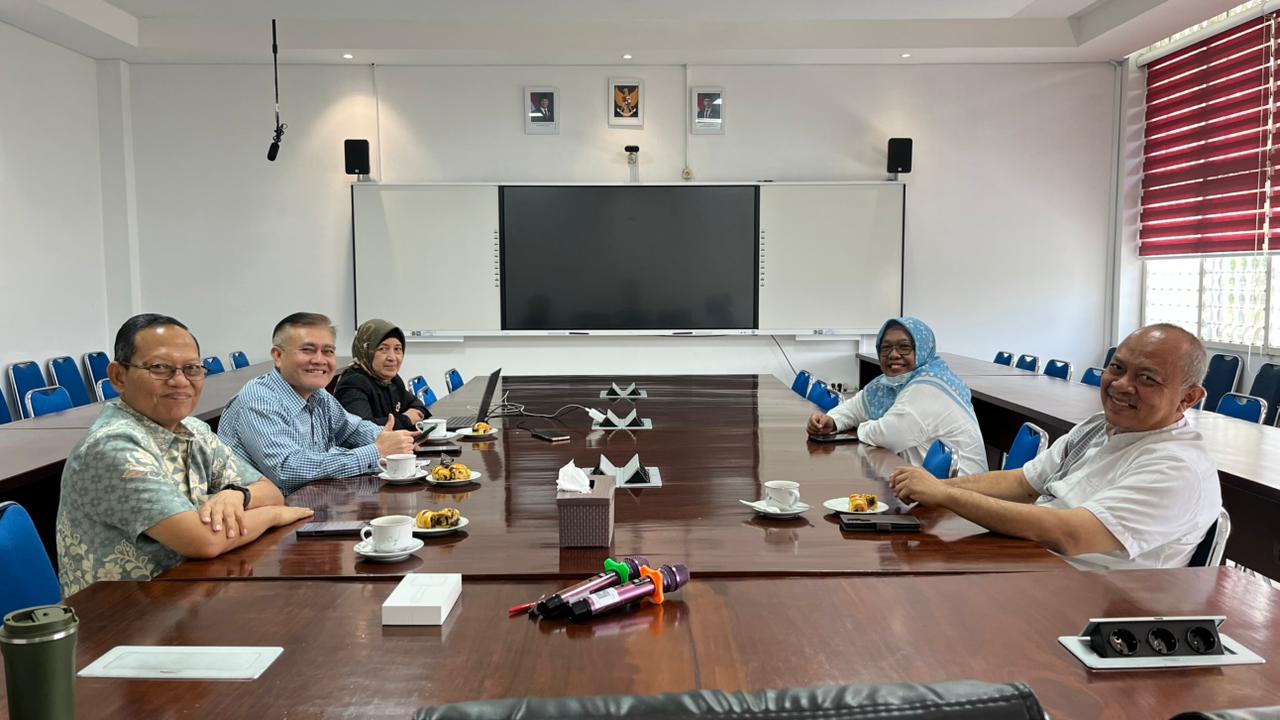
USU also supported policy discussions on social protection and regional livelihoods. On 10 June, the Faculty of Social and Political Sciences hosted a parliamentary discussion on prison overcrowding, including rehabilitation and reintegration measures. On 18 July, the Faculty of Agriculture and LATERAL brought farmers, livestock agencies and legislators together over the decline of dairy buffalo farming in North Sumatra. The forum identified breeding, processing and certification priorities for consideration by decision-makers.
USU Works with Policymakers on Food Security, Finance and Forestry
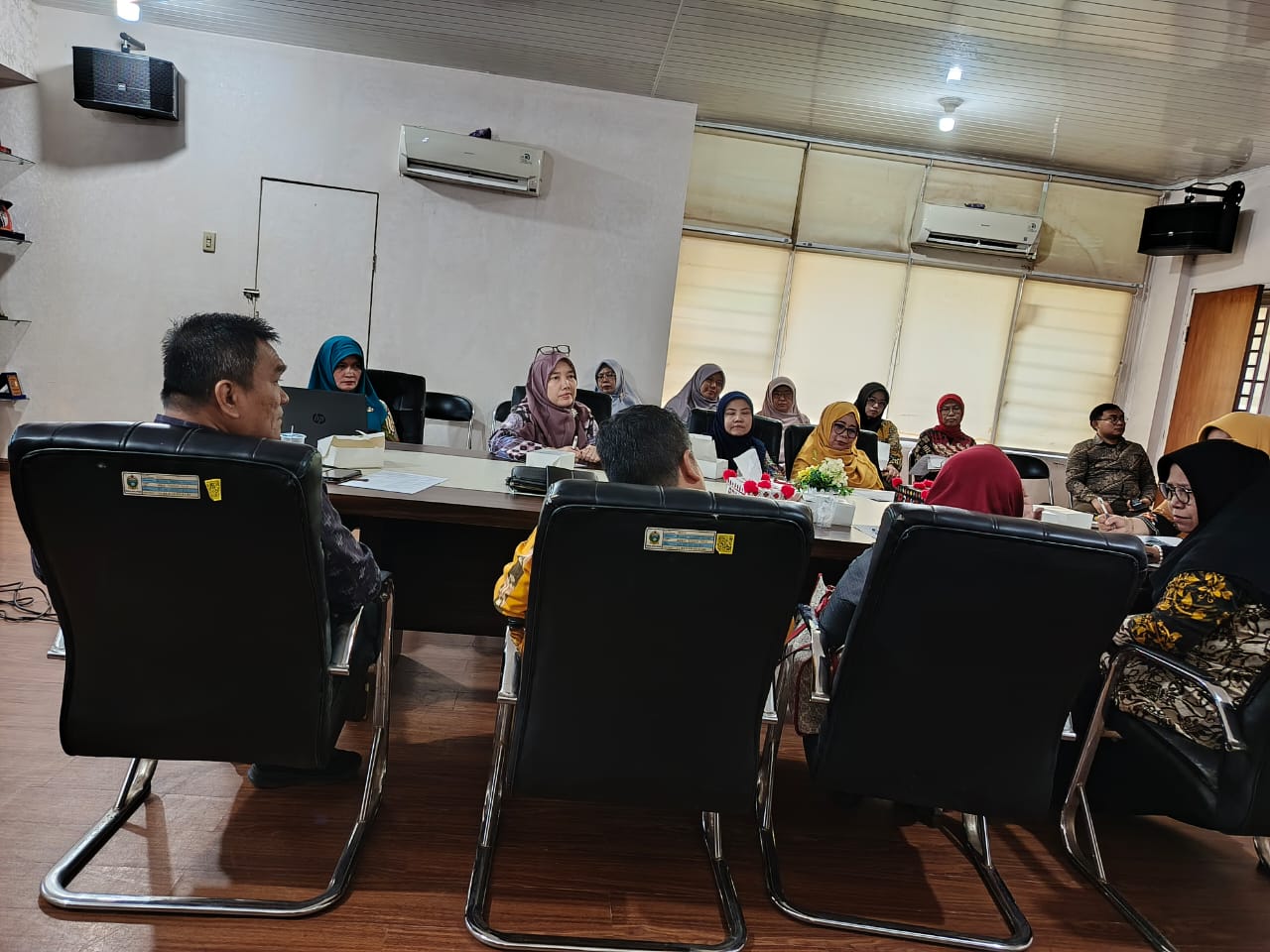
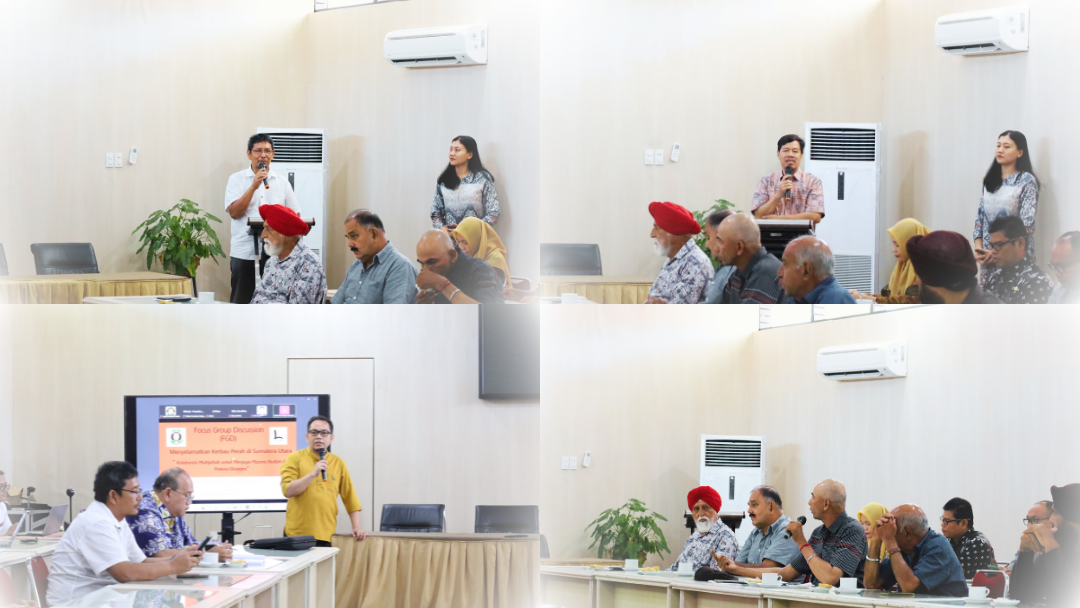
In the policy-development stage, Faculty of Agriculture Dean Prof. Tavi Supriana spoke to regional legal drafters on 20 May about using scientific evidence in food-security regulations. On 6 March, the Faculty of Economics and Business and the Indonesia Deposit Insurance Corporation (LPS) convened a research forum attended by about 250 lecturers and students from 23 universities, opening discussion on financial-sector policy. A 22 December meeting with the Indonesian Forest Entrepreneurs Association (APHI) examined more sustainable forestry models and non-timber economic opportunities.

Monitoring National Policies and Improving Public Services
Institutional review and monitoring formed another part of the university’s engagement. On 23 April, maritime-security agency Bakamla sought input from USU law specialists for an evaluation of three years of national maritime security policy. In July, the Faculty of Public Health signed agreements with five health offices in North Sumatra and Aceh under an ongoing Ministry of Health governance-mentoring programme. On 5 December, Medan’s environmental agency placed air-quality monitoring equipment with USU’s Environmental Engineering programme to strengthen the city’s monitoring capacity.
Adapting Public Programmes to Local and Emergency Needs
The collaborations also reached communities facing immediate needs. During the December floods, a Faculty of Medicine team coordinated with government and health partners in Tapanuli Tengah, identifying Tukka and Hutanabolon as priority areas for emergency health assistance. Separately, USU aligned community service with North Sumatra’s Kelapa Muda programme for women and children, and worked with the Karo Land Agency and Yayasan Bitra Indonesia on agrarian reform and farmer empowerment.
