


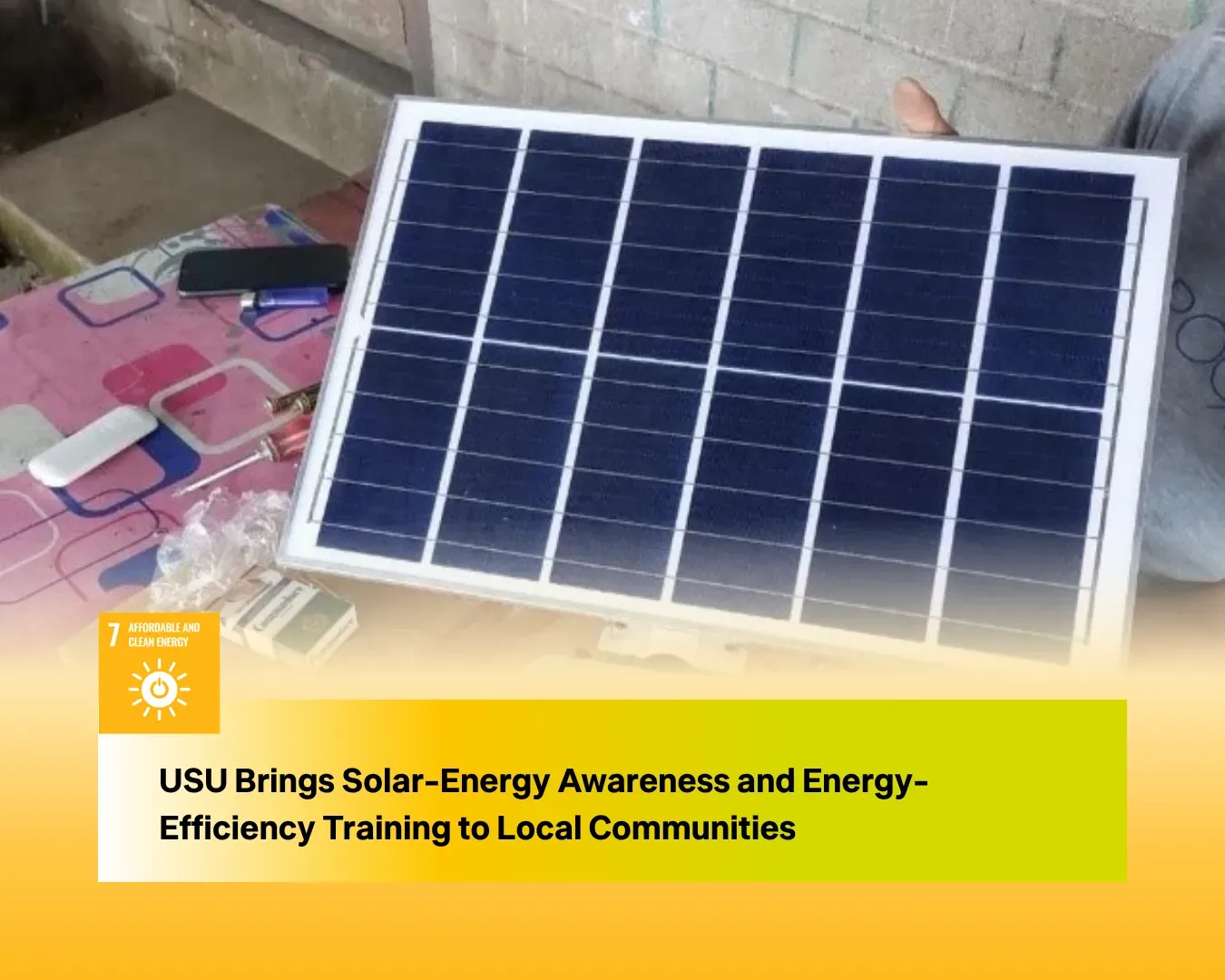
Medan, Indonesia. Universitas Sumatera Utara provided local communities with opportunities to learn about renewable energy and energy-efficient technology through community service activities documented in 2025. Solar-energy outreach, technical training for a local enterprise and engagement around village renewable-energy systems connected academic expertise with practical community needs.
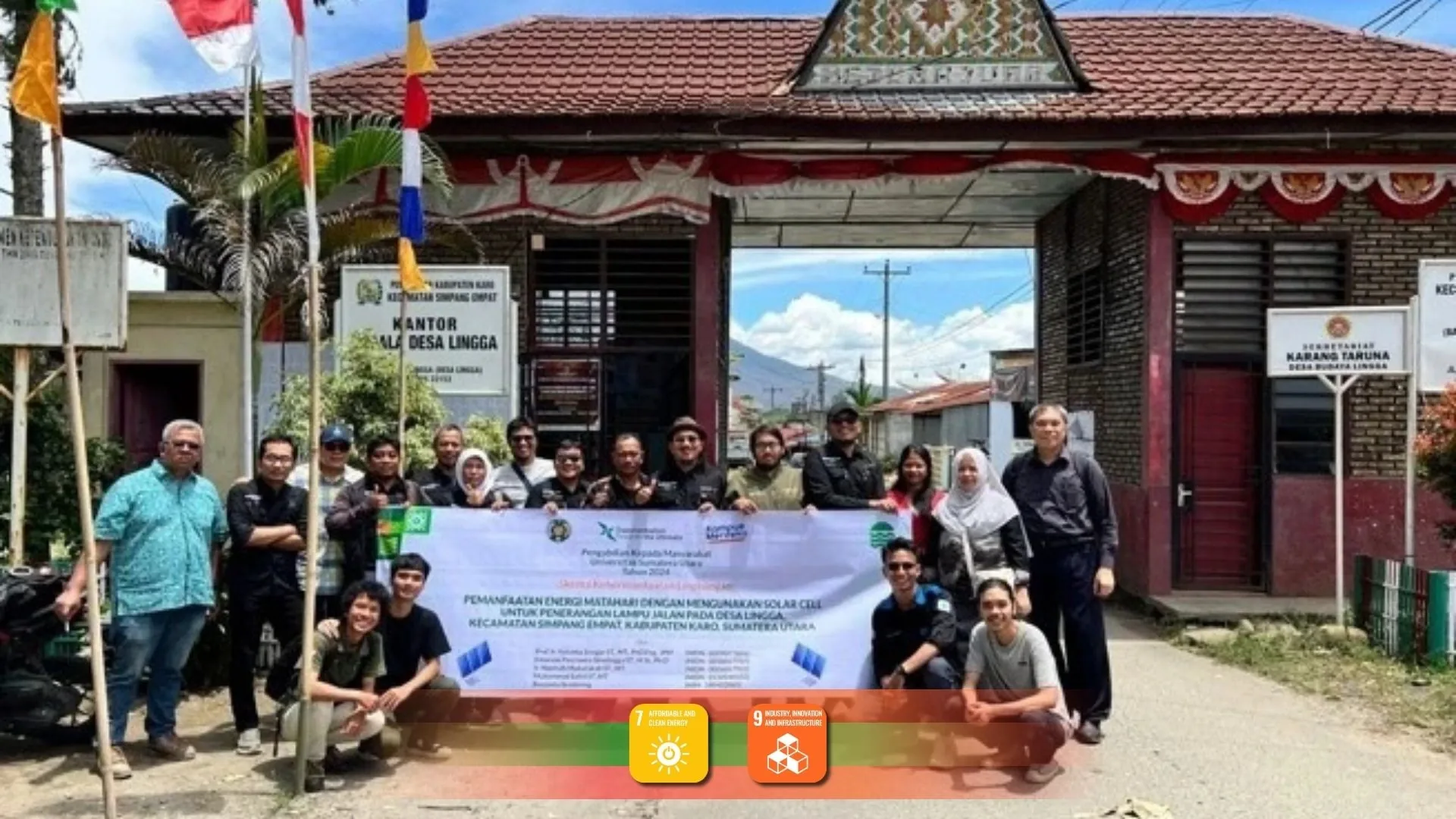
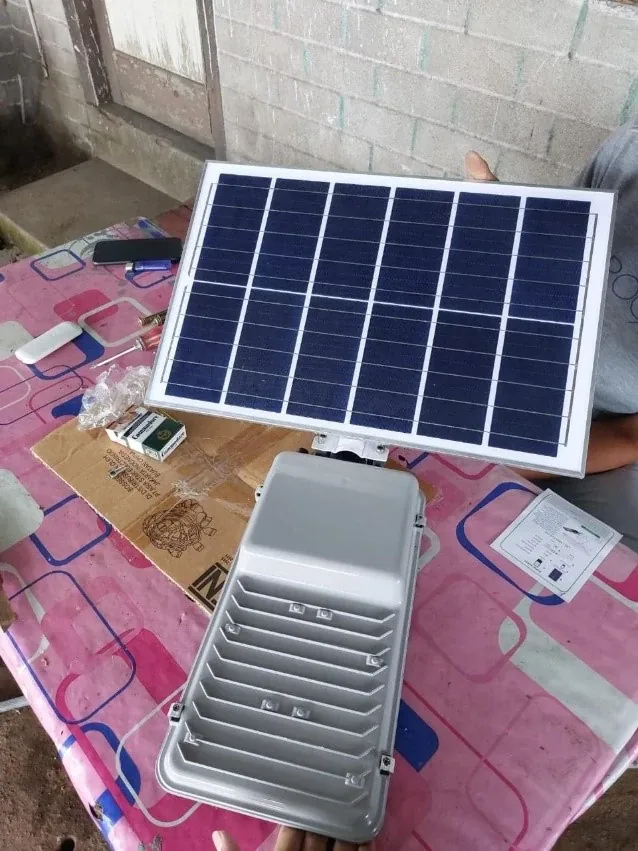
In Pasar Rawa Village, Langkat Regency, an outreach activity introduced solar cells for residential lighting. The Faculty of Engineering’s 2025 community-service record for Prof. Ilmi identifies his participation in the programme alongside other team members. Its focus on household lighting brought renewable-energy applications into a familiar setting for residents and provides a documented example of local clean-energy awareness activity.
More detailed evidence of practical learning comes from ECO-WAVE MAG, a Faculty of Engineering programme supporting BSF Ratna, a black soldier fly farming enterprise in Medan. A project report published in November 2025 records activities from May to November, including consultation with the partner, equipment development, testing, technical training and operational assistance.
Participants received instruction in operating a microwave dryer, monitoring product moisture, applying energy-efficiency techniques and carrying out basic maintenance. Follow-up assistance was intended to help the partner operate the equipment independently. This made training an integral part of technology transfer.
For a small enterprise, access to equipment matters alongside skills in operating and maintaining it. The record describes supervised use and follow-up assistance rather than a one-off handover, making this a practical example of education linked to energy-conscious technology.
The Faculty of Engineering’s report of 14 June 2025 describes drying times of 3 to 4 hours, compared with 12 to 24 hours using conventional methods. The result illustrates improved processing speed. It should be distinguished from a quantified reduction in electricity consumption, which requires comparable energy-use measurements.
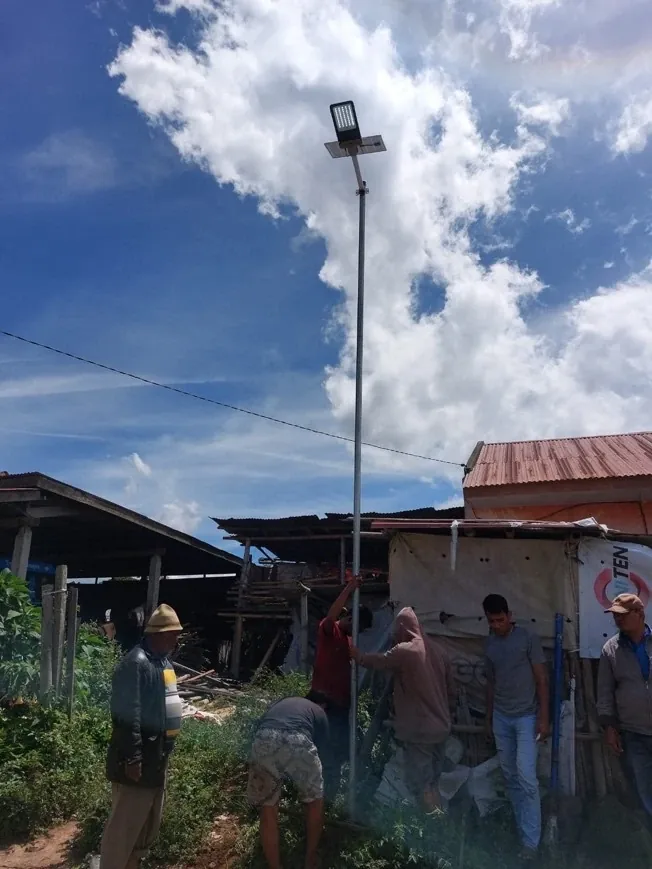
Renewable-energy engagement also extended to Meat Village, Toba Regency. An official report published on 25 April 2025 records a university meeting with the Toba Regency Government the previous day. Dr. Tulus Ikhsan Nasution presented community-service outputs developed with Inalum, including a 2,750-watt hydropower system, a solar-powered information house and an automatic composting machine within the Zero Carbon Village initiative.
The delegation subsequently visited Meat Village, inspected community-service outputs and interacted with village youth. These activities placed renewable-energy technologies within a broader programme of village development and community engagement. The report documents this interaction without specifying a formal energy-training curriculum or participant total.
These programmes demonstrate complementary forms of community learning, from awareness of household solar applications to guided operation of processing equipment. They support SDG 7 by helping local residents and enterprises understand renewable-energy options and develop practical skills relevant to energy efficiency and sustainable livelihoods.