


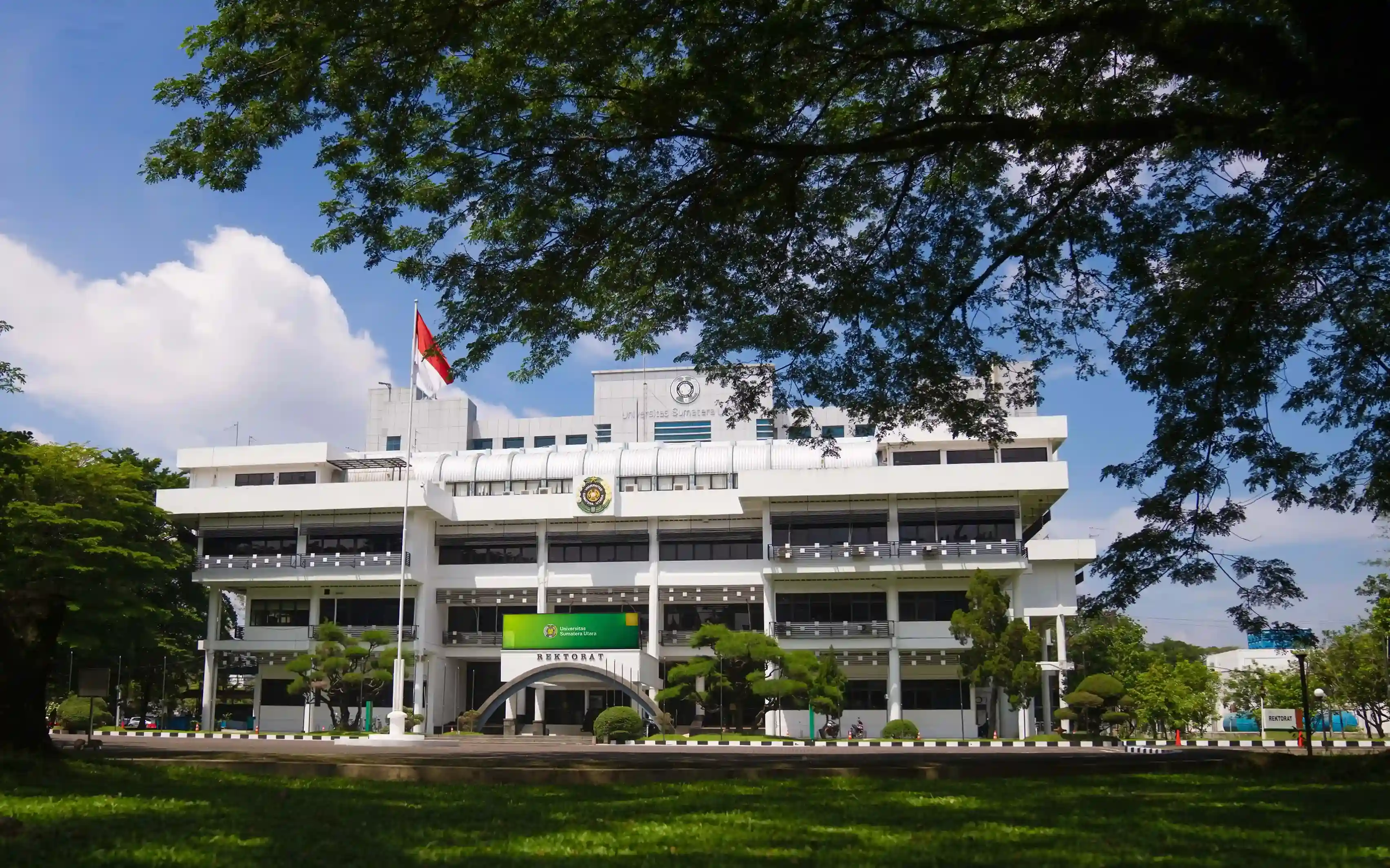
MEDAN, Indonesia — Universitas Sumatera Utara (USU) worked with universities, hospitals and community organisations in 2025 to compare approaches to sustainable development and put selected lessons into practice. Activities across Japan, Singapore, Malaysia, Thailand and Hong Kong covered legal regulation, infection control, environmental education, migrant-worker protection and social inclusion.

International Legal Research Informs Policy Learning
From 21 to 23 May 2025, the USU Faculty of Law joined Kyushu University and the National University of Singapore in an international competition-law symposium in Fukuoka. Around 150 researchers, legal practitioners and regulators discussed competition and artificial intelligence across Asian and other legal systems. Ten USU authors participated, and USU and Kyushu University extended their cooperation agreement. The discussions provided comparative perspectives for future legal research and policy debate.
A separate three-country homestay tourism study examined legal requirements and local economic outcomes in Indonesia, Malaysia and Thailand. During fieldwork on 25–28 August, the team reviewed Thai and ASEAN standards and visited community-based tourism initiatives in Satun and Songkhla. USU and Universiti Teknologi MARA (UiTM) Penang signed a preliminary agreement to continue the research.

International Hospital Partnerships Support Clinical Training
The Faculty of Pharmacy visited the University of Cyberjaya and Hospital Canselor Tuanku Muhriz in Malaysia on 1–4 July to discuss joint research and teaching-hospital practice. On 25 September, the institutions collaborated in Medan on antimicrobial stewardship training for doctors, pharmacists and nurses from three hospitals. The programme used clinical case discussions and practical training to strengthen professional capacity in managing antibiotic use and antimicrobial resistance.

USU also contributed research to the first Regional Lung Health and Tuberculosis Conference in Kota Bharu, Malaysia, on 29–30 June. A USU academic delivered a keynote address, staff helped moderate sessions and seven doctoral students presented studies, enabling exchange between Indonesian tuberculosis evidence and Malaysian public-health practice.
Two-Country Education and Community Protection
On 10 July, USU and Universiti Malaysia Terengganu began joint geopark education in Toba. The first session involved 20 schoolchildren and ten teachers in Sibisa, alongside four lecturers and 31 UMT students online. Participants learned about environmental protection, waste, forests and local practices. A corresponding Malaysian session was planned, and is not counted here as a completed activity.

International community outreach also addressed migrant workers. In Penang on 16 April, USU Law lecturers joined legal counselling on safe migration and worker protection with Indonesian diplomatic and community partners. In Hong Kong on 15–17 June, a multidisciplinary FISIP team worked with migrant-worker organisations on psychological resilience, gender and legal awareness for Indonesian women workers.

USU extended this comparative approach through an international course on disadvantaged communities held on 8–15 December. Fifty participants from more than ten countries studied social welfare, homelessness and harm-reduction responses, and undertook field learning on village development and community-based tourism near Lake Toba.
Long-Term Research and Education Partnerships
The university and UiTM Malaysia held a joint conference on sustainable business and digitalisation on 10 May, with an agreement to co-organise the event over five years. In October, USU Management academics collaborated with Osaka University on halal tourism and food education, followed by an implementation agreement for continued cooperation.

Together, these activities show USU reviewing international approaches and building practical channels for their application in teaching, research, clinical training and outreach. They support SDG 17 through shared expertise and institutional partnerships, with substantive links to health, education, decent work, inequality, sustainable communities and strong institutions.