


Medan, Indonesia. Universitas Sumatera Utara contributed academic expertise to government engagement on energy transition and sustainable development in 2025. Its activities included regional planning consultancy, presentation of renewable-energy applications to local officials and dialogue with national institutions, connecting research and practical experience with public-sector discussions.
The Faculty of Engineering’s 2025 activity record identifies consultancy work to design regional low-carbon development and a climate-resilience action plan for North Sumatra. The team included Zaid Perdana Nasution, Hafizhul Khair, Isra Suryati and Meidina Zulfa Hanie. This record documents university academics’ involvement in an external planning assignment.
A report published on 13 March 2025 describes a related planning forum held on 11 March by the university and North Sumatra’s planning agency, Bappelitbang. The discussion supported preparation of the Regional Low-Carbon and Climate-Resilient Development Plan, known as RPRKBID, with participation from Bappenas, provincial agencies, academics and other stakeholders. Energy was among the sectors considered. The report records discussion of priorities and work plans, with integration into provincial medium-term development planning identified as an intended outcome.
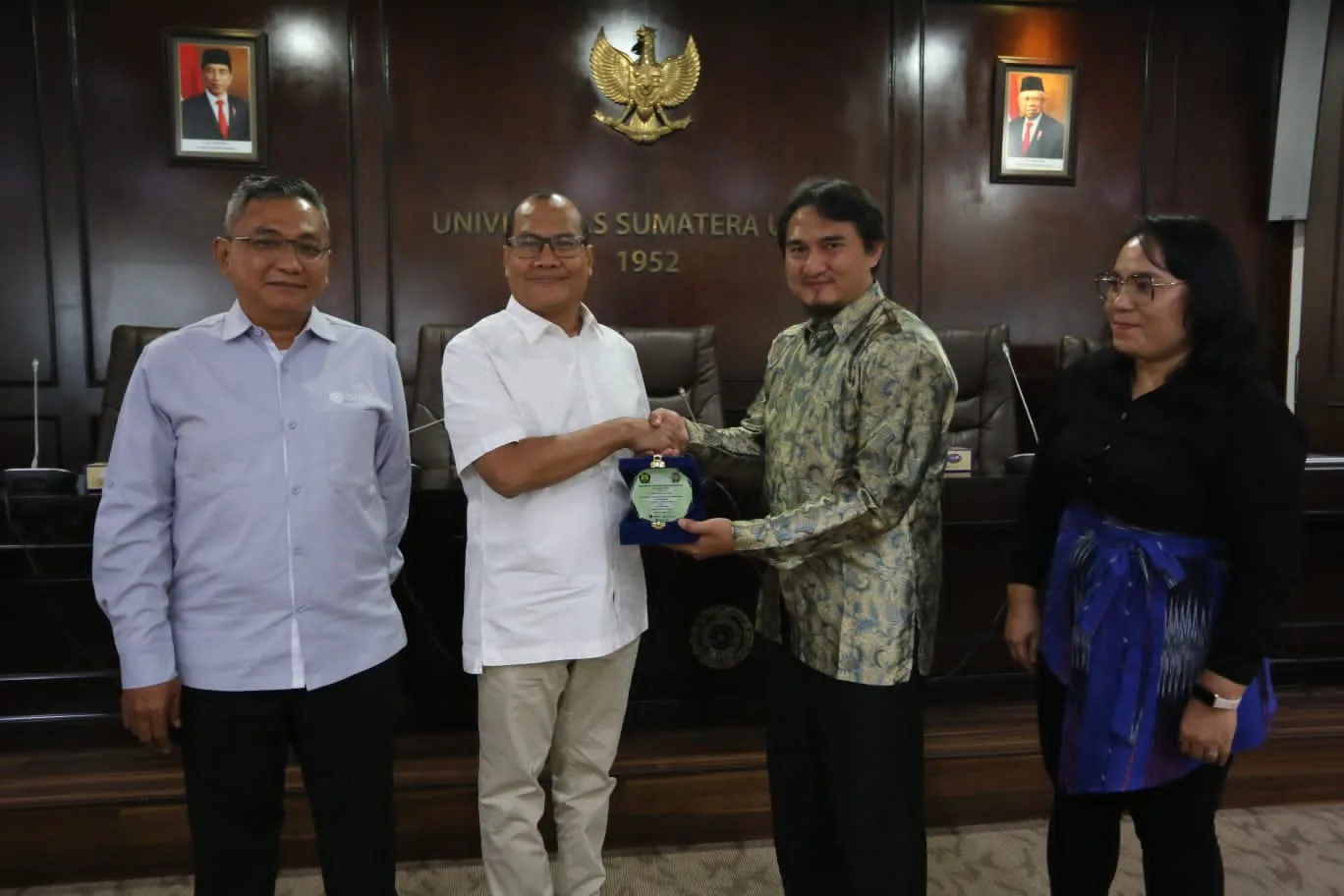
Direct technical information was also shared with the Government of Toba Regency on 24 April 2025. During a meeting in Balige, Dr. Tulus Ikhsan Nasution presented results of the university’s community programme with Inalum in Meat Village. These included a 2,750-watt hydropower system and a solar-powered information house. He also discussed local renewable-energy potential.
The presentation gave local officials practical examples for discussions on research and future collaboration. University representatives subsequently reviewed the village outputs. The record confirms knowledge sharing in 2025, not the commissioning dates of the installations.
At national level, Universitas Sumatera Utara hosted MPR RI Goes to Campus on 16 June 2025, addressing the urgency of energy transition in responding to climate change. Rector Prof. Dr. Muryanto Amin, S.Sos., M.Si., encouraged constructive input on renewable-energy policy. MPR RI Vice Chairman Dr. Eddy Soeparno discussed technological, financing and geographical barriers to renewable-energy development. The forum connected academic voices with a national institution.
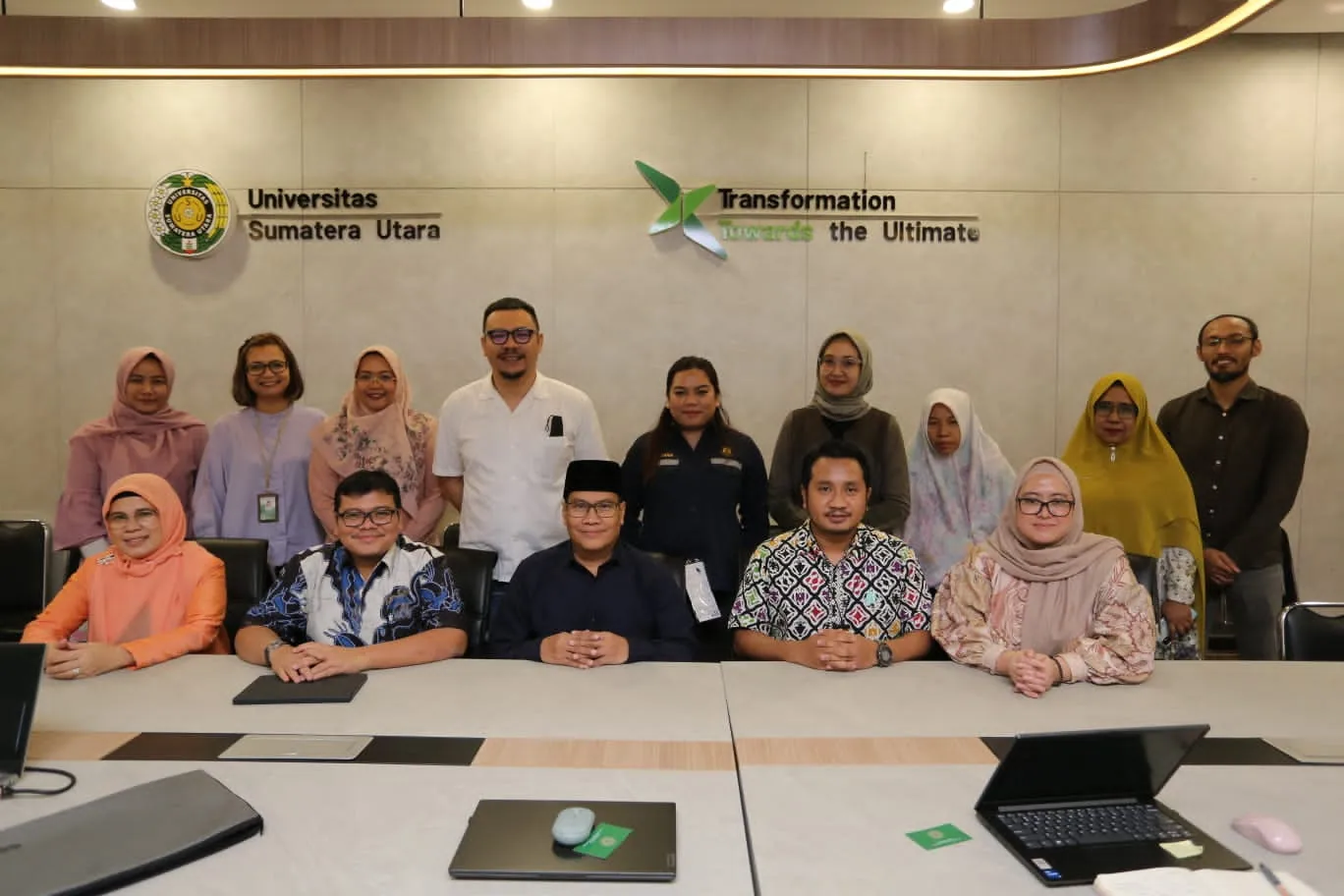
A complementary public lecture with BRIN on 24 February 2025 addressed energy transition and climate-change mitigation. BRIN researcher Prof. Yohannes Sardjono discussed renewable energy and nuclear technologies, including small modular reactors. This activity supported knowledge exchange with a government research institution; the published account does not document a university policy recommendation submitted to BRIN.
These activities demonstrate contributions to regional planning and the sharing of clean-energy information with government stakeholders. They support SDG 7 through policy dialogue and practical renewable-energy knowledge, while maintaining a clear distinction between documented academic contributions and subsequent government policy decisions.