


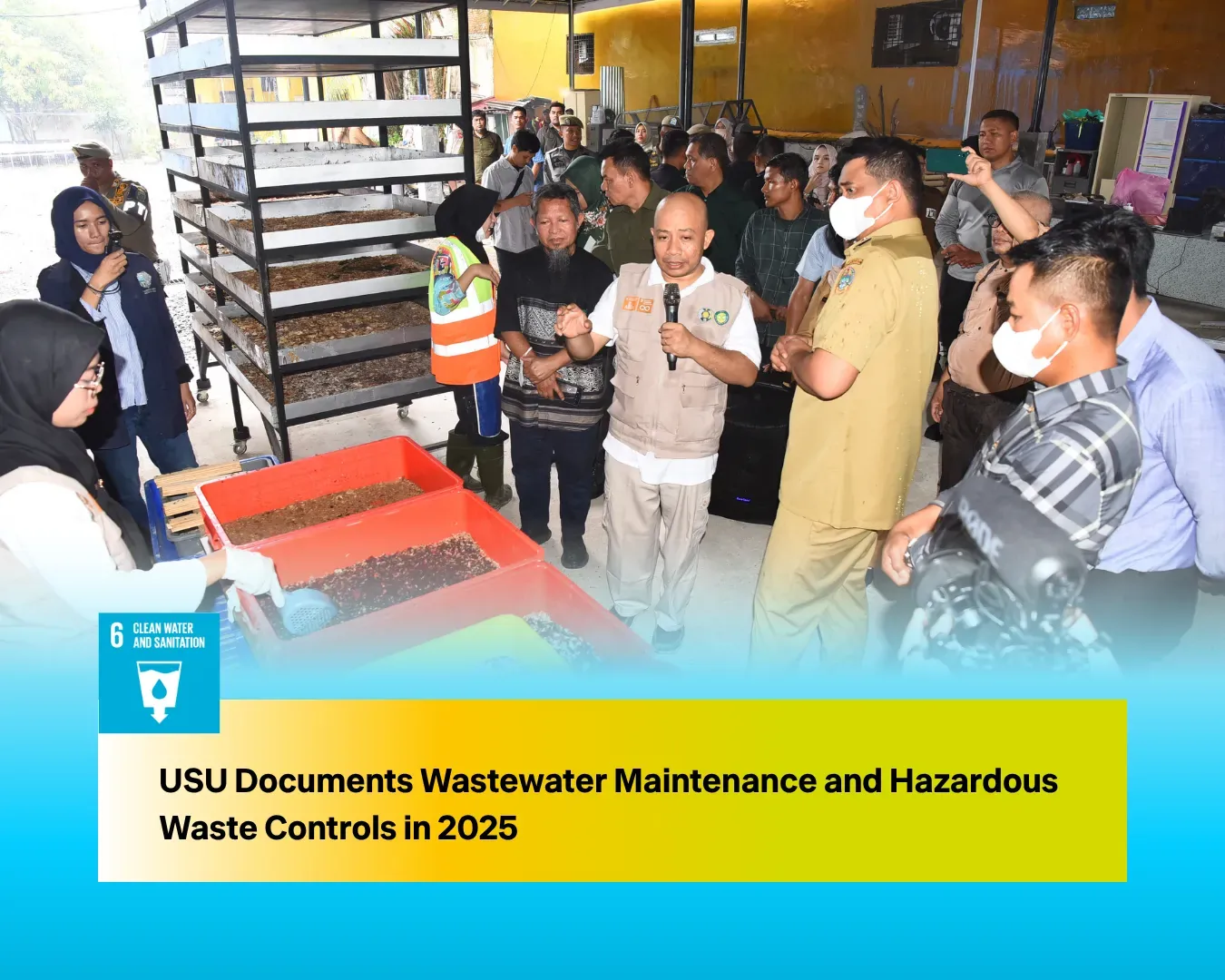
MEDAN, Indonesia — Universitas Sumatera Utara (USU) implements institutional procedures to prevent water pollution from routine campus operations and accidental incidents through its Campus Security, Safety and Health Management (K4) guidelines. Established under Rector's Decree No. 3132/UN5.1.R/SK/KPM/2024, the framework addresses chemical spill prevention and response, laboratory wastewater management, hazardous waste handling, and environmental protection. These safeguards are supported by wastewater treatment facilities, water quality monitoring, and specialized waste-management arrangements across USU's academic, healthcare, and laboratory operations.
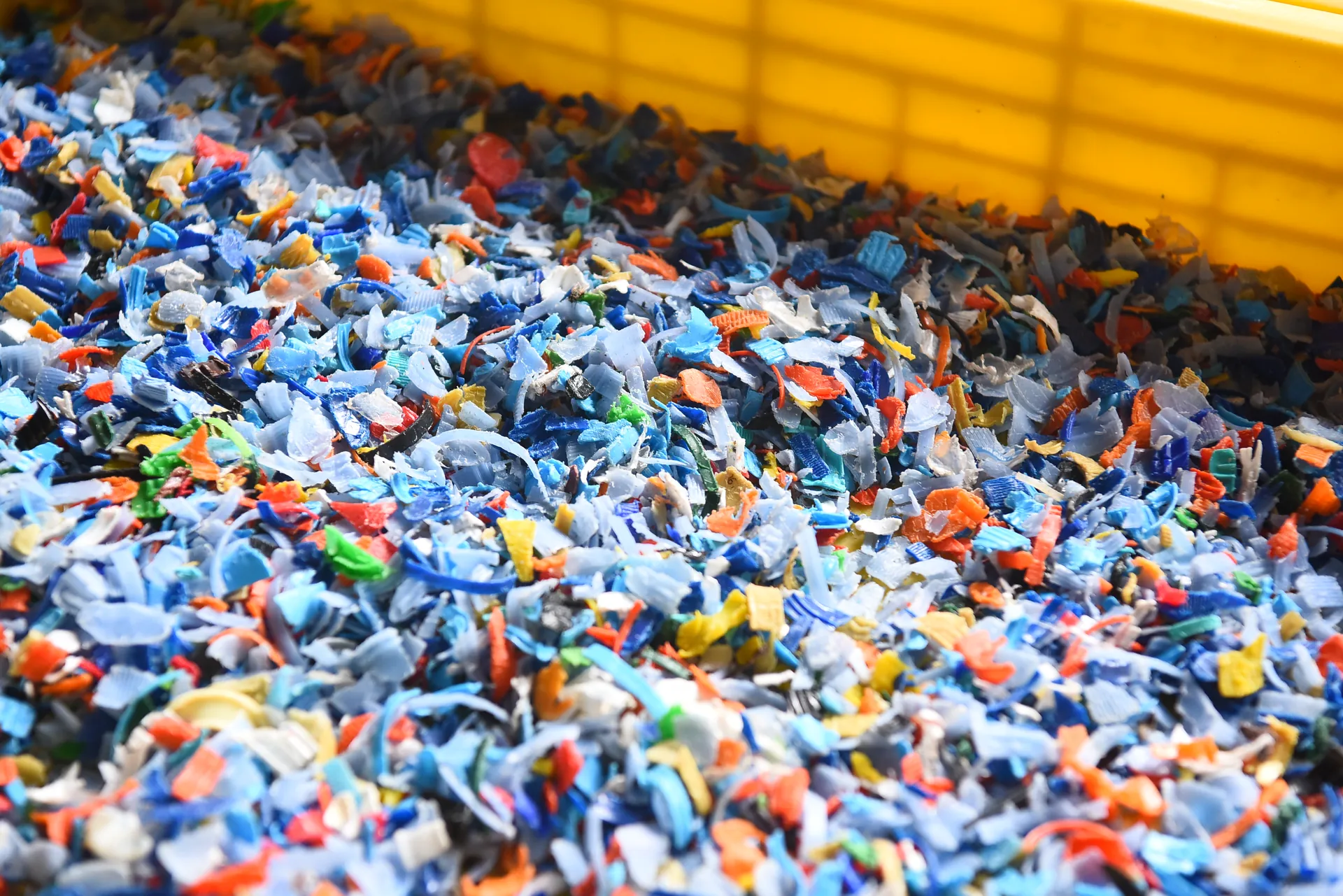
USU's institutional approach integrates preventive measures, operational controls, and environmental management to reduce the risk of water pollution. Chemical handling procedures, wastewater treatment infrastructure, and hazardous waste segregation work together to safeguard campus drainage systems, surface water, and groundwater from potential contamination.
Wastewater Treatment Systems Across USU Facilities
USU’s 2025 Green Campus and UI GreenMetric Report documents wastewater treatment installations at the Digital Learning Center, USU Hospital, the Dental and Oral Hospital, the Department of Environmental Engineering, and the Faculty of Pharmacy. The facilities serve different wastewater streams arising from building operations, healthcare services and laboratory activities.
At the Digital Learning Center, domestic wastewater undergoes physical and chemical treatment through sand and carbon filtration and ultraviolet treatment, alongside anaerobic and aerobic biological processes using a membrane bioreactor. At USU Hospital, the documented aeration-based wastewater treatment plant has a design capacity of 150 m³ per day, supported by operational procedures that include collection, equalisation, aeration, sedimentation and sludge handling. Other systems include Bio-Bless treatment at the Dental and Oral Hospital, a five-chamber Johkasou unit in Environmental Engineering and a dedicated laboratory wastewater facility at the Faculty of Pharmacy.
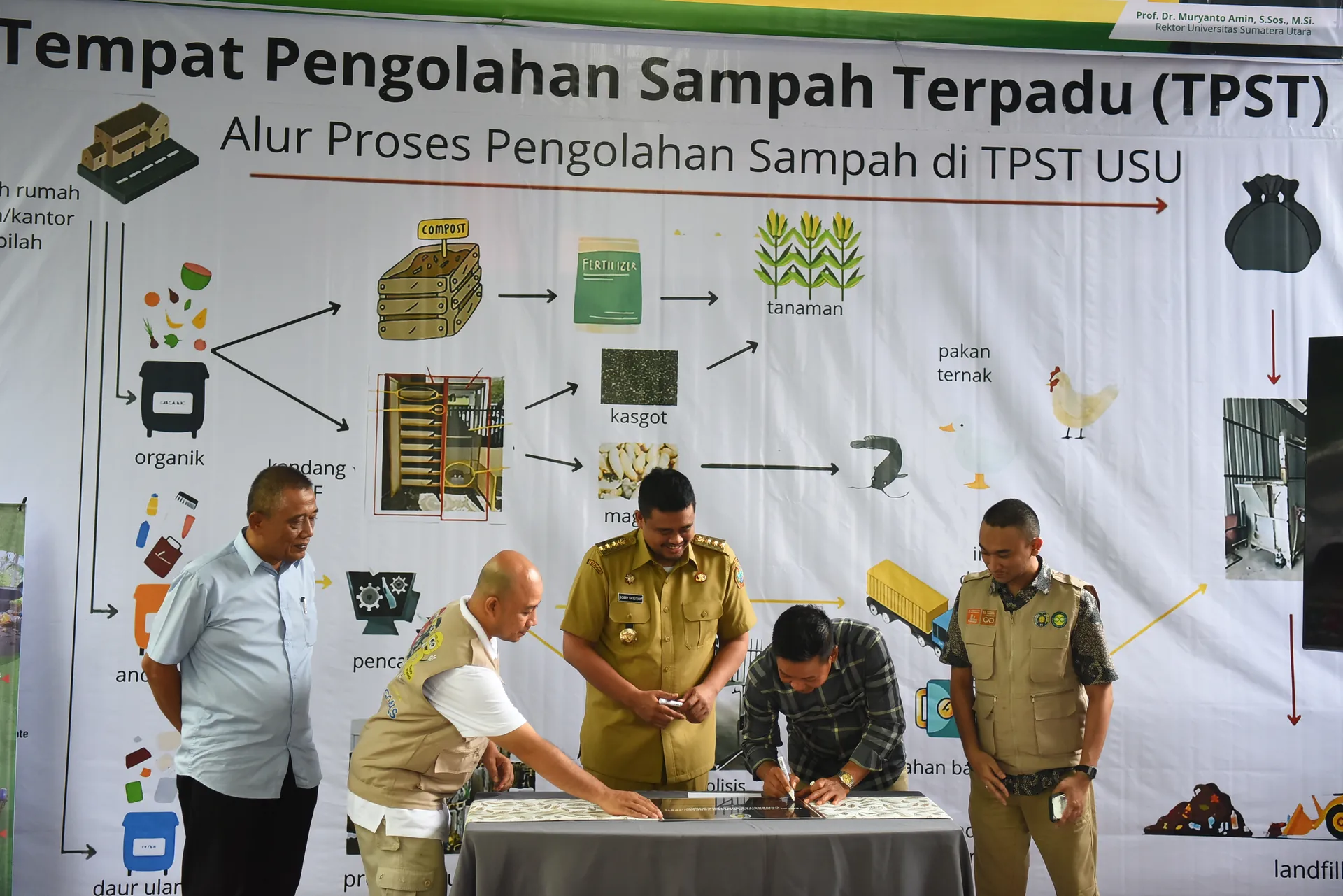
Monitoring Treated Water Before Environmental Discharge
The 2025 UI GreenMetric report also records wastewater quality monitoring at USU Hospital in October 2025. According to the report, third-party testing covered indicators including pH, biochemical oxygen demand (BOD), chemical oxygen demand (COD), total suspended solids (TSS), oil and grease, ammonia and total coliforms. The report states that the monitored hospital wastewater met the referenced discharge standards.
These treatment and monitoring measures provide an operational basis for reducing the risk of pollutants entering nearby water bodies from routine university activities.
Hazardous Waste Segregation and Incident Preparedness
USU’s Green Campus and UI GreenMetric Report describes the management of hazardous waste generated by laboratories and healthcare operations, including temporary storage and removal through a specialist waste-management provider. Separating these waste streams from ordinary drainage is an important preventive measure against the accidental release of potentially harmful substances.
The K4 guidelines also establish procedures for laboratory waste segregation and containment. Liquid laboratory waste is collected separately for appropriate treatment, while hazardous materials are stored in designated, clearly labelled containers. Periodic inspections of chemical storage areas help identify leaks and spills, and laboratory heads are responsible for supervising proper waste disposal. These controls support the prevention of accidental releases into drainage systems, surface water, and groundwater.
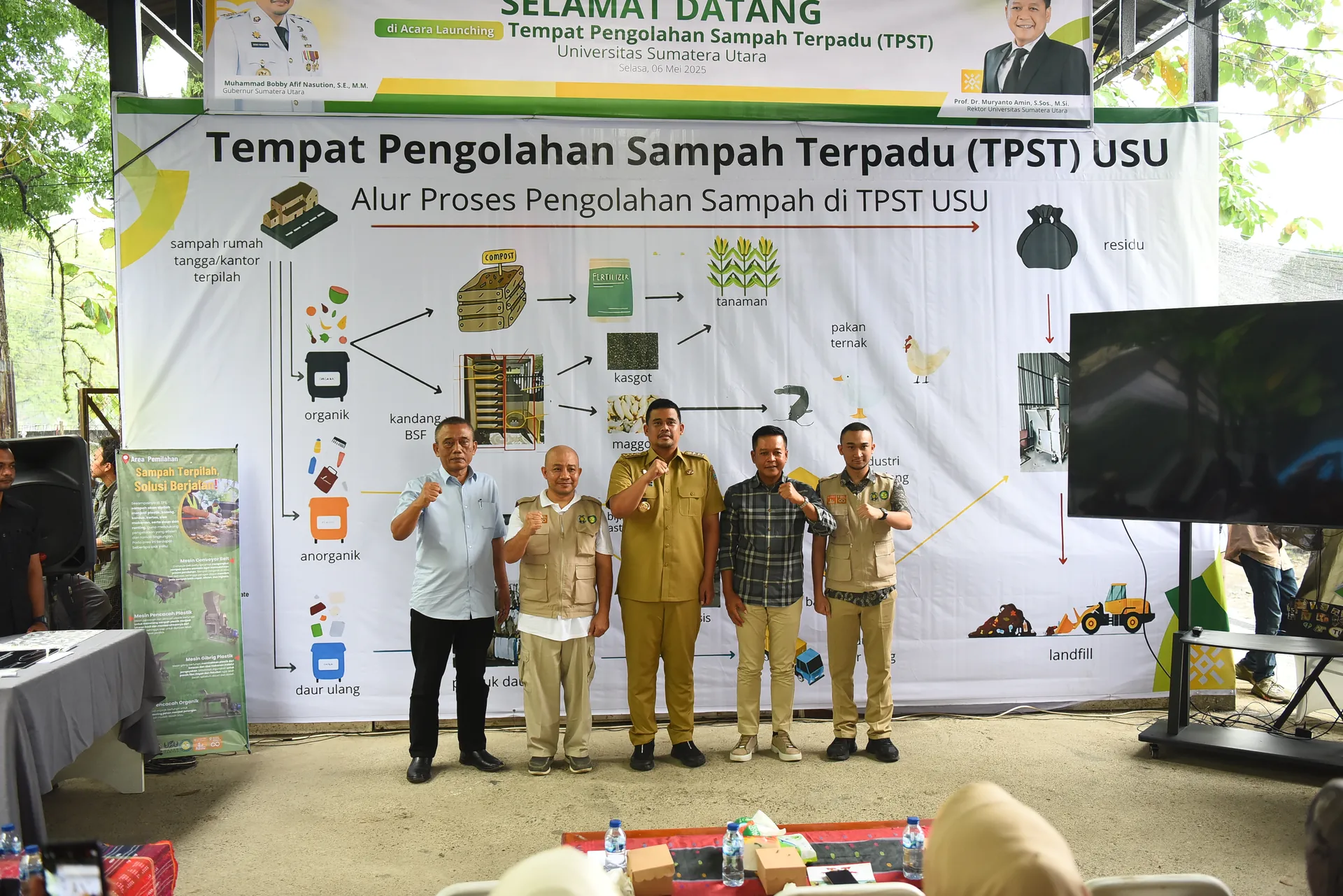
University-Wide Safety Policy for Preventing Accidental Pollution
USU's campus-wide safety framework is established through Rector's Decree No. 3132/UN5.1.R/SK/KPM/2024, on Campus Security, Safety and Health Management (K4). The guidelines address risks from chemical handling, accidental spills and laboratory waste disposal, providing institutional procedures in effect before the 2025 reporting year.
Under the guidelines, spilled materials must be cleaned up promptly using spill-response equipment placed in laboratories. Materials used for cleanup must then be disposed of in accordance with waste management guidance. The policy also provides preventive measures including clear chemical labelling, appropriate storage, separation of incompatible substances and precautions when moving chemicals. Chemical exposure incidents must be reported to the laboratory head, supervisor or principal investigator.
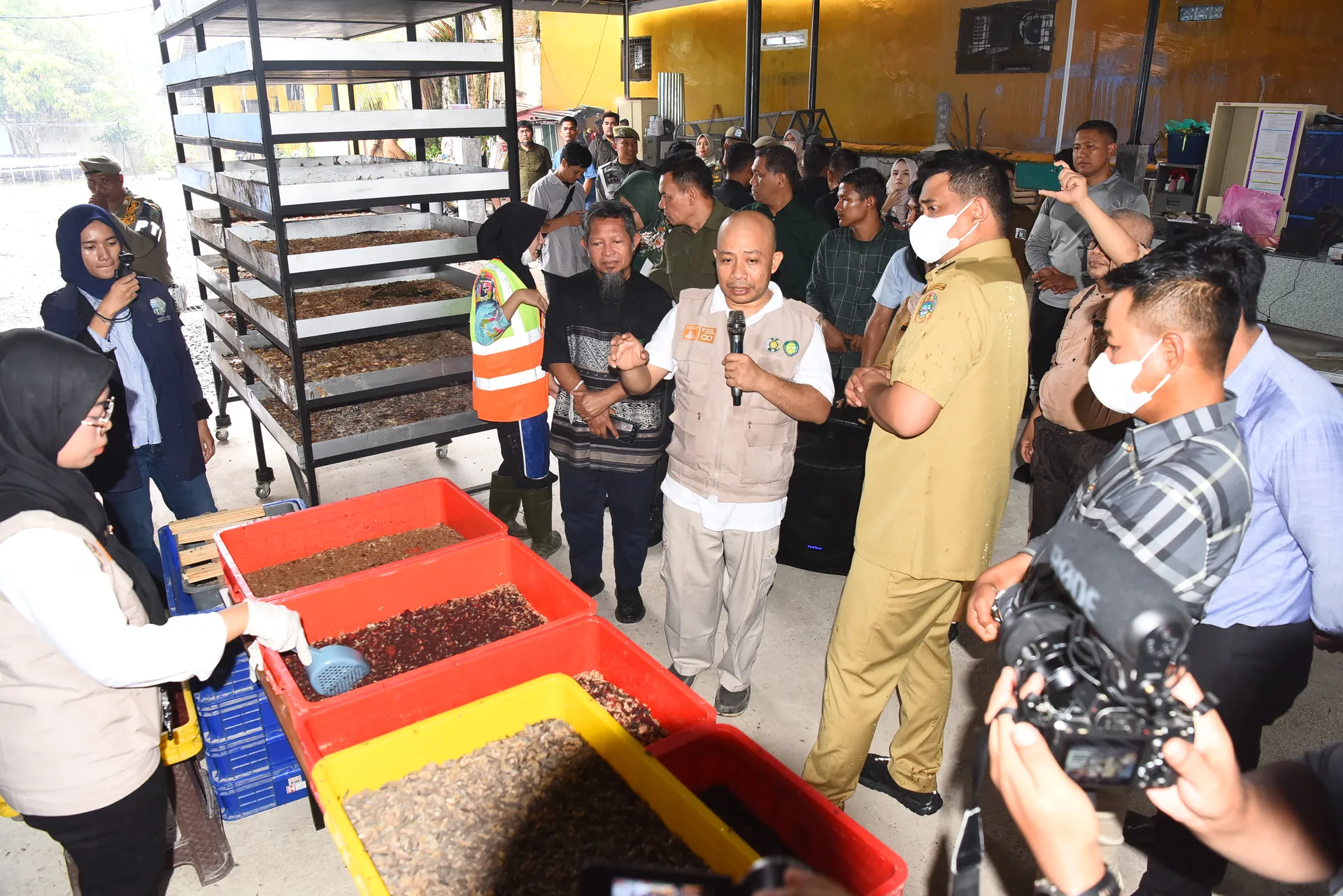
Through university-wide K4 guidelines, established wastewater treatment systems, chemical spill-response procedures, hazardous waste controls, and environmental quality monitoring, Universitas Sumatera Utara implements an institutional framework to prevent pollutants from entering surface water, groundwater, and surrounding water systems. These measures address both routine wastewater management and accidental releases associated with chemical handling and laboratory activities. By integrating preventive procedures with operational infrastructure and environmental monitoring, USU advances responsible water management and contributes to SDG Target 6.3 on water quality protection and pollution reduction.