


MEDAN, Indonesia — When a group of Universitas Sumatera Utara (USU) students visited SMA Swasta Sutomo 1 Medan on 27 October 2025, the subject was not simply how to choose a university major. It was why certain choices can feel unavailable before an application is even submitted. The message to final-year pupils was that interests and capabilities, rather than gender stereotypes, should guide decisions about future study.
The visit was organised by 20 students in the university's MKWK Gender Equality 5 project group. Juan Carlos Tarigan led the team, accompanied by lecturer facilitator Asima Yanty Sylvania Siahaan and mentor Nafisatur Rahimah. Their session introduced the idea of gender-neutral subject selection and invited pupils to examine assumptions about who 'belongs' in particular disciplines.
The discussion brought familiar examples into the open. Engineering is sometimes characterised as a male field, while disciplines such as pharmacy may be stereotyped in the opposite direction. School principal Khoe Tjok Tjin welcomed the outreach and emphasised that girls should be free to pursue engineering and boys should be free to consider fields more often associated with women. The principle was about opening choices, not directing students toward one subject or another.
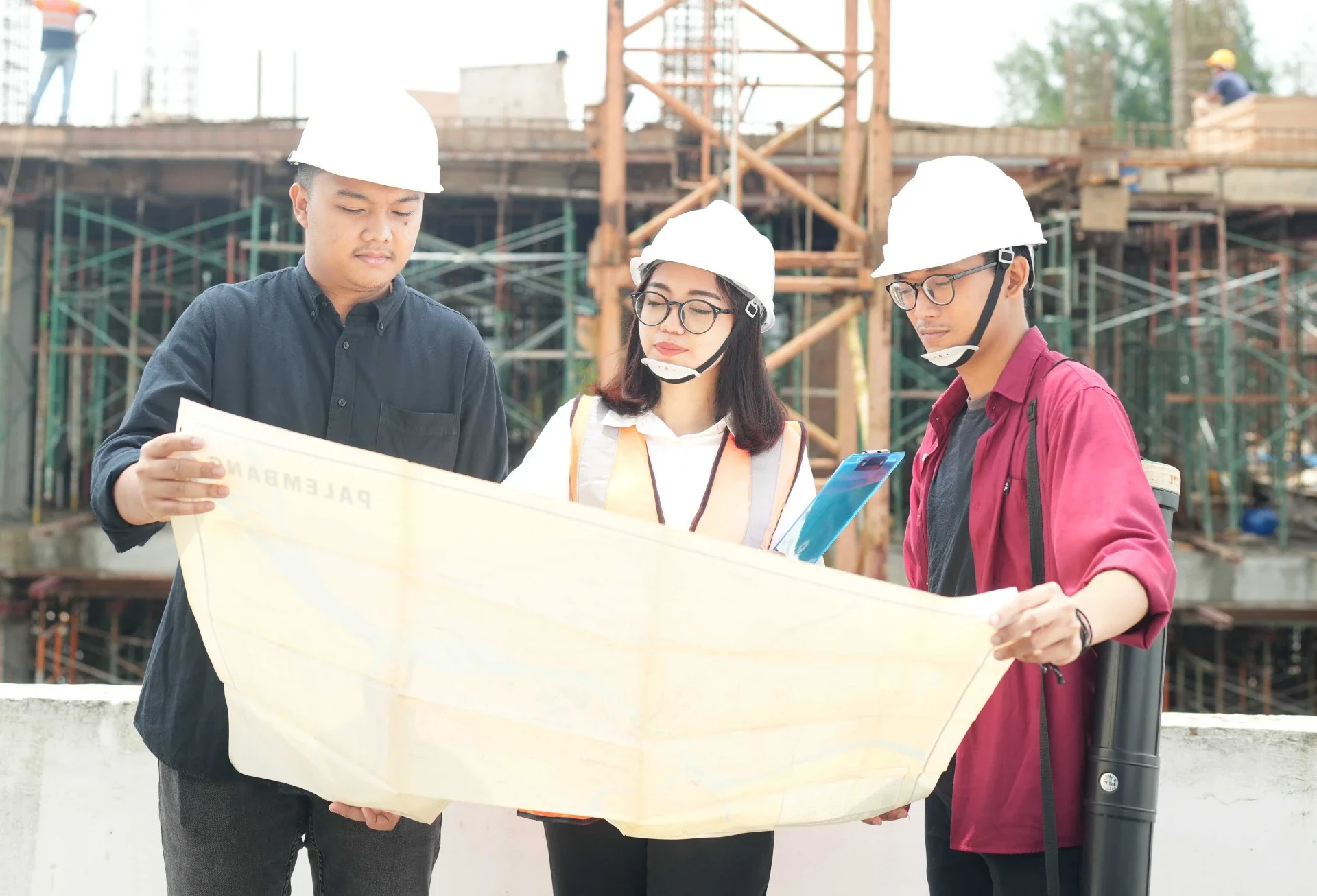
The visit ended with an interactive question-and-answer session, giving pupils an opportunity to discuss prospective courses, careers and the social expectations that sometimes influence their decisions.
Where Women Remain Underrepresented
USU’s new-student records for 2025 show why conversations about academic choice matter. Women accounted for just one of the 138 entrants in Mechanical Engineering (0.72%), compared with 24 of 122 in Electrical Engineering (19.67%). They represented 42 of 138 new students in Computer Science (30.43%), 48 of 144 in Civil Engineering (33.33%) and 64 of 154 in Industrial Engineering (41.56%). The differences underline how pathways into engineering and computing continue to vary between programmes.
| Undergraduate programme | Women | Men | Women (%) |
|---|---|---|---|
| Mechanical Engineering | 1 | 137 | 0.72 |
| Electrical Engineering | 24 | 98 | 19.67 |
| Computer Science | 42 | 96 | 30.43 |
| Agricultural Engineering and Biosystems | 28 | 65 | 30.11 |
| Civil Engineering | 48 | 96 | 33.33 |
| Industrial Engineering | 64 | 90 | 41.56 |
| Information Technology | 58 | 75 | 43.61 |
Figure 1. Share of women among new undergraduate students in selected programmes, 2025. Source: USU 2025 new-student records.

A Wider Conversation About Study Choices
USU’s reporting on the 2024 intake also drew attention to women’s participation in STEM-related disciplines, including Engineering, Agriculture and Computer Science. The published 2024 account did not provide programme-level figures by sex comparable with the 2025 enrolment records, so a year-on-year increase for any particular programme cannot yet be established from the available published information.
There was also a newly formalised institutional context. Rector's Regulation No. 21 of 2025, requires fairness in USU undergraduate education without distinctions based on sex. Selection still considers applicants' abilities, achievements and the requirements of individual programmes, but gender itself is not a permitted exclusion. The rule is relevant when a school pupil moves from imagining a degree to competing for admission.
In June 2025, USU’s independent admissions examination attracted 5,454 candidates competing for 2,652 available seats. The October outreach took place after that year’s main intake, offering an opportunity to speak with younger prospective applicants about choices for future admissions cycles.

The school engagement was subsequently featured by the campus publication Wacana, drawing attention to students’ efforts to bring conversations about gender stereotypes beyond university classrooms.
By connecting discussions with school pupils to the university’s own picture of enrolment across academic programmes, the initiative places greater attention on ensuring that girls can see engineering, computing and other disciplines as options shaped by their interests and abilities.