


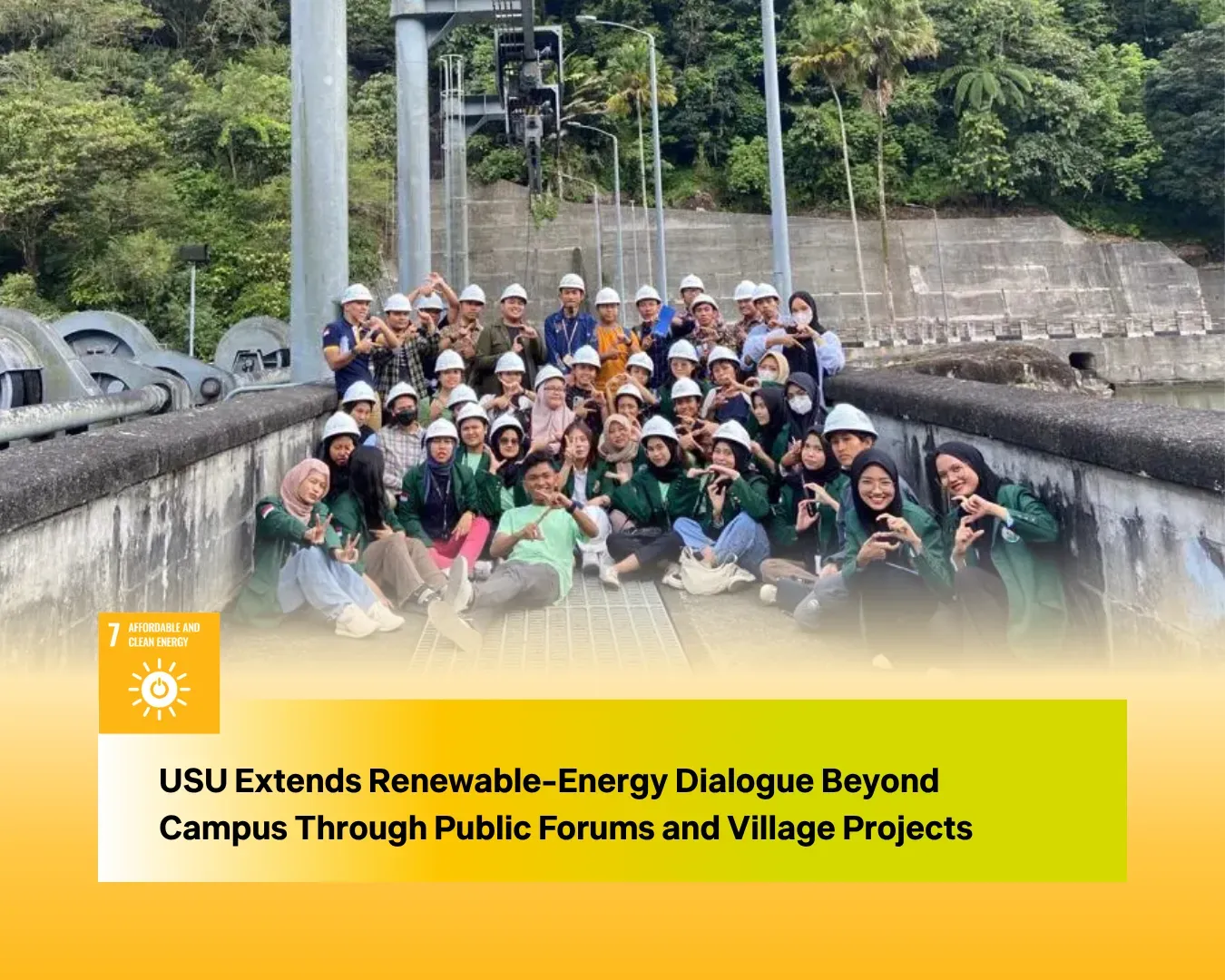
Medan, Indonesia. Universitas Sumatera Utara promoted renewable-energy awareness and engagement in 2025 through national policy dialogue, community outreach and village development initiatives. These activities connected the university with policymakers and local communities, supporting discussion of practical options for moving away from fossil fuels.
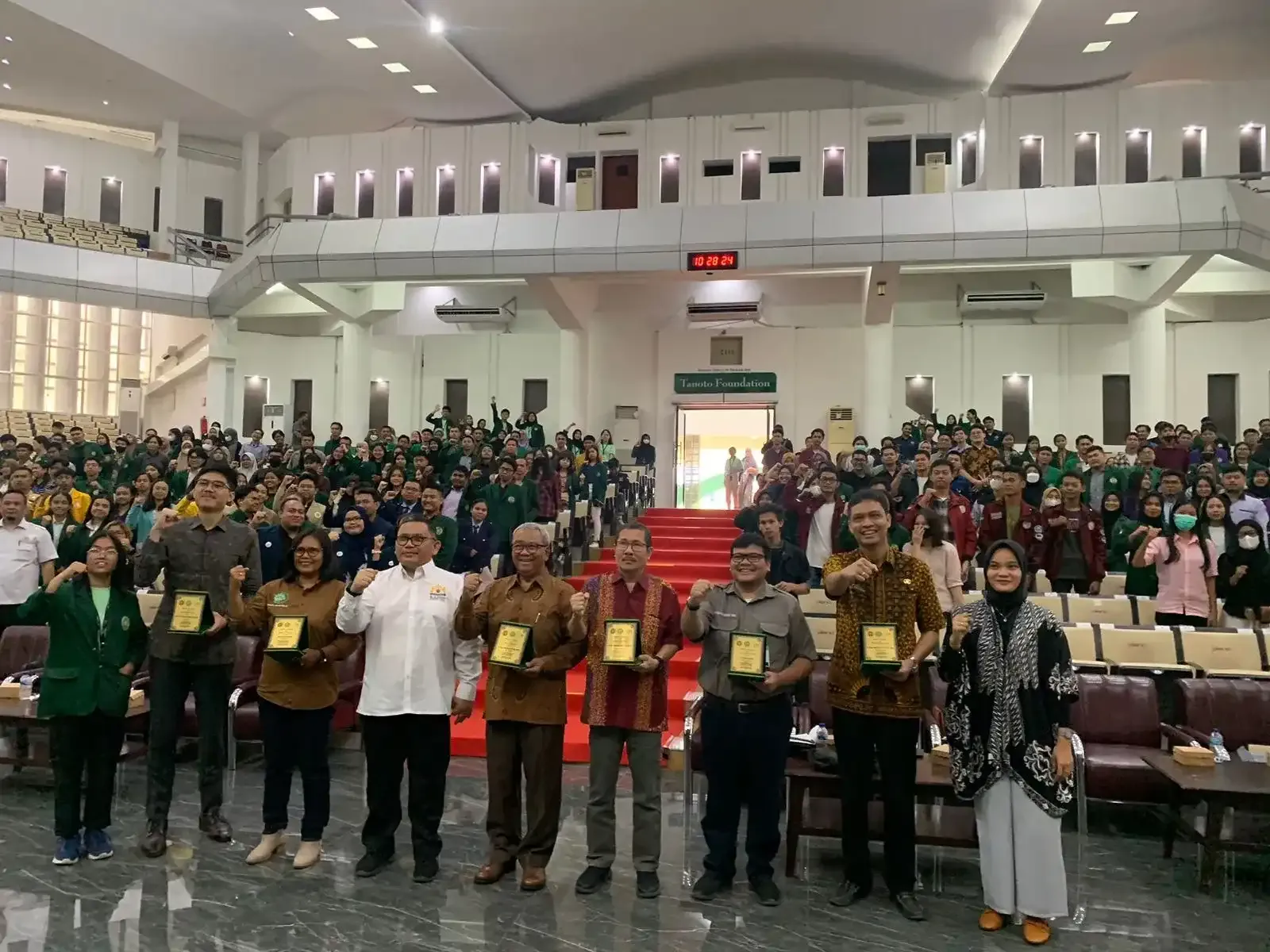
On 16 June 2025, the university hosted MPR RI Goes to Campus at the Faculty of Economics and Business. The forum addressed the urgency of energy transition in mitigating climate-change impacts and featured MPR RI Vice Chairman Dr. Eddy Soeparno.
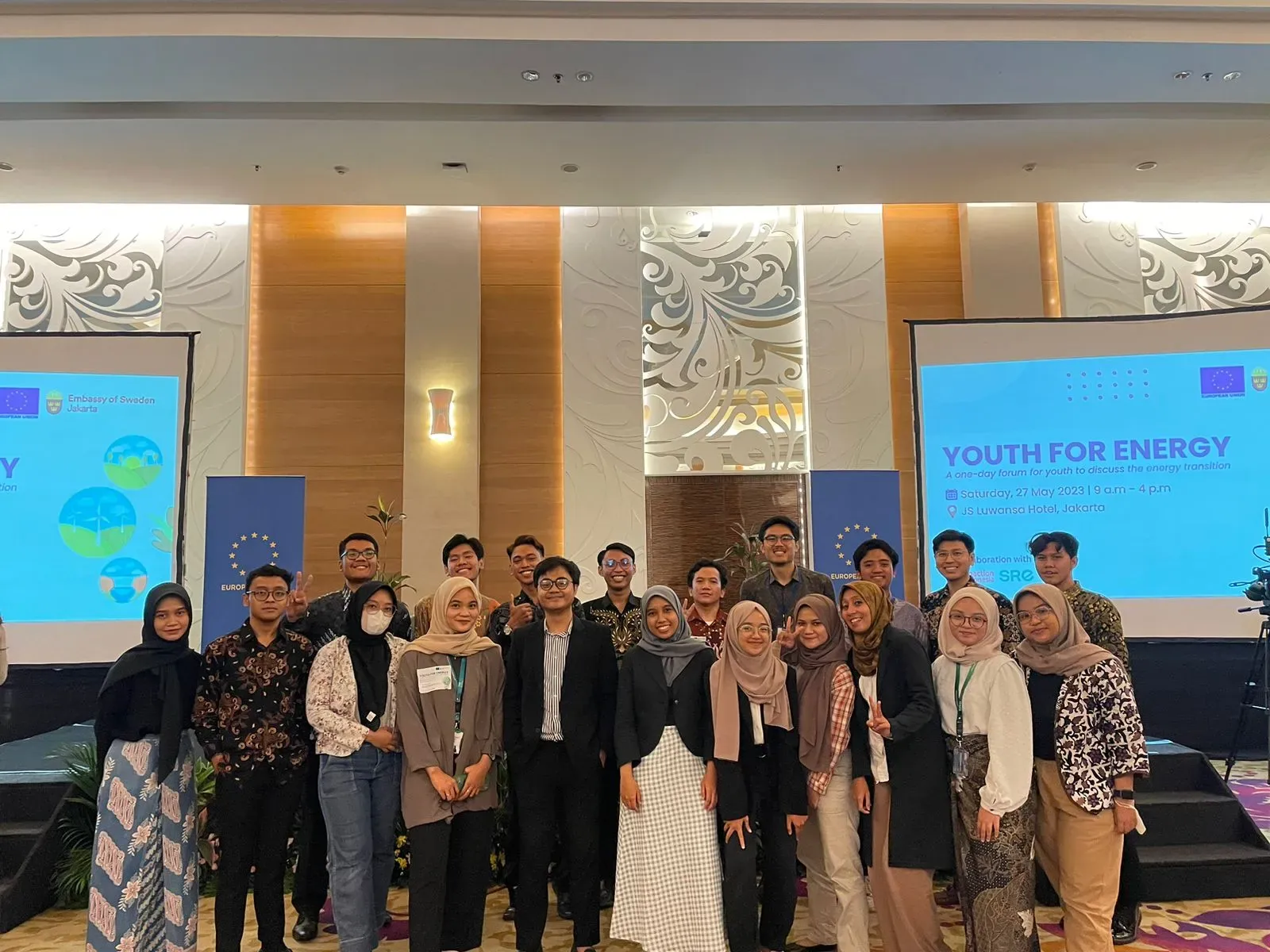
Rector Prof. Dr. Muryanto Amin, S.Sos., M.Si., encouraged contributions to Indonesia’s renewable-energy policy and highlighted the role of universities in generating ideas and innovation. Eddy Soeparno discussed the shift from fossil fuels to renewable sources, including challenges involving technology, finance and access in remote areas. He invited students to contribute ideas through collaboration with MPR RI.
Community engagement provided a practical counterpart to this policy dialogue. In a report published on 25 April 2025, the university documented its collaboration with Inalum in Meat Village, Toba Regency. The Zero Carbon Village initiative included a 2,750-watt hydropower system, a solar-powered information house and an automatic composting machine.
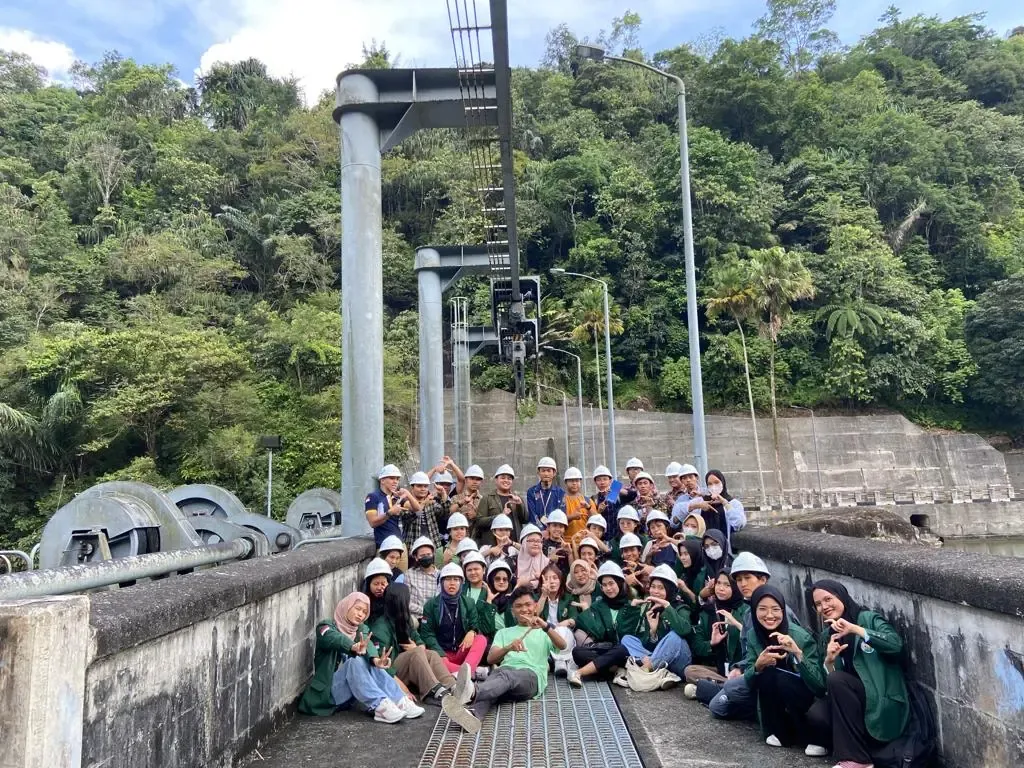
During the 24 April visit, university representatives reviewed community-service outputs and interacted with village youth. These activities connected renewable-energy applications with local development and demonstrated opportunities for engagement beyond campus. The initiative’s name does not itself establish that the village had achieved zero emissions or a fully renewable energy supply.
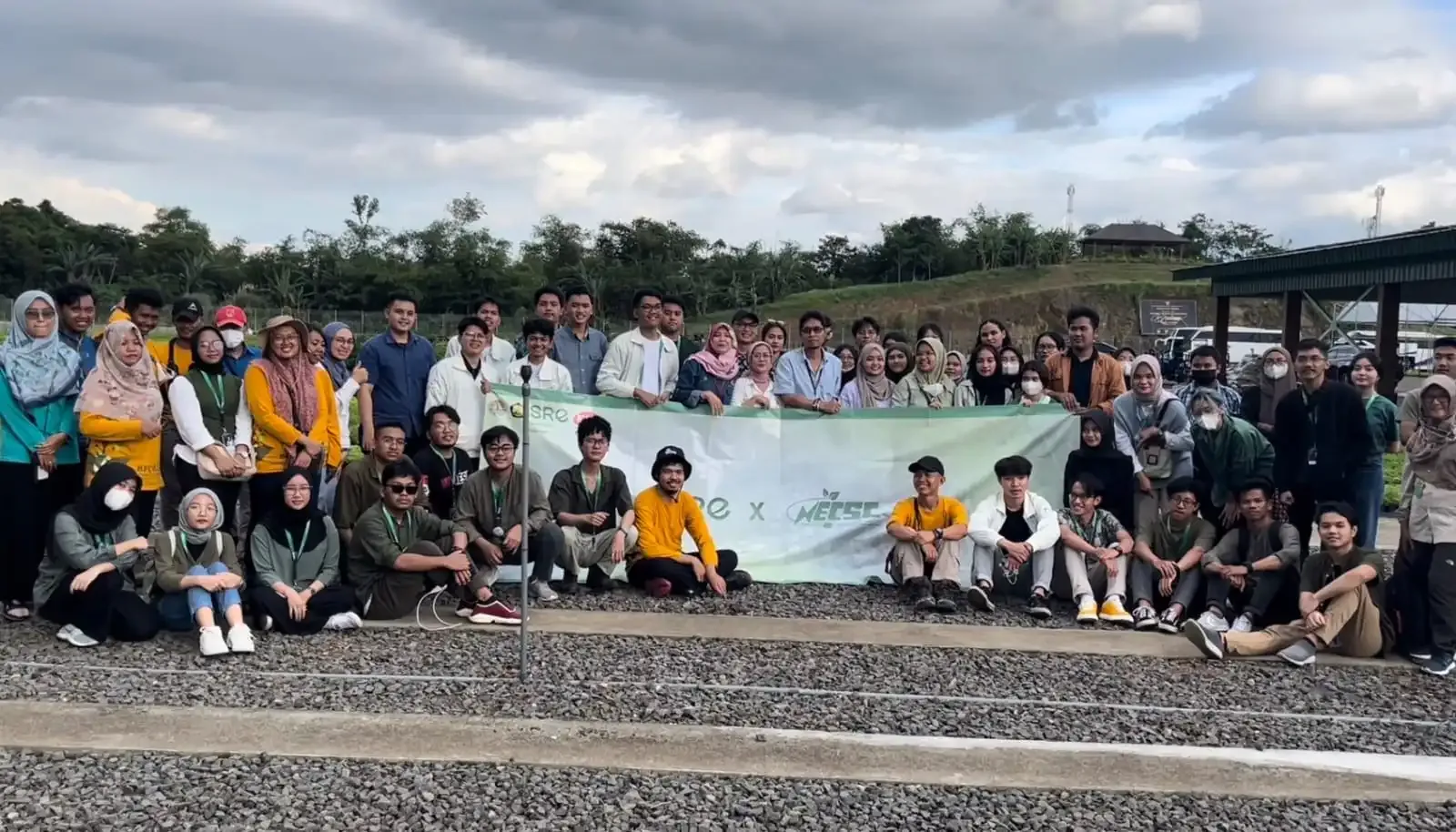
A further example is the 2025 solar-energy outreach recorded for Prof. Ilmi in Pasar Rawa Village, Langkat Regency. The activity focused on solar cells for residential lighting, bringing renewable-energy applications into discussion at household level.
Research also addressed the prospect of a fully renewable regional energy system. A study published on 25 March 2025 by researchers including Universitas Sumatera Utara academics modelled a transition towards 100% renewable energy in North Sumatra. It examined a combination of hydropower, solar, geothermal, biomass and biogas. Its projections are research scenarios and should not be presented as an institutional or government pledge.
These activities brought renewable-energy discussion into public forums and communities outside campus. They also show that USU researchers examined what a fully renewable regional energy system might look like. However, the available sources do not record a public invitation from the university asking government, industry or residents to commit specifically to 100% renewable energy; that stronger claim requires an explicit dated statement.