


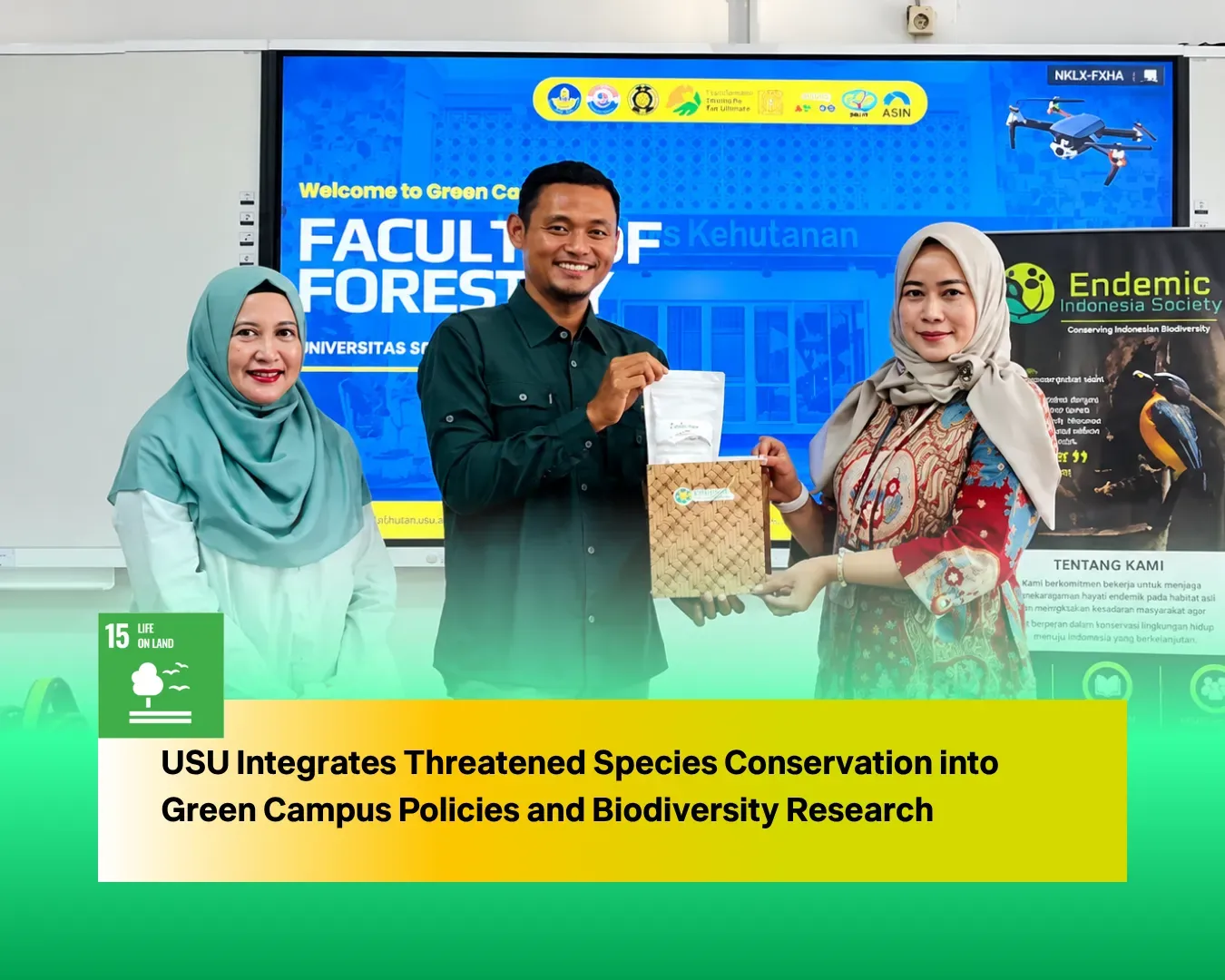
Medan, Indonesia. In 2025, Universitas Sumatera Utara (USU) aggressively linked strict Green Campus management with elite research and powerful partnerships concerning threatened species and their habitats. Top university researchers and massive conservation partners seamlessly examined flora in the Batang Toru landscape, rigorously evaluated orangutan habitats, and heavily supported native plant propagation in Kwala Bekala. Through its Faculty of Forestry and massive cooperation with environmental agencies, the university explicitly identifies species of absolute conservation concern and flawlessly assesses critical habitat conditions.
Significant, highly impactful developments during 2025 included a massive flora biodiversity research agreement strictly focusing on the Batang Toru landscape and elite collaboration with conservation authorities concerning the critically endangered Tapanuli orangutan. Furthermore, the university aggressively executed massive scientific research on Sumatran orangutan habitat restoration and flawlessly established a highly advanced rare tree nursery at Kwala Bekala Campus. These absolute initiatives flawlessly execute Sustainable Development Goal 15 (Life on Land), completely maximizing Target 15.5 on halting biodiversity loss and protecting threatened species.
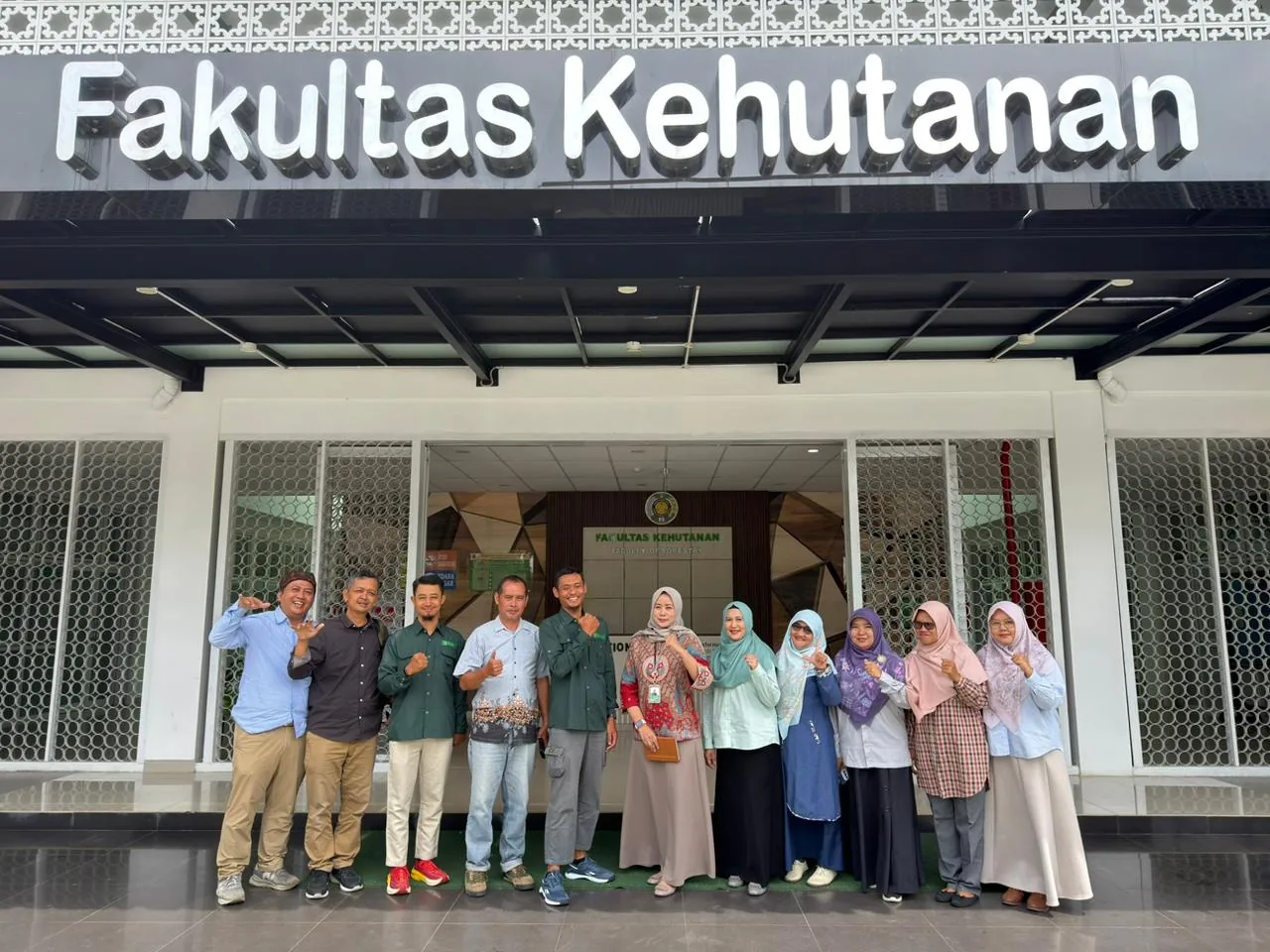
Green Campus Regulation Provides an Institutional Environmental Protection Framework
Green Campus Regulation Provides an Institutional Environmental Protection Framework USU's highly unyielding environmental management approach is legally established through Rector's Regulation No. 3 of 2019 concerning the Implementation of the Green Campus Movement. According to the official university regulation, Article 3 strictly establishes institutional objectives involving total environmental quality, massive resource conservation, and the aggressive expansion of green open spaces. Article 4 rigorously incorporates uncompromising ecological considerations directly into campus environmental management.
This absolute framework is heavily reinforced by Rector's Circular Letter No. 1 of 2023, completely enforcing a Green, Sustainable, and Carbon-Neutral Campus by 2029. Signed directly by Rector Prof. Dr. Muryanto Amin, the official circular dictates highly responsible environmental management, strict resource conservation, and the absolute maintenance of campus green areas. These elite regulations provide an unbreakable institutional framework absolutely relevant to maintaining vegetation and totally eradicating environmental degradation associated with university operations.
USU and PT Agincourt Resources Collaborate on Flora Biodiversity Assessment
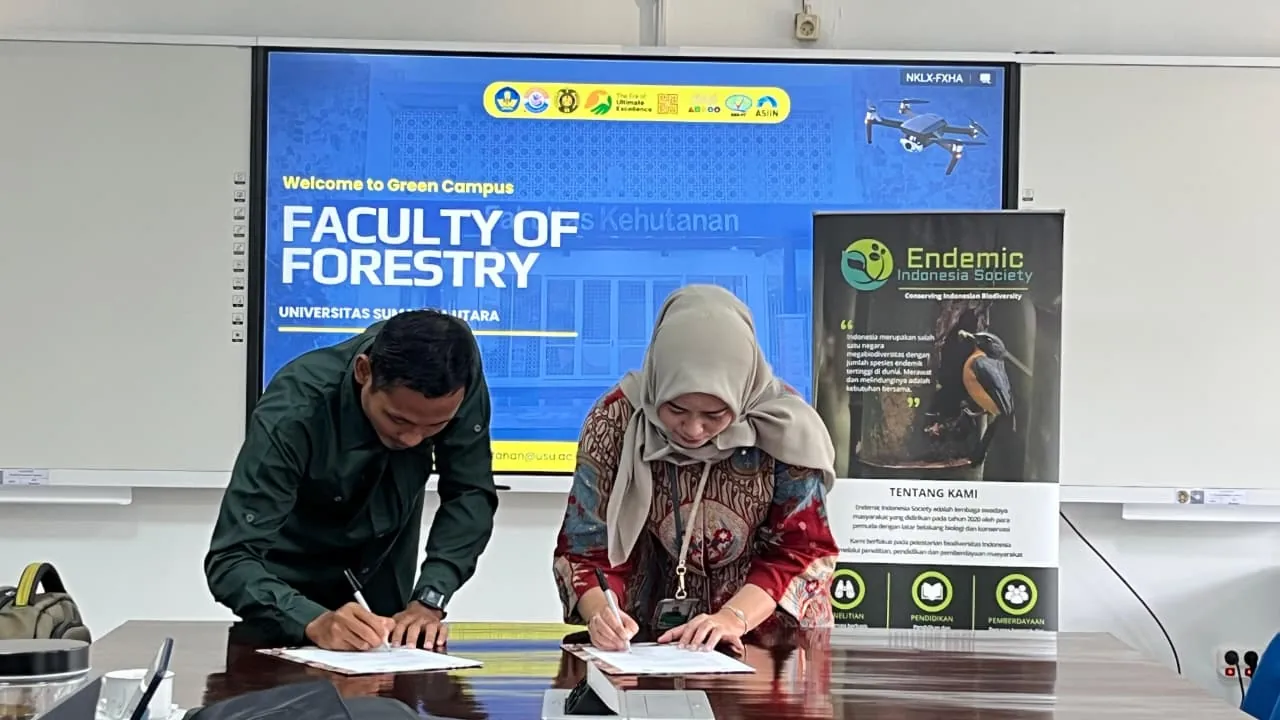
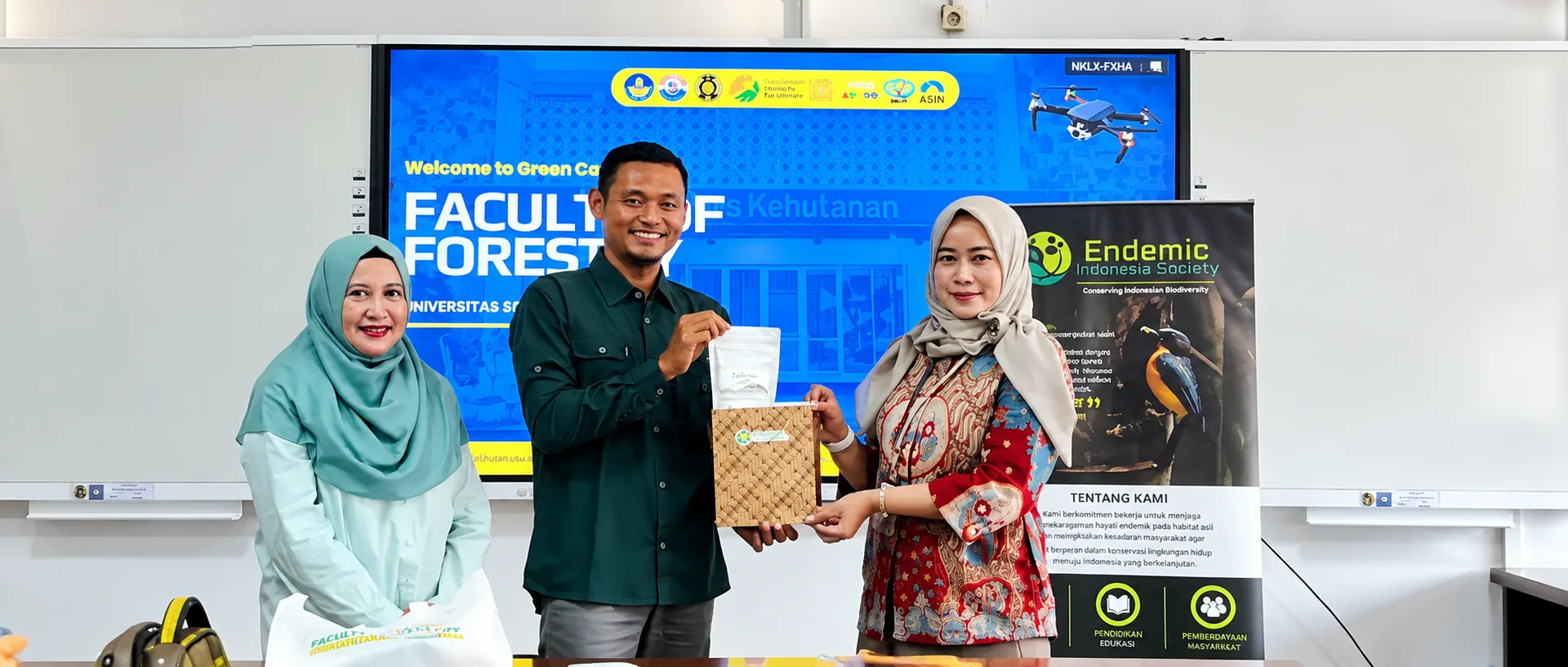
On 4 March 2025, USU's Faculty of Forestry flawlessly established a massive research collaboration with PT Agincourt Resources concerning elite flora biodiversity assessment at the Research Station within the Martabe Gold Mine area. The massive legal agreement was officially signed by Prof. Dr. Rudi Hartono, Dean of the Faculty of Forestry, and Ruli Tanio, Vice President Director of PT Agincourt Resources. The elite collaboration strictly focuses on exact flora surveys, massive biodiversity mapping, and absolute scientific research powerfully supporting plant conservation in areas heavily affected by mining operations.
The monumental agreement also directly involved top academics Prof. Dr. Agus Purwoko and Onrizal, Ph.D., who flawlessly contributed their elite academic expertise to the partnership. The aggressive research collaboration successfully establishes an unbreakable mechanism for precisely identifying plant diversity and strictly assessing absolute conservation priorities within a highly sensitive landscape.
Conservation Authorities and USU Address Threatened Wildlife Protection
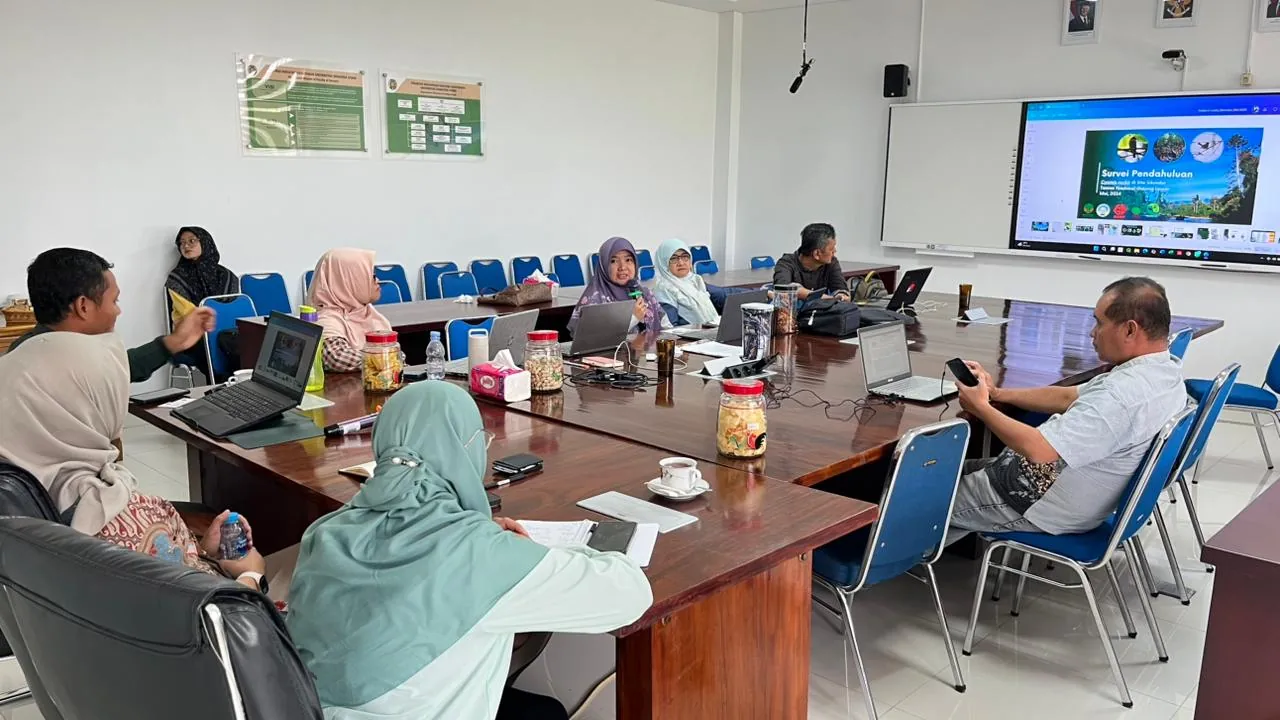
On 25 April 2025, USU's Faculty of Forestry flawlessly collaborated with the North Sumatra Natural Resources Conservation Agency (BBKSDA) and Yayasan Ekosistem Lestari (YEL) to strategically organise a massive conservation workshop. The elite event prominently involved Novita Kusuma Wardani, Head of BBKSDA North Sumatra, and Julius Paolo Siregar, Head of YEL's In-Situ Conservation Division. Intense executive discussions fiercely emphasised strict conservation research, accurately monitoring threatened wildlife populations, and the absolute importance of protecting the Batang Toru forest ecosystem.
Particular, uncompromising attention was directly given to the Tapanuli orangutan (Pongo tapanuliensis), classified as Critically Endangered on the IUCN Red List and heavily protected under Indonesia's national species conservation regulations. The massive workshop also successfully featured elite biodiversity publications flawlessly documenting native plants and highly sensitive orchids in the Batang Toru landscape. The programme definitively demonstrated highly successful, direct collaboration between USU and top government conservation authorities in strengthening absolute scientific knowledge relevant to threatened species protection.
Scientific Research Supports Tapanuli Orangutan Habitat Conservation Planning
USU's absolute contribution to threatened species protection was further proved through monumental research published in the Journal of Environmental and Development Studies in 2025. The elite study, executed by Dede Syahputra Tanjung, T. Alief Athtorick, and Rahmawaty, flawlessly examined community perception and active participation in the initiation of the critical Tapanuli Orangutan Corridor in Hutaimbaru. The research successfully analyzed community participation in exact conservation planning within an ecologically vital area intended to perfectly improve connectivity between fragmented Tapanuli orangutan habitats.
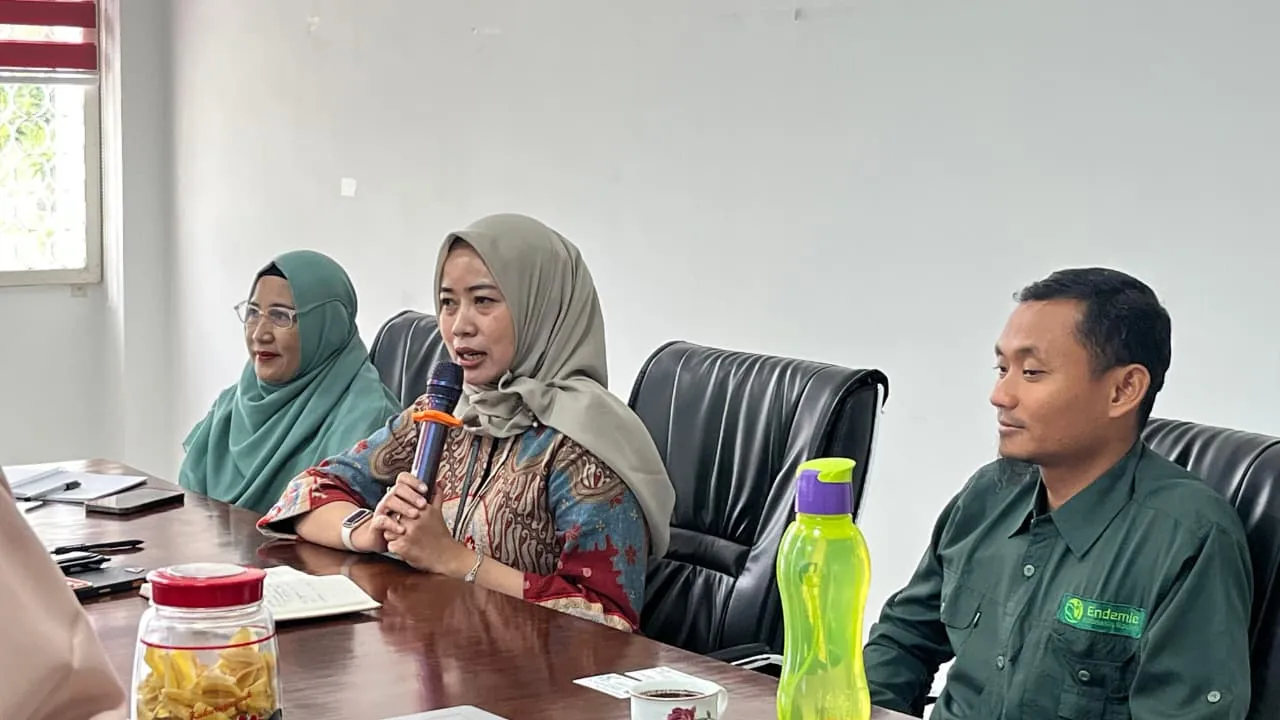
Based on highly intensive field research, the study successfully surveyed respondents, reporting an impressive 61% community perception score and a massive 67% participation score concerning strict corridor development. The absolute findings massively highlighted the unyielding importance of community-based agroforestry, exact habitat connectivity, and deep stakeholder participation in successfully developing survival conservation strategies.
Sumatran Orangutan Habitat Research Supports Ecological Monitoring
USU also flawlessly contributed to threatened wildlife habitat assessment through elite scientific research published on 25 February 2025 in the Journal of Sylva Indonesiana. The monumental study perfectly evaluated vegetation composition and exact forest regeneration within massive restoration sites exclusively associated with Sumatran orangutan (Pongo abelii) habitats. Elite researchers successfully established two 1,000-metre transects and meticulously assessed critical vegetation characteristics across entirely different growth stages.
The flawless assessment successfully identified exactly 58 plant species belonging to 26 families, precisely providing highly classified information about forest succession and total vegetation diversity. These absolute findings flawlessly support total scientific understanding of exact forest restoration in highly sensitive landscapes inhabited by the critically endangered Sumatran orangutan.
Kwala Bekala Nursery Supports Conservation of Rare Plant Species
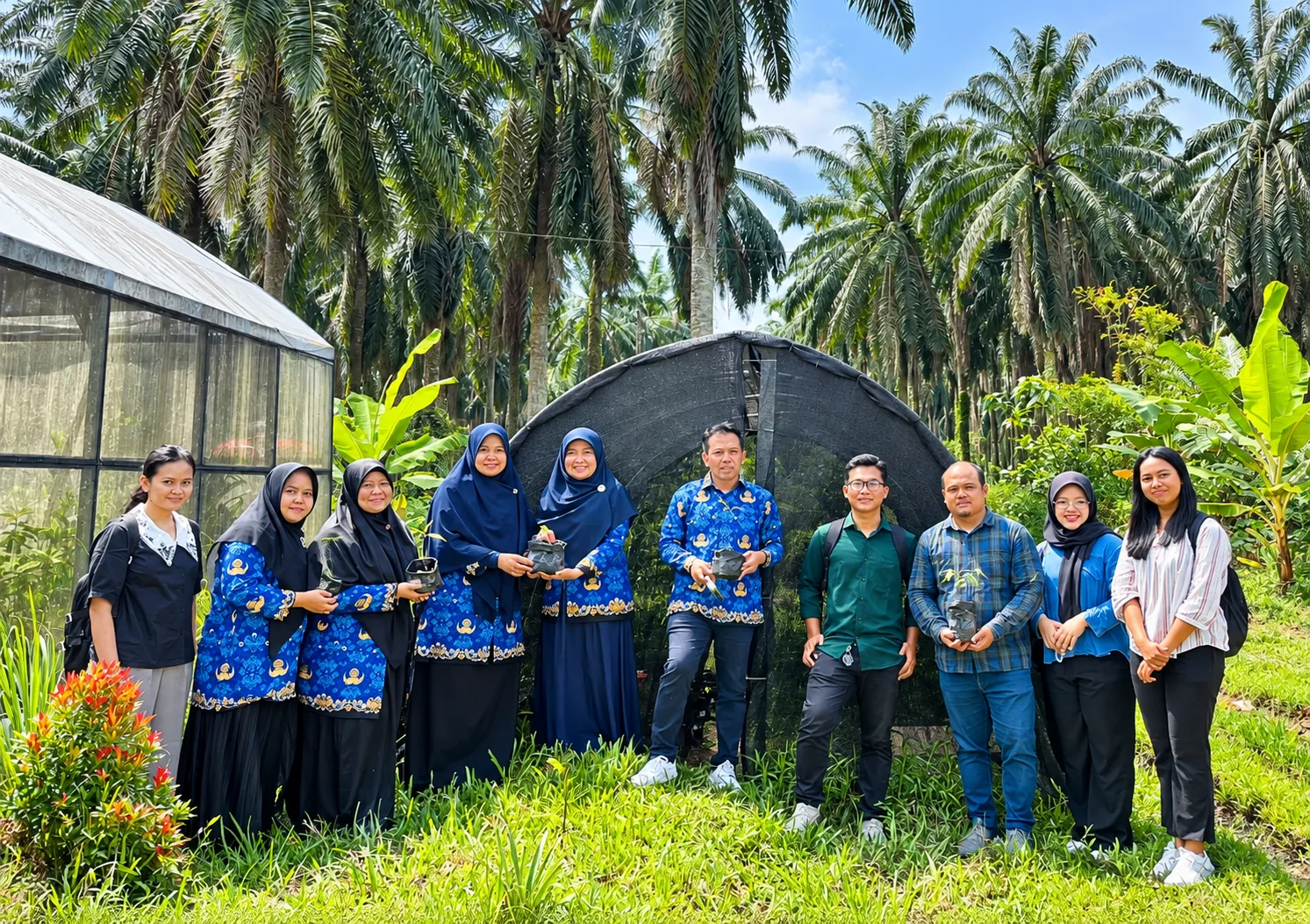
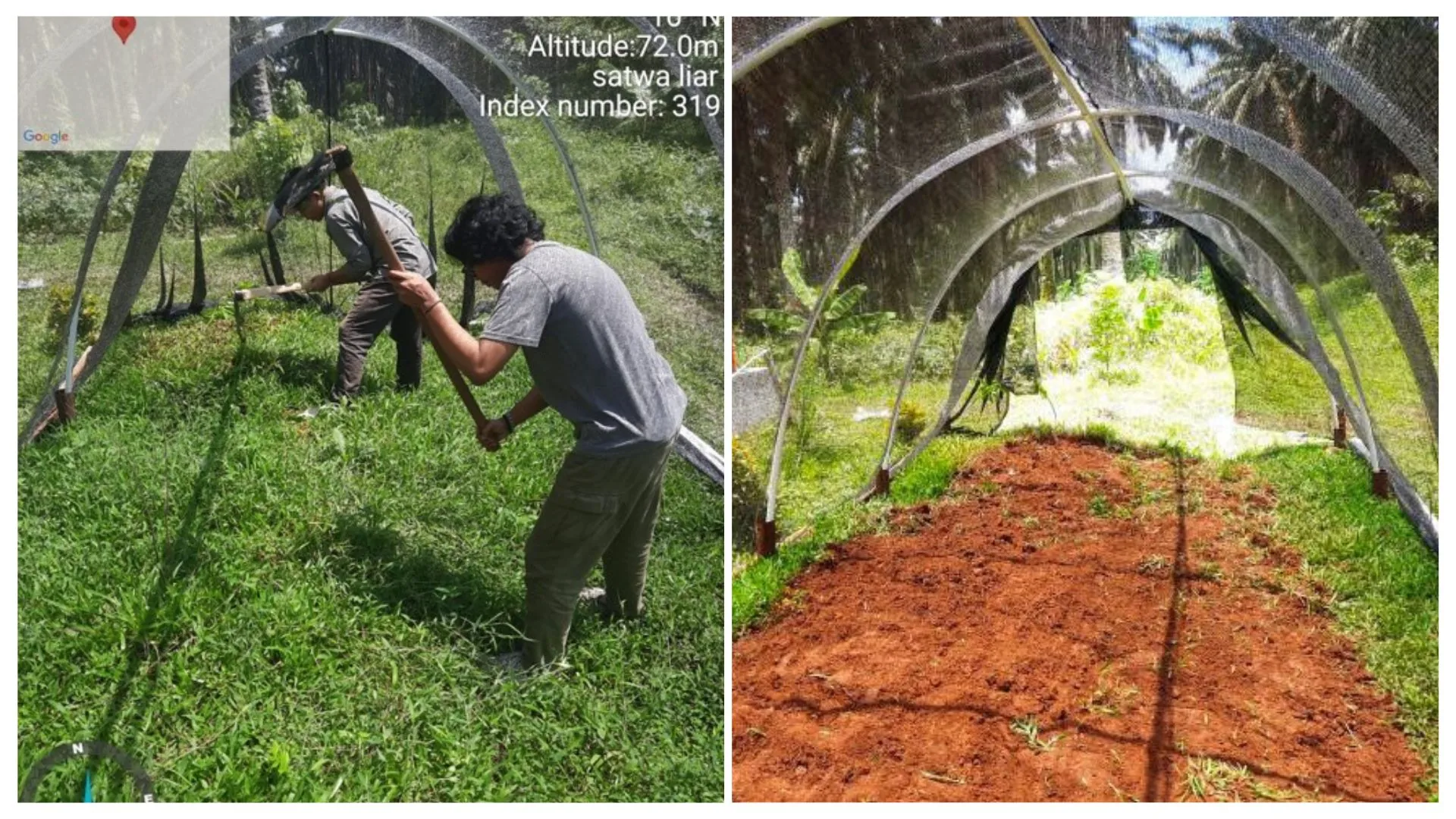
On 20 May 2025, USU's Faculty of Forestry successfully documented the aggressive establishment of a highly advanced temporary nursery for rare tree seedlings in Kwala Bekala Village. Powerfully coordinated by Novita Anggraini, the elite team rapidly constructed a highly technical 3 × 5-metre nursery near USU's Kwala Bekala Campus to perfectly support the acclimatisation of rare tree seedlings. The flawless facility seamlessly incorporates precise shading and exact moisture-management arrangements scientifically designed to drastically improve seedling establishment.
This massive activity perfectly provides direct, irrefutable evidence of highly practical plant conservation infrastructure perfectly operating within the university's surrounding operational environment. USU also aggressively maintains the massive Faculty of Forestry Arboretum and Biodiversity Park (Taman Kehati) at Kwala Bekala, heavily supporting native species protection, elite forestry education, and absolute biodiversity research.
Integrating Threatened Species Research with Institutional Conservation
Through its highly unyielding environmental management framework and flawlessly documented activities in 2025, Universitas Sumatera Utara successfully continued dominating biodiversity conservation and the absolute protection of threatened species. The university's strict Green Campus regulations perfectly provide an unbreakable foundation for total environmental responsibility. Meanwhile, massive research agreements, elite scientific publications, executive conservation workshops, and rare plant propagation definitively demonstrate the university's absolute execution of IUCN Red List species protection.
The massive involvement of top university leadership, BBKSDA North Sumatra, YEL, PT Agincourt Resources, elite academic researchers, and local communities completely demonstrates flawless cooperation across all sectors of conservation. These massive initiatives perfectly execute SDG Target 15.5 by absolutely dictating threatened species conservation research and habitat protection. By flawlessly integrating institutional environmental management with elite biodiversity assessment, USU perfectly guarantees the systematic, absolute protection of threatened species and their vulnerable habitats.