


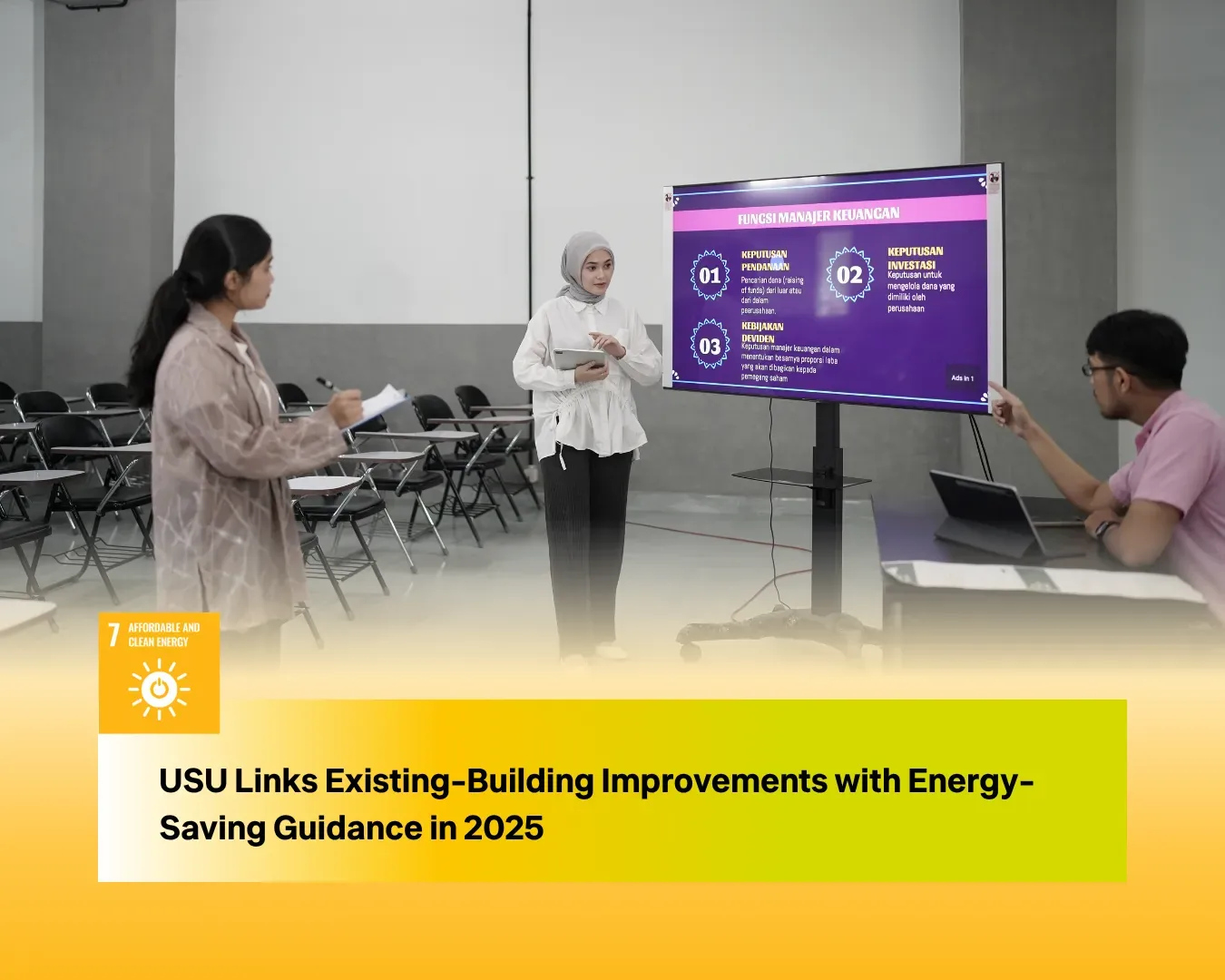
Medan, Indonesia. Universitas Sumatera Utara documented building-modernisation priorities and related procurement in 2025, alongside guidance promoting electricity conservation. Classroom renewal, electrical installations and cooling-system maintenance formed part of its infrastructure activity, providing opportunities to incorporate energy efficiency into the management of existing buildings.
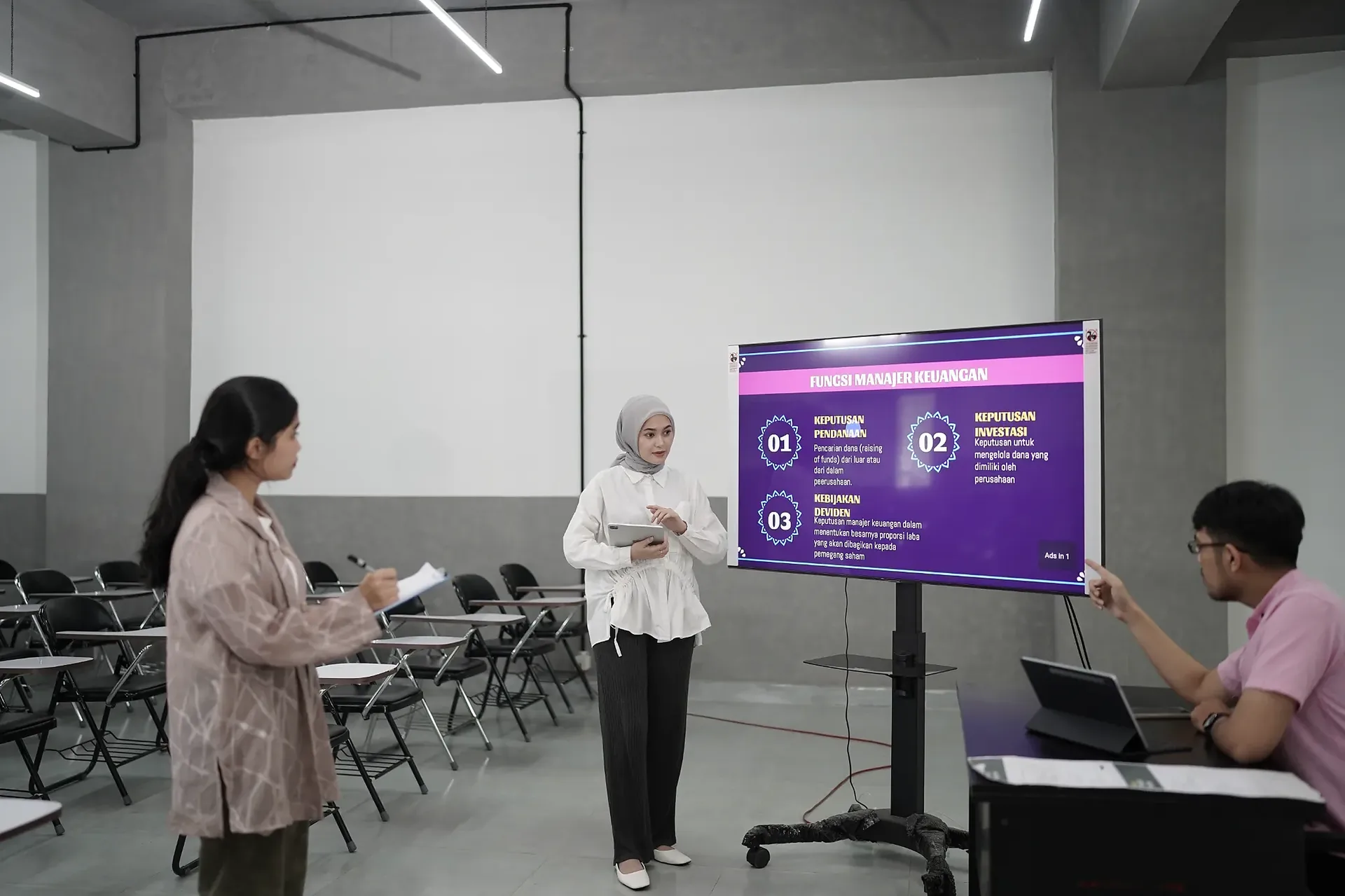
The university’s 2025 Performance Report identifies classroom modernisation through Smart Classroom and hybrid learning systems, improvements to faculty buildings, and renewal of supporting infrastructure. The immediate purpose was to improve learning quality and campus operations. Their relevance to energy efficiency depends on the technical design of each upgrade.
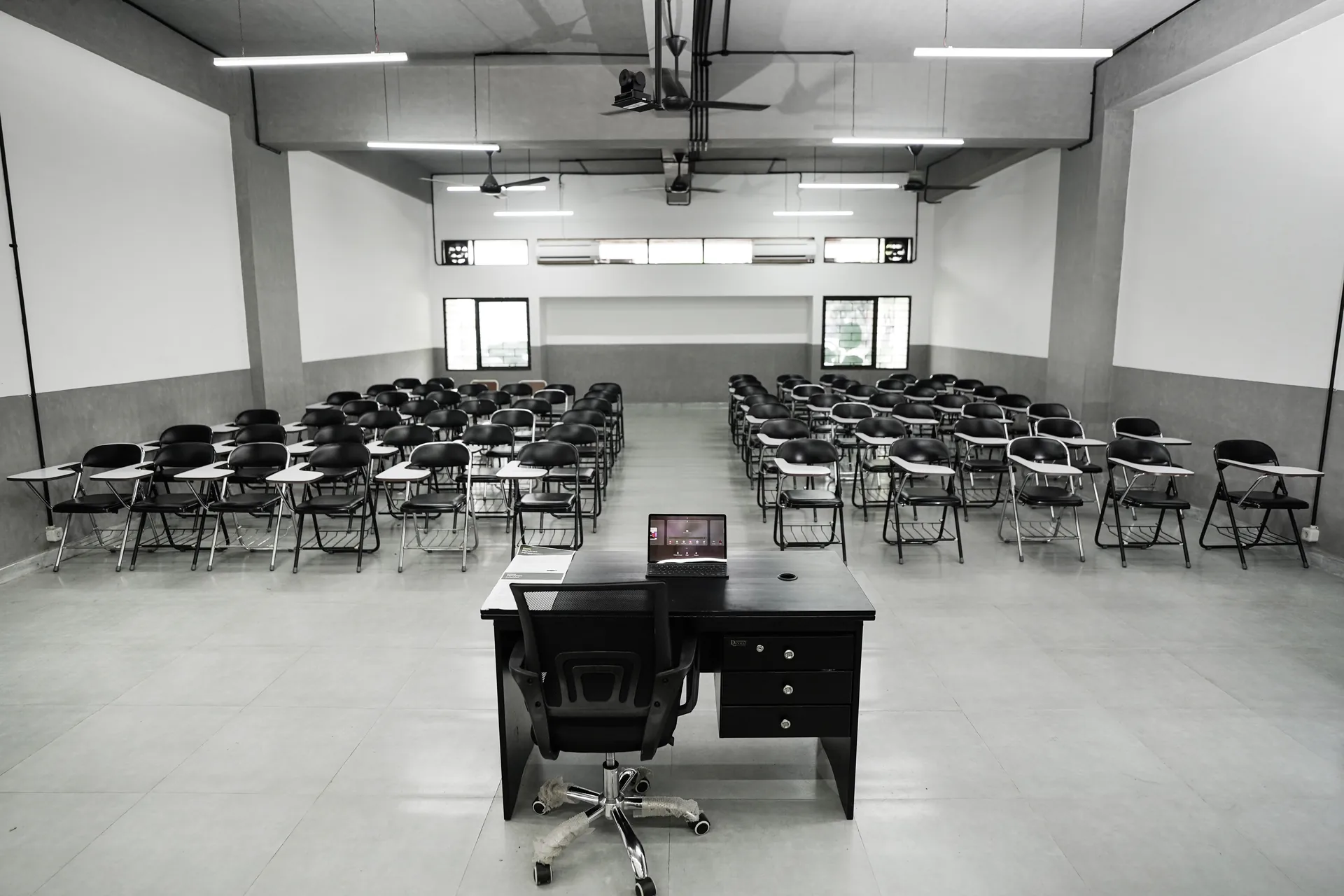
The 2025 procurement contract register records Smart Classroom equipment procurement dated 27 February 2025 and electrical-installation work for the Library Science programme, Academic Senate and Council of Professors buildings, and International Lounge dated 5 February 2025. It also lists Digital Learning Center chiller maintenance dated 22 January and servicing of its water-cooled chiller and cooling tower dated 11 March. These records document procurement commitments; they do not establish equipment efficiency ratings or completed energy savings.
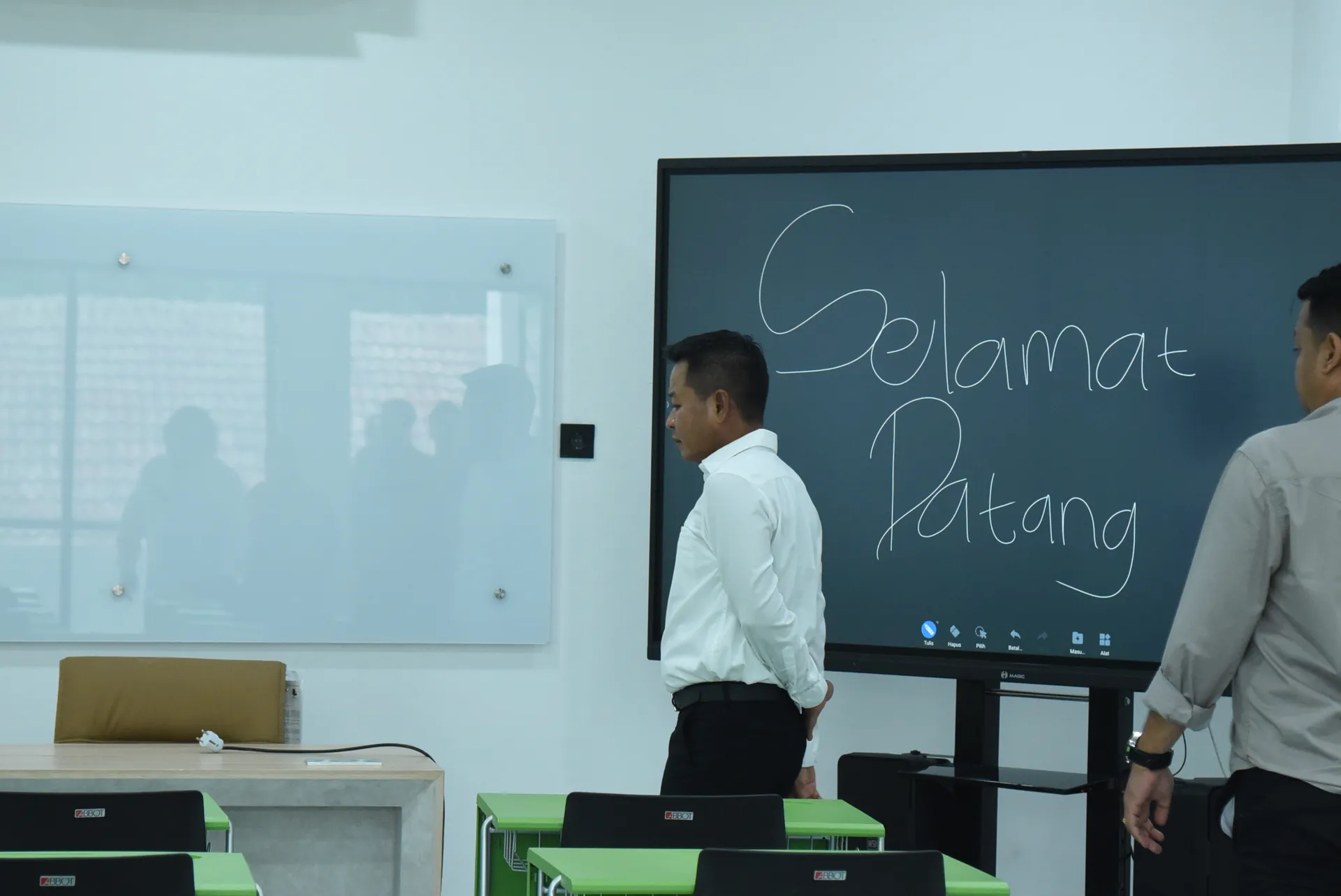
The 2025 Annual Report describes Smart Classrooms equipped with interactive screens, audiovisual systems, high-speed internet and application-based learning tools. This confirms the educational purpose of classroom modernisation. Energy-control features such as smart thermostats, occupancy sensors and real-time electricity meters require separate technical specifications before they can be attributed to the programme.
Energy conservation priorities are set out in the Faculty of Vocational Studies’ 2025 Health, Occupational Safety and Environment Handbook. Its Green Campus section reiterates a 20% electricity-saving target and encourages efficient lighting and equipment, greater use of daylight, switching off unused devices and scheduled maintenance of electrical installations. The handbook refers to the university’s earlier Green Campus regulation, demonstrating that its conservation principles remained part of faculty guidance in 2025.
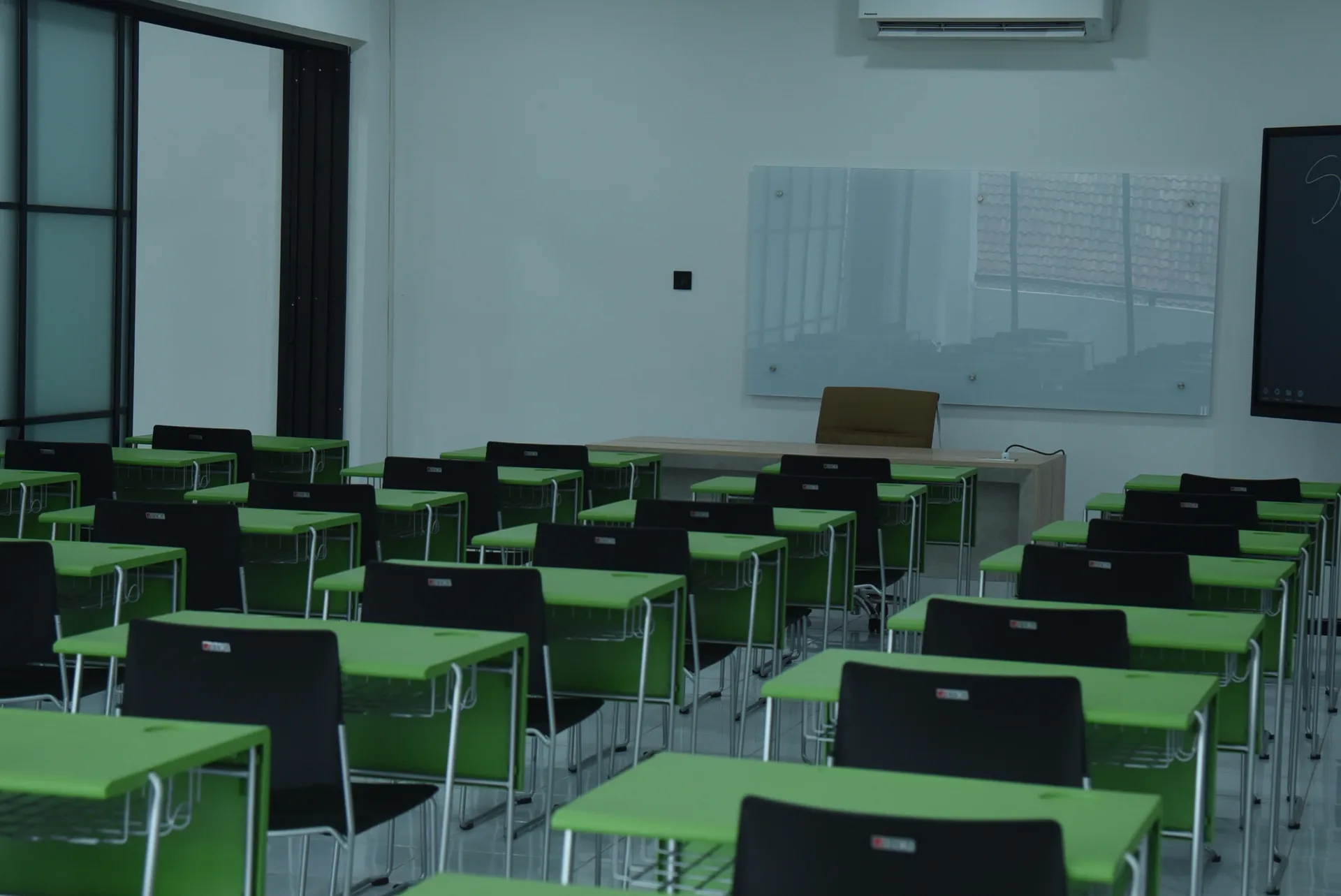
The handbook also calls for monthly resource-use reporting. Applied alongside building improvement plans, such records can help establish consumption baselines and assess whether changes deliver lower electricity use. The stated saving target remains distinct from a measured result.
For building managers, the distinction is practical. A new interactive screen can improve teaching, while better lighting controls or more efficient cooling may lower electricity demand; the two should not be counted as the same result. USU’s procurement and planning records identify where upgrades occurred or were proposed, but a technical schedule is needed to show which measures were expressly designed to improve energy performance.
The documented modernisation priorities and conservation guidance are relevant to SDG Target 7.3 on improving energy efficiency. Substantiating a dedicated plan to upgrade existing buildings to higher energy-efficiency standards requires a clear connection between the selected buildings, planned interventions and intended performance improvements.