


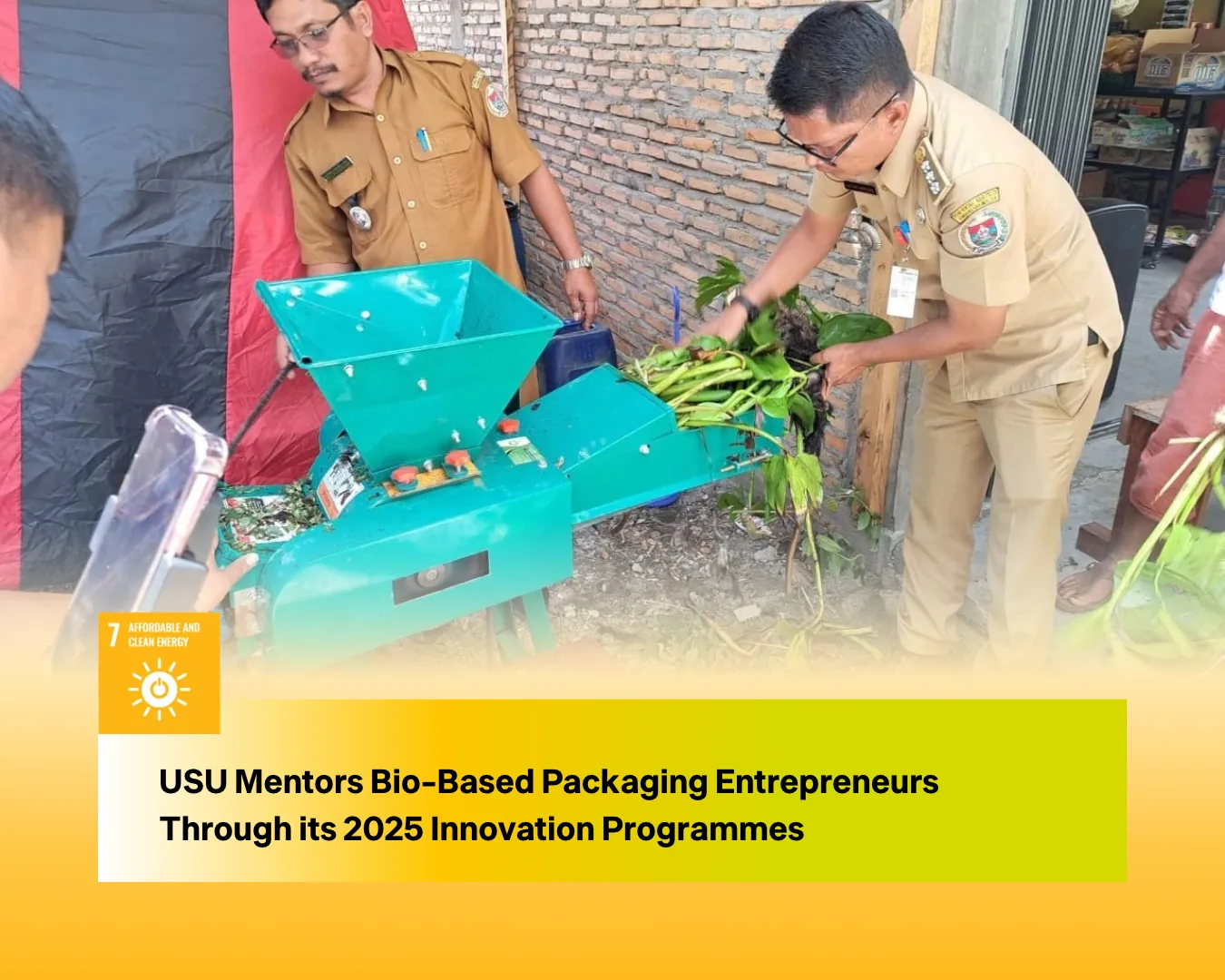
Medan, Indonesia. Universitas Sumatera Utara supported environmentally oriented student entrepreneurship in 2025 through academic supervision and programme mentoring. The BIOFLAEIS packaging initiative provides a specific example within the university’s broader commitment to innovation.
In a report published on 11 October 2025, the university introduced BIOFLAEIS, a biofoam packaging product developed through the Student Creativity Programme for Entrepreneurship (PKM-K). Students combined oil palm fronds and papaya leaves to create a biodegradable alternative to conventional polystyrene packaging. The initiative addresses material waste while exploring a business application for agricultural by-products.
The team brought together students from Chemical Engineering and Development Economics under the supervision of Ir. Ilham Perkasa Bako, S.T., M.T. The report described preparations for commercialisation, including social media promotion and direct outreach to culinary businesses, cafés and restaurants. This connects product development with efforts to reach potential customers.
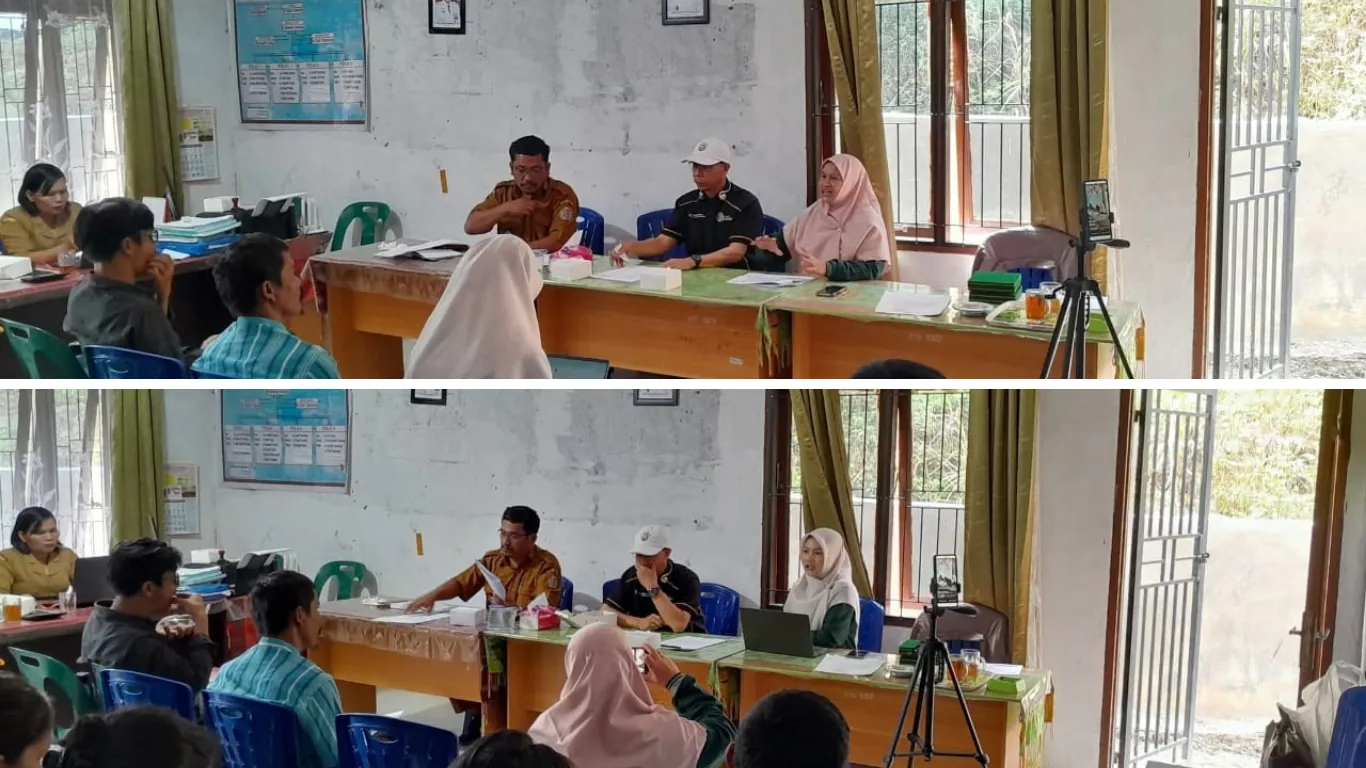
Further evidence of university assistance appears in a Faculty of Engineering report dated 10 November 2025. BIOFLAEIS was among three faculty teams that qualified for the National Student Scientific Week, known as PIMNAS. The report identifies the team’s academic supervisor and acknowledges mentoring provided by the university’s PKM Center. These records establish practical support for student innovators as they developed and presented their work.
The two university news records show different stages of support: supervision while developing a product and mentoring as the student team prepared for a national competition. Together they demonstrate assistance to entrepreneurs, though they do not verify company incorporation, sales or a quantified carbon benefit.
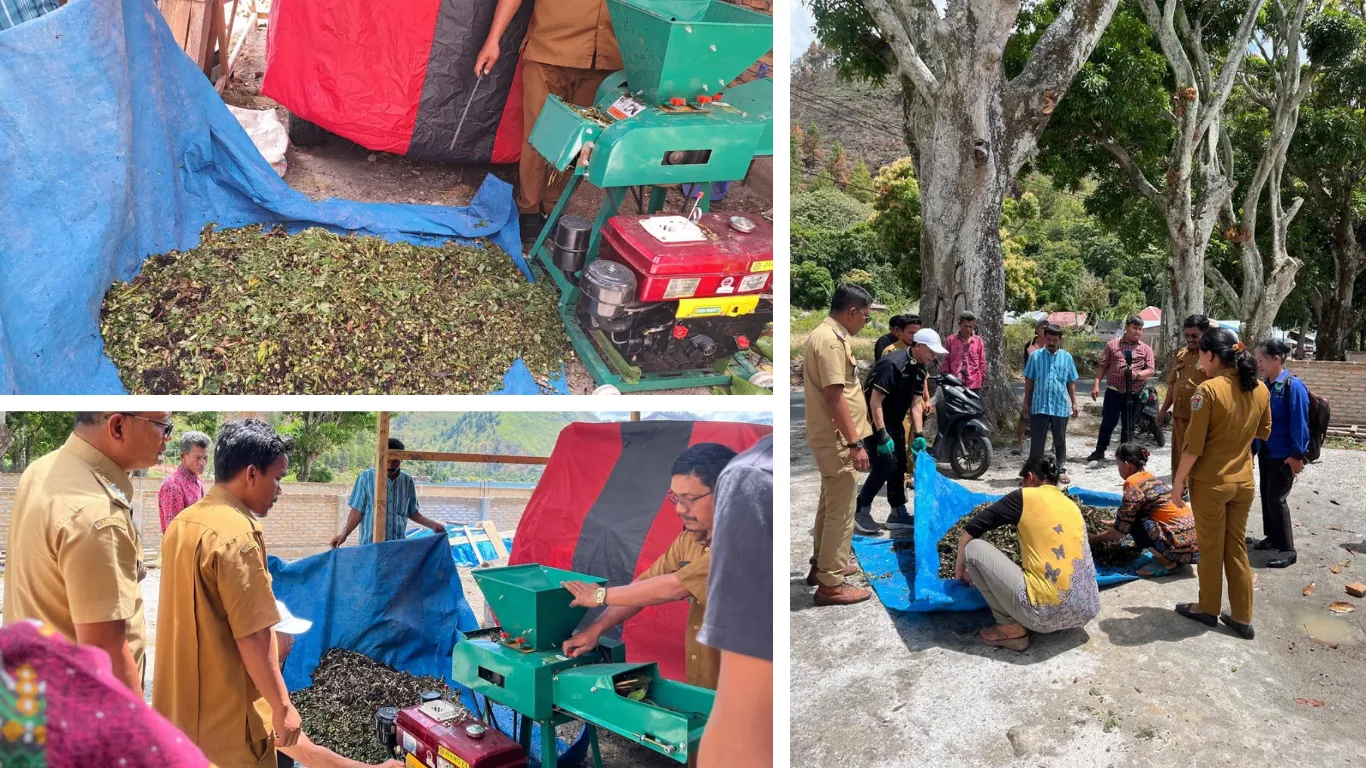
The broader institutional programme is documented in the 2025 Annual Report. The Research and Innovation Development Agency (BPRI) supported 34 start-ups during the reporting year. The university also recorded six successful spin-offs, 35 industrial prototypes and ten innovation products ready for commercialisation. These are university-wide innovation figures, not a count of low-carbon start-ups.
The same report records IDR 1,867,997,000 in priority research commercialisation funding for 2025. The figure demonstrates available institutional commercialisation support; it should not be described as funding allocated to BIOFLAEIS.
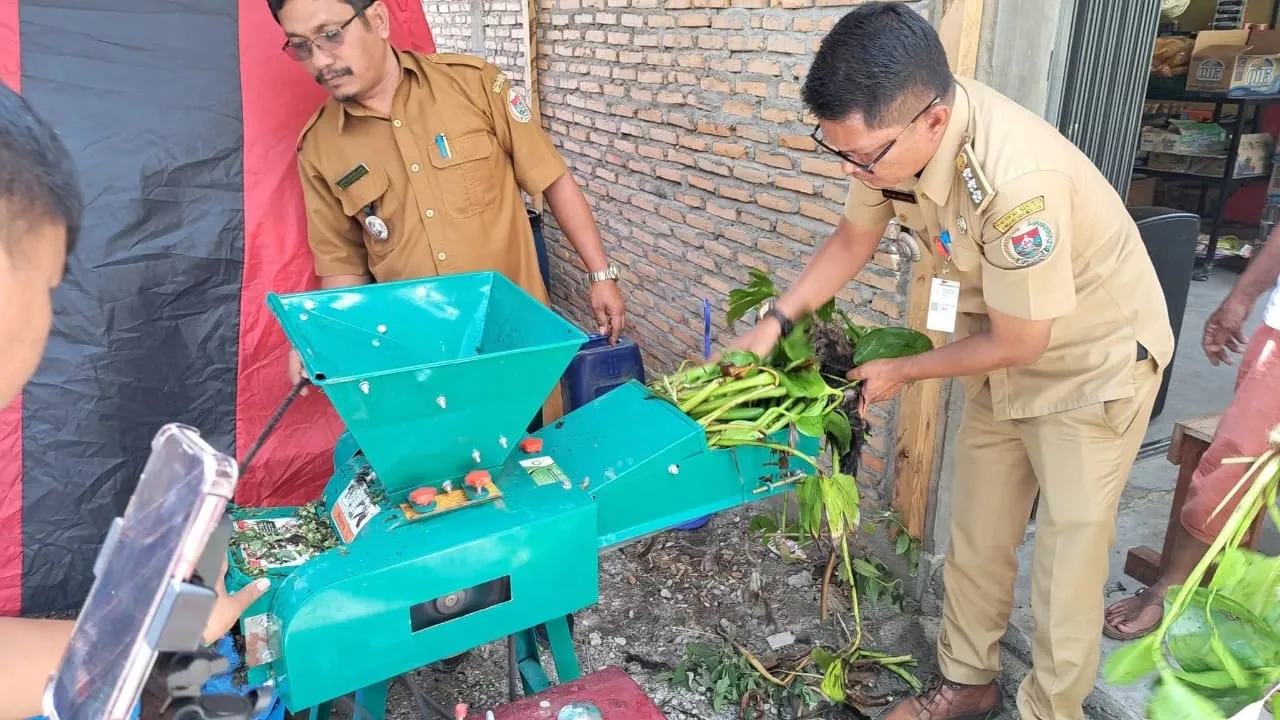
Together, the evidence shows assistance to a student enterprise with a waste-reduction purpose and a wider structure for developing research-based businesses. The potential contribution to a low-carbon economy lies in advancing alternatives to conventional materials and encouraging resource-conscious production. The available records do not quantify greenhouse-gas reductions from the packaging initiative.
These activities support SDGs 9 and 12 through innovation and responsible production. For Universitas Sumatera Utara, the documented outcome is practical assistance that helps environmentally oriented ideas progress from academic work towards business development.