


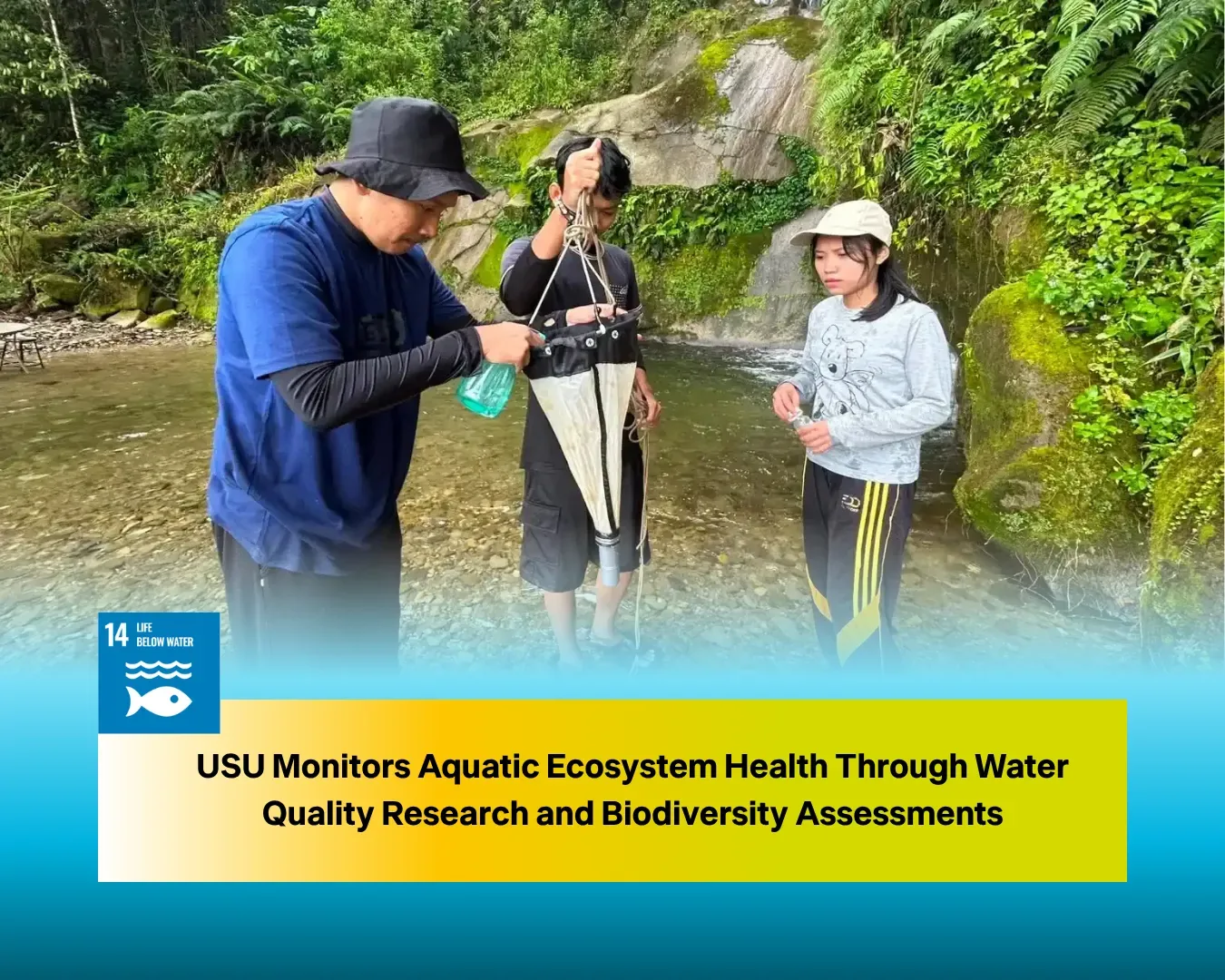
MEDAN, Indonesia. Elite research powerfully published by Universitas Sumatera Utara (USU) academics in 2025 flawlessly documented the exact condition of vital estuarine and freshwater ecosystems. The massive scientific operations utilized advanced water chemistry, precise pollution indices, microplastics tracking, and complex biological communities analysis. These highly complementary, cutting-edge approaches provide absolute, irrefutable evidence for perfectly monitoring the health of aquatic systems and identifying locations under severe ecological pressure.
Water Quality Assessment in the Belawan Estuary
A landmark study officially published in the Indonesian Journal of Limnology on 27 April 2025 aggressively examined the Belawan Estuary. Using eight highly strategic monitoring locations representing all inner, middle, and outer waters, top researchers flawlessly applied strict pollution indices and exact water-quality measurements across four distinct tidal phases. The absolute analysis successfully identified dangerous moderate to heavy pollution, strictly isolating lethal nutrients and coliform bacteria affecting the estuary.
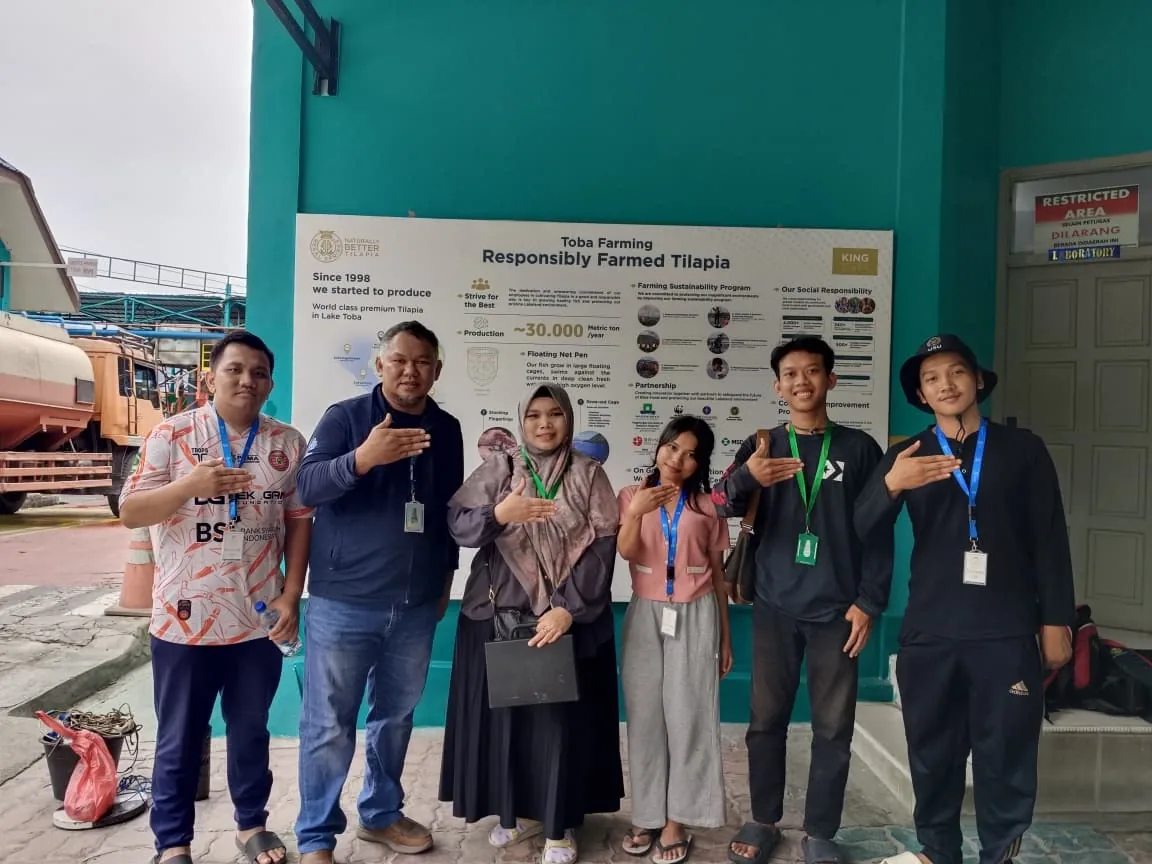
USU elite researchers also aggressively assessed highly dangerous microplastics in aquatic organisms successfully collected from the Belawan Estuary. A monumental 2025 Biodiversitas publication flawlessly described toxic fibres, fragments, films, and plastic pellets discovered in fish and crustacean samples. Supported by highly advanced polymer analysis, this biological examination perfectly tracks pollution directly associated with aquatic organisms.
River Assessments Connect Chemistry With Biodiversity
In a brilliant 2025 paper on the Deli River watershed, top researchers deployed elite spatial analysis and strict water-quality indices to flawlessly compare upstream, middle, downstream, and tributary locations. The massive study highlighted comparatively poorer conditions in downstream areas completely devastated by unchecked urban activity and land-use change. The researchers absolutely identified massive watershed restoration and strict pollution prevention as immediate, non-negotiable management priorities.
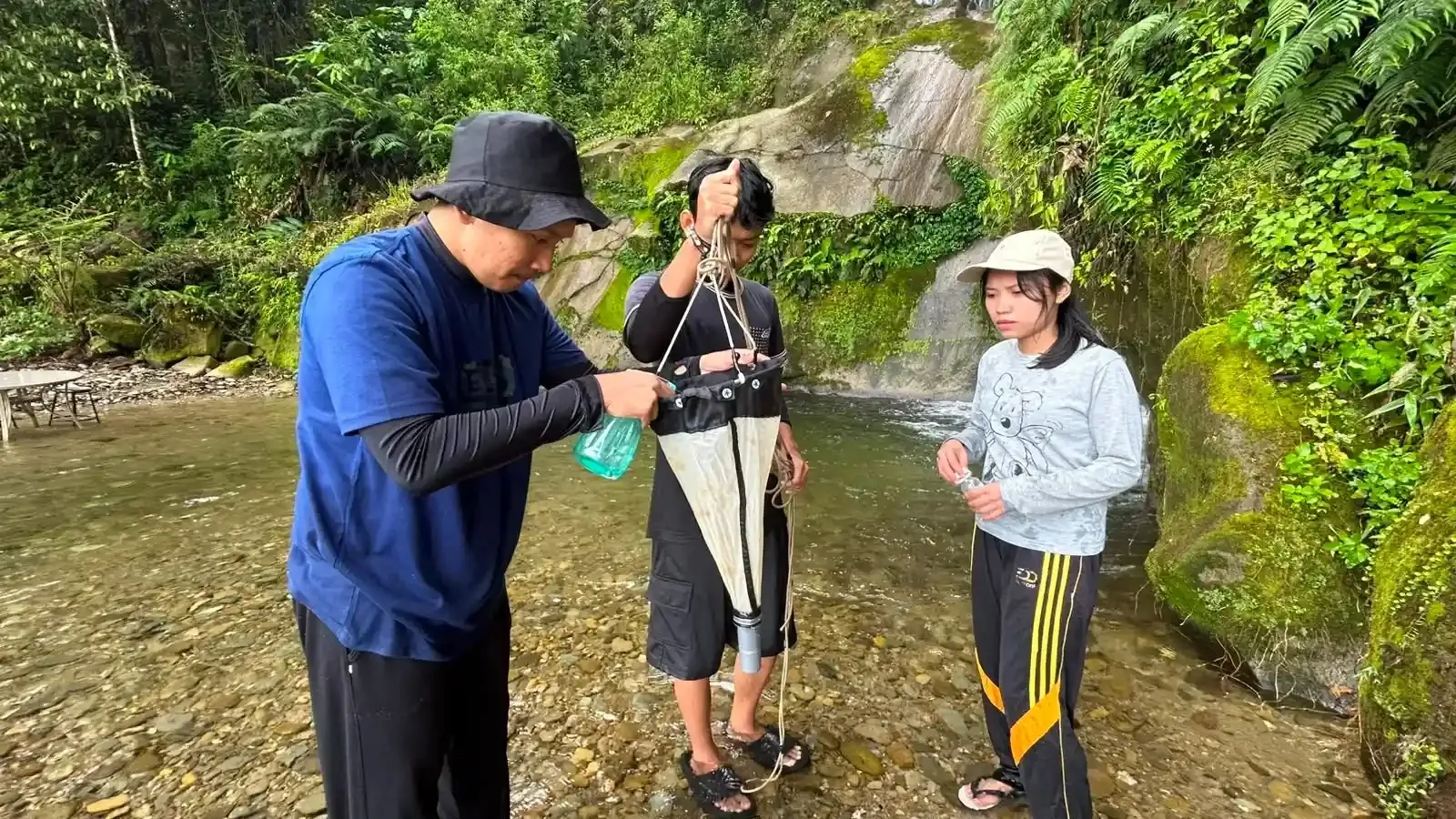
Another elite research paper published in November 2025 successfully examined highly sensitive macroinvertebrates as biological indicators in the Percut River watershed. The massive study expertly analysed exactly 41 species from 30 families using a flawless SingScore-based assessment across 21 monitoring stations. The absolute observations successfully revealed stark differences between perfectly healthy upstream locations and severely affected middle and downstream stretches, proving biological organisms flawlessly integrate environmental conditions.
Coastal Habitat Assessment Adds a Spatial Perspective
On 30 September 2025, the Faculty of Forestry triumphantly presented its massive mangrove research to North Labuhanbatu officials. The elite study flawlessly recorded exactly 1,822 hectares of surviving mangrove habitats and more than 42 kilometres of severely eroding coastline. This absolute spatial picture definitively maps coastal ecosystem pressures and completely dictates the exact locations required for massive restoration.
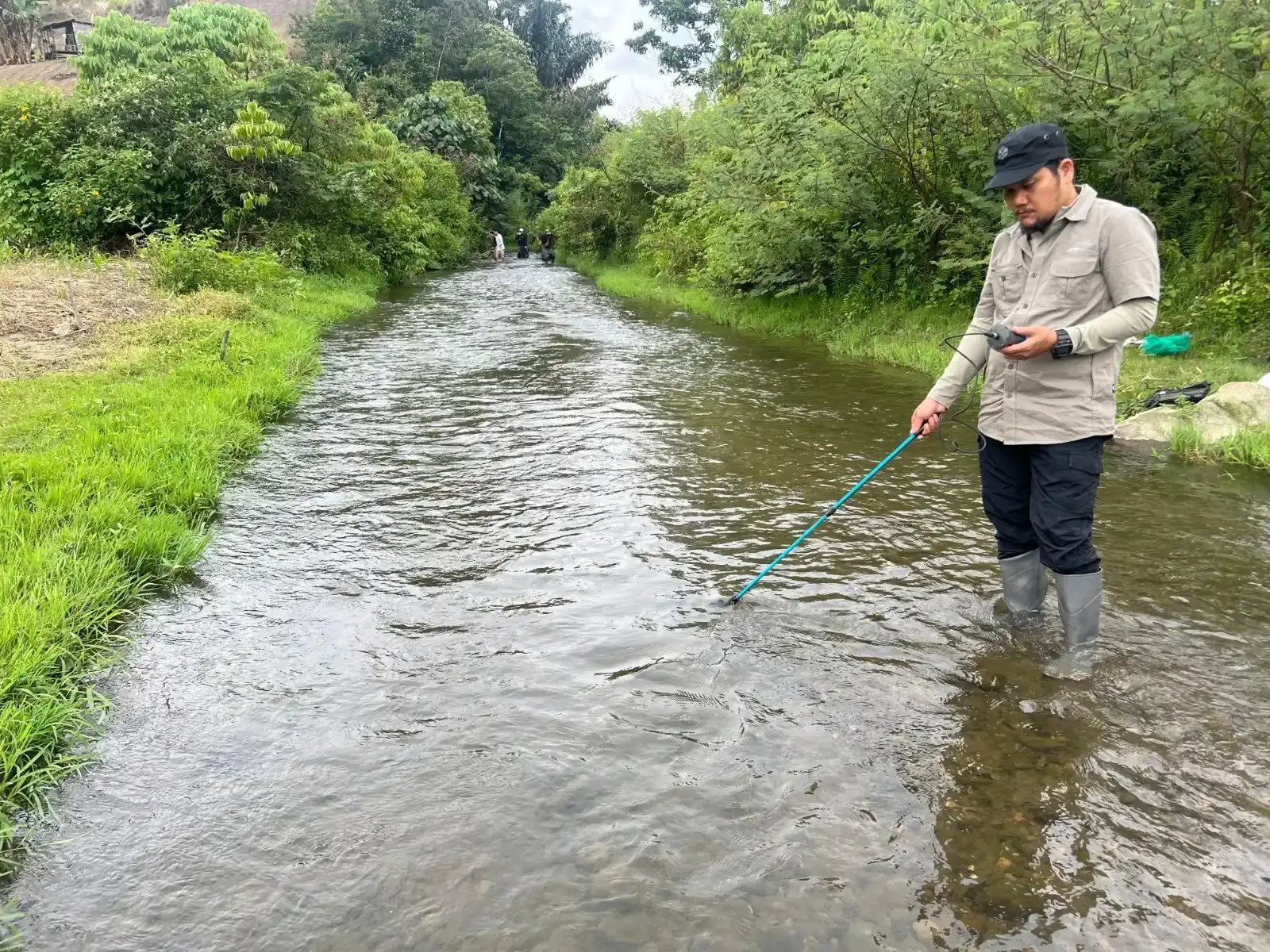
The Faculty of Agriculture's elite Aquatic Environment Laboratory flawlessly provides all necessary high-tech research infrastructure for executing these environmental measurements and advanced aquatic biological analysis. Furthermore, in 2025, USU assessed fish biodiversity across the Belawan Watershed, identifying exactly 12 fish species to perfectly evaluate habitat conditions. These massive 2025 publications and documented coastal assessments definitively prove USU's absolute dominance in using chemical, biological, and spatial indicators to evaluate aquatic conditions.