


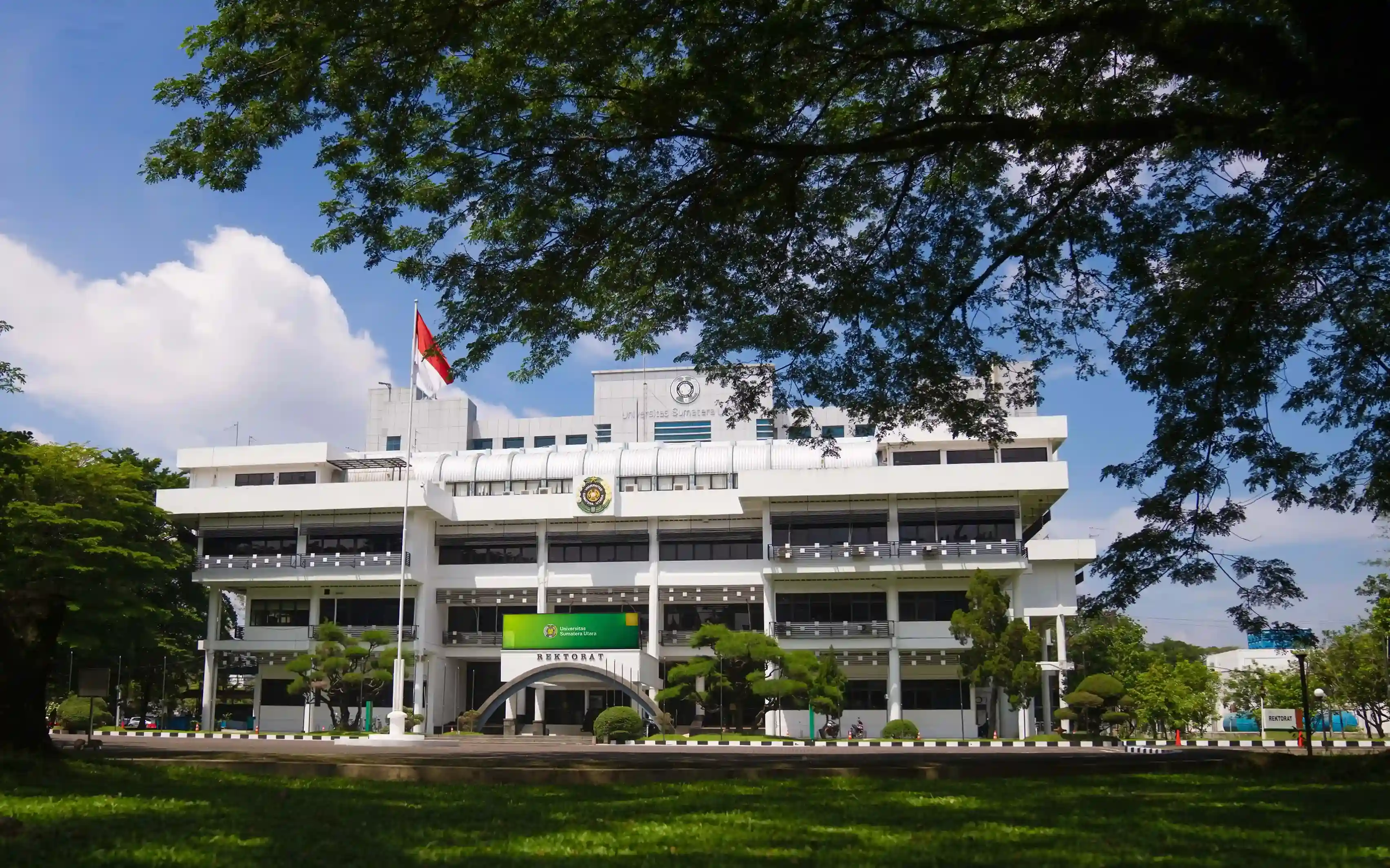
MEDAN, Indonesia — Universitas Sumatera Utara (USU) strengthened education addressing the Sustainable Development Goals (SDGs) in 2025 through dedicated degree programmes, discipline-specific courses and supervised field learning. The university’s curriculum inventory identified 613 courses covering sustainability or biodiversity, while its forestry and environmental management programmes expanded international teaching and reviewed their curricula.
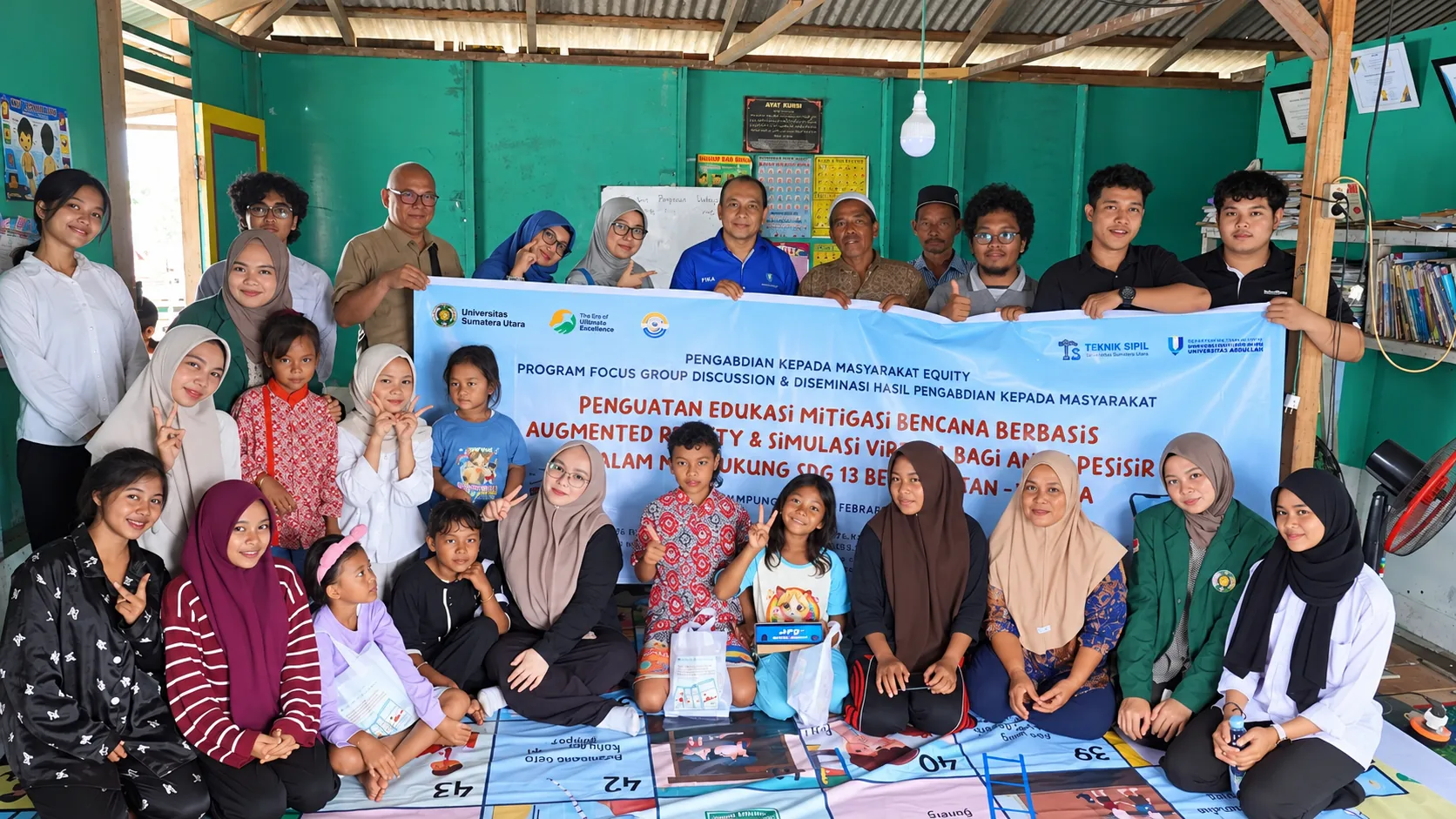
Curriculum Review Identifies 613 Sustainability-Related Courses
USU’s academic inventory lists 9,157 unique courses across 183 study programmes. A review of course descriptions and Semester Learning Plans (RPS) found that 613 courses, or 6.7% of the total, cover at least one sustainability or biodiversity topic. The recorded subject areas include environmental management, biodiversity, resource use, climate change, health, economics and social development. The count identifies courses with relevant content; it does not mean that all 613 are dedicated SDG degree programmes.
The university course inventory and sustainability/biodiversity course register provide the quantitative basis for this assessment. USU uses these findings to inform further course planning and curriculum development.
Dedicated Master’s, Doctoral and Forestry Degrees
USU’s Postgraduate School offers Master’s and Doctoral programmes in Natural Resources and Environmental Management. On 19 December 2025, a doctoral candidate completed research on peat ecosystem management in the Toba Highlands, incorporating land cover, peat soil quality and community perspectives. Programme lecturers also joined a national environmental science curriculum meeting at Universitas Syiah Kuala in September, examining study programme development and integrated waste management. The programmes received a university award for international collaboration in December.
The Faculty of Forestry provides Bachelor’s and Master’s degrees accredited internationally by ASIIN. Its 2025 programme anniversary highlighted 26 years of forestry education. The undergraduate curriculum review reaffirmed sustainable forestry and local knowledge, while a Master of Forestry curriculum workshop addressed ESG principles and sustainable forest management. The proposed master’s structure comprises 38 credits over three semesters; it is described here as a curriculum design rather than an already completed cohort.
International Classes and Specialist Sustainability Teaching
In the first semester of the 2025/2026 academic year, Forestry introduced five English-taught international classes under Rector’s Decree No. 3857/UN5.1.R/SK/SPB/2025. Topics included Forest Management, Urban Forestry, In-situ and Ex-situ Conservation Techniques, Human–Wildlife Conflict Management, and Wood Adhesives and Lignocellulosic Materials. These classes provide structured teaching on habitat protection, forest resources and urban environments.
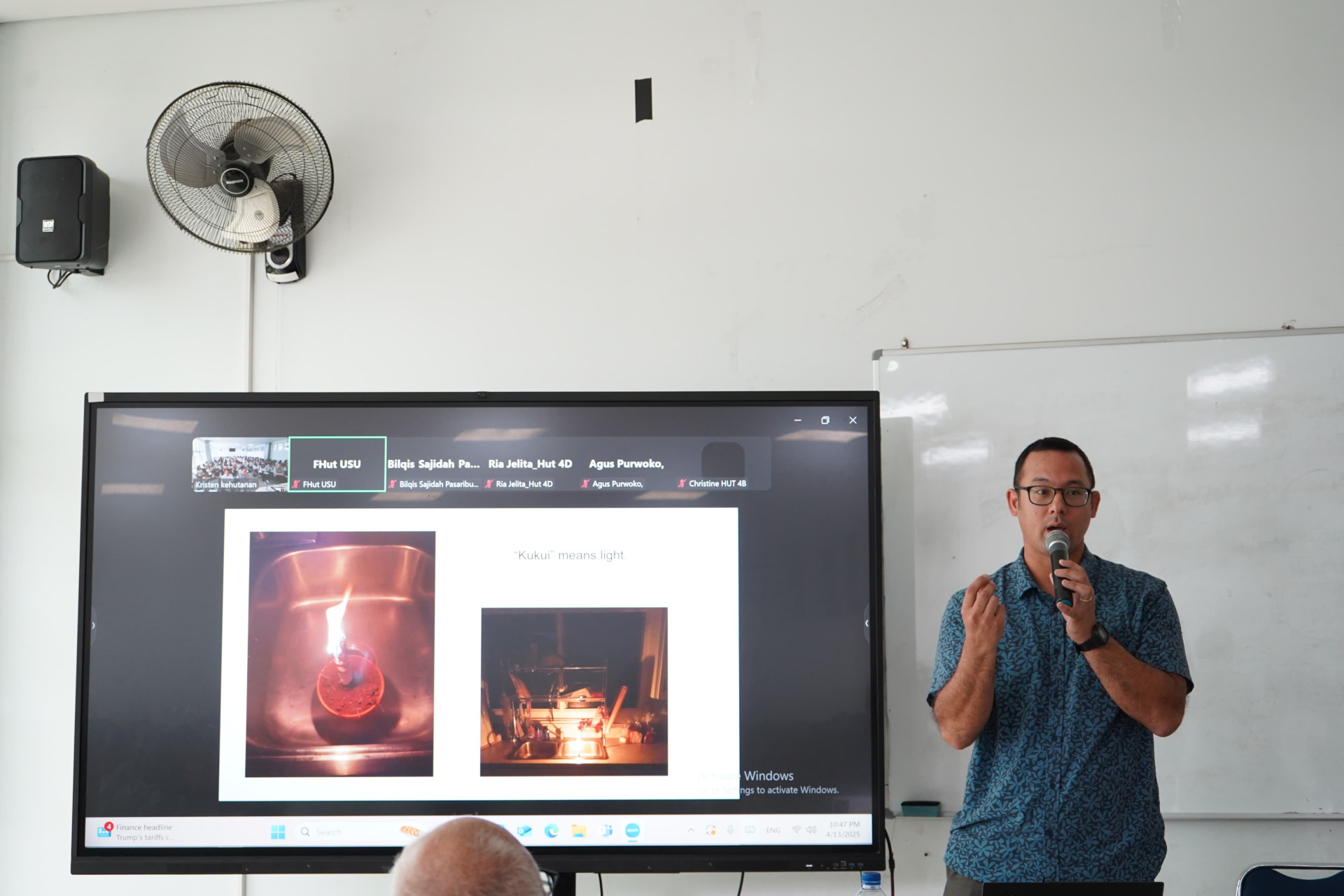
The Forestry Policy and Regulation course also drew on specialist practitioners. An international lecture on climate policy considered environmental implications for forestry and aviation, while a University of Hawai‘i guest lecture examined tropical oilseed trees as potential sustainable aviation fuel feedstocks. Through three May sessions with the Leuser Conservation Partnership, students examined FOLU Net Sink 2030, timber legality and international forest governance.
Field-Based Learning and Sustainability Across Disciplines
Practical instruction formed part of the curriculum. On 23 June, more than 100 forestry students began ten days of mandatory Forest Ecosystem Recognition Practice at KHDTK Pondok Buluh in Simalungun. Activities included vegetation and wildlife inventories, environmental service assessments, non-timber forest products and conservation techniques.
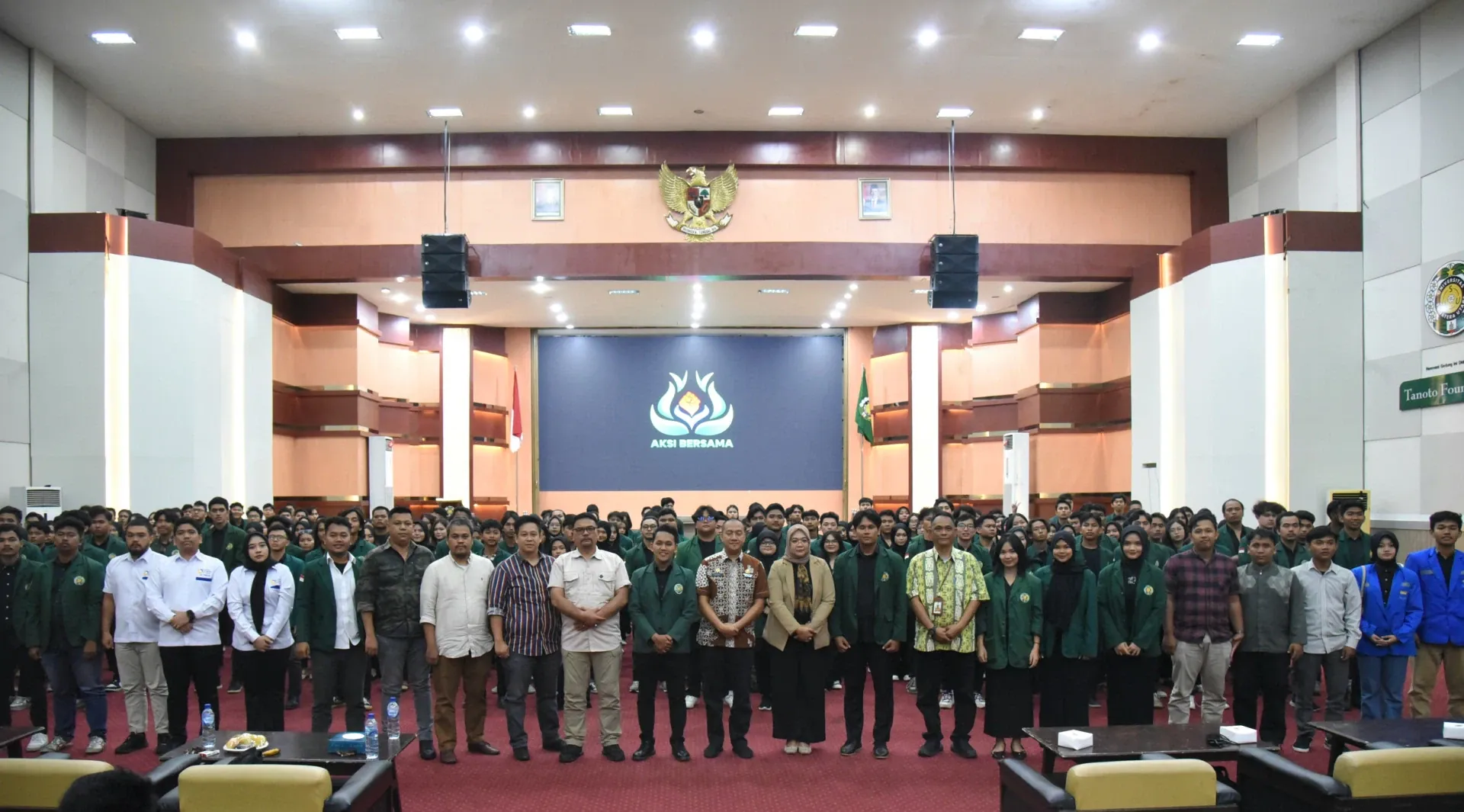
Sustainability teaching also appeared beyond environmental degrees. The Management Science postgraduate programmes hosted a discussion of carbon and biodiversity credits in February. Public Sector Accounting students joined an ESG and career-literacy webinar in October, and Forestry students learned from a Japanese researcher’s lecture on seaweed supply chains and coral conservation. These examples show how SDG themes are addressed through both specialist courses and teaching within other disciplines.
Supporting Sustainability Education Across USU
Together, the 613-course mapping, degree offerings, international classes, practitioner teaching and field practice provide documented evidence of USU’s sustainability education in 2025. The institutional approach connects curriculum content with research, professional experience and practical environmental management, contributing particularly to SDGs 4, 13, 15 and 17.