


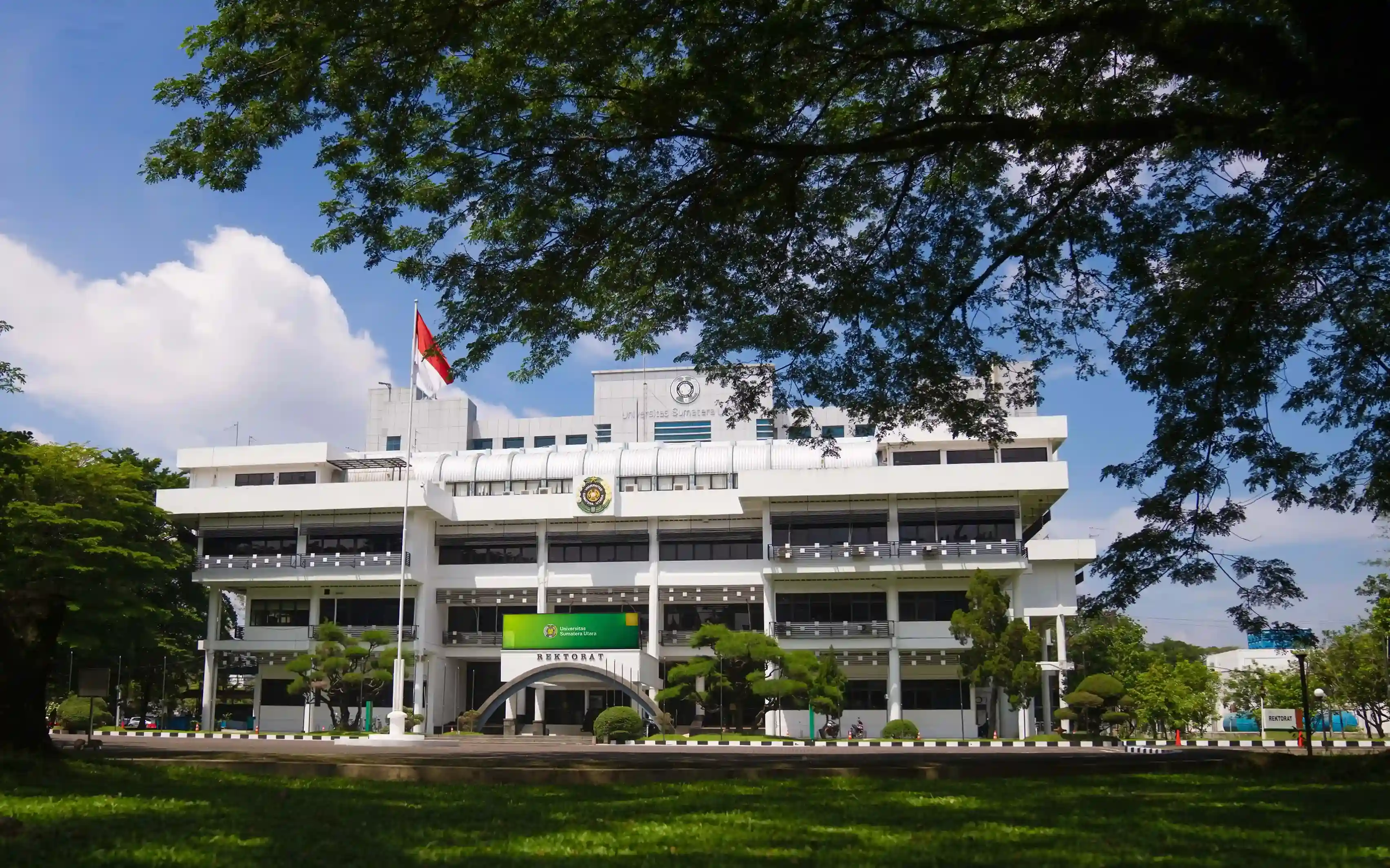
MEDAN, Indonesia — Universitas Sumatera Utara (USU) strengthened cooperation with non-governmental organisations, philanthropic foundations and community groups throughout 2025, bringing university expertise into humanitarian assistance, environmental protection, farmer empowerment and education. The activities combined direct fieldwork with research agreements, policy discussions and teaching partnerships to address several Sustainable Development Goals (SDGs).
Volunteers Work with Civil Society to Support Flood-Affected Families

On 21 December 2025, the Faculty of Medicine and the USU Peduli task force joined Artha Graha Peduli in a community health response in Medan Marelan. Working with the Terjun community health centre, medical personnel and volunteers reached 355 flood-affected residents. The service included health examinations, treatment, medicines, ready-to-eat meals, basic life support training and psychosocial consultation. The reported figure counts residents served at this event, not all people affected by the disaster.
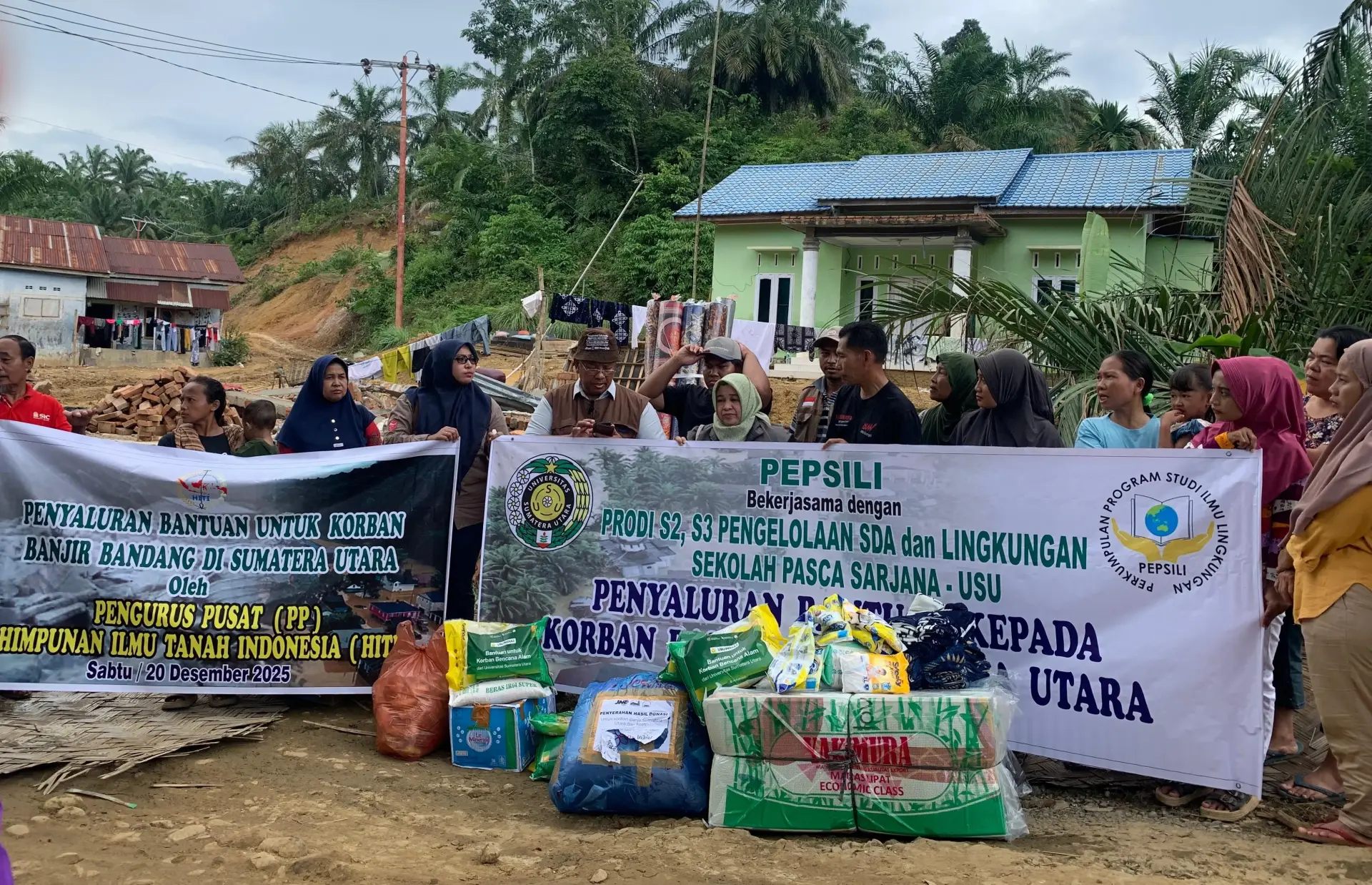
Elsewhere, USU postgraduate students, alumni and Forestry students worked with PEPSILI, HITI and the community organisation BKM Syuhada to distribute flood relief in Harapan Makmur and Tangkahan Durian, Langkat Regency. Academic staff and volunteers delivered donations to affected households, linking environmental-science networks with community assistance.
Cooperation on longer-term health needs also advanced. At a 16 July meeting, the Faculty of Medicine and Dompet Dhuafa Waspada discussed stunting prevention and community healthcare using community-based services and partner-supported schools. Dompet Dhuafa reported 43,956 beneficiaries across its own education, health and economic programmes from January to July 2025. This was the organisation’s reported reach, not a verified beneficiary count for USU’s joint programme. Proposed activities included community needs mapping and a healthy-tempeh enterprise initiative.
NGO Research Partnerships Address Biodiversity and Rural Livelihoods

The Faculty of Law signed a cooperation agreement with the Orangutan Information Centre on 13 November 2025. The agreement sets out joint work on environmental law, research, capacity building, workshops and community service to support orangutan and habitat conservation. It provides a framework for future joint delivery rather than evidence that every planned activity was completed in 2025.

The Faculty of Agriculture also engaged Yayasan Bitra Indonesia on 28 April and signed a cooperation agreement on 23 May to strengthen farmer empowerment, education and applied research. Bitra works with farmers and marginalised communities in North Sumatra and Aceh, particularly on environmentally responsible agriculture.
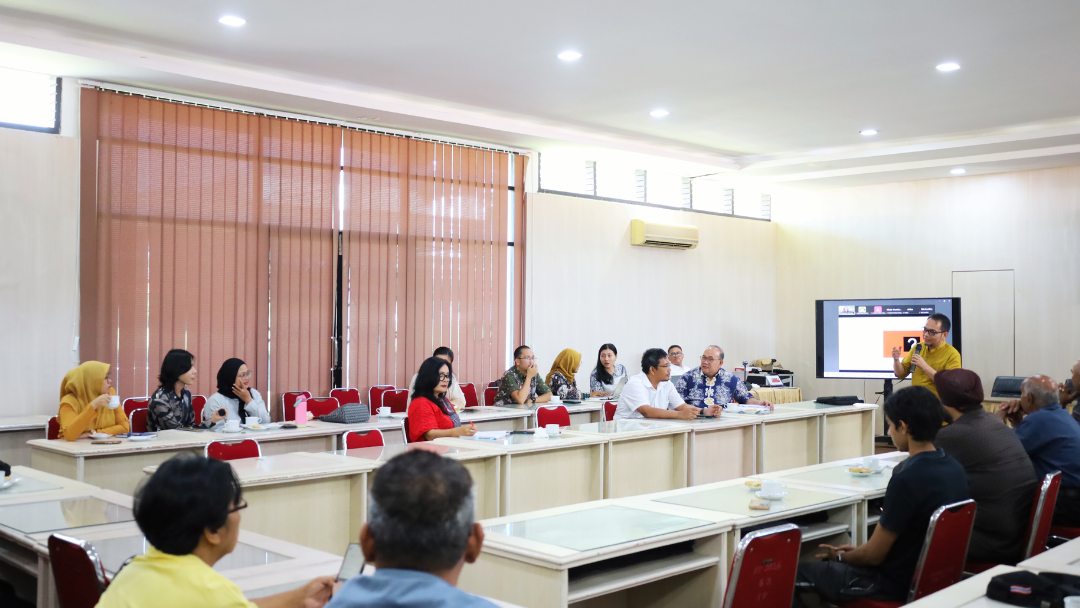
On 18 July, the Animal Science Study Program and LATERAL convened a discussion on North Sumatra’s dairy buffalo with farmers, public livestock agencies, researchers and legislators. Participants discussed a reported population of approximately 350 animals and options for breeding and milk-product development. The findings were being prepared as a policy brief for decision-makers.
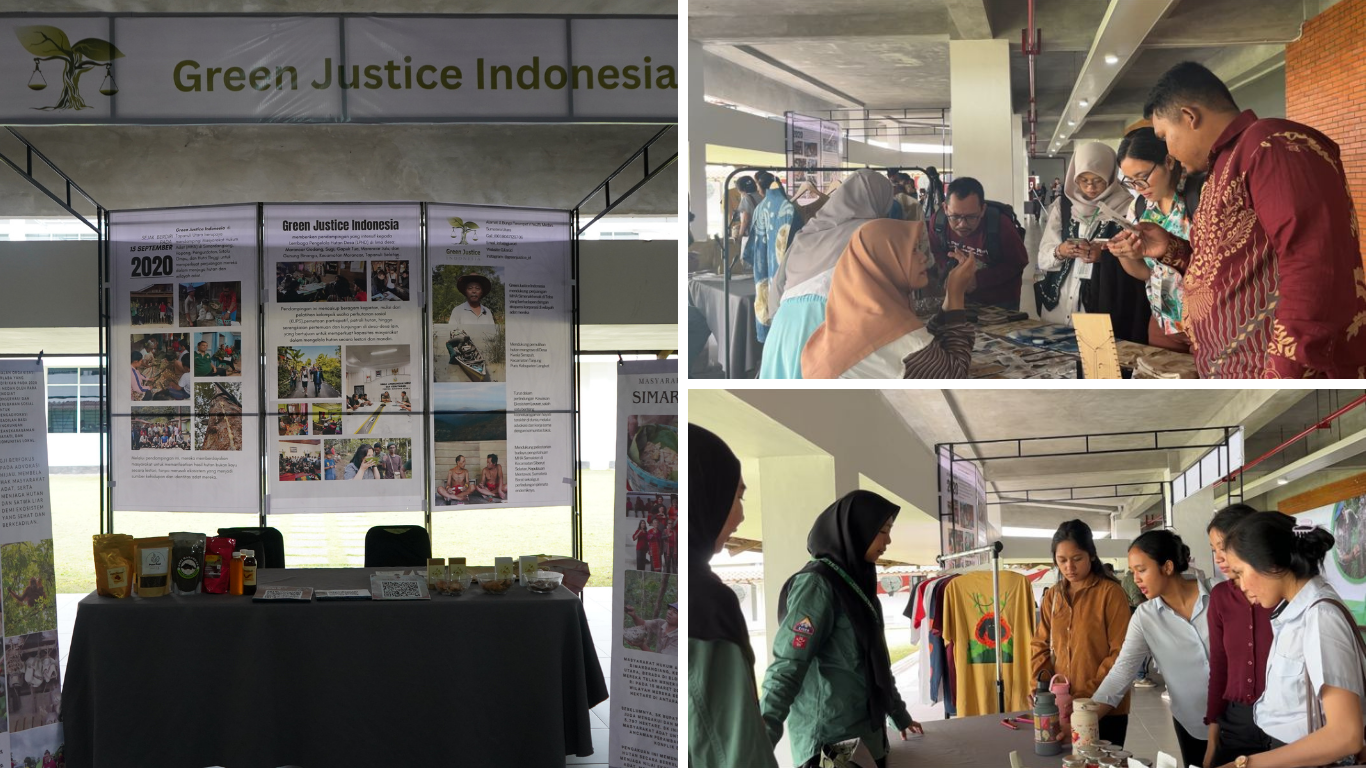
Community forestry was another focus. With Green Justice Indonesia, USU held a national forum on non-timber forest products on 15 September. Contributions from conservation groups, indigenous community representatives and producers covered forest-based enterprises, downstream processing and recognition of local rights. The event also featured community products.
Further partnerships linked institutional expertise with social financing and cultural research. On 1 July, Baitulmaal Muamalat and the Faculty of Agriculture signed an agreement concerning productive waqf and agricultural innovation, including potential corn-cob briquette production. On 8 May, the History Study Program and Karo Foundation held a symposium on the Aru Kingdom and Karo civilisation, accompanied by an agreement supporting continued historical research and student involvement.
Civil Society Practitioners Contribute to Teaching and Learning
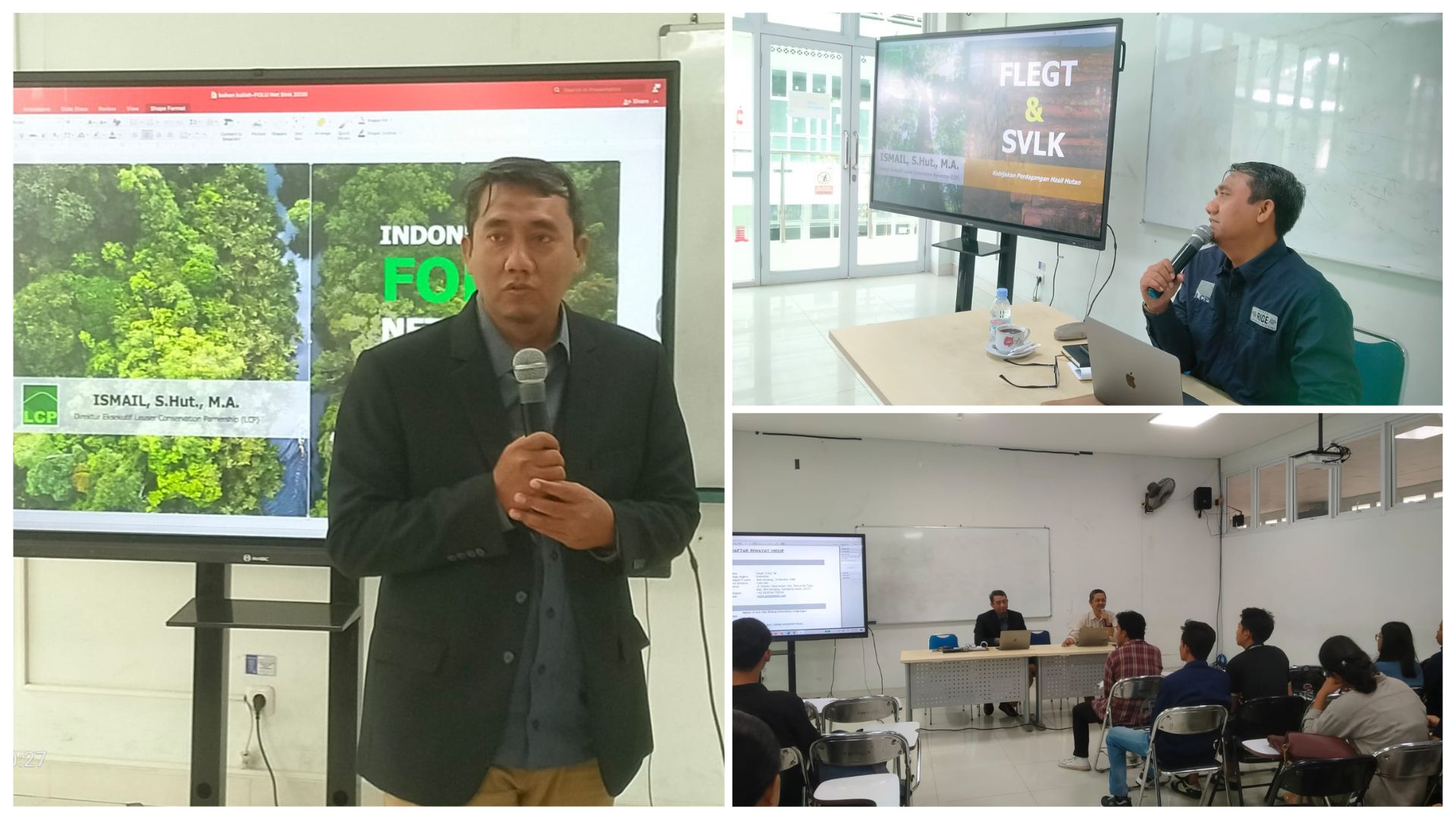
USU also drew on NGO expertise directly in its curriculum. On 17, 24 and 31 May 2025, the Executive Director of the Leuser Conservation Partnership taught three Forestry Policy and Regulation sessions covering Indonesia’s FOLU Net Sink 2030 commitment, timber legality, international forestry agreements and forest-policy history. These were practitioner-led classes within the regular course, not simply a proposed future collaboration.
On 25 April, the Faculty of Forestry, the North Sumatra conservation agency and Yayasan Ekosistem Lestari reviewed two guides to Batang Toru flora and orchids during a species-conservation workshop. The discussion highlighted local research priorities in a landscape that is home to the Tapanuli orangutan.

In public health education, the Faculty of Public Health and CISDI organised an anti-tobacco seminar on 26 May. Around 200 students from USU and other health institutions discussed how product packaging, lifestyle messages and low prices influence adolescent tobacco exposure.
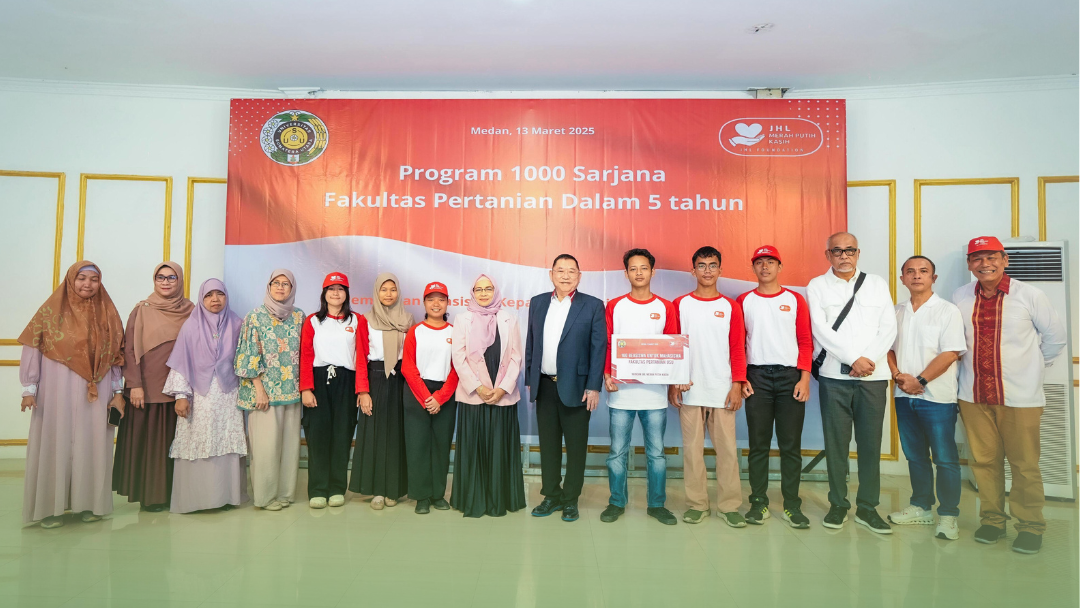
Philanthropic support also reached students. On 13 March, Yayasan JHL Merah Putih Kasih awarded scholarships to 97 Agriculture students and delivered a public lecture on the future of Indonesian agriculture. The foundation’s aspiration to support 1,000 graduates over five years is a programme target, distinct from the 97 scholarships reported at the handover.
Partnerships Extend USU’s Contributions to the SDGs
These 2025 activities demonstrate different forms of cooperation with civil society: volunteers providing immediate assistance, organisations framing joint research and community programmes, and practitioners contributing directly to university learning. Taken together, they support SDG 17 through institutional partnerships and contribute to goals covering poverty reduction, food security, health, education, sustainable livelihoods and terrestrial conservation.