


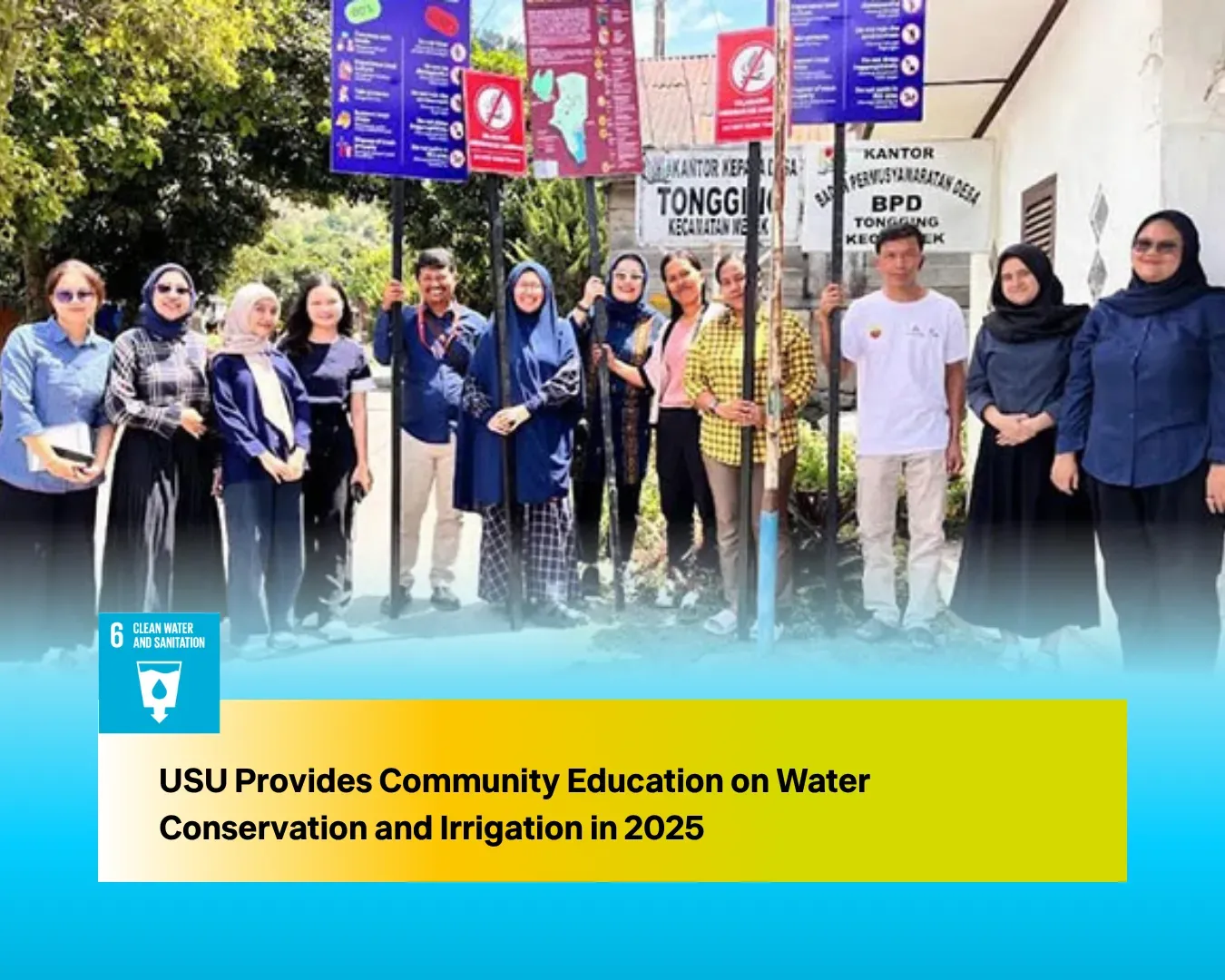
Medan, Indonesia. Universitas Sumatera Utara (USU) provided local communities with educational opportunities related to water management in 2025 through environmental discussions in Tongging and practical irrigation support in Pansur Napitu. These activities connected academic knowledge with local priorities, enabling residents to discuss water conservation and learn about managing agricultural water supplies.
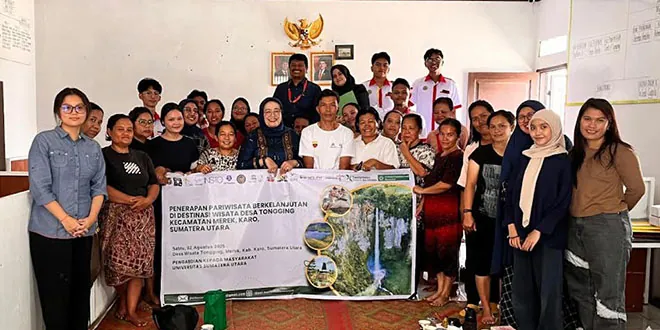
In Tongging Village, Merek District, Karo Regency, the university held community outreach and a focus group discussion on 2 August 2025. The TALENTA community service team, led by Prof. Ir. Nurlisa Ginting, M.Sc., Ph.D., worked with village officials, the local tourism awareness group and residents, with involvement from students and alumni.
The discussion addressed responsible environmental management as part of sustainable tourism. Water conservation was explicitly included alongside waste management and the protection of natural areas. By placing these topics within local tourism activities, the programme gave residents an opportunity to consider how environmental responsibilities relate to the management of their village and its visitor economy.
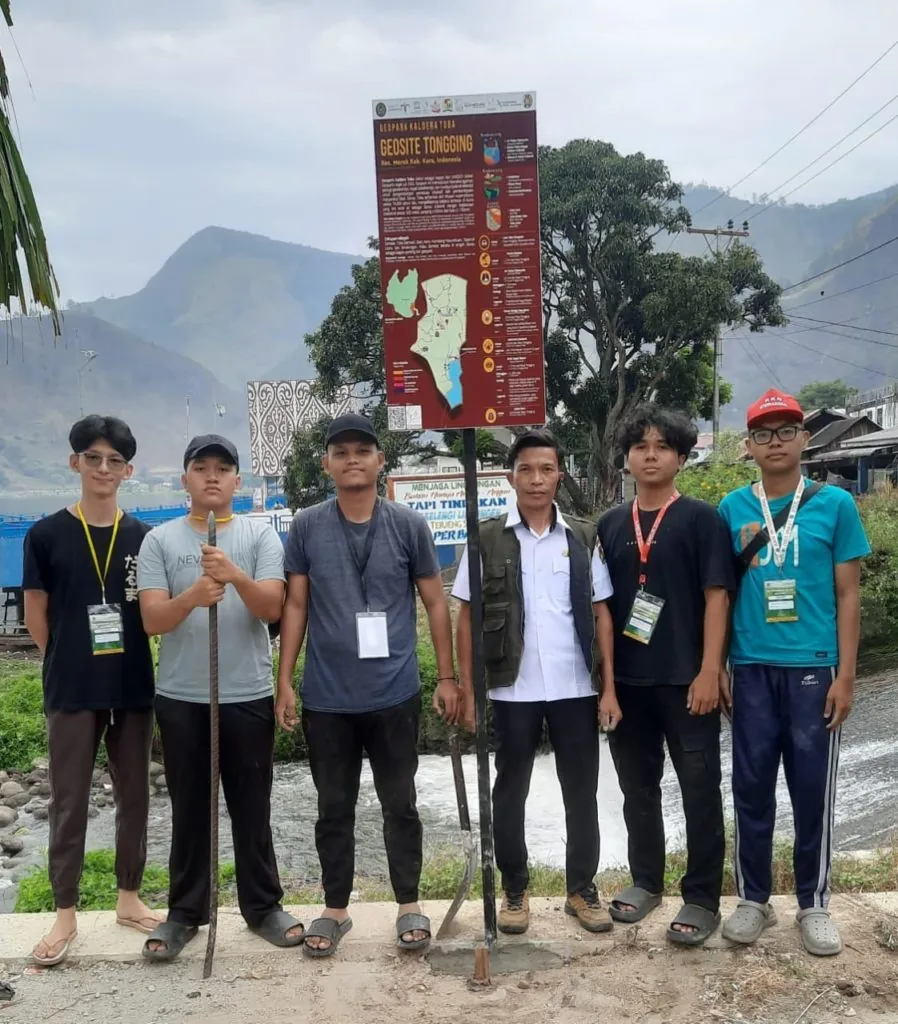
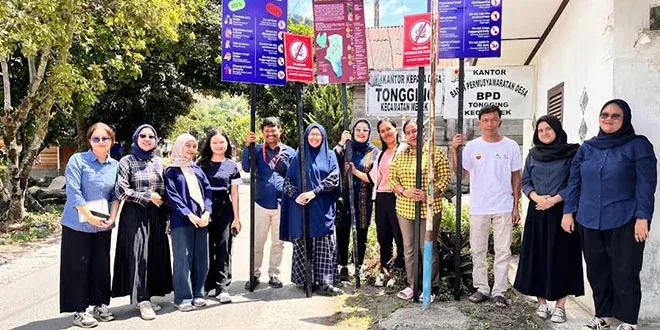
The Faculty of Engineering’s account also records discussions with tourism managers and residents, the preparation and distribution of educational brochures, and the installation of informational signage. These formats extended learning beyond the discussion session and supported communication about sustainable tourism practices.
A second programme addressed agricultural water shortages in Pansur Napitu Village, Siatas Barita District, North Tapanuli Regency. A 2025 report by Budi Utomo, Kasmir Tandjung and Marheni documents work during June to October, supported by LPPM USU through TALENTA funding.
The report describes instruction on operating, maintaining and repairing a portable irrigation pump, supported by theoretical explanations and field learning. Its results document community consultation, site inspections, equipment testing and delivery. Farmers and the village head participated in selecting the pump location, connecting technical assistance with local knowledge of the areas most vulnerable to water shortages.
The university’s 2025 Annual Report lists Pansur Napitu and Tongging among its supported village programmes, confirming their inclusion in institutional community engagement. The two examples demonstrate complementary educational approaches: conservation awareness within village tourism and practical learning around agricultural water infrastructure.
Together, these activities support a positive response to the question of whether Universitas Sumatera Utara offers local communities opportunities to learn about good water management. Their relevance to SDG 6 lies particularly in water-conservation learning and community participation, consistent with Targets 6.4 and 6.b. The documented contribution is the provision of education and practical support; measured water savings and long-term learning outcomes would require additional evaluation.