


Medan, Indonesia. Universitas Sumatera Utara supported energy efficiency and renewable-energy applications beyond campus in 2025 through industrial audit services, practical assistance to a local enterprise and collaboration with an industrial partner on village energy development. These activities connected university expertise with the operational and environmental needs of businesses and communities.
The Faculty of Engineering’s 2025 community-service record lists energy and water audit services for PT Pertamina Patra Niaga Regional Sumbagut. The recorded team includes Prof. Himsar Ambarita, Nanda Savira Ersa, Isra Suryati and Taufiq Bin Nur, alongside other specialists. The entry identifies the industrial client, service and activity year, documenting a direct contribution to assessment of energy and water use.
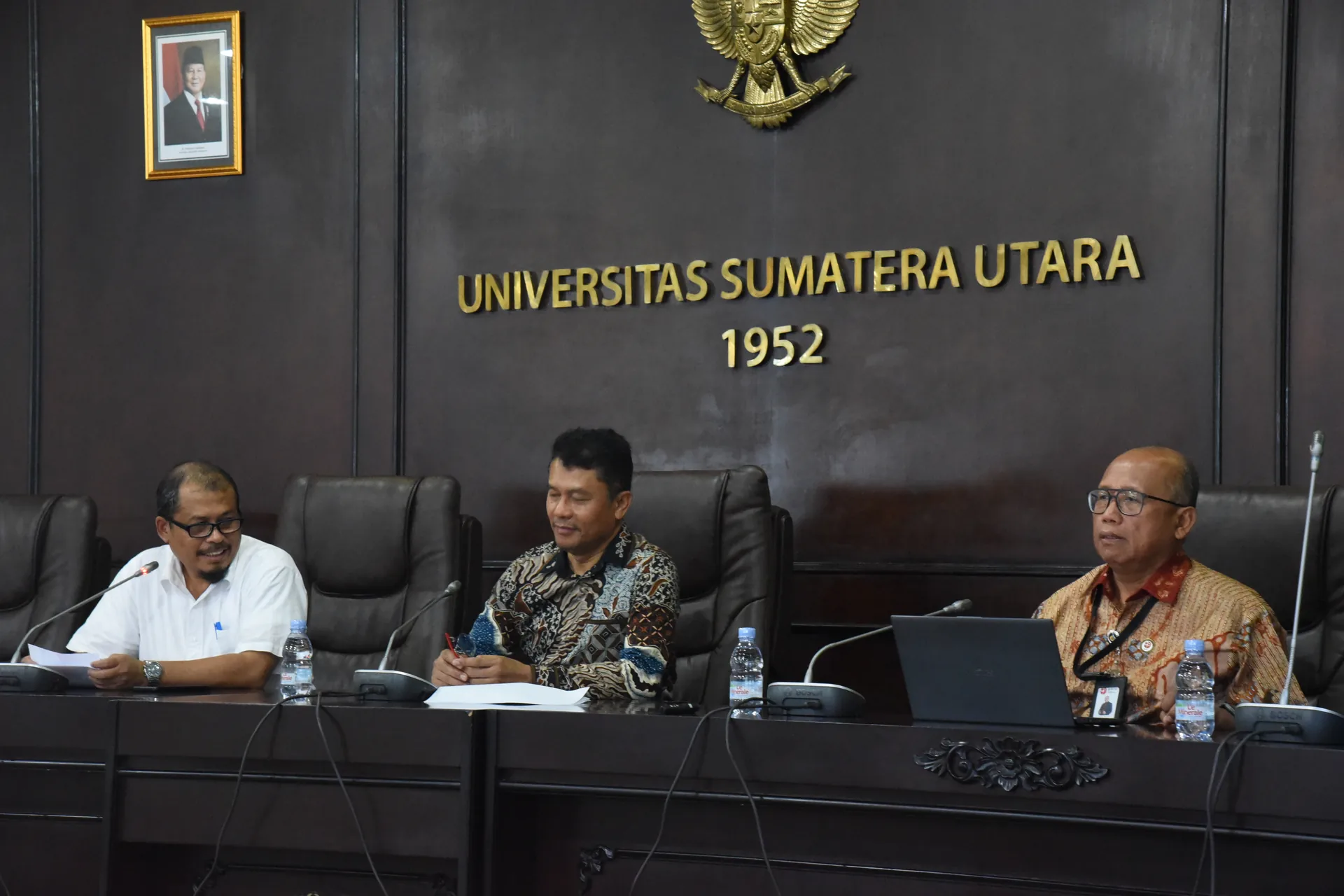
Technical assistance also reached BSF Ratna, a maggot-farming enterprise in Medan. In a report published on 14 June 2025, the Faculty of Engineering documented ECO-WAVE MAG, a community-service programme introducing a modified microwave dryer to address slow drying and inconsistent product quality.
The faculty reported that drying time decreased from approximately 12–24 hours to 3–4 hours, with final moisture content of 8–10%. These results demonstrate improved processing performance. The report describes improved energy efficiency but does not provide a numerical electricity-consumption comparison, so the reduction in processing time should not be presented as a measured percentage of energy saved.
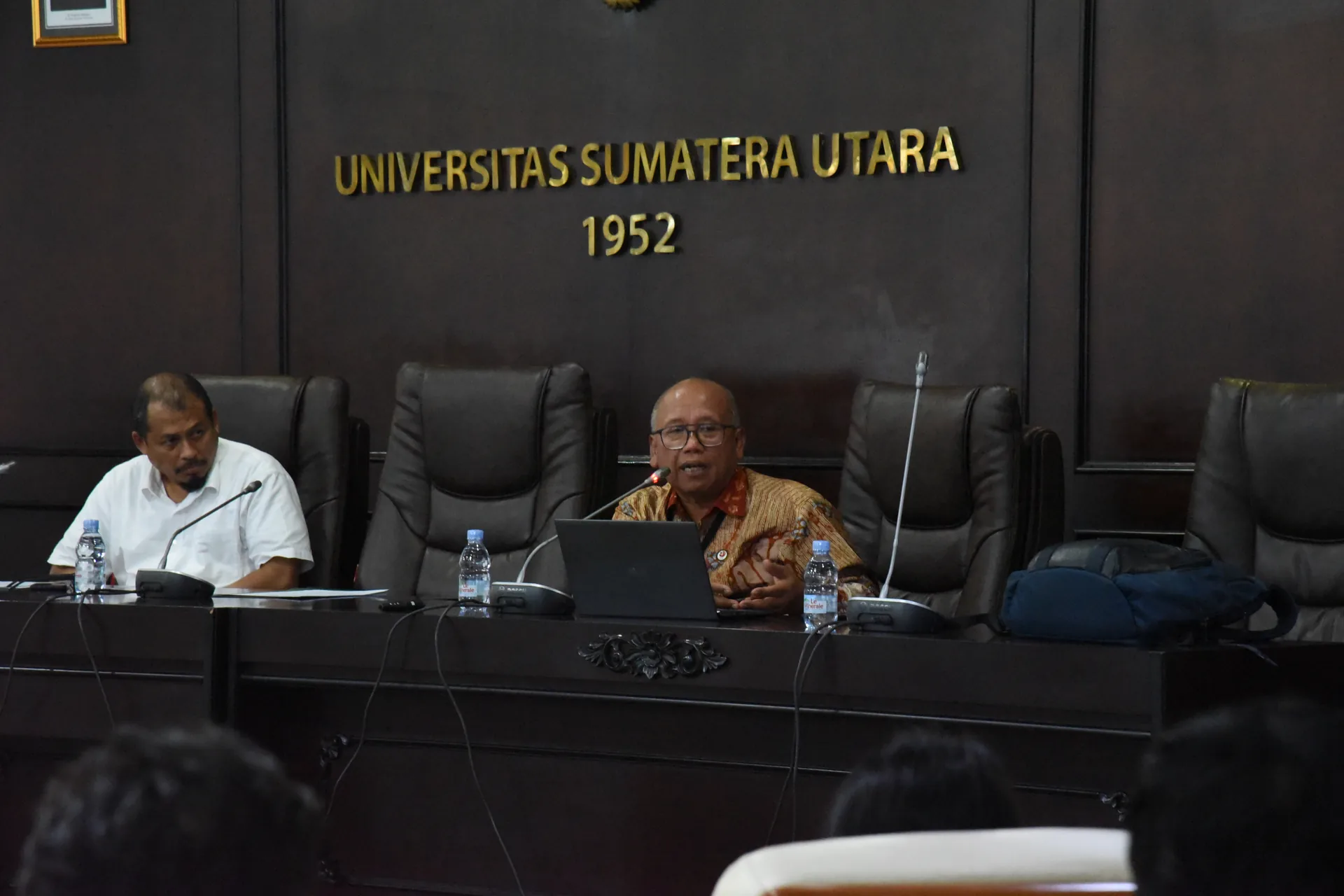
A 2025 project paper records implementation from May to November and describes assistance extending beyond equipment provision. The team surveyed the enterprise’s needs, modified the drying system, conducted technical trials and trained the partner in operation, moisture monitoring, energy-efficiency practices and basic maintenance. Continued mentoring supported independent use of the equipment.
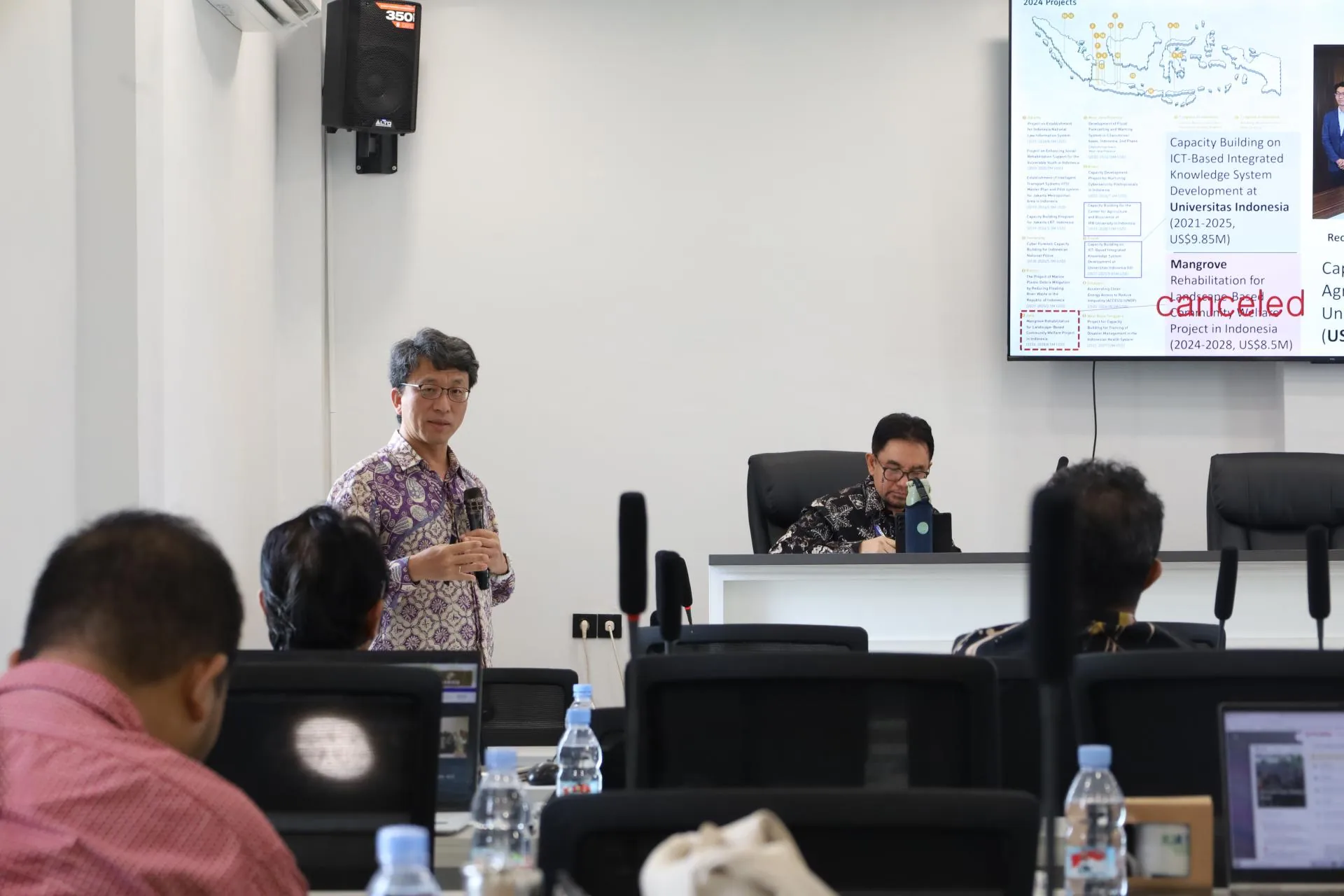
Renewable-energy collaboration with industry was also documented in a 25 April 2025 university report on Meat Village, Toba Regency. Dr. Tulus Ikhsan Nasution presented results of community service undertaken with PT Indonesia Asahan Aluminium (Inalum), including a 2,750-watt hydropower system and a solar-powered information house. University representatives inspected the outputs during a field visit on 24 April.
The Meat Village initiative demonstrates an industry partnership applying renewable-energy technology in a community setting. Its documented outputs concern village development and do not establish energy savings within Inalum’s industrial operations.
Together, the 2025 audit record and enterprise assistance demonstrate direct services supporting energy assessment, technical capacity and more efficient business processes. The Inalum collaboration adds evidence of practical renewable-energy cooperation. These activities support SDG Targets 7.2 and 7.3 and SDG 9 through the application of university expertise beyond campus.