


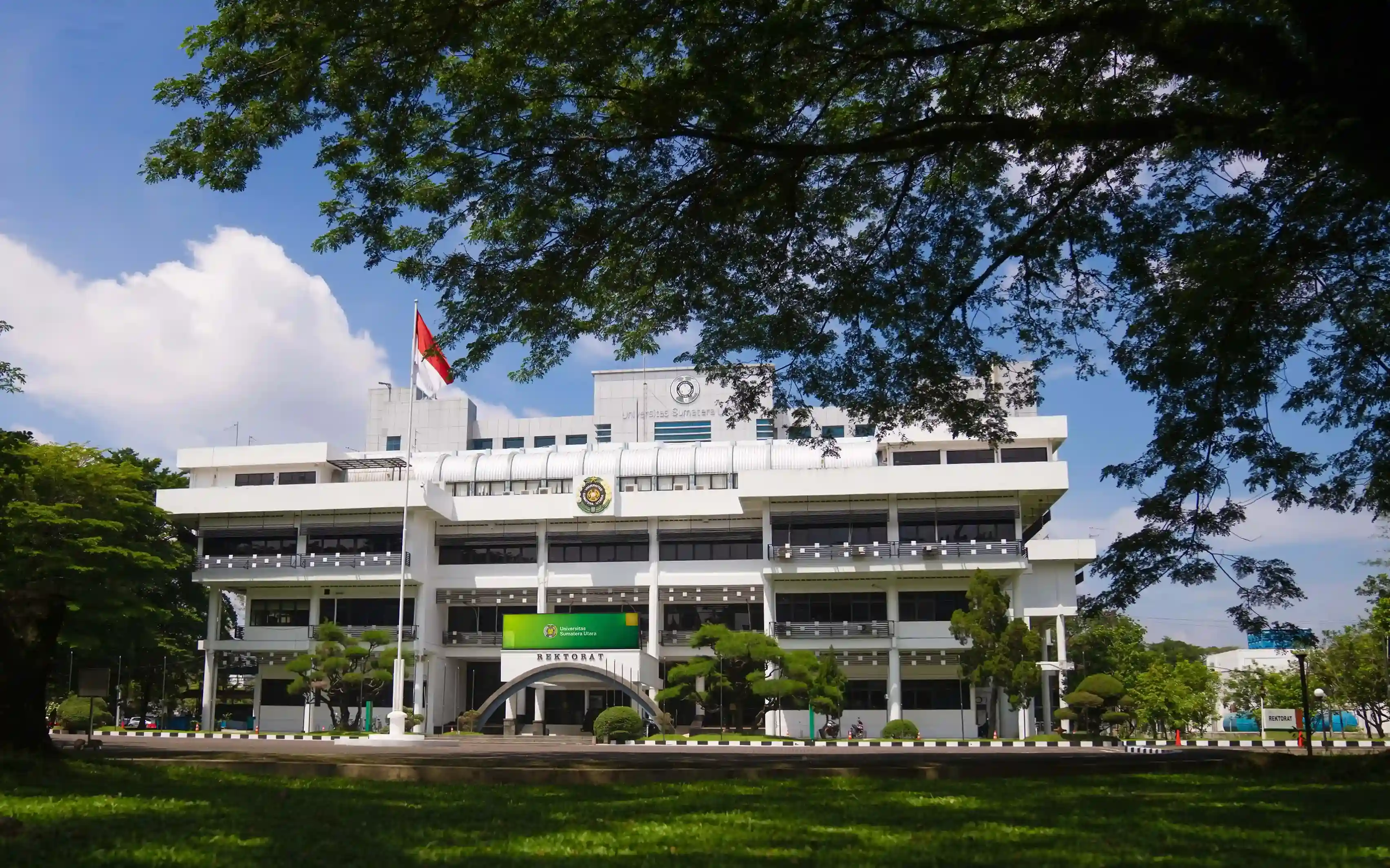
MEDAN, Indonesia - Universitas Sumatera Utara documented its 2025 contribution to Sustainable Development Goal 13 (Climate Action) through climate research, community-based conservation, teaching and emergency response. The university reported 231 SDG 13 publications, 2,115 citations, a 42% publication co-authorship rate and research partnerships spanning 97 countries. Its programmes included coastal erosion and blue-carbon assessments, tree planting, climate-focused education and assistance to communities affected by severe flooding.
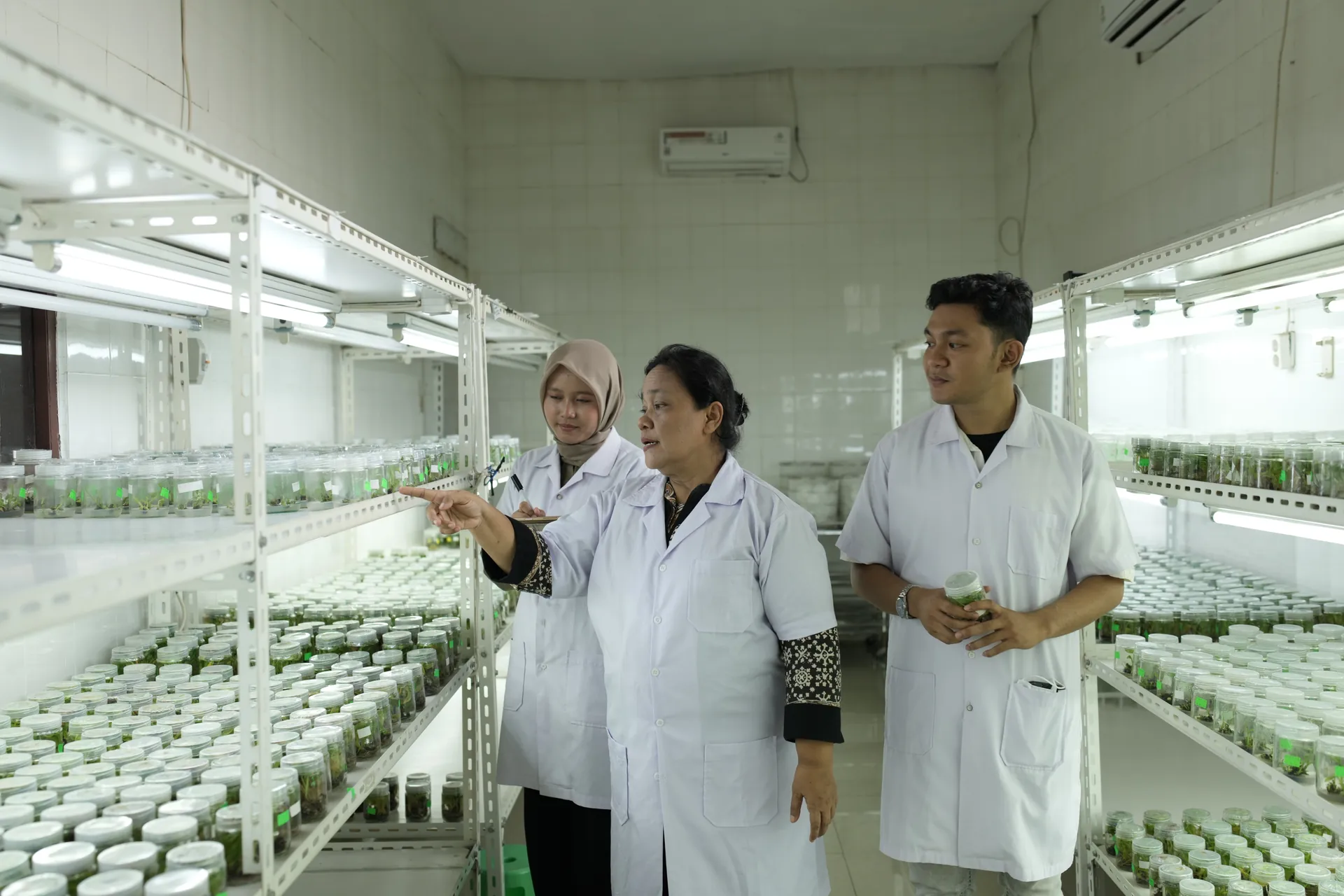
Institutional reporting also recorded smart-building systems covering 38% of campus building area and 53.543 GJ of low-carbon energy use. USU reported a carbon footprint of 734.29 tCO₂ for 2024 and identified 2029 as its carbon-neutrality target. These indicators describe reported capacity, baseline emissions and a future goal, rather than verified emissions reductions achieved during 2025.
Climate Research Informs Public Policy and Coastal Protection
On 24 October 2025, researchers from the Faculty of Forestry participated in a Bappenas discussion on the national disaster resilience policy white paper . Dr. Achmad Siddik Thoha addressed drought, coastal abrasion, sea-level rise and forest fires, calling for stronger early warning systems, ecosystem restoration and risk-based spatial planning. The consultation provided research input for policy development towards 2045; the white paper was still in preparation.
A separate coastal and mangrove assessment in Labuhanbatu Utara examined approximately 1,822 hectares of mangroves. The researchers reported coastal erosion averaging 2.16 metres annually along affected areas of roughly 42 km of shoreline and estimated land loss of about 330 hectares. Carbon stocks in naturally recovering mangroves on Pulau Burung reached 258.62 Mg/ha. The team recommended rehabilitation, silvofishery and coordinated coastal management. Prof. Rahmawaty also presented Indonesian forestry and community adaptation experiences at an international climate conference in Melbourne in November.
Mangrove Restoration and Nature-Based Solutions
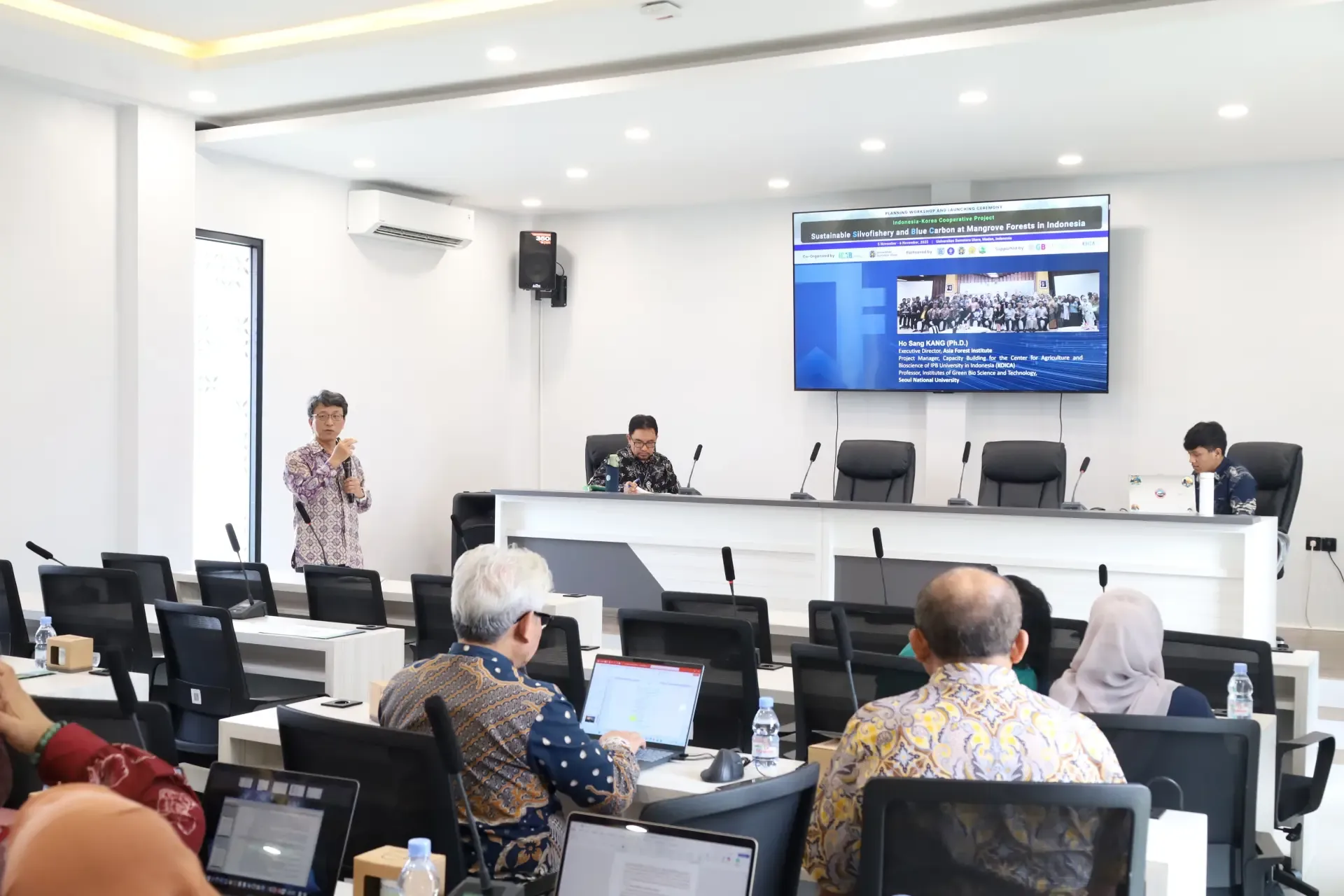
USU involved lecturers, students and coastal residents in mangrove planting at Beras Basah, Langkat in September, combining restoration activities with education on shoreline protection, biodiversity and carbon storage. The Faculty of Forestry also planted 100 fruit-tree seedlings at Kwala Bekala in February and contributed multipurpose tree seedlings to three flood-affected villages in Langkat later in the year. These planting activities are documented outputs, while survival rates and long-term carbon sequestration require subsequent monitoring.

Student innovation provided another route for reducing plastic use. The ECOWPOT biodegradable nursery pot uses Avicennia-based material as an alternative to plastic polybags in mangrove cultivation in Tanjung Rejo. Meanwhile, the IC-BaFoRa 2025 international conference brought researchers together to examine bamboo in erosion control, carbon storage and the substitution of conventional materials. Both initiatives explored potential climate solutions; the supplied reports did not quantify lifecycle emission savings.
Climate Education and International Knowledge Exchange
More than 48 forestry higher education institutions joined the 2025 national forestry student seminar at USU to discuss forest governance, emissions reduction and the FoLU Net Sink 2030 agenda. Climate-related teaching also extended across disciplines: Dr. Takahiro Ota discussed carbon and biodiversity credits with graduate students in February, while forestry students attended an international lecture on climate and aviation environmental issues and a seminar on sustainable biofuels in April. These activities expanded academic dialogue rather than constituting independently measured mitigation outcomes.
Flood Rescue, Recovery and Disaster-Risk Education
During the late-November floods in North Sumatra, Faculty of Forestry personnel joined night-time evacuation and rescue efforts in Medan Deli and Tanjung Pura , assisting older residents, a toddler and a woman in labour. In subsequent public discussion, USU forestry researchers explained links between land-cover change and flood vulnerability and urged protection of remaining forests and land-use planning consistent with environmental carrying capacity. The faculty also supported education recovery in three flood-affected Langkat villages through learning assistance and school supplies.
Disaster-risk learning continued through a flood-management guest lecture at the Faculty of Mathematics and Natural Sciences , a geoscience and satellite-data forum at the Faculty of Engineering and digital disaster-mitigation education at SMA Negeri 20 Medan Belawan . Together, these efforts connected research expertise with practical preparation, post-disaster recovery and community awareness.
Institutional Pathways and SDG Interlinkages
USU reported progress in climate-oriented research, ecosystem activities and low-carbon campus management, while retaining carbon neutrality in 2029 as a target. Its 2025 activities also connect SDG 13 with quality education (SDG 4), sustainable cities (SDG 11), life below water (SDG 14), life on land (SDG 15) and partnerships (SDG 17). Continued monitoring will be needed to establish longer-term environmental and community outcomes.