


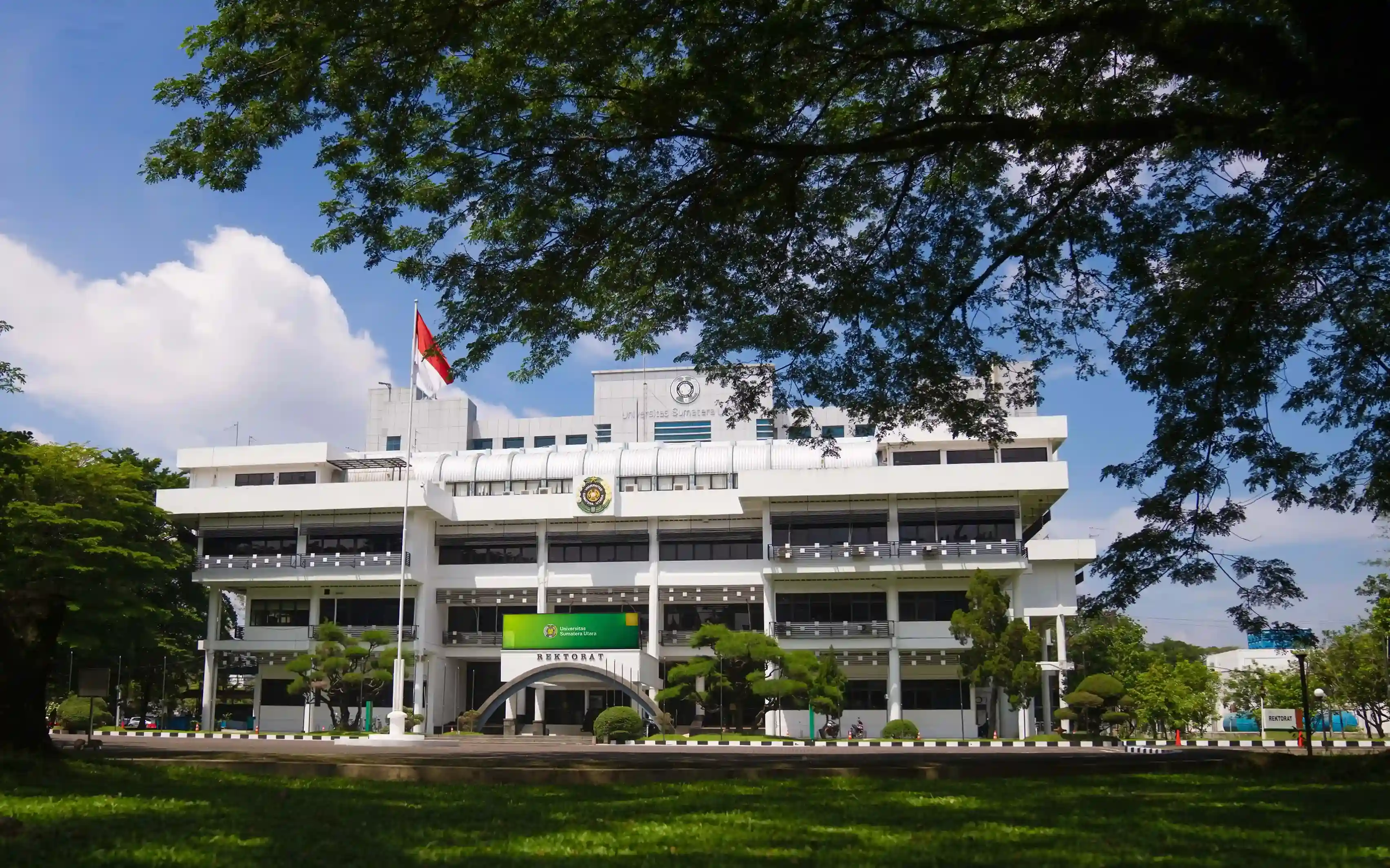
MEDAN, Indonesia - Universitas Sumatera Utara reported 407 SDG 15 publications, 2,521 citations, a 23.8% international co-authorship rate and research partnerships spanning 97 countries in 2025. The university also integrated sustainability and biodiversity into 613 courses and learning modules and reported 56 environmental rehabilitation and restoration programmes. Its work combined forest and species conservation, agroforestry, research partnerships and community learning across North Sumatra. These activities contribute to Sustainable Development Goal 15 (Life on Land).
Research, Biodiversity and Forest Protection
USU reported a specialised portfolio of 129 scientific outputs and 212 citations, with a Field-Weighted Citation Impact (FWCI) of 5.41. Research on the Gunung Leuser ecosystem and Padumaan Sipituhuta Customary Forest recorded FWCI values of 4.63 and 4.14, respectively, while a study of eucalyptus plantations reached 10.35. These bibliometric results reflect research attention, not necessarily measured conservation outcomes.
On 25 April, the Faculty of Forestry, BBKSDA North Sumatra and Yayasan Ekosistem Lestari held a Batang Toru species-conservation workshop featuring flora and orchid identification resources and the threatened Tapanuli orangutan. The faculty and PT Agincourt Resources agreed in March to survey flora around the Martabe research station, while the student-led ECOREST programme combined conservation education with indigenous knowledge among communities around Batang Toru. The survey agreement represents a research commitment rather than a completed biodiversity inventory.
In Simalungun, lecturers and students planted multipurpose tree species at KHDTK Pondok Buluh and taught residents to propagate wild seedlings. A separate team established a temporary nursery for rare trees at Kwala Bekala, allowing young plants to acclimatise before planting.
Agroforestry, Land Restoration and Disaster Recovery
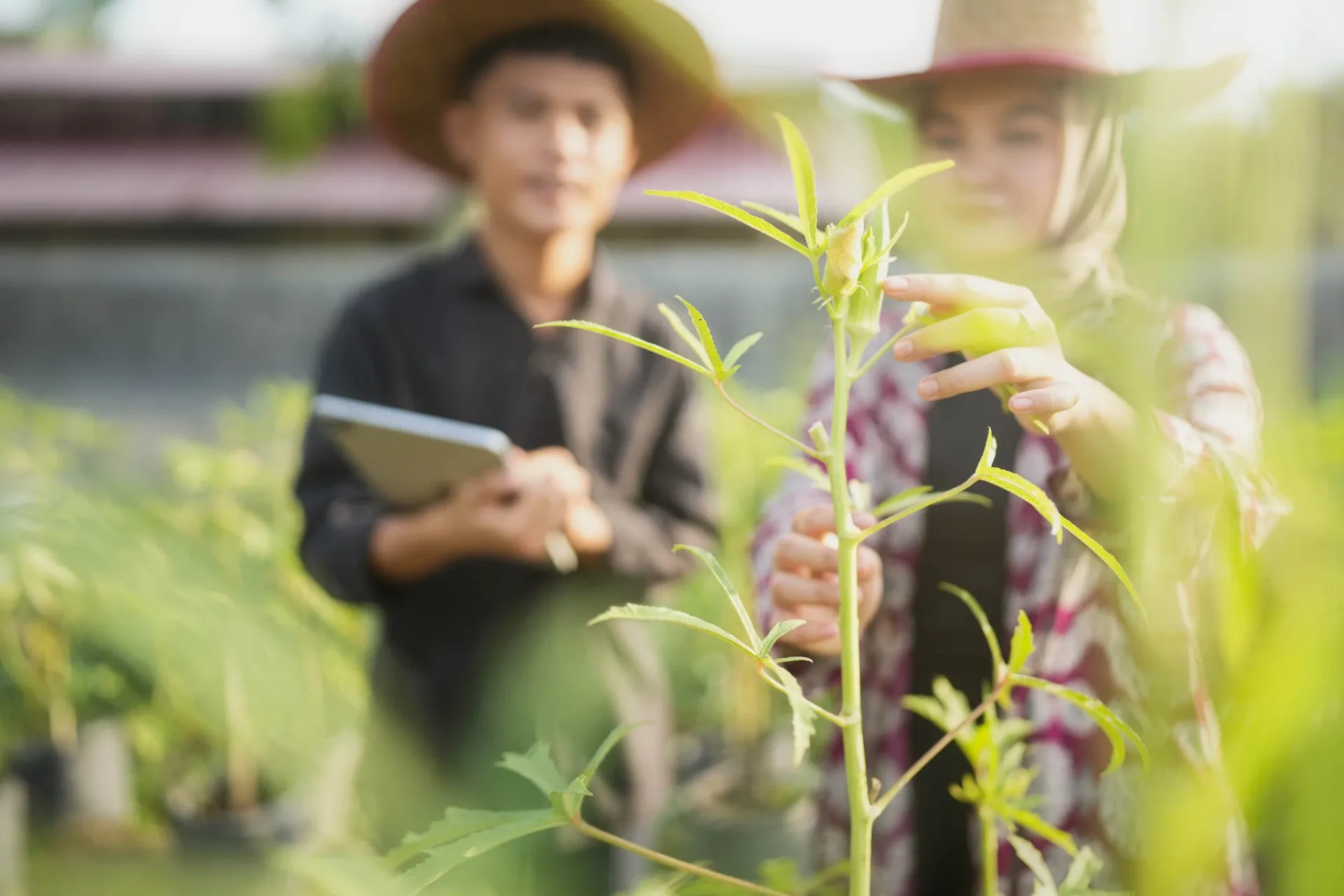
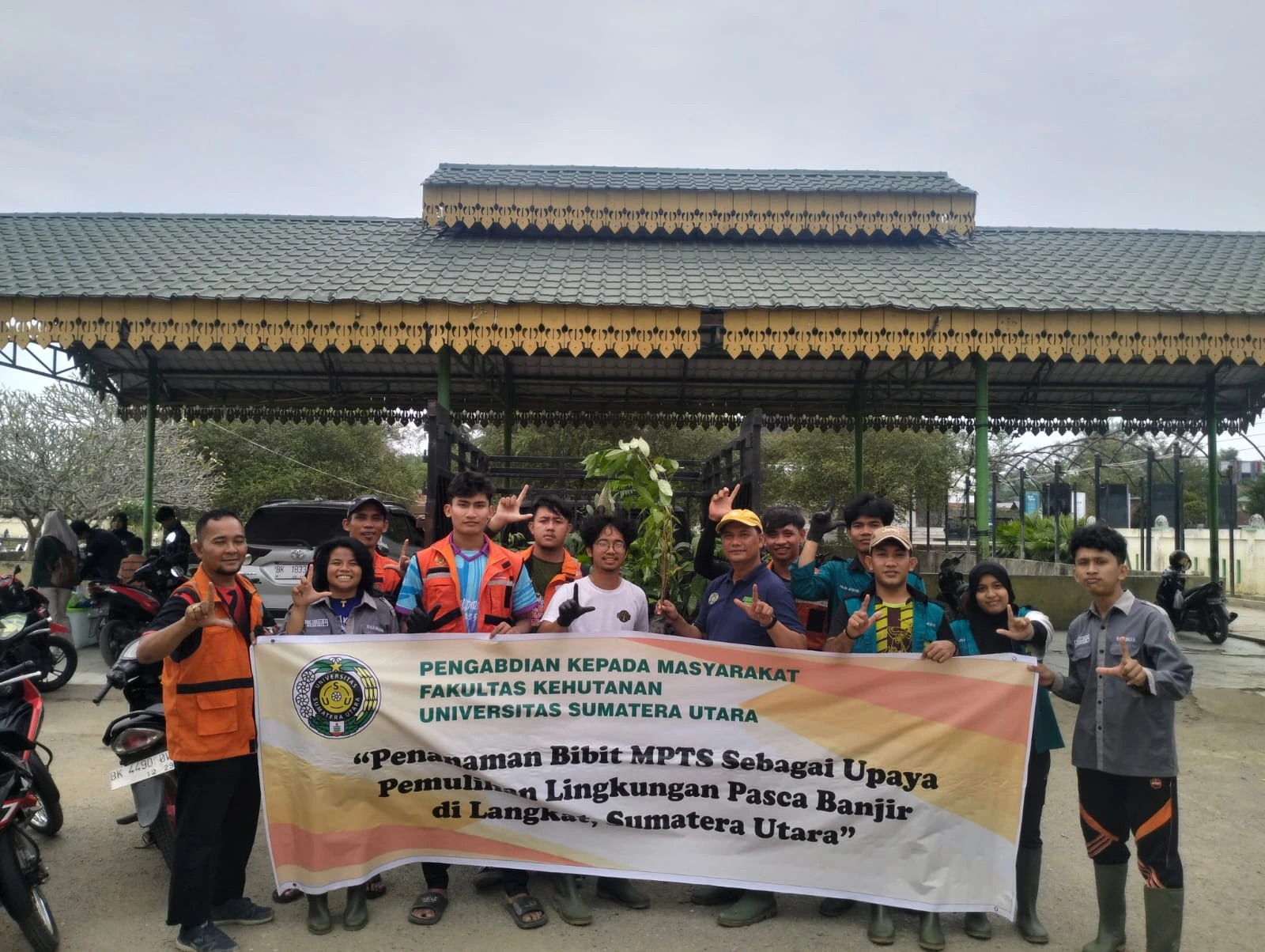
From August to October, USU teams worked with Pondok Buluh residents on agroforestry using multipurpose tree species, integrating trees and crops for food, fodder and environmental protection. The faculty also joined government partners in planting 100 trees at Kwala Bekala in February and supporting post-flood replanting in three villages in Langkat later in the year. In Simangulampe, Humbang Hasundutan, researchers trained farmers to turn water hyacinth into compost for flood-damaged farmland.
Following the late-2025 floods, Faculty of Forestry lecturer Dr. Achmad Siddik Thoha explained the relationship between deforestation and heightened flood risk and urged land-use planning that respects environmental carrying capacity. On 22 December, the faculty and APHI discussed sustainable forestry business models, including environmental services and non-timber forest products. The dialogue outlined potential directions rather than completed reforms.
Scientific Leadership and Conservation Education
Four Faculty of Forestry lecturers were inaugurated as professors in October, strengthening expertise in forest restoration, precision forestry, bamboo materials and low-impact timber harvesting. The faculty expanded knowledge exchange through a seminar with Prof. Xu Weihua on protected areas and ecosystem services and a public lecture on bioprospecting with conservation specialists. Speakers discussed how biodiversity protection can coexist with local economic opportunities, provided ecosystems and community rights are respected.
Forest-Based Livelihoods and Ecotourism
At a September national seminar on non-timber forest products, researchers, indigenous community representatives and civil-society organisations discussed resin, benzoin, medicinal plants, mushrooms and natural dyes as sustainable sources of value. The conservation student association HIMAKOVI used its sixth-anniversary activities to promote tree planting and exploration of conservation-oriented enterprises. These initiatives focused on learning, advocacy and enterprise opportunities, without quantified income impacts in the source reporting.
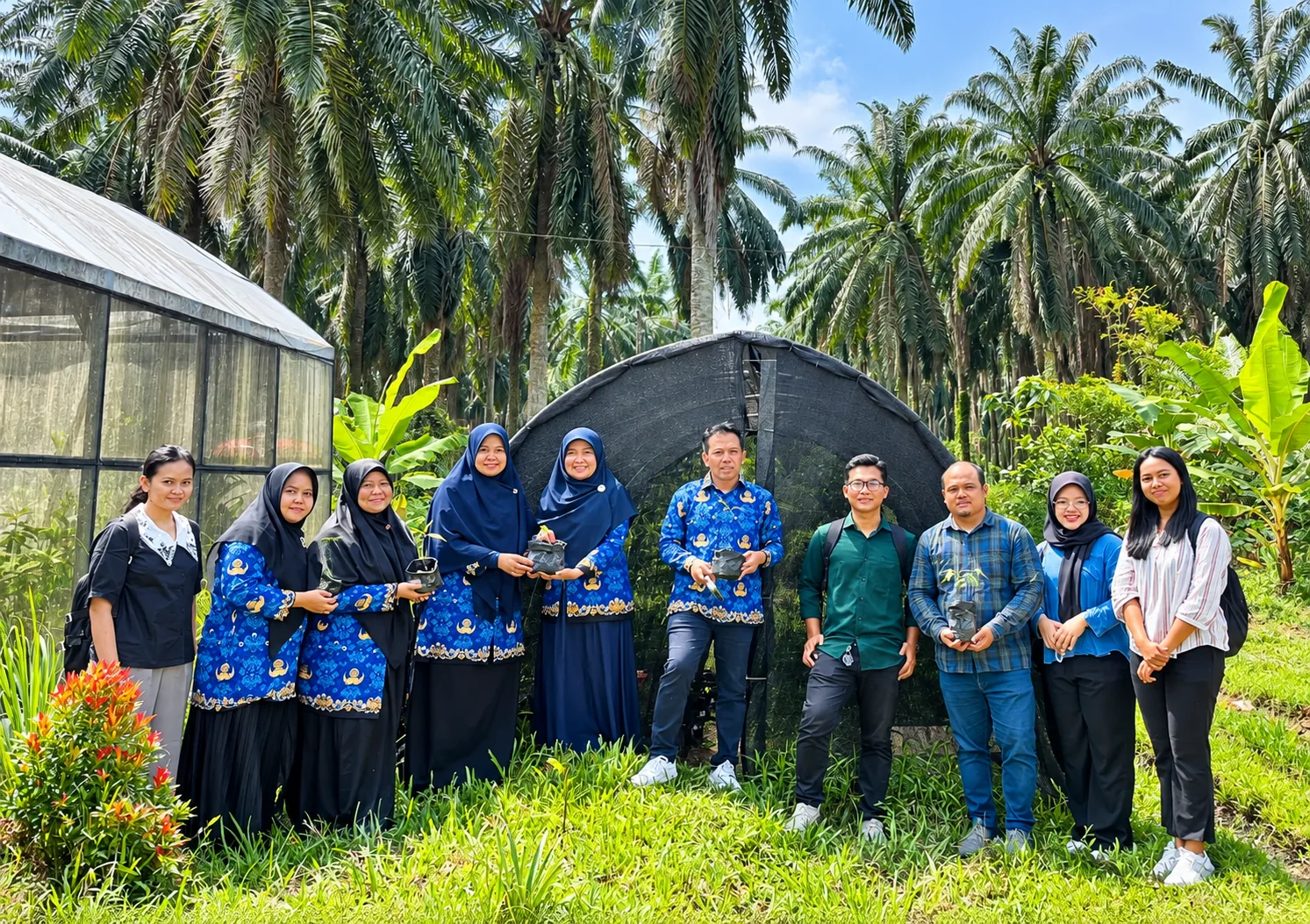
Field learning connected conservation to tourism. The Postgraduate School held its 40th-anniversary visit to the Tangkahan conservation landscape in Langkat, while students and alumni undertook an IBIOSDG 2025 field study at Kilim Karst Geoforest Park in Langkawi to examine mangrove biodiversity and sustainable ecotourism. USU also reported community-based agroforestry support in Sitolu Bahal through Arabica coffee and sugar palm cultivation.
Institutional Conservation Commitments
USU reported 56 restoration and rehabilitation programmes across eight intervention areas, including 12 activities addressing soil, water and air quality. Its Kwala Bekala Arboretum, Biodiversity Park and forest nursery support conservation and education within the university's Green Campus framework under Rector's Regulation No. 3 of 2019. The university reported a 100% Green Campus indicator; the document does not provide a basis for interpreting that figure as complete ecological restoration. International mangrove research planned for 2027–2032 remains a future programme, not a 2025 result.
Together, these documented efforts connect USU's SDG 15 contribution to biodiversity research, habitat conservation, land rehabilitation, environmental education and forest-based livelihoods. They also intersect with SDGs 4, 8, 12, 13 and 17. Continued monitoring of ecological condition, tree survival and community income will be needed to assess outcomes beyond the activities reported for 2025.