


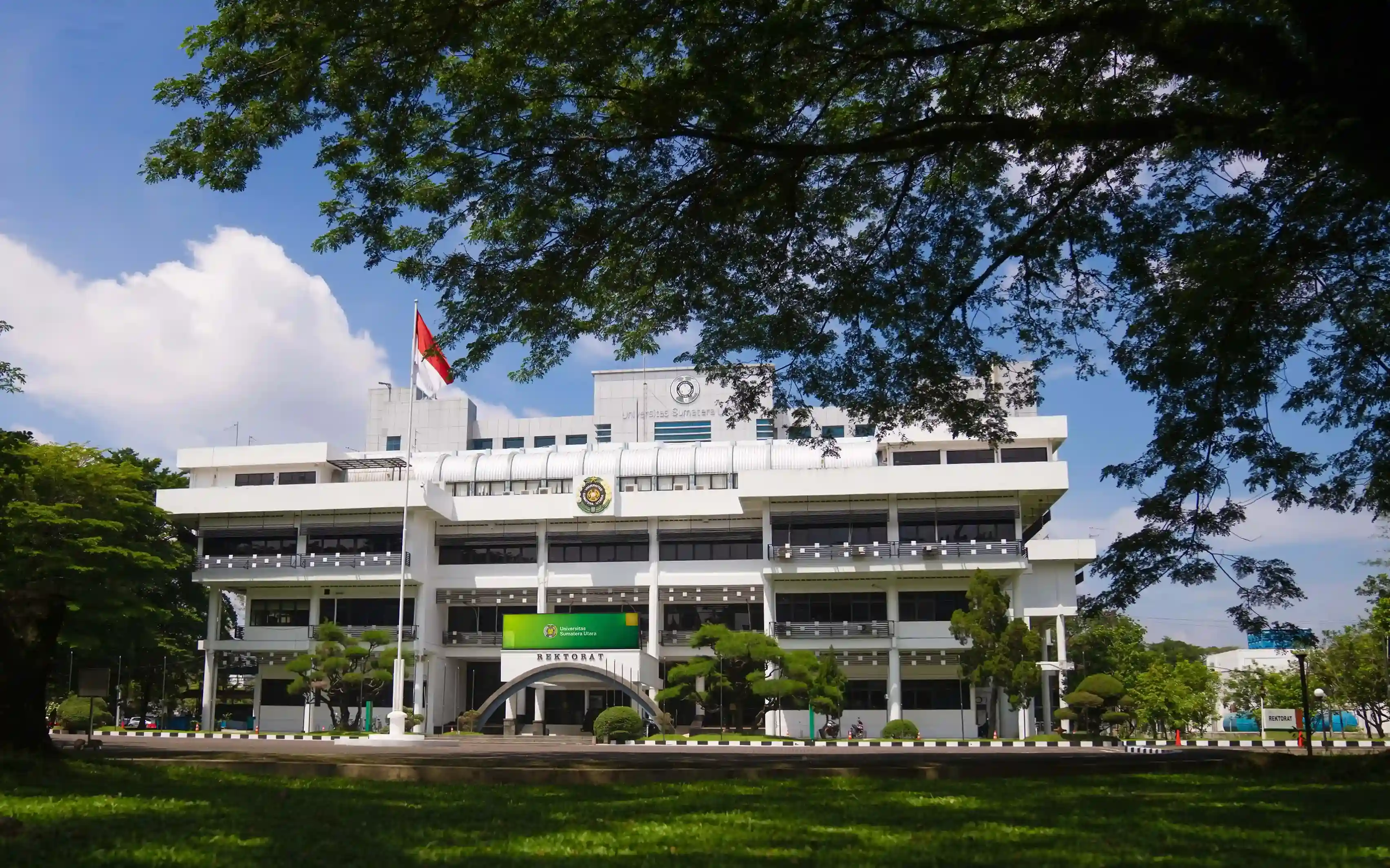
MEDAN, Indonesia — Universitas Sumatera Utara (USU) reported its contribution to Sustainable Development Goal 16 (Peace, Justice and Strong Institutions) through legal scholarship, institutional governance and public engagement in 2025. Its research account recorded 332 Scopus-indexed publications and 2,058 citations over 2020–2025, with a Field-Weighted Citation Impact (FWCI) of 1.28. International co-authorship accounted for 32.8% of research outputs across 34 countries. Approximately 80 publications were projected for 2025, rather than confirmed as completed outputs.
The Faculty of Law reported 2,605 students and 1,083 graduates in academic year 2024/2025, while its Legal Consultation and Aid Institute handled 138 pro bono cases in 2025, bringing its cumulative total to 487 since 2021. USU also reported implementation of Integrity Zone reforms across 16 faculties. These institutional measures accompanied university contributions to court monitoring, criminal procedure reform, rights-based justice and legal literacy
Integrity Measures and Anti-Corruption Education
On 9 April 2025, the Faculty of Law renewed engagement with the Corruption Eradication Commission (KPK) through a meeting on corruption-trial monitoring. The faculty and its students have monitored corruption proceedings at the Medan District Court as part of a partnership extending more than 14 years. Students also joined an alumni discussion on anti-corruption law and enforcement in February. These activities offered opportunities for public oversight and legal learning, without establishing a measured reduction in corruption.
Institutional reform continued through integrity-awareness activities at the Faculty of Computer Science and Information Technology and a ZI-WBK workshop in Vocational Education on change management, administrative systems, human resources, accountability, oversight and public services. Separately, USU’s sexual-violence prevention task force shared its survivor-centred reporting and case-handling practices with the Faculty of Cultural Sciences in November.

Academic Contributions to Justice Sector Reform
On 12 December, the Faculty of Law hosted a public hearing for the Commission for the Acceleration of Police Reform, gathering perspectives from academics and community representatives. Earlier, a national seminar with the Prosecutors’ Commission discussed the dominus litis principle in criminal procedure and developed recommendations for parliamentary consideration. A further scientific seminar with the North Sumatra High Prosecutor’s Office examined asset recovery and deferred prosecution agreements. These meetings provided input for policy deliberation, not evidence that legislative changes had already taken effect.
The university also hosted a national conference on gender- and child-responsive criminal procedure on 23 September with legal and child-protection partners. Their memorandum of understanding expressed a commitment to further cooperation on protecting affected women and children.
Humane Justice and Community Rights
In February, law students and legal aid organisations held a public dialogue on death penalty commutation under Indonesia’s new Criminal Code. In August, the Faculty of Social and Political Sciences convened 18 civil society organisations to discuss restorative justice in narcotics cases, including case documentation and longer-term advocacy. A separate seminar on prison overcrowding examined the health and rehabilitation pressures associated with detention facilities operating above capacity. Proposals discussed at the events should be distinguished from implemented penal reforms.
Democratic Governance and Public Policy
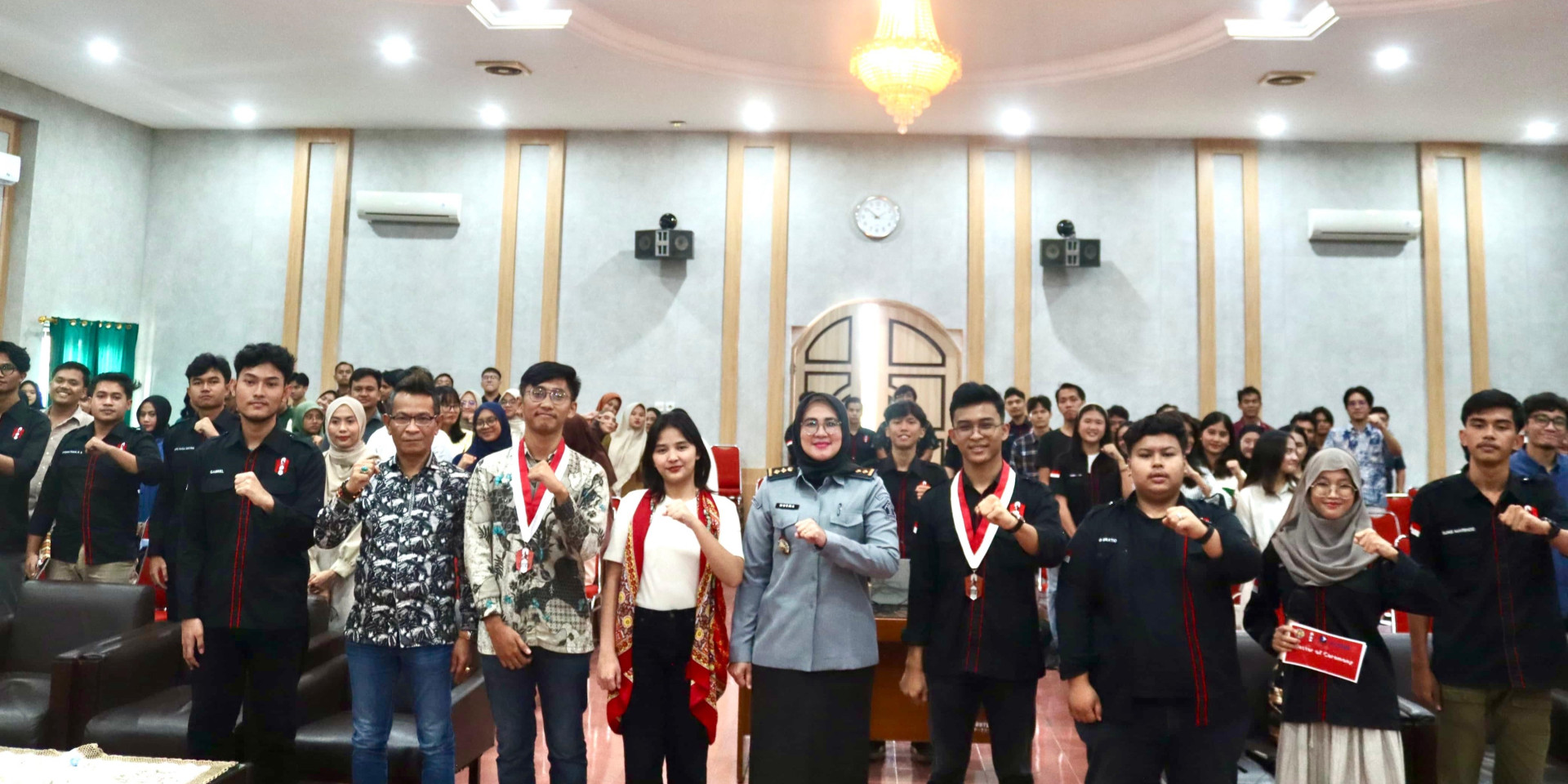
In February, university participants engaged in a discussion of proposed election-law revisions with the Deputy Minister of Home Affairs. In September, 25 academics joined a political-party reform discussion addressing transparent candidate selection, merit-based recruitment and funding accountability. The Faculty of Law also provided input at a maritime security policy evaluation meeting with Indonesia’s Maritime Security Agency, contributing expertise on safety and law enforcement in national waters.
Digital Legal Literacy and Access to Justice
The Faculty of Law received a national Digital Legal Literacy Award in August 2025. Its community service included counselling in Medan Deli on hoaxes and digital disinformation, alongside legal guidance for Indonesian migrant workers in Penang, Malaysia about rights and safer migration. These initiatives connected legal expertise to communities beyond the classroom. The reported 138 pro bono cases offer a complementary measure of direct legal assistance.
Taken together, USU’s documented SDG 16 contributions linked integrity programmes, legal education, policy consultation and community services. They also intersected with SDGs 4, 5, 10 and 17 through learning opportunities, rights protection, more inclusive justice and cross-institutional collaboration.