


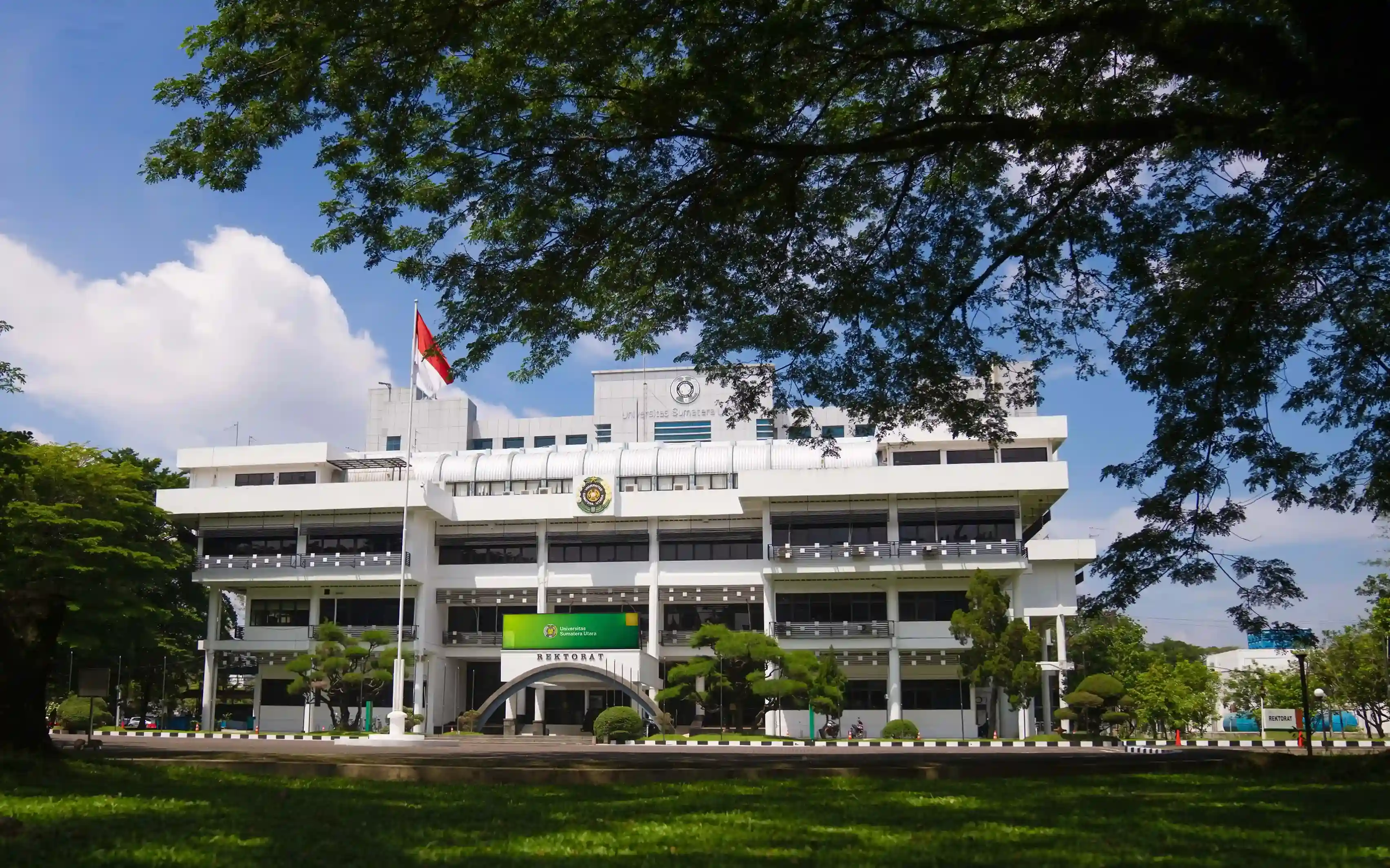
MEDAN, Indonesia - Universitas Sumatera Utara documented its contribution to Sustainable Development Goal 17 (Partnerships for the Goals) through research, public-sector engagement, international academic exchange, industry collaboration and community programmes. Its institutional report listed 955 publications, 1,985 citations and 30.05% international co-authorship, with the highest reported citation impact of 39.31. The source infographic also reported 319 partner countries and 1,000 scholarships associated with philanthropic NGOs. These institutional figures accompany partnerships ranging from disaster resilience and public health to industrial innovation and emergency relief.
Government Partnerships Link Research to SDG Policy
On 3 July 2025, the USU SDGs Center and CSIS Indonesia convened a sustainable trade and investment dialogue with provincial agencies and business representatives on green investment, MSME capacity and export standards. In October, Faculty of Forestry researchers contributed to Bappenas consultations on Indonesia's 2045 disaster-resilience white paper. Their contributions concerned ecosystem protection, early warning and evidence-based spatial planning.
The USU SDGs Center also worked with North Sumatra's Bapperida on adapting an SDG Business Registration System (BRS), supported through JICA-linked technical cooperation. A JICA-facilitated study visit to Japan took place in May 2025. The subsequent BRS launch on 6 April 2026 and the 2026 target of 500 participating MSMEs are reported here as subsequent developments, not completed outcomes of 2025. The 2026 event also included consultation on the regional SDGs action plan for 2026–2030.
In health, the Faculty of Medicine established a cooperation arrangement with the North Sumatra Health Office on specialist training for remote areas. The Faculty of Public Health signed agreements with five health offices and deployed 184 students to 19 Deli Serdang villages for thematic community service. These agreements and placements support health workforce development and local planning, although their longer-term effects require separate evaluation.
Environmental cooperation included an integrated campus waste-processing site with the provincial government, joint mangrove research with the Labuhanbatu Utara research agency addressing approximately 42 kilometres of eroding shoreline, and an air-quality monitoring collaboration with the Medan Environmental Agency.
International Academic Partnerships Strengthen Health and Mobility
USU expanded its links with Singapore through consultations with SingHealth Duke-NUS and the National Dental Centre, an international health summer course with 165 participants, and an 18-month breast cancer early-detection collaboration initiated in 2025. The breast cancer work was a research and intervention programme under way; later patient outcomes should not be presented as completed results for 2025.
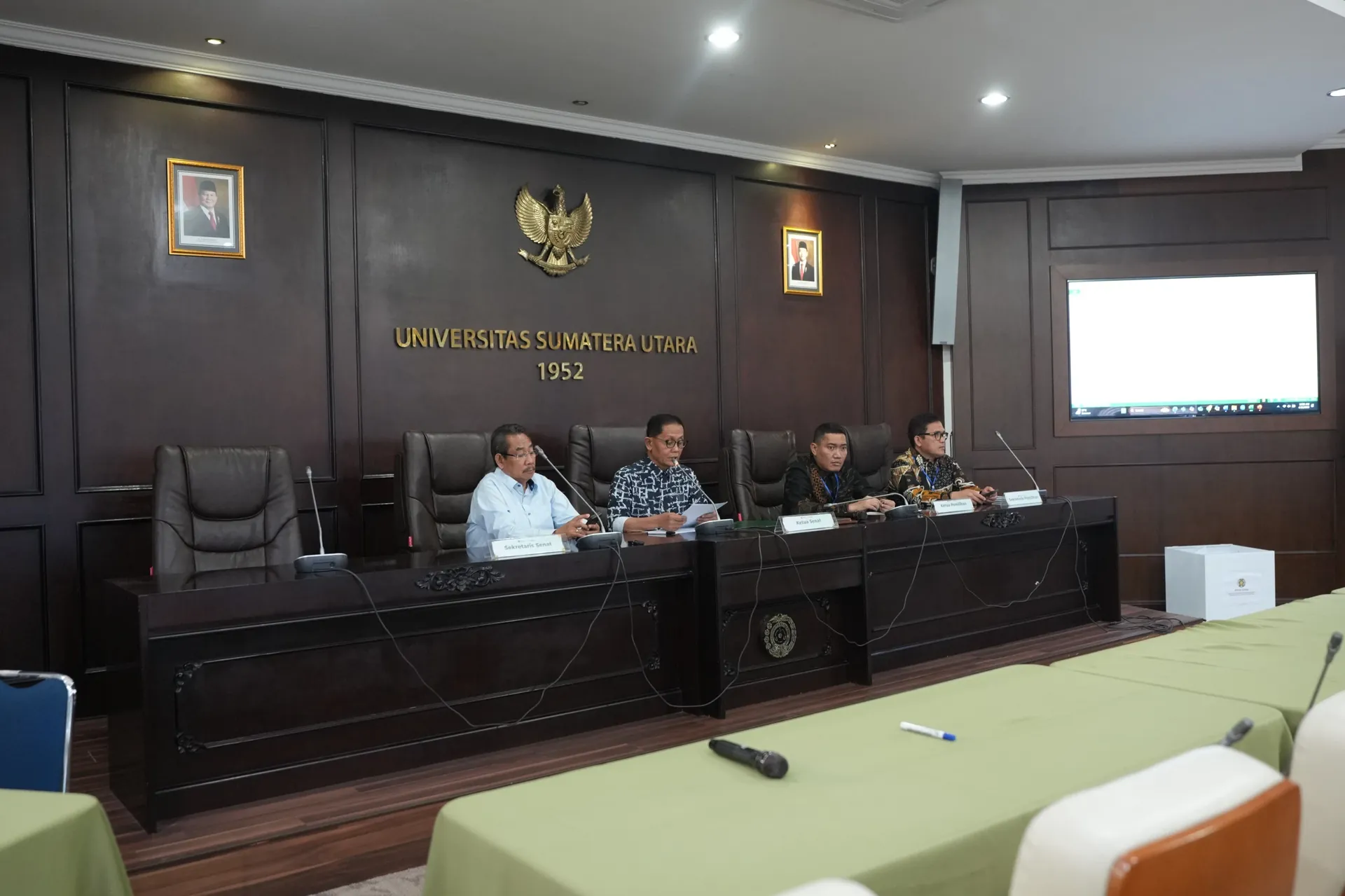
The Faculty of Pharmacy signed an agreement with the University of Cyberjaya in Malaysia and conducted antimicrobial stewardship training involving three Medan hospitals. The faculty also expanded cooperation with Japanese universities covering exchanges and research. Separately, four Computer Science students were associated with IISMA 2024 mobility placements, while a 2025 student mobility programme with Universiti Malaya brought 20 students and four lecturers to USU.
Cross-border knowledge exchange also included a Universiti Sains Malaysia visit to USU's waste-processing facility to explore research cooperation and an Ayurveda Day event with the Indian Consulate focused on health and public engagement. These examples connect education and research with diplomatic and institutional relationships.
Industry Collaboration Supports Applied Research
In October 2025, the Faculty of Vocational Education and PTPN IV PalmCo agreed to collaborate on plantation digitalisation. The Faculty of Agriculture continued its chilli breeding research with PT Inalum in Batu Bara. The Faculty of Forestry entered into a flora survey collaboration with PT Agincourt Resources in Batang Toru, while an industry discussion with the Indonesian Forest Entrepreneurs Association explored sustainable forestry business models. Agreements and discussions provided pathways for future application, rather than proof that all planned technologies or policies had already been implemented.

Civil Society Partnerships Extend Community Services
The Faculty of Medicine and Dompet Dhuafa Waspada strengthened cooperation on community health and stunting prevention. FISIP convened 18 civil society organisations for a restorative justice discussion in Medan. The Faculty of Law worked with rights groups through a conference on gender- and child-responsive criminal procedure. An international community service programme in Hong Kong supported Indonesian women migrant workers with sessions on resilience and rights.
During late-2025 floods in North Sumatra and Aceh, USU Peduli and Artha Graha Peduli provided care to 355 residents of Medan Marelan. Public health teams distributed assistance across 12 affected localities, and forestry volunteers joined rescue operations in flooded communities. These collaborations demonstrated immediate service delivery; their long-term recovery outcomes remain a separate question.
Together, these documented activities illustrate how USU connected institutional research and teaching with government, universities, businesses, NGOs and community groups. Its 2025 SDG 17 contributions also supported progress across SDGs 3, 4, 8, 9, 11, 13, 15 and 16 through cross-sector action and knowledge exchange.