


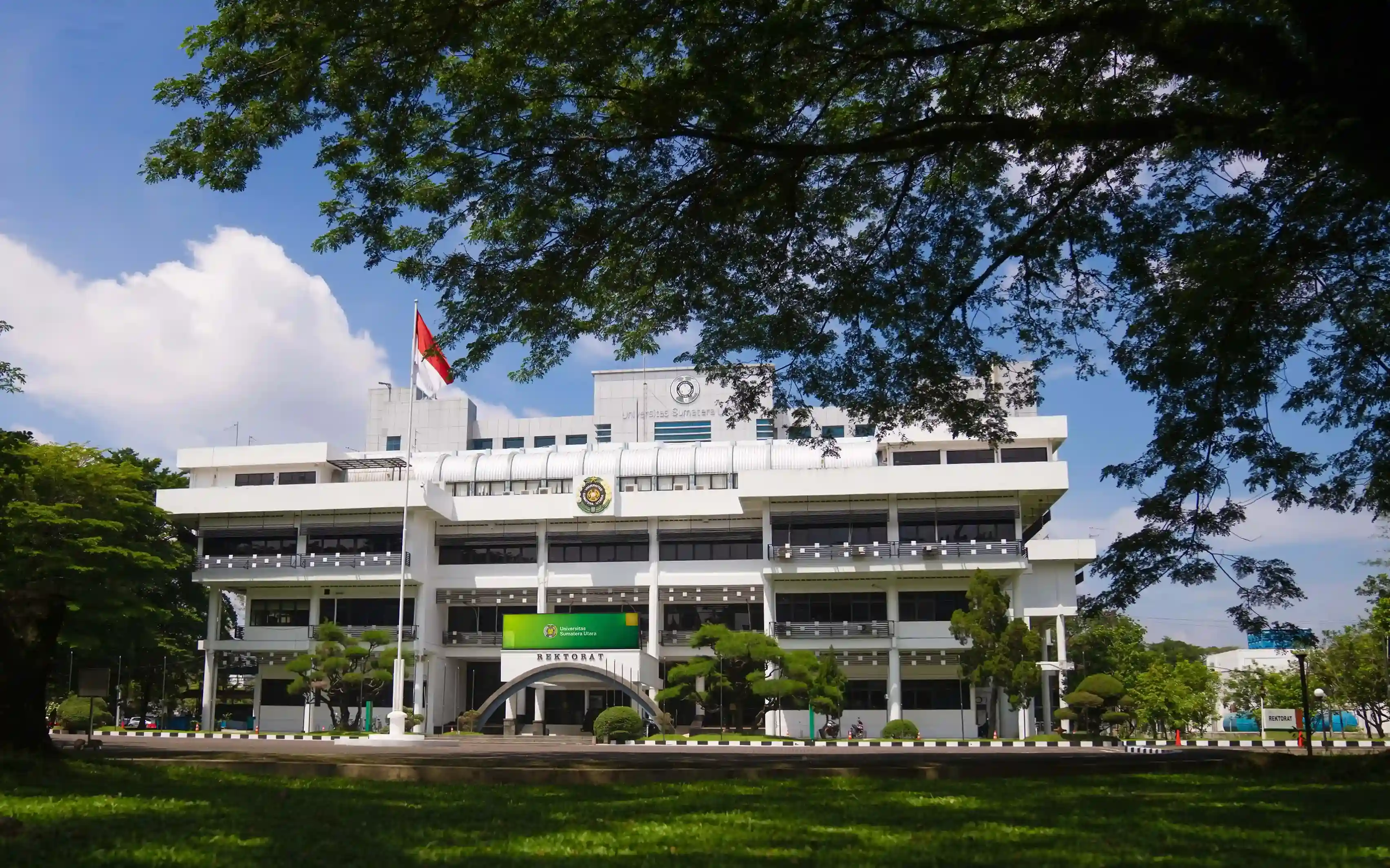
MEDAN, Indonesia — Universitas Sumatera Utara (USU) documented its contribution to Sustainable Development Goal 2 (Zero Hunger) through research, community engagement, teaching and food-related campus operations in 2025. Activities with national agencies, farmers, schools and local enterprises connected scientific evidence with food security, agricultural productivity, nutrition and responsible production.
Research and Policy Support Food Security
The university’s 2025 SDG 2 research summary reported 429 publications, 1,890 citations and collaboration with researchers in 81 countries. It also recorded 18.9% co-authored publications and 18.5% involving low- and middle-income countries. A study of 130 rice farmers around Lake Toba found that 98.5% of non-irrigated farmers experienced prolonged drought and 96.7% reported increasingly unpredictable growing seasons, identifying practical challenges for agricultural adaptation.
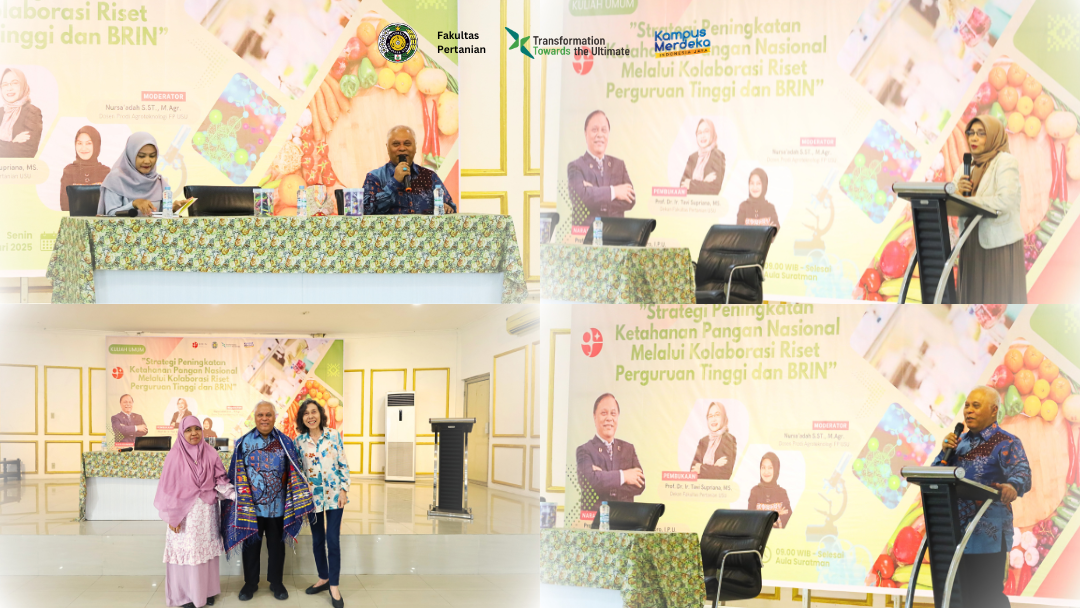
On 20 January 2025, the Faculty of Agriculture and the National Research and Innovation Agency (BRIN) held a public lecture on research collaboration for national food security. The discussion emphasised producing evidence and innovations useful to communities and businesses and strengthening research links with BRIN.
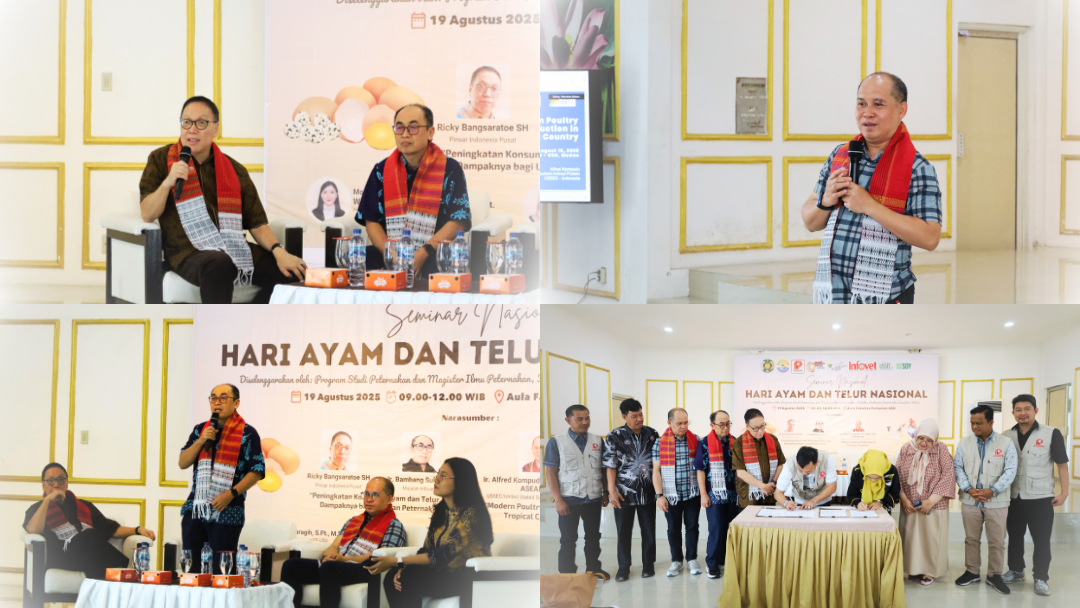
The Animal Science Study Program and LATERAL convened a multi-stakeholder discussion on conserving North Sumatra’s dairy buffalo on 18 July. Participants discussed a population estimated at around 350 animals and proposed breeding, insemination and milk-processing measures for further policy consideration. A subsequent National Chicken and Egg Day seminar on 19 August highlighted accessible animal-protein sources and cooperation with poultry-sector partners.
Community Training Improves Farming Practices
In Munte, Karo Regency, a Faculty of Engineering team taught residents eco-enzyme production from fermented organic waste as a potential natural fertiliser and organic pesticide. The training covered practical application, processing and marketing, with the aim of reducing dependence on synthetic agrochemicals.
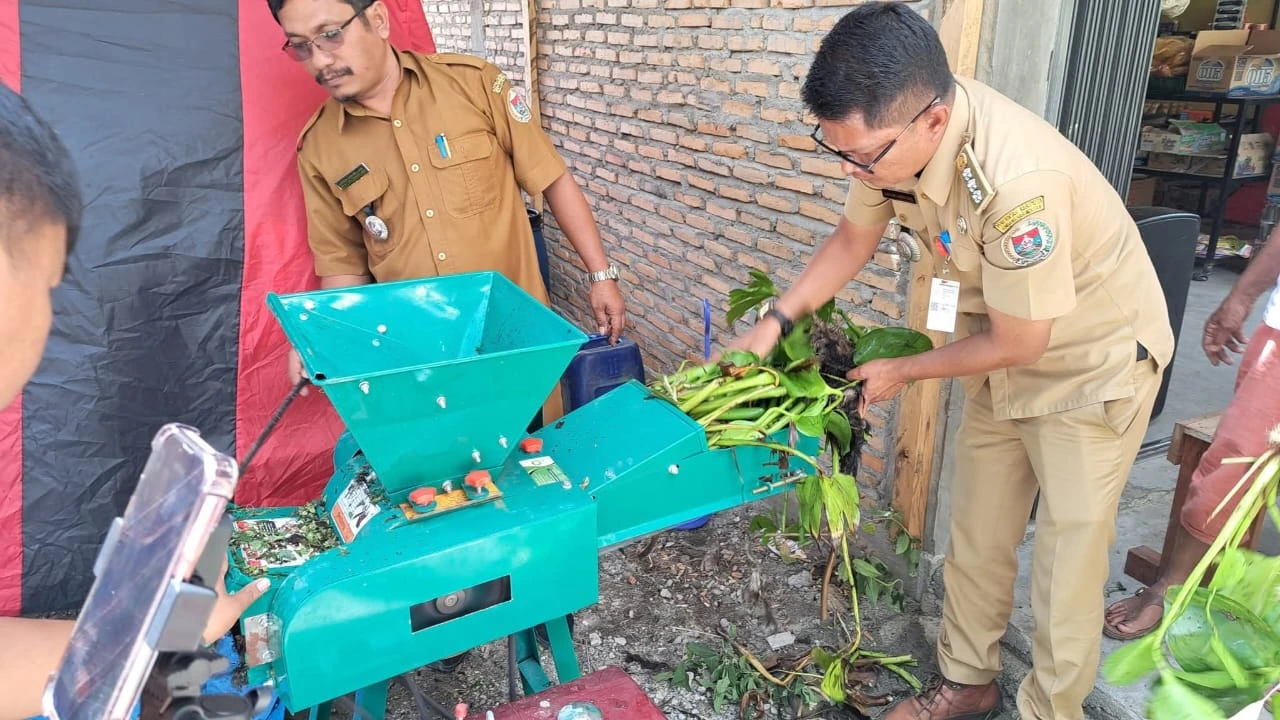
On 11–12 August, USU worked with women farmers, young people and village officials in Simangulampe, Humbang Hasundutan, converting water hyacinth and household organic waste into compost and demonstrating cultivation on marginal land using polybags and vertical gardens. A separate bokashi fertiliser programme in Desa Suka, Karo found that 89% of participating farmers reported reduced spending on chemical fertiliser.

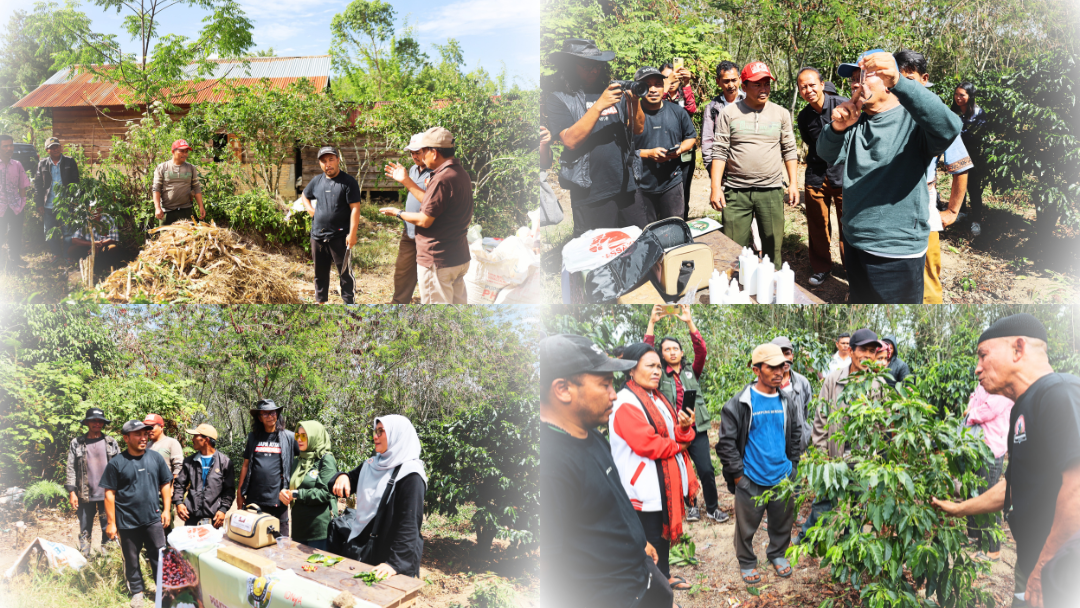
In Sinaman II, Simalungun, FISIP lecturers helped coffee farmers with farm management, processing equipment and business skills. The programme targeted an increase in daily production from 50 kg to 100–150 kg; this is a programme target, not a verified production outcome. USU and the Indonesian diaspora also provided coffee-farming training in Samosir on pest control, soil testing, composting and pruning. Meanwhile, multipurpose tree planting in Pondok Buluh linked food-producing agroforestry with forest conservation.
Nutrition and Food Innovation Reach Local Communities
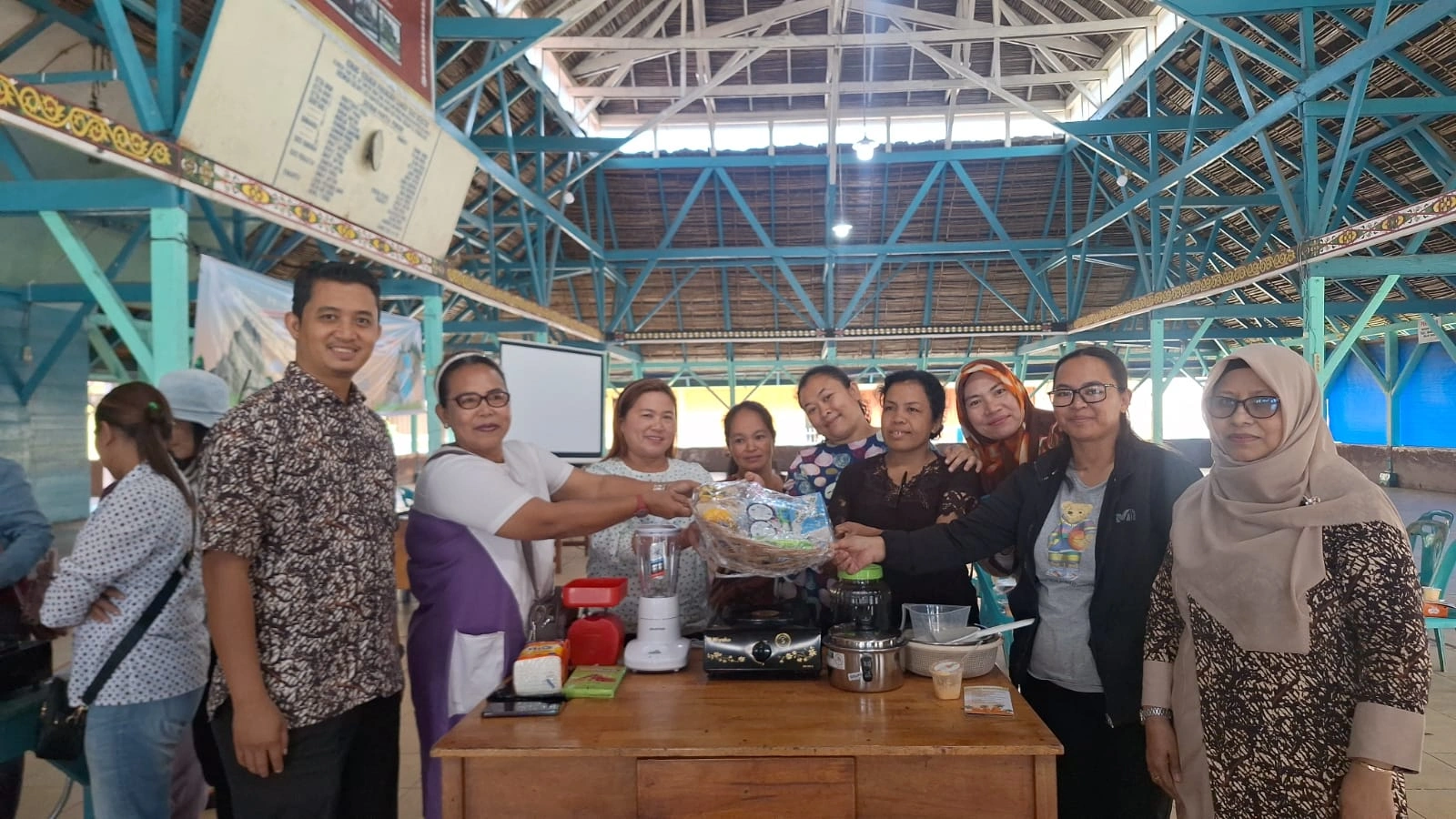
In Rumah Berastagi, Karo, Faculty of Pharmacy lecturers taught residents how to produce and market carrot yogurt to diversify local food products. In Kwala Bingai, a team working with Aisyiyah Mentari Elderly Daycare developed moringa-enriched tempeh chips and introduced small-scale food-processing equipment intended to improve hygiene and production efficiency.
Food Technology students organised Jungfood Ex-Fest on 22 May to discuss traditional food innovation, nutrition and food-waste reduction with high-school students and small food businesses. USU’s institutional summary also described 17 campus food outlets offering meals generally priced at IDR 8,000–15,000, alongside food-waste management and organic recycling activities.
Teaching Builds Future Food-System Skills
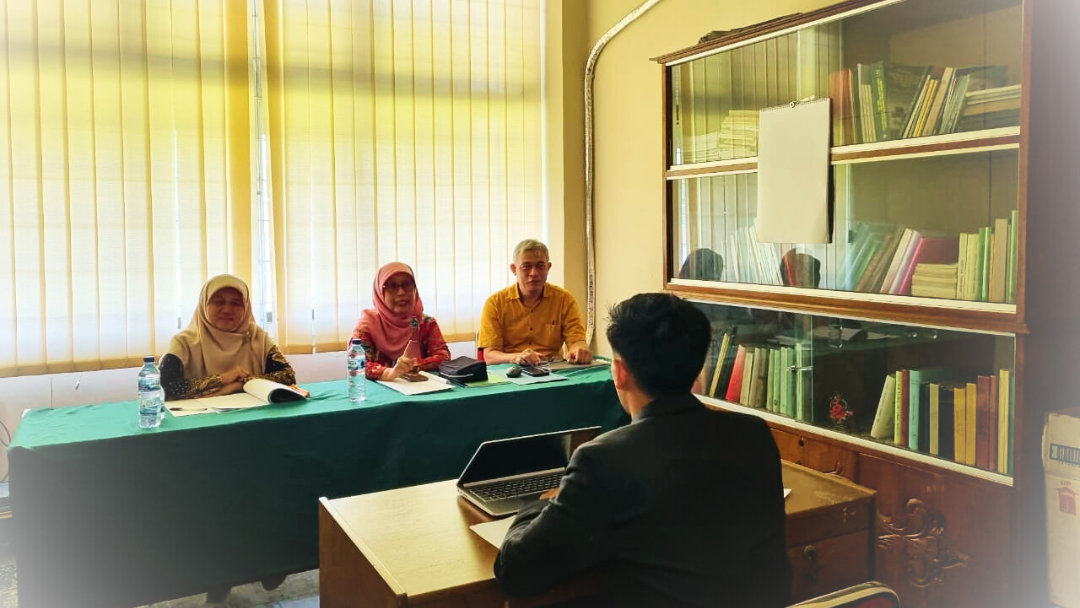
On 3 October, the Faculty of Agriculture and partners held Smart Agriculture Champion 2025, bringing together 25 participants from higher education and vocational institutions to present sustainable farming ideas. On 16 July, the North Nias campus awarded its first Agrotechnology degree, with the graduate’s research examining shallot production on peatland. These activities complement courses and practical learning in sustainable farming, food nutrition and food safety.
Taken together, the documented research, farmer training, food innovation and educational activities demonstrate how USU reports progress against SDG 2 while supporting related objectives in health, education, decent work, responsible consumption and climate resilience. The examples distinguish activities delivered during 2025 from targets and initiatives still under development.