


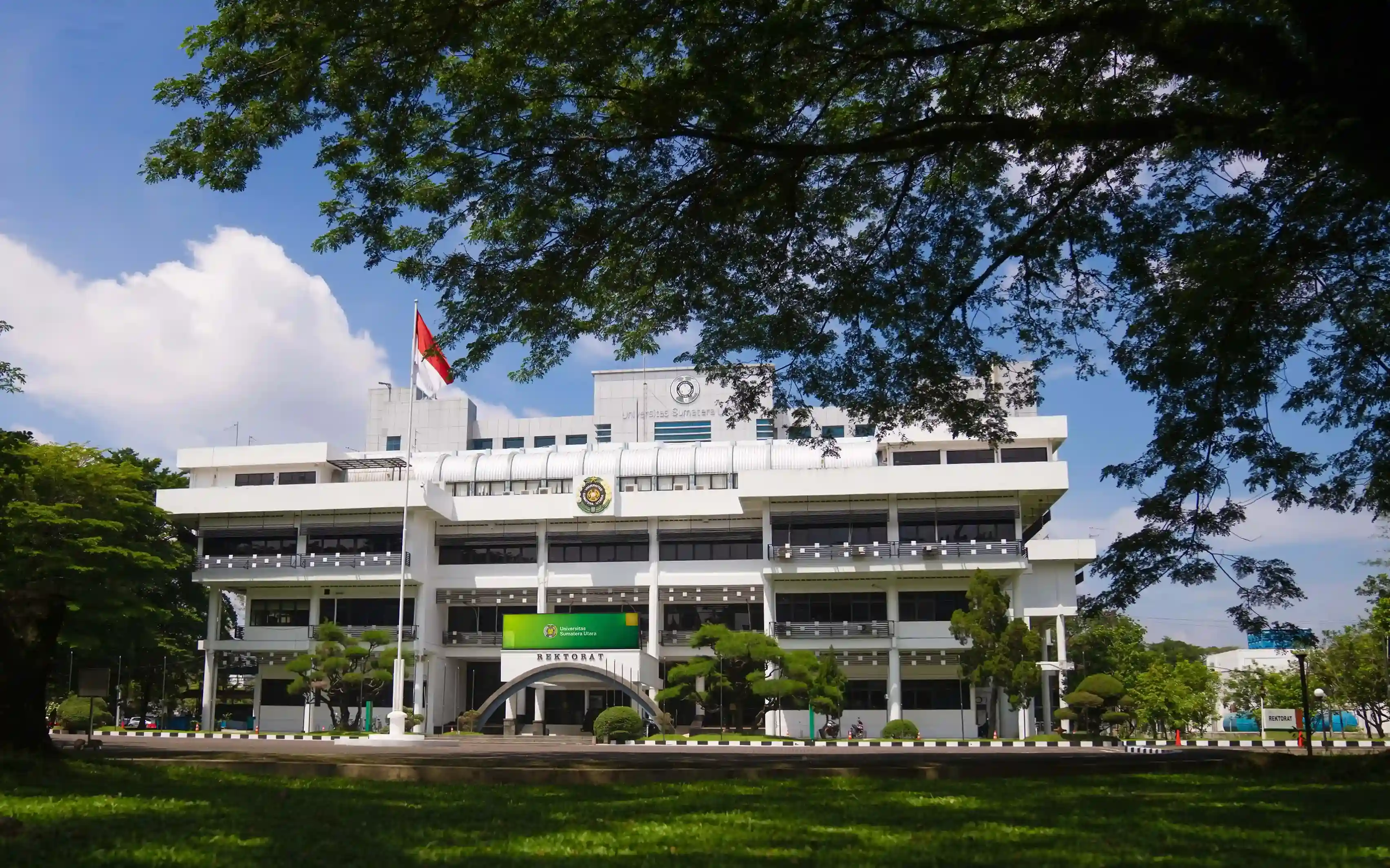
MEDAN, Indonesia — Universitas Sumatera Utara (USU) documented its contribution to Sustainable Development Goal 3 (Good Health and Well-being) through research, training, preventive care and partnerships across North Sumatra and beyond. The university reported 322 SDG 3 publications, 683 citations, 30.4% publication co-authorship and a highest reported Field-Weighted Citation Impact (FWCI) of 39.31. Its health-related programmes graduated 2,485 students during 2025. These figures accompany field activities reaching school staff, older residents, people living with chronic disease and communities affected by floods.
Preventive Health Education Reaches Schools and Villages
On 18 July 2025, Faculty of Medicine lecturers and students provided hypertension and diabetes screening for 50 teachers and education staff in Langkat. Participants received checks including blood pressure, blood glucose and cholesterol, alongside guidance on diet, physical activity and disease prevention. Faculty of Pharmacy teams separately brought degenerative disease education to Pantai Cermin in April and diabetes-management and food education to Tanah Karo in September.

Public health awareness also included a tobacco-marketing seminar with CISDI attended by about 200 students in May and a Faculty of Medicine Fun Walk in October to encourage active living. These activities combined medical information with accessible opportunities to practise healthier habits.
Partnerships Expand Cancer Detection and Clinical Capacity
USU and the SingHealth Duke-NUS Global Health Institute began an 18-month collaboration on earlier breast cancer diagnosis in Medan. The project examines barriers to early detection and is designed to test health literacy, provider communication, referral and patient-tracking interventions. Its later pilot activities should not be counted as completed outcomes in 2025. Separately, World Cancer Day education activities brought together approximately 200 medical professionals, students and health workers.

For antimicrobial resistance, the Faculty of Pharmacy worked with the University of Cyberjaya and Hospital Canselor Tuanku Muhriz to train antimicrobial stewardship cadres from three Medan hospitals on 25 September. USU researchers also joined a regional tuberculosis conference in Malaysia and an international summer course with 165 registered participants that included TB screening and home visits in Samosir, integrating research exchange with front-line community learning.

Mental Health Support Extends Beyond Campus
Student organisers from FISIP ran the Mevolution mental health campaign in September, providing public engagement activities and access to free psychological counselling. Following the floods, a USU team offered psychological first aid to 72 older survivors in Medan Marelan on 20 December. The team used psychoeducation, breathing exercises and group activities to help residents respond to post-disaster stress.

Medical and Nursing Teams Respond to Flood Emergencies
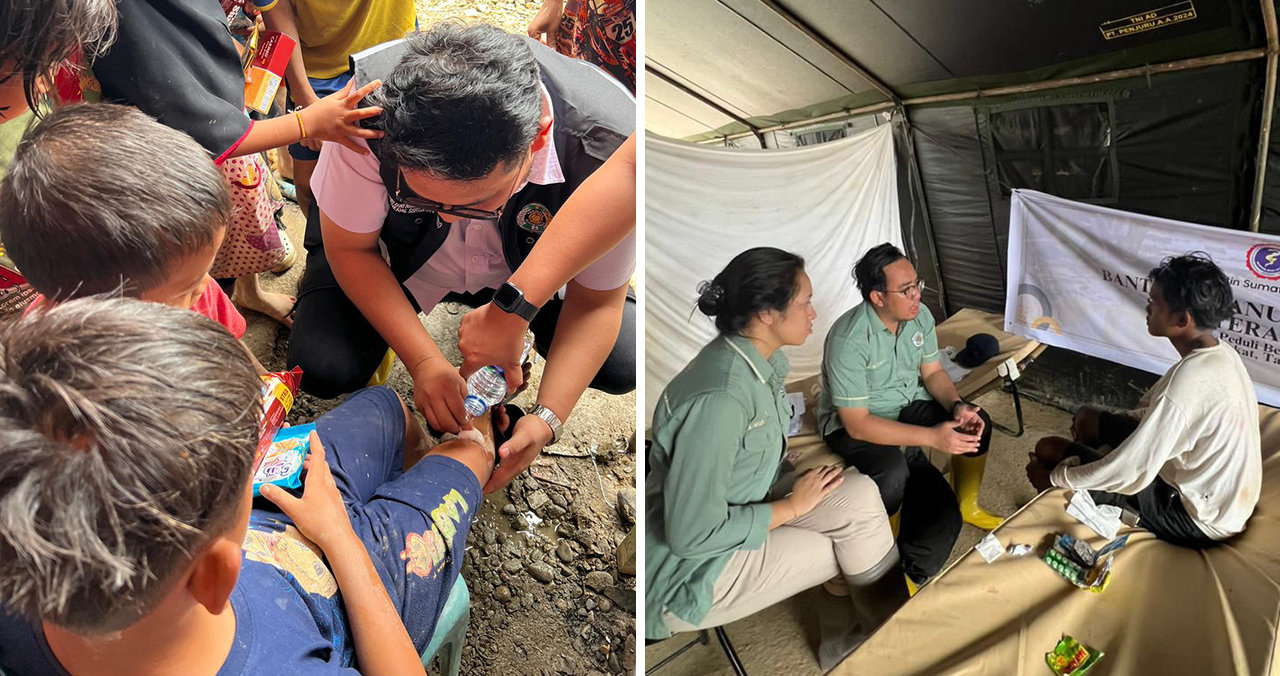
When floods affected North Sumatra and Aceh in late 2025, medical and nursing teams deployed to affected areas and assessed priority health needs in Central Tapanuli. In December, USU Hospital and USU Peduli operated integrated health services including consultations, medicine and clean-water support, while a further post opened in Hajoran Village. Teams also provided health education and care in Aceh Tamiang. On 21 December, USU Peduli, the Faculty of Medicine and Artha Graha Peduli served 355 flood-affected residents in Medan Marelan with medical and psychosocial assistance.
Research Innovation and Public Health Governance
The university held ICTROMI 2025 on infectious disease management and its Rodent Watch team received SGD 25,000 for developing a digital zoonotic-disease tool through a Singapore-based global health innovation programme. The award supported development; it is not evidence of a completed regional disease-surveillance deployment.

USU strengthened public health administration by signing agreements with five district and city health offices in North Sumatra and Aceh and discussing cooperation with BPJS Kesehatan. Additional partnerships covered specialist medical education for the Nias Islands and community health and stunting prevention with Dompet Dhuafa Waspada. The agreements and planning activities are reported as institutional commitments rather than completed healthcare outcomes.
Taken together, these documented activities link USU’s SDG 3 reporting to preventive services, health workforce development, emergency response, mental well-being and international health cooperation, with complementary contributions to SDGs 4 and 17.