


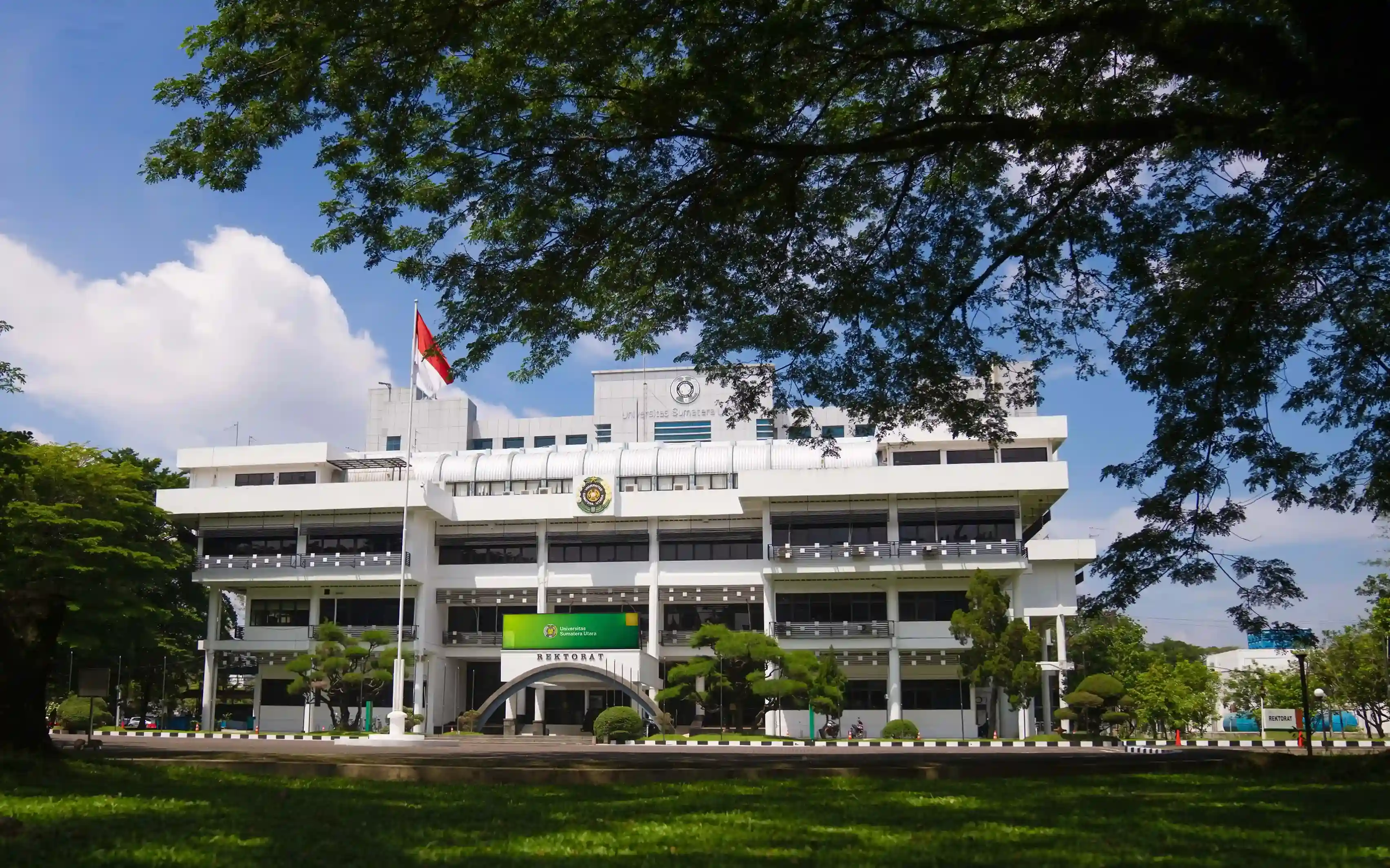
MEDAN, Indonesia — Universitas Sumatera Utara documented its contribution to Sustainable Development Goal 4 (Quality Education) through expanded university access, community learning, digital literacy, practical skills and international exchanges in 2025. The university reported 119 SDG 4 research outputs and publications, 30.8% co-authorship and research partnerships spanning 12 countries. Among 41 globally indexed education publications, the reported Field-Weighted Citation Impact (FWCI) was 1.66; a study in human rights education recorded an FWCI of 12.07. USU also reported 429 educational outreach programmes reaching more than 85,000 beneficiaries, including over 14,000 schoolchildren. These institutional figures provide context for the individual initiatives described below.
University Access Extends from Medan to North Nias

On 13 August, USU welcomed 7,961 new students to its three-day PKKMB orientation, with sessions on leadership, academic ethics, digital literacy and national insight. The Faculty of Vocational Education welcomed 1,040 students within that intake. In North Nias, the Faculty of Agriculture’s off-main-campus programme (PSDKU) held an online orientation for 12 students in September. In July, the campus recorded its first Bachelor of Agrotechnology graduate. The programme serves a frontier, outermost and disadvantaged (3T) area and supports access beyond the main campus.
USU also helped prospective students evaluate study options. A university exhibition introduced secondary-school pupils to programmes, career pathways and student work, while a Faculty of Law visit to SMAN 1 Tanjungbalai combined admissions information with a school partnership agreement.
Schools and Communities Access Practical Learning
In November, pupils and teachers from Assyifa Health Vocational School in Kisaran participated in a pharmacology practicum at the Faculty of Pharmacy, including safe handling and observation. Another visit brought 32 junior high pupils and two teachers from Al-Fityan Private Junior High School to the USU Library. These activities opened university learning facilities to school communities.
Faculty of Pharmacy teams also taught students to make liquid soap from kaffir lime peel waste at SMA Labschool Banda Aceh and hand-wash products from coffee-skin eco-enzyme at SMK Martabe Sipirok. The sessions connected science learning with basic marketing, entrepreneurship and waste reuse. In Belawan, a Faculty of Engineering team introduced earthquake preparedness to more than 100 children, teachers and parents through augmented reality cards, simulations and interactive learning materials. These activities also relate to SDGs 8, 11 and 12.
Digital Education Combines AI Skills with Critical Thinking
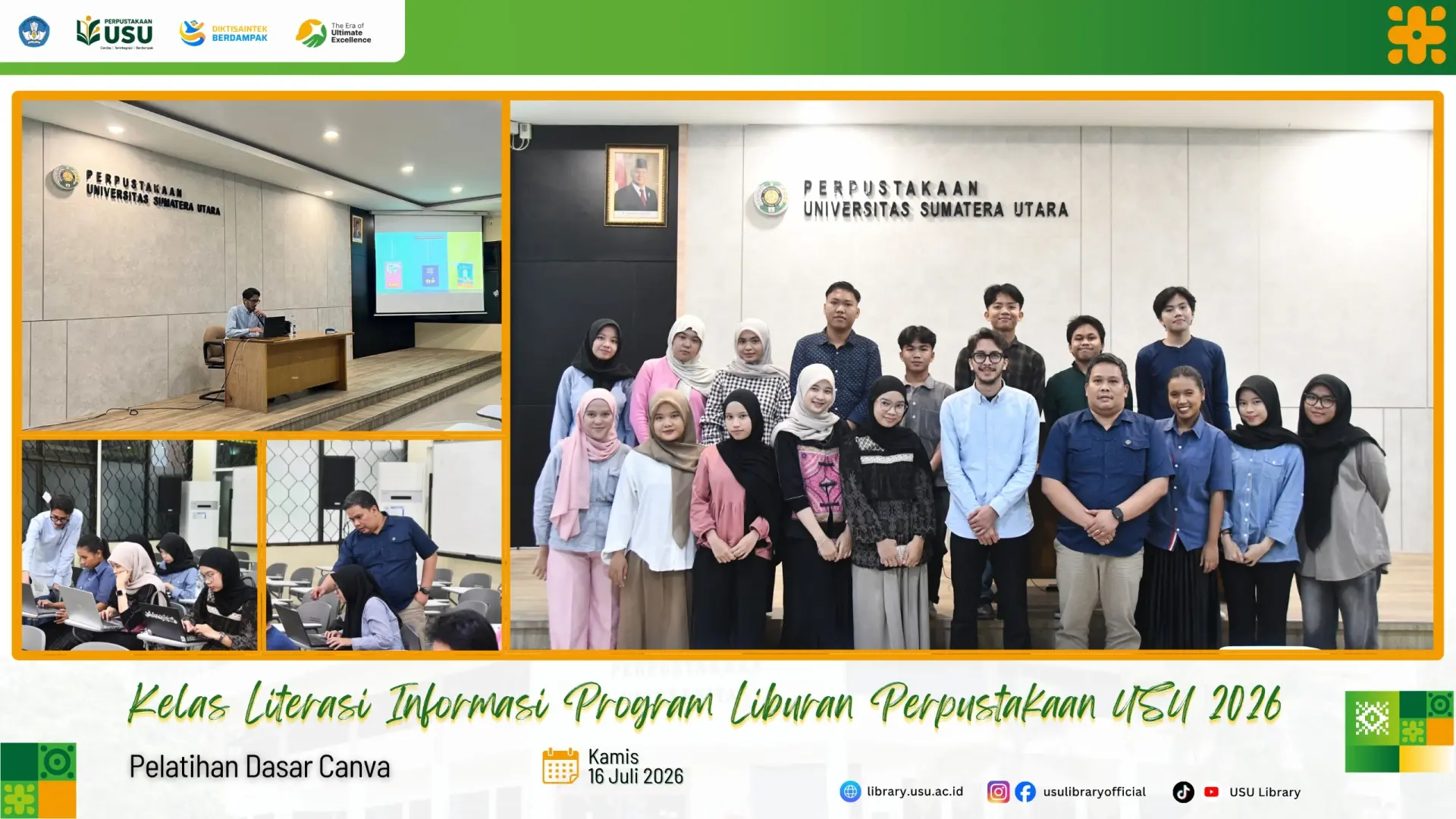
USU reported digital literacy training for 420 teachers and external learners in coding and educational technologies, including artificial intelligence and 3D printing. The Library complemented these efforts with an AI-for-coursework session in March and a three-session Canva design course in September. Five Psychology students developed the inquiry-based Eunoia Wiyata module and delivered four sessions in August to encourage critical thinking and independent learning alongside AI. Participants reported increased confidence, although the source does not provide a controlled measure of learning improvement.
Entrepreneurship and Teaching Practice Build Work-Ready Skills
An August summer course on digital social entrepreneurship brought together participants from Cambodia, Yemen and Sudan and international speakers. In December, Banking and Finance students exhibited products developed in their Business Project course, with further business coaching planned. The Faculty of Vocational Education also benchmarked the Teaching Factory model at IPB Vocational School to inform practice-based and outcome-oriented education; the visit was a learning activity, not evidence that the model had already been implemented at USU.
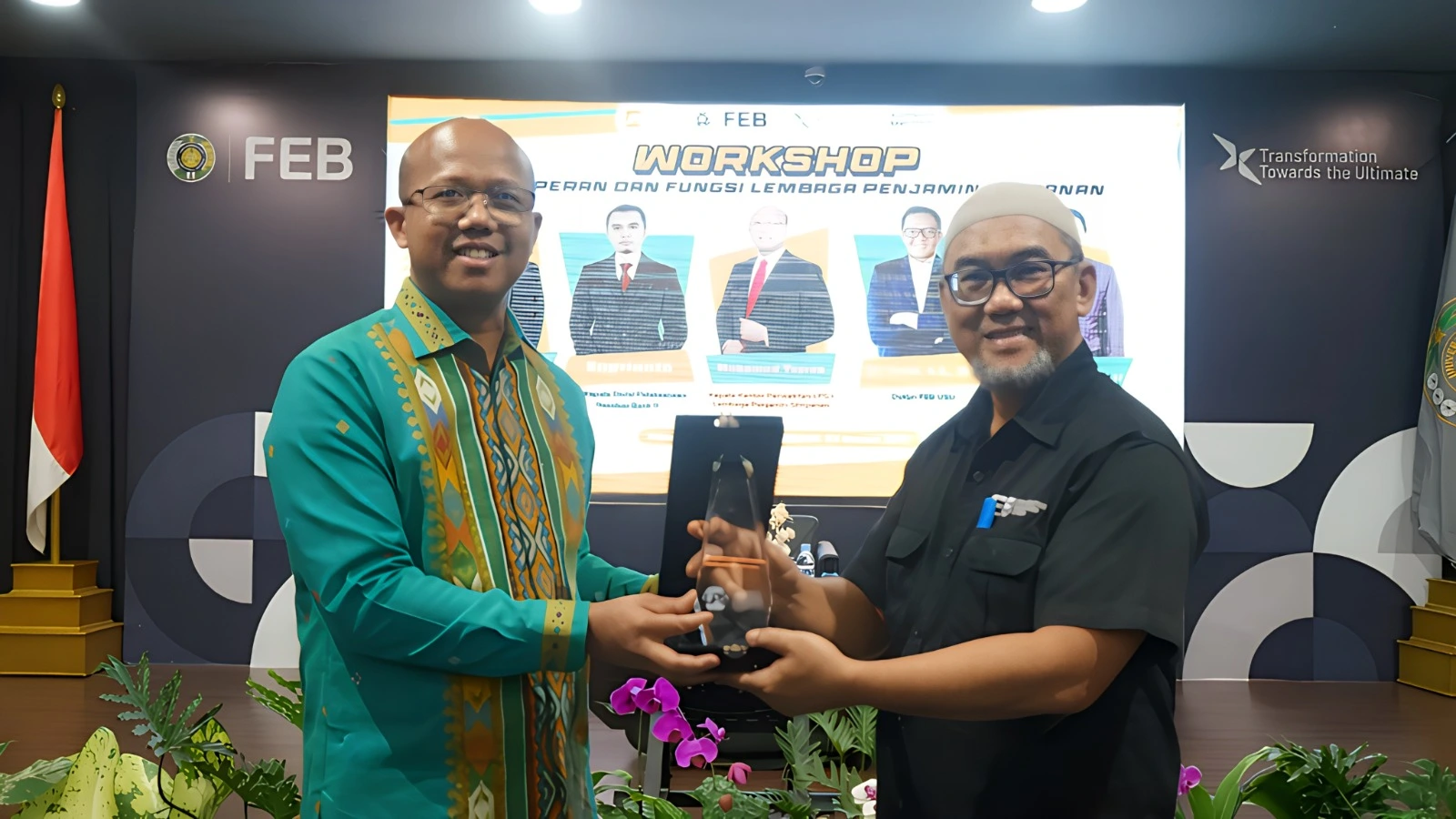
In January, USU’s Faculty of Economics and Business and the Indonesia Deposit Insurance Corporation (LPS) held a workshop for 138 academics from 30 institutions on deposit insurance and bank resolution. Three Faculty of Pharmacy lecturers received PDDI doctoral scholarships in August, supporting future academic capacity.
International Exchange and Student Innovation Broaden Learning
Four Computer Science and Information Technology students obtained IISMA 2024 placements for study abroad, as reported in April 2025. In August, the Faculty of Cultural Sciences hosted 20 students and four lecturers from Universiti Malaya through RITMA 2025, combining academic and cultural activities. Its October summer course brought together participants from different universities and countries for cross-cultural learning about North Sumatra.

In October, a six-member Computer Science student team was named among the Global Nominees from the Jakarta chapter of the NASA International Space Apps Challenge 2025 and received a Most Impactful Project award. Its educational website addressed asteroid impact risks and possible responses. The recognition indicates student achievement, not an independently measured public learning impact.
Taken together, the documented 2025 activities connect USU’s SDG 4 reporting to broader university access, school outreach, technology-enabled learning, entrepreneurship, teaching quality and international mobility. The programmes also offer complementary contributions to SDGs 8, 10, 11, 12 and 17, while reported participation and institutional commitments remain distinct from verified long-term educational outcomes.