


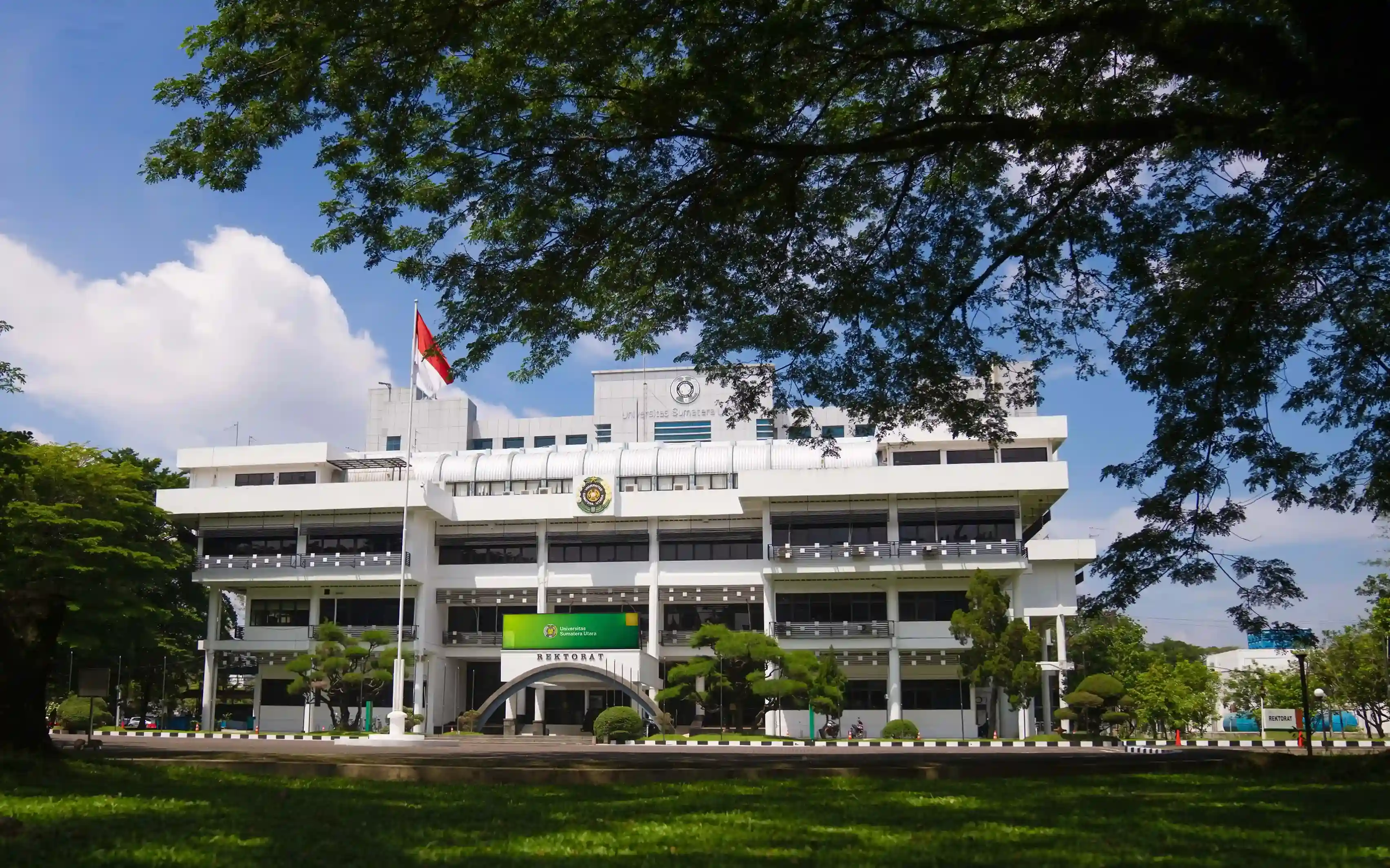
MEDAN, Indonesia — Universitas Sumatera Utara reported its 2025 contribution to Sustainable Development Goal 8 (Decent Work and Economic Growth) through research, graduate employability programmes, labour-rights education and local enterprise development. The university recorded 468 SDG 8 publications, 2,927 citations, 24.1% co-authorship and research partnerships across 113 countries. It also reported IDR 310.8 million in business- and industry-linked research funding and IDR 4.86 billion invested in applied research for industry and society.
A focused set of 131 publications had 24% international co-authorship across 22 countries and a Field-Weighted Citation Impact (FWCI) of 1.09. Research addressed sustainable tourism, agriculture and rural livelihoods, and regional economic development. A study on halal tourism around Lake Toba recorded a citation impact of 12.4. The university also reported a Social Sustainability Index of 66.78. These institutional indicators provide context for the activities documented below; they do not by themselves measure employment or income gains.
Recruitment, Internships and Career Preparation

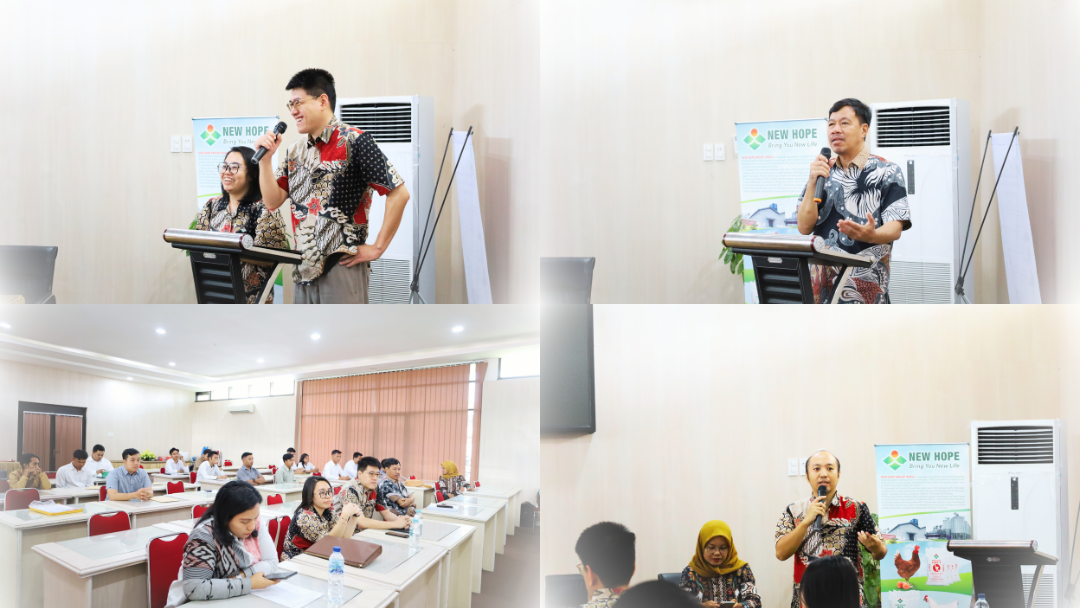
On 20 August 2025, the Faculty of Agriculture hosted PT New Hope Medan recruitment and a career lecture, attended by approximately 50 alumni from several institutions. A second recruitment event with GK Group on 28–29 August interviewed 48 candidates. The faculty also discussed prospective palm oil career guidance with Hai Sawit Indonesia. These events created recruitment and career-information opportunities; the source reports did not establish the number subsequently hired.
The Faculty of Law placed 22 students with PERADI Medan through its Magang Berdampak internship programme on 23 September. The Faculty of Vocational Education discussed student internships and MSME skills training with Rumah BUMN Medan. Career preparation also included an Entering the Workforce seminar, the Faculty of Law’s Intensive Career Bootcamp and a public health career-development seminar for graduating students.
Labour Protection and Safer Workplaces
USU contributed to labour-policy discussions through a joint International Labour Day lecture addressing unemployment following layoffs. Participants examined social protection, employment absorption and the role of small enterprises. In a separate expert lecture on labour law, Dr. Agusmidah discussed labour policy under economic disruption and the protection of Indonesian migrant workers. These events were educational and policy forums rather than direct measures of job creation.

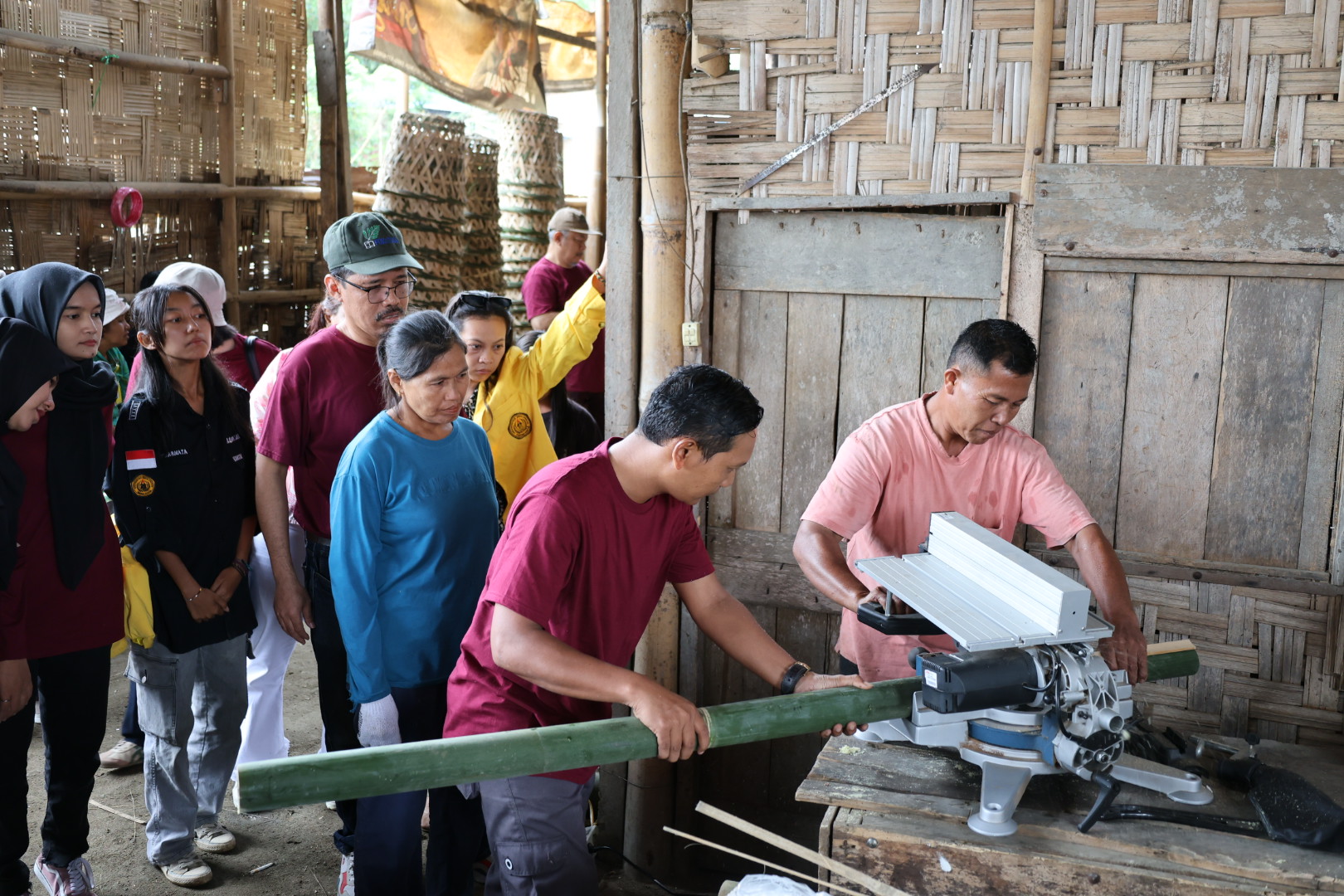
Community training also addressed workplace conditions. On 4 September, Faculty of Forestry lecturers trained bamboo craftsmen in Simalungun to use multifunction saws and apply occupational health and safety practices. At Adryan Food in Binjai, an ergonomics project identified repetitive dough mixing and proposed a 20-litre mixer and hydraulic coconut-milk press to reduce physical strain. The document describes proposed improvements, not independently verified changes in productivity or earnings.
Digital Tools and More Sustainable MSMEs
On 19 August, a Faculty of Engineering team and Universitas Maritim Raja Ali Haji delivered digital marketing and sharia-based financial management training for approximately 50 participants in Madong Village, Tanjungpinang. Participants learned about product catalogues, social media and the HijraPlan bookkeeping application. In Deli Serdang, a Faculty of Cultural Sciences team provided drum-making equipment and online marketing training to Malay Gendang Pakpong craftsmen.
Other initiatives supported batik producers through natural-ink and printing training in Tebing Tinggi and coffee producers through processing, packaging, bookkeeping and digital-marketing support in Sinaman II. These interventions sought to improve production practices and market access, while the reports did not quantify subsequent business revenue.
Sustainable Tourism and Student Entrepreneurship
A Faculty of Engineering programme supported sustainable tourism in Tongging Village through consultation with local stakeholders, visitor information, safety signage, entrepreneurship education and digital-marketing training. The programme aimed to strengthen local livelihoods while protecting environmental and cultural resources.
The Faculty of Agriculture, Yayasan Agri Sustineri and Corteva Agriscience organized an Agristart Campus Challenge seminar on 29 September. Eight student teams submitted business proposals and six progressed to mentoring. In August, the Entrepreneurship undergraduate programme hosted an international summer course on digital social entrepreneurship with participants from Cambodia, Yemen and Sudan. These activities developed entrepreneurial learning and networks rather than demonstrating the creation of operating businesses.

Policy Dialogue on Inclusive Economic Development
On 3 July, the USU SDGs Center and CSIS Indonesia convened a sustainable trade and investment seminar in Medan with researchers, business representatives and provincial agencies. Discussions addressed green investment, export requirements, MSME capacity and sustainable value chains. On 4 December, the Faculty of Engineering participated in a national industrialisation strategy forum covering economic resilience, downstream industries, workforce development and green manufacturing. Participation reflects an institutional contribution to dialogue, not the adoption of specific policies.
Together, USU’s documented 2025 activities linked SDG 8 to access to employment opportunities, labour protection, workplace safety, enterprise capacity, sustainable tourism and economic-policy discussion. They also supported related objectives under SDGs 4, 9, 12, 16 and 17. The evidence establishes the scope of institutional engagement while leaving longer-term employment, income and productivity outcomes for future evaluation.