


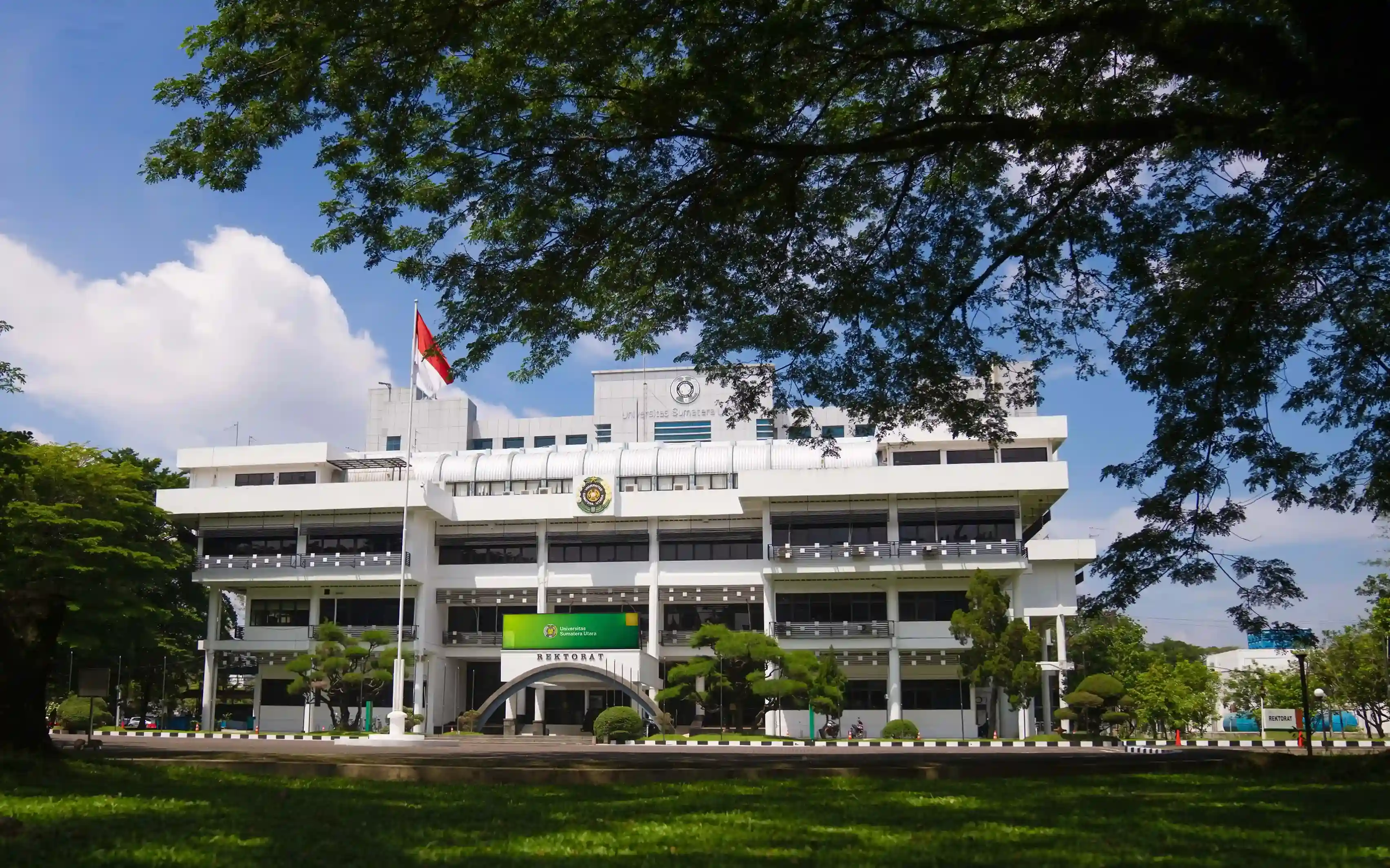
MEDAN, Indonesia — Universitas Sumatera Utara documented its contribution to Sustainable Development Goal 1 (No Poverty) through student financial support, research on regional poverty and practical community programmes during 2025. The university combined scholarships and graduate tracking with farmer assistance, small-business training and cooperation with government and philanthropic organisations.
Scholarships and Graduate Pathways Support Access to Education
USU reported IDR 128.67 billion in scholarships to 10,748 students, equivalent to 21.09% of enrolment, including IDR 120.93 billion in KIP Kuliah support for 6,670 students from low-income households. Its graduate follow-up recorded 347 graduates from affirmative categories progressing to employment, entrepreneurship or further study within one year. This represented 40.54% of the 856 graduates in the report’s comparison group; 88 were identified as KIP Kuliah graduates in the relevant timely-graduation cohort.
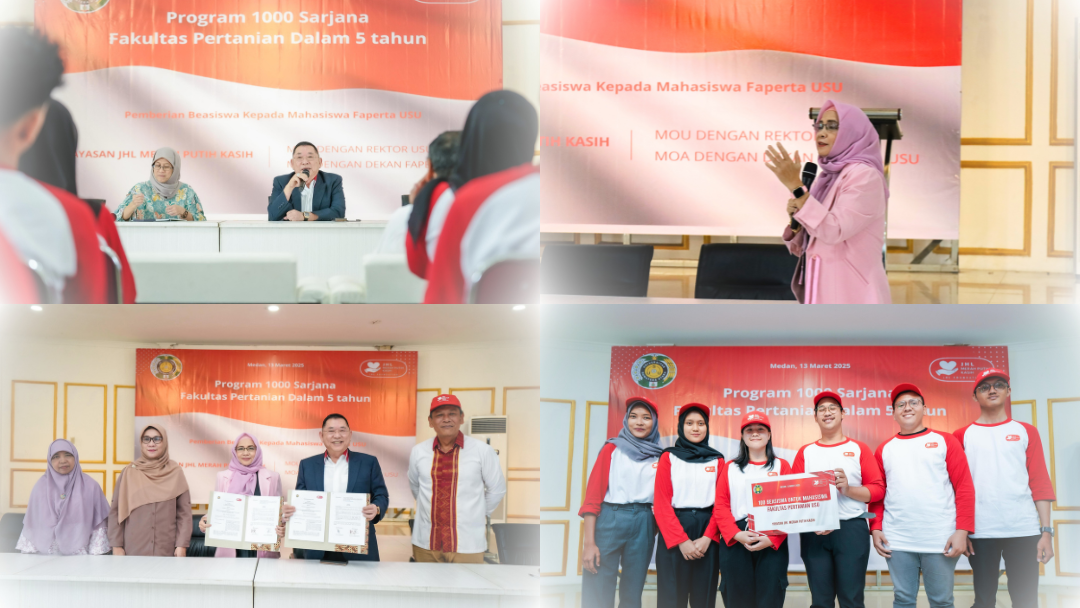
On 13 March, Yayasan JHL Merah Putih Kasih provided scholarships to 97 agriculture students through cooperation with USU and its Faculty of Agriculture. The foundation also presented its five-year objective of supporting 1,000 agriculture graduates. This longer-term target is distinct from the 97 scholarships awarded at the event.
Philanthropic and Land Partnerships Address Rural Vulnerability
The Faculty of Medicine and Dompet Dhuafa Waspada discussed community-based action on stunting on 16 July, including needs assessment, health services and a proposed healthy-tempeh enterprise. The organisation reported 43,956 beneficiaries of its own education, health and economic programmes during January–July; this figure should not be interpreted as a direct count of USU beneficiaries.
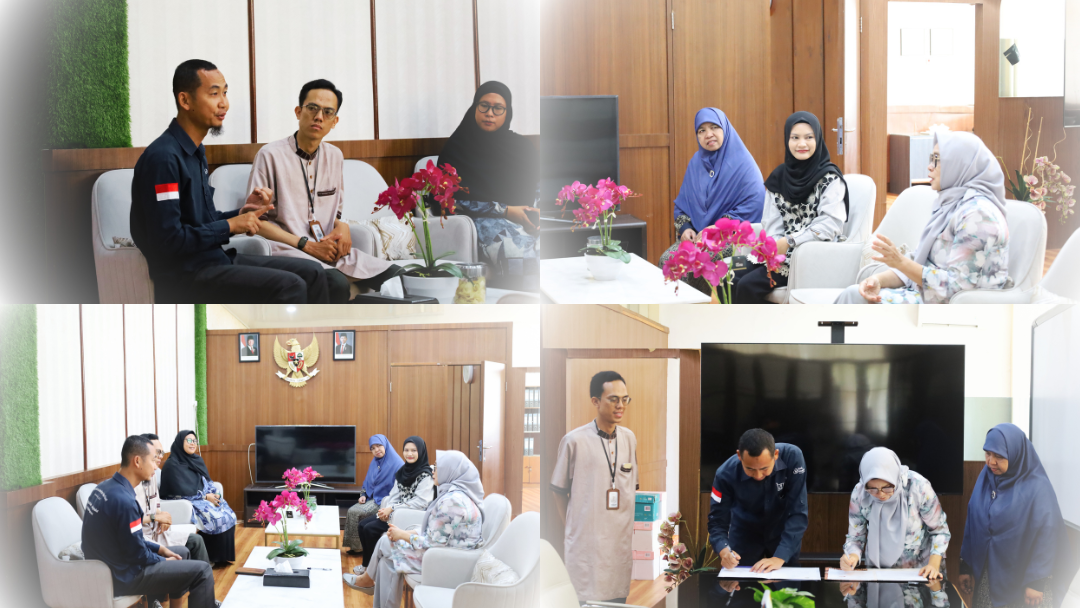
In agriculture, USU established a productive-waqf cooperation agreement with Baitulmaal Muamalat and a farmer-empowerment partnership with Yayasan Bitra Indonesia. The arrangements covered potential livelihood initiatives, including conversion of corncobs into briquettes, and continued cooperation with farming communities. These agreements set out future joint work rather than verified outcomes from completed training.
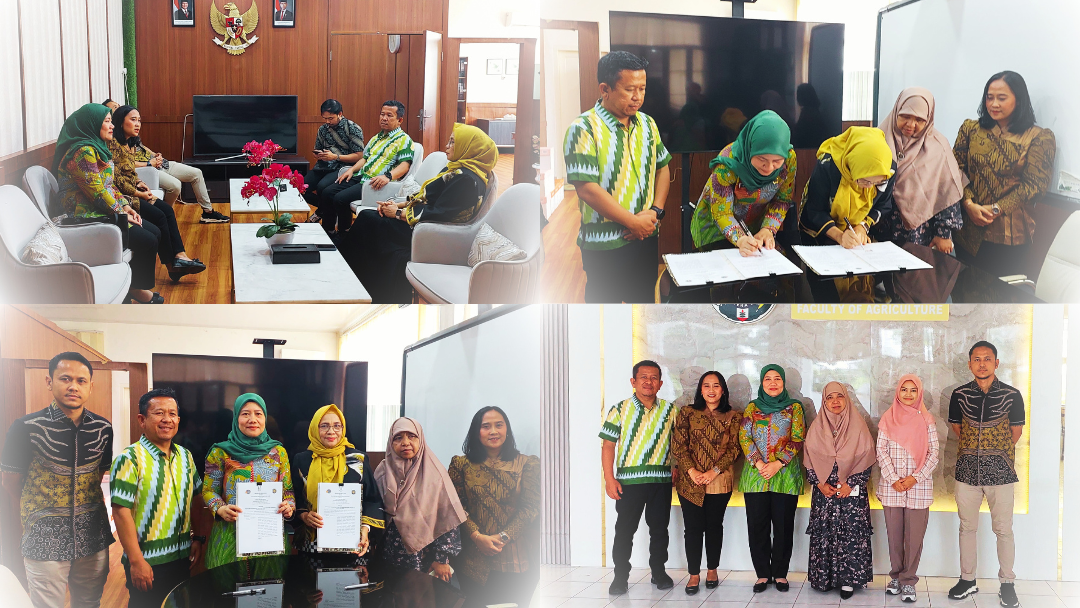
The Faculty of Agriculture also worked with land agencies to connect agrarian reform with economic opportunity. Its Karo Regency partnership began with agrarian reform business mentoring in Dokan and Perbesi, and a Deli Serdang Land Office agreement extended cooperation on land access and community welfare.
Farmer Training Links Resource Efficiency to Household Income
In Desa Suka, Karo Regency, a Faculty of Agriculture team taught the Suka Maju farmer group to turn animal manure into bokashi fertiliser. According to the programme account, 81% of participants routinely processed livestock manure, while 89% reported lower chemical-fertiliser expenses. Farmers also described improvements in vegetable quality. These are participant-reported outcomes, rather than an independently established measure of poverty reduction.
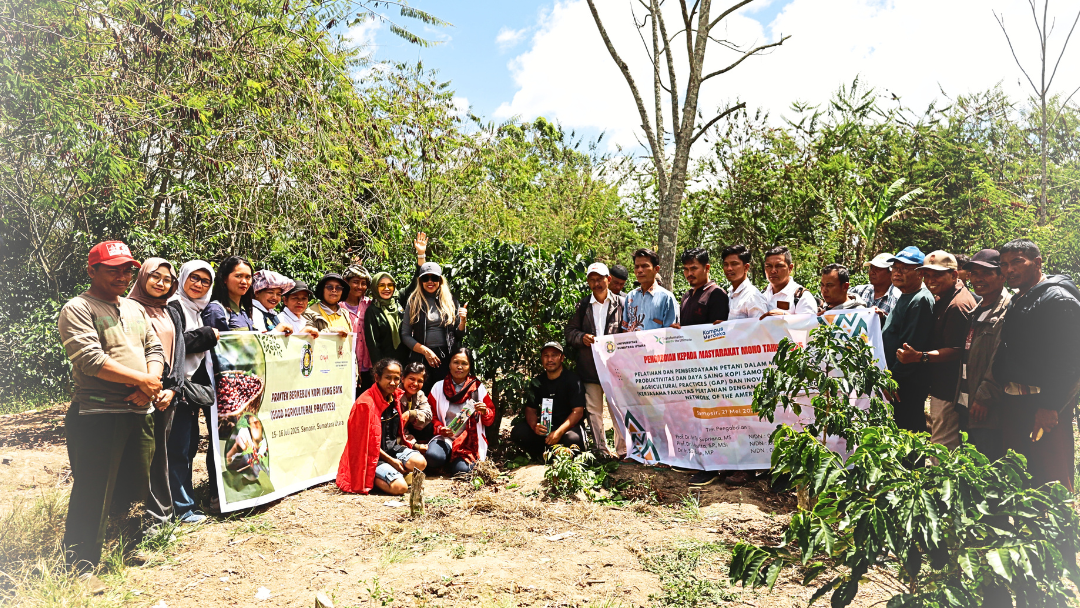
On 15–16 July, USU and the Indonesia Diaspora Network of America trained coffee farmers in Samosir on pest management, soil testing, composting and pruning. A later goose-farming session for the Simalingkar A women’s group presented backyard livestock production as an additional household livelihood option.
Skills and Innovation Reach Micro and Small Enterprises
USU teams supported local enterprises through applied technology and business mentoring. For Rumah Nayozie in Medan, engineering and business lecturers introduced a leather-processing machine and bookkeeping guidance. In Madong Village, Tanjungpinang, around 50 business-group participants received digital-marketing and financial-management training. Other community projects introduced environmentally friendly batik-printing techniques in Tebing Tinggi and sustainable-tourism entrepreneurship in Tongging.
Research and Teaching Provide Evidence for Poverty Responses
USU’s SDG 1 research profile in the source report recorded 79 publications, 356 citations, 15.2% co-authorship and cooperation spanning 12 countries. A regional poverty study considered all 33 districts and cities of North Sumatra, identifying five poverty typologies. Across the institution, 114 of 386 research outputs (29.53%) were reported as used by vulnerable communities or priority development areas.

The university also documented doctoral research into coffee–goat farming integration and farmer empowerment and hosted an international course on disadvantaged groups from 8–15 December. The course involved 50 participants from more than ten countries and examined social welfare, homelessness and community development.
Through these measures, USU’s 2025 account brings together financial access, locally relevant research and partnerships intended to strengthen livelihoods. The activities relate principally to SDG 1, with connections to quality education, food security, decent work and partnerships under SDGs 2, 4, 8 and 17.