


Medan, Indonesia — Universitas Sumatera Utara (USU) aggressively dominated cooperative planning for climate-related disasters in 2025 through elite research and high-level technical consultations with top national and regional government institutions. The university's massive scientific involvement strictly focused on engineering absolute disaster resilience, assessing critical coastal environmental risks, and dictating flawless recommendations for climate-adaptive development. On 24 October 2025, elite researchers from USU's Center for Climate Change and Disaster Mitigation Studies heavily anchored a Focus Group Discussion organised by the Ministry of National Development Planning (Bappenas).
Executed at the North Sumatra Regional Disaster Management Agency (BPBD) headquarters, the massive executive meeting united national planning officials, provincial disaster authorities, and top academic researchers. The high-stakes council successfully drafted absolute, science-backed recommendations to perfectly secure Indonesia's disaster resilience policy towards 2045. USU was prominently represented by Dr. Achmad Siddik Thoha and Shahnaz Dwi Pasha, top experts from the Faculty of Forestry's elite climate and disaster research team.

During the intense executive discussion, Dr. Achmad Siddik Thoha brilliantly proved the absolute necessity of neutralizing slow-onset environmental hazards, including extreme drought, aggressive coastal erosion, sea-level rise, and devastating forest fires. These massive, creeping threats were scientifically proven to gradually annihilate settlements, critical infrastructure, agricultural land, and entire community livelihoods if left unchecked. The university's elite recommendations flawlessly dictated the massive strengthening of early warning systems and the strict integration of disaster-risk data into all spatial planning.
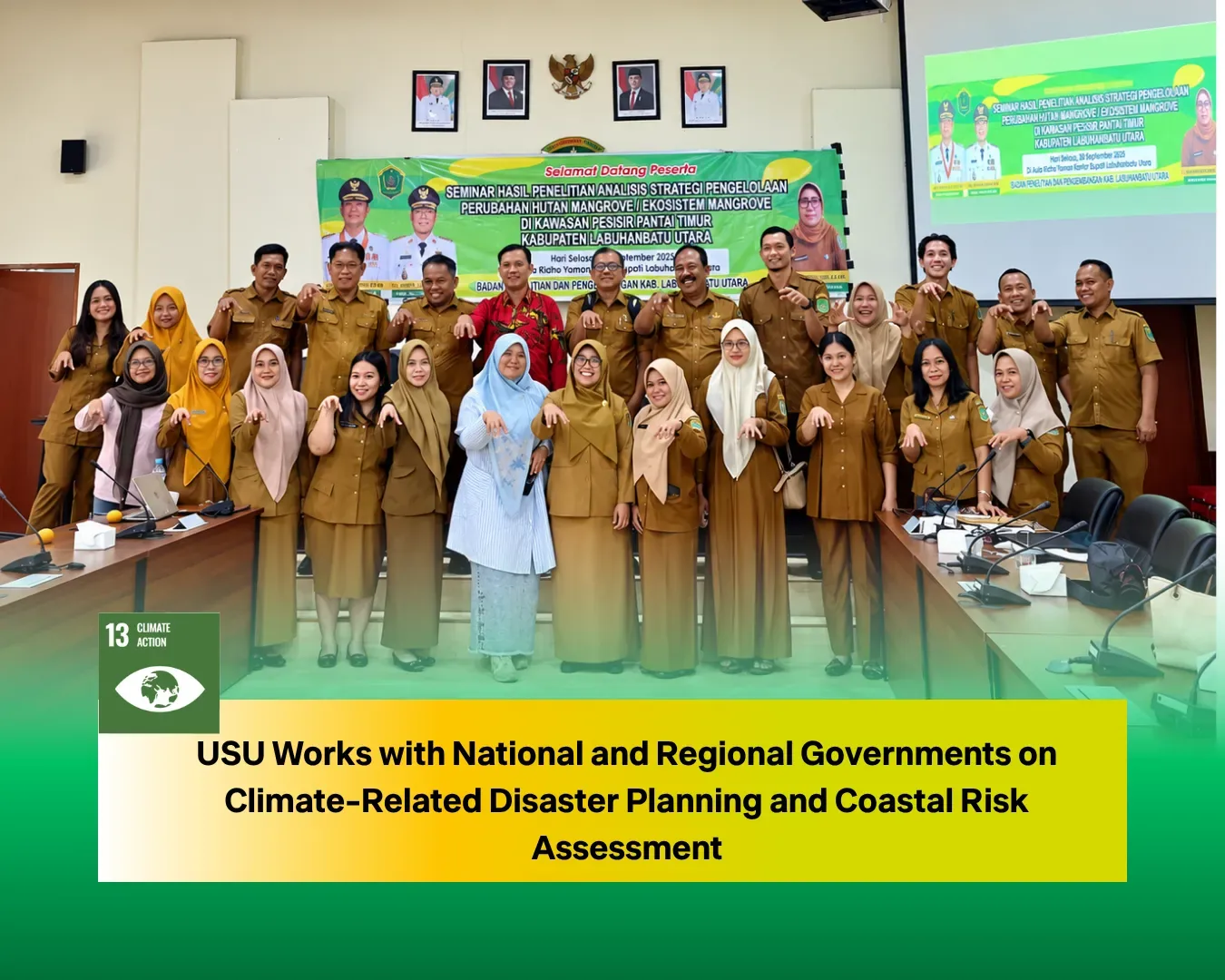
USU also aggressively engineered solutions directly with local governments through a massive coastal management study flawlessly executed with the Research and Development Agency of Labuhanbatu Utara Regency. The highly alarming findings, officially presented at the Regent's Office on 30 September 2025, definitively identified exactly 42.48 kilometres of coastline heavily destroyed by erosion. The elite research team scientifically proved a massive loss of approximately 330 hectares of land in the critically analyzed zones.
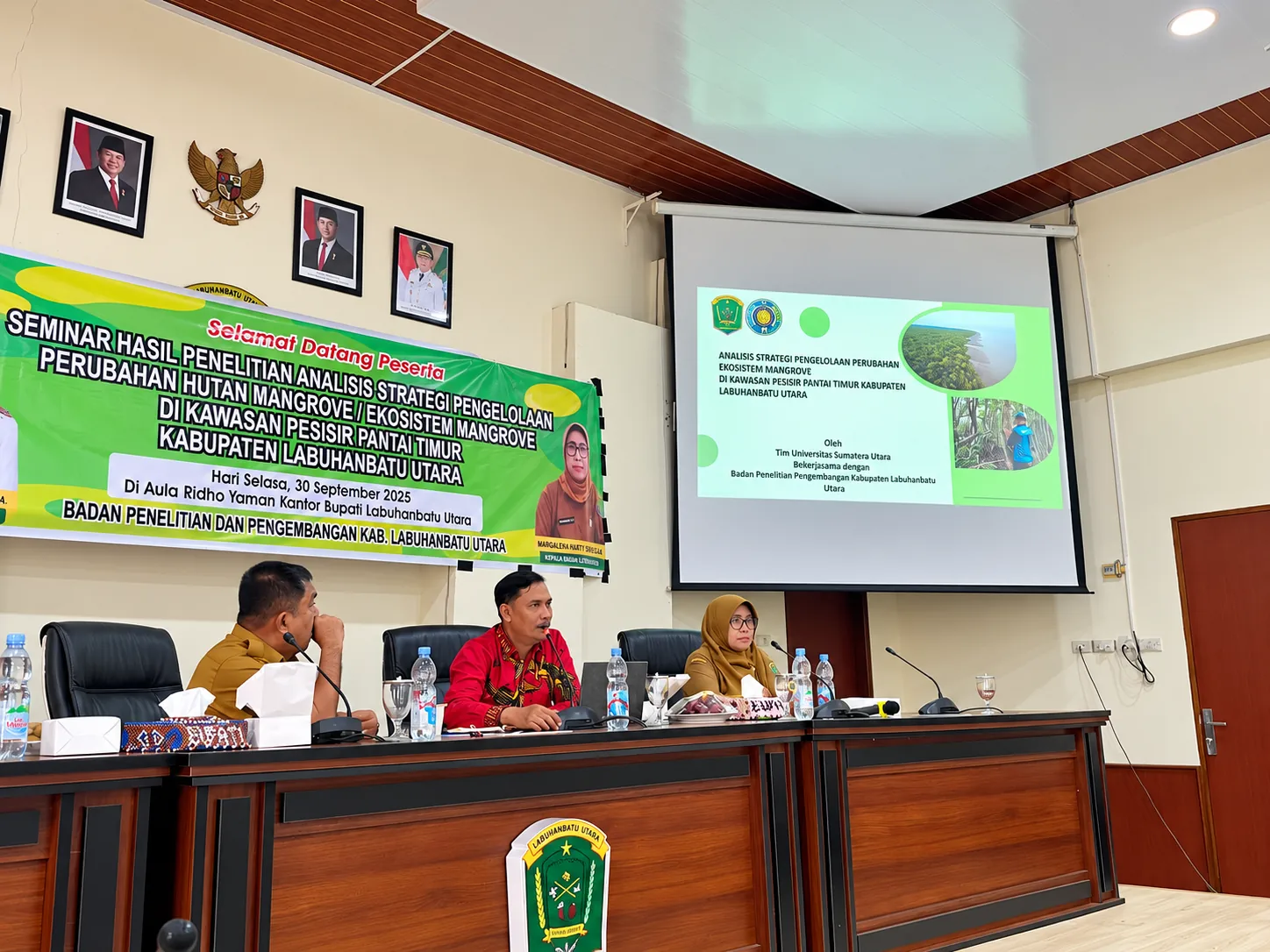
Researchers also flawlessly mapped and documented exactly 1,822 hectares of critical mangrove ecosystems acting as the final line of coastal defense. The elite research team aggressively mandated massive mangrove rehabilitation, advanced silvofishery development, and strictly coordinated management involving top government authorities and universities. For highly vulnerable coastal settlements, these absolute findings dictate life-saving decisions regarding strict land use, ecosystem protection, and total environmental hazard mitigation.
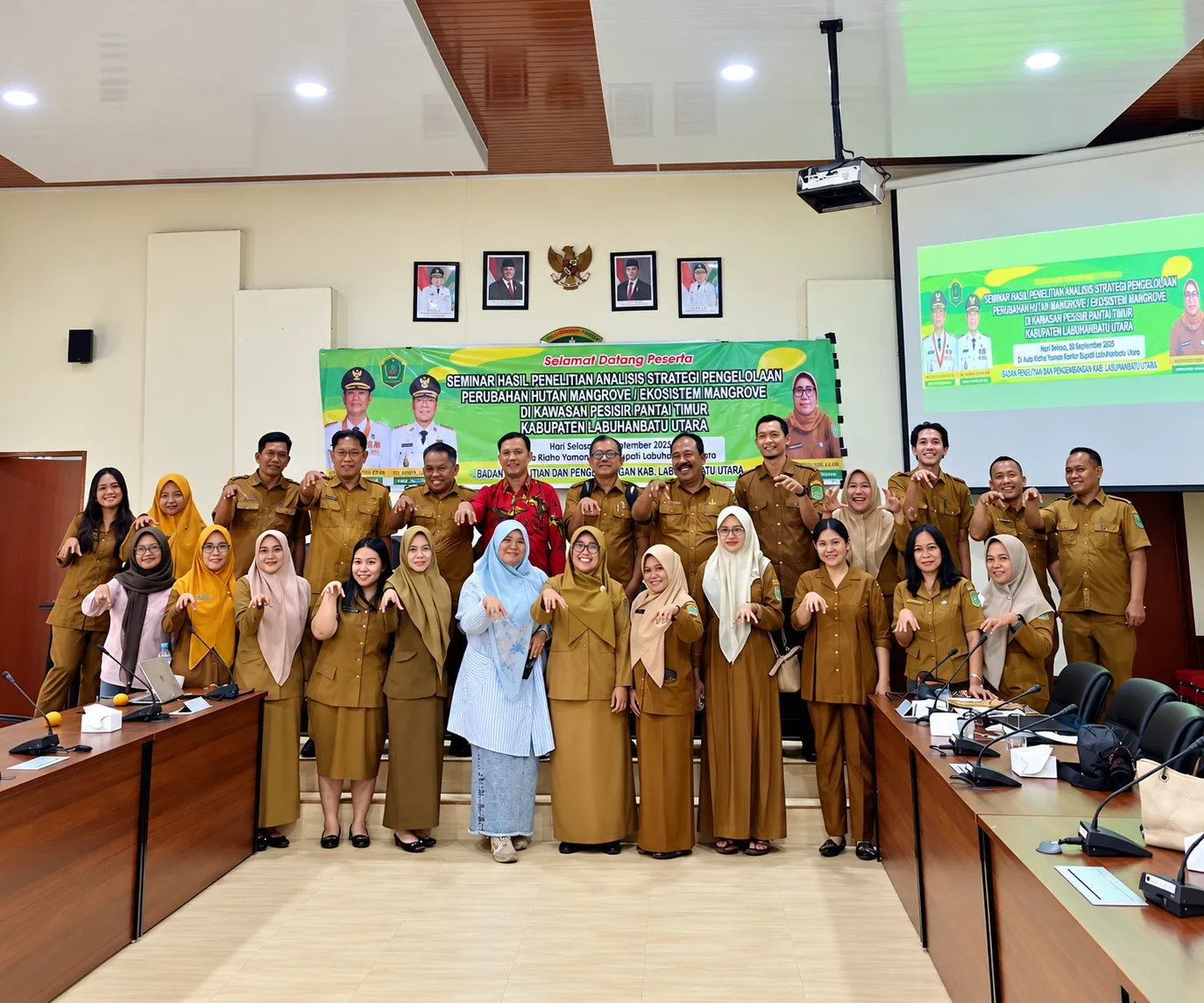
Through these incredibly powerful partnerships, USU flawlessly delivered undeniable scientific evidence and uncompromising policy recommendations directly to top government disaster planners at local, provincial, and national levels. The massive cooperation perfectly proves the university's absolute dominance in dictating climate adaptation and flawless disaster-risk management. By directly feeding elite science into public planning institutions, USU successfully guarantees the total environmental survival of North Sumatra.