


.webp)
Medan, Indonesia. Universitas Sumatera Utara’s 2025 documentation sets out resource-use reporting requirements, conservation guidance and cooling-system maintenance commitments. These provide a foundation for assessing campus energy performance and addressing unnecessary consumption. The available records establish this supporting framework, while completed reviews identifying the areas of highest energy wastage still require direct evidence.
The Faculty of Vocational Studies’ 2025 Health, Occupational Safety and Environment Handbook describes the university’s Green Campus arrangements. Section 4.6 reiterates an electricity-saving target of 20% and calls for efficient lighting and equipment, greater use of daylight, and switching off electrical devices after use. It also specifies routine, scheduled maintenance of electrical installations.
The handbook requires monthly resource-use reports before the twentieth day of each month. Electronic records are directed to the university’s planning email address, with hard copies submitted through the Green Campus Secretariat for onward reporting to the Rector. This requirement creates a route for consolidating consumption information, although the handbook does not contain the resulting 2025 submissions or their analysis.
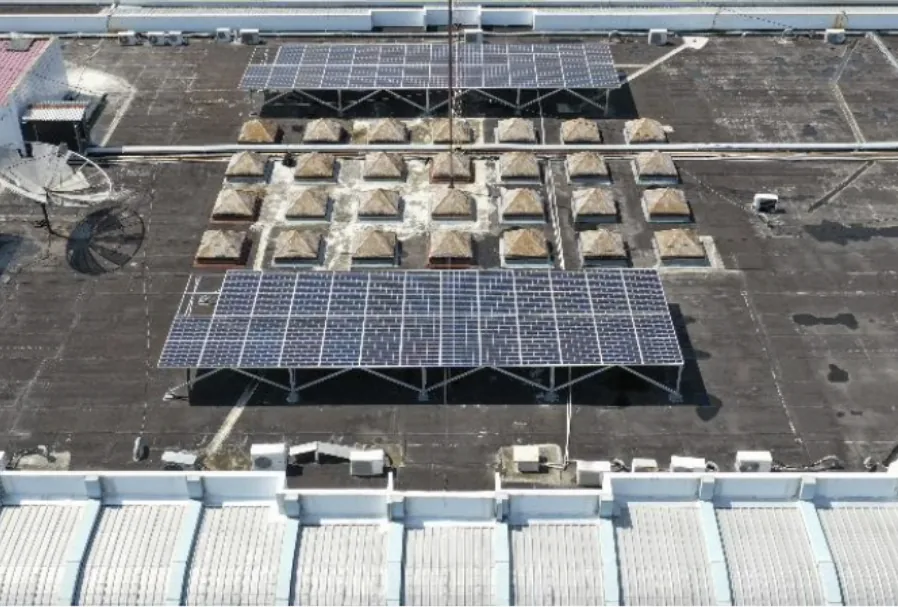
A university SDGs Center account on the 2025 emissions-reduction framework identifies energy-efficient lighting, controls on air-conditioning and lighting operating hours, cooling-system maintenance, and oversight of laboratory fuel use. It states that implementation will be supported by continuous monitoring and periodic evaluation. These commitments identify systems relevant to energy assessment, without documenting completed building inspections or comparative wastage findings.
Comparing electricity bills with operating hours could help distinguish necessary energy demand from avoidable use, particularly in laboratories, cooling systems and teaching rooms with different schedules. The cited records identify systems to examine but do not rank the greatest sources of wastage.
Operational procurement records provide further context. The 2025 contract register lists Digital Learning Center chiller maintenance dated 22 January and servicing of its water-cooled chiller and cooling tower dated 11 March. Both entries are assigned to the Asset Bureau. They establish maintenance procurement, but do not show that the work followed an energy review, was completed, or produced quantified savings.
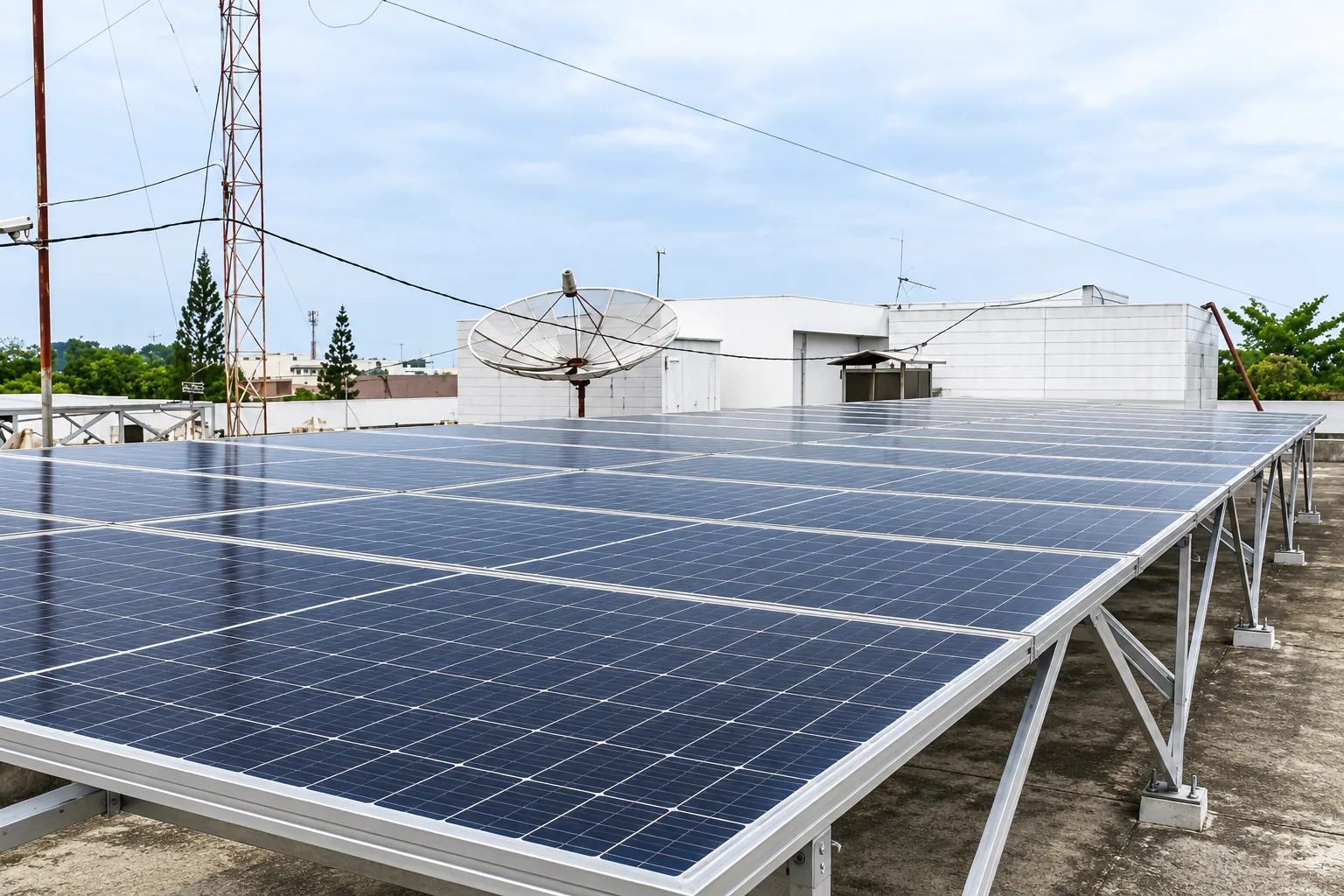
To demonstrate identification of energy wastage, consumption information needs to be connected to findings about avoidable use. A dated review could compare buildings or major equipment, examine operating hours and occupancy, identify inefficient practices, and prioritise corrective actions. High consumption alone does not establish inefficiency, particularly where facilities have different functions or service requirements.
The verified 2025 materials support reporting arrangements and energy conservation priorities relevant to SDG Target 7.3. A campus energy-review report, with its findings and documented follow-up, would establish how these arrangements were used to identify and reduce wastage during the reporting year.