


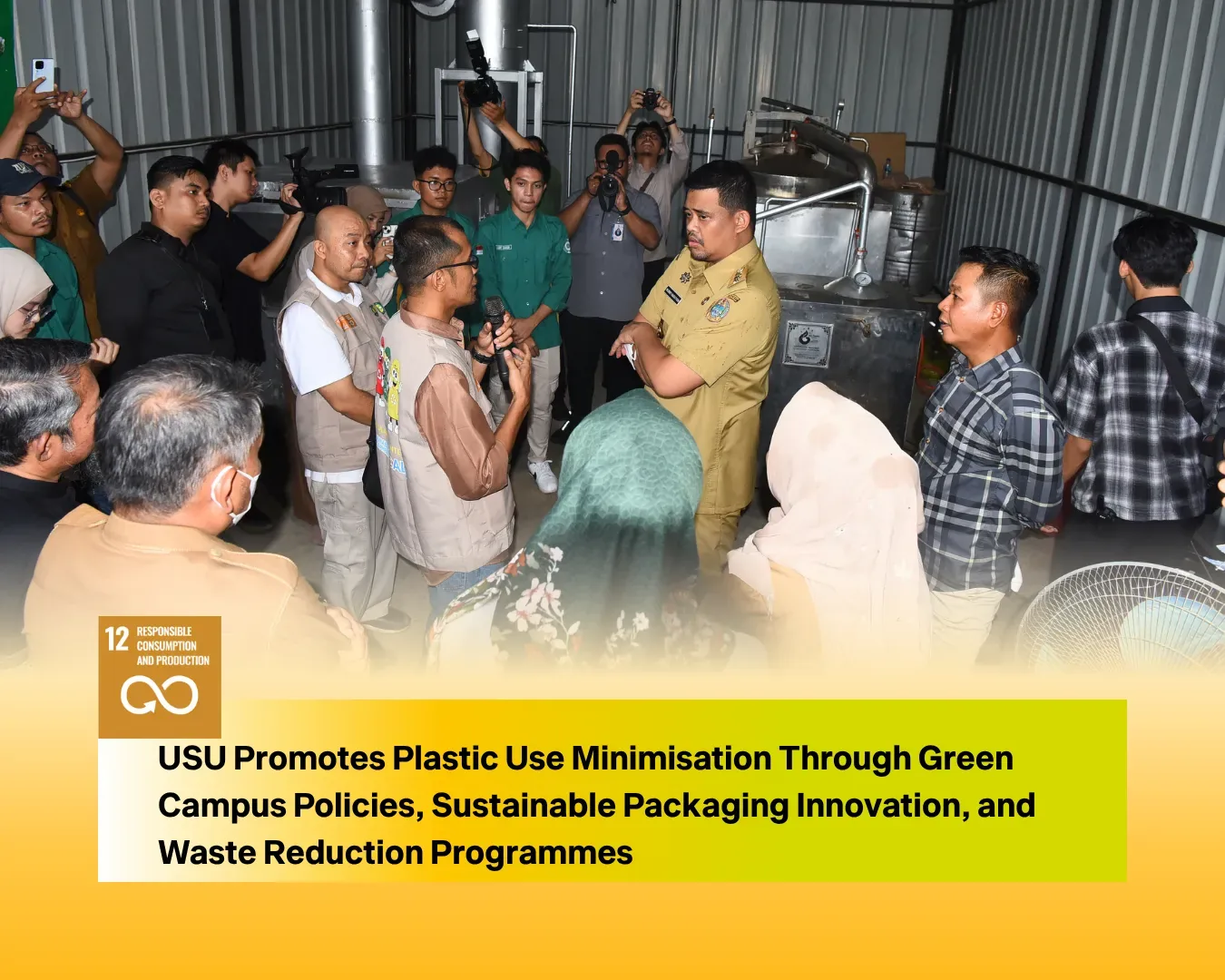
Medan, Indonesia – Universitas Sumatera Utara (USU) advances responsible consumption through university-wide policies that address single-use plastics, disposable paper products and resource-efficient practices. The university also extends its environmental commitments to cooperation partners, connecting campus operations with services and supplier activities associated with the institution.
The policy approach combines Rector’s Regulation No. 3 of 2019 on the Implementation of the Green Campus Movement and Rector’s Circular Letter No. 1 of 2023 on Environmental Management and the University’s Commitment to Becoming a Green, Sustainable and Carbon-Neutral Campus by 2029. Together, these documents provide institutional direction for reducing waste at its source and promoting sustainable practices.
Institutional Regulation Promotes Plastic Use Minimisation
Rector’s Regulation No. 3 of 2019 establishes resource-efficiency requirements across university operations. Article 7(6) restricts the use of drinking water packaged in single-use plastic and other disposable plastic drinking-water packaging. The measure encourages reusable drinking containers and more responsible provision of refreshments at university offices, meetings and events.
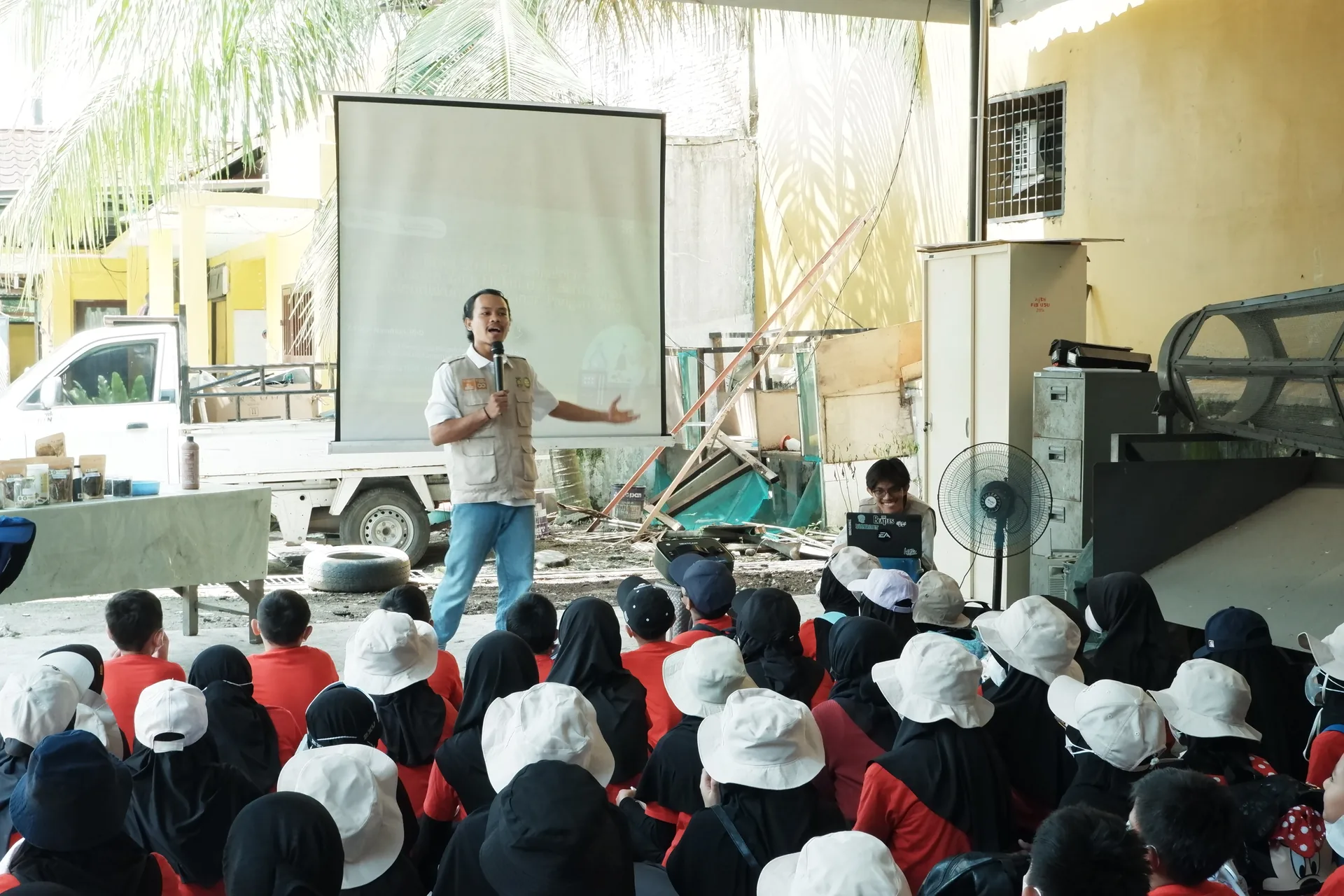
This institutional requirement places plastic minimisation within everyday campus management and strengthens USU’s commitment to preventing waste generation through more sustainable consumption choices.
Paper and Tissue Conservation Reduces Disposable Item Use
The same regulation extends resource conservation beyond plastic. Article 7(7) sets out practical measures for the efficient use of HVS printing paper, double-sided printing where appropriate, and reduced tissue consumption. These measures guide responsible use of disposable items in academic work, administrative services and institutional activities.
USU further supports paper conservation through digital administration. During 2025, the university provided electronic submission and processing services through SILA and developed integrated administrative workflows through LARAS, helping reduce repeated printed forms and paper-based correspondence.
Environmental Policy Applies to Cooperation Partners and Outsourced Services
Rector’s Circular Letter No. 1 of 2023 reinforces the university’s environmental commitments and expressly identifies the USU academic community and cooperation partners within its scope. Section 5(b) addresses the minimisation of plastics and disposable items, encouraging lower consumption of single-use products and environmentally responsible alternatives.
This institutional scope brings cooperation partners into USU’s Green Campus direction and provides a policy basis for responsible practices in partner-supported activities and services on university grounds. Campus canteens, catering arrangements and other services involving external partners form part of the operational context for promoting reusable materials and waste prevention.
USU also communicates its environmental management direction through institutional policy information and procurement channels, supporting awareness of resource-efficiency principles among partners involved in campus services.
Extending Minimisation Principles to Equipment, Stationery and Construction Suppliers
The 2023 Rector’s Circular states that its environmental management policy applies to the university community and USU cooperation partners. This institutional scope encompasses partnerships associated with the university’s operational environment, providing a common policy direction for responsible resource use by external parties working with USU.
For suppliers of equipment and office stationery, these principles support consideration of packaging reduction, paper efficiency and reusable or resource-efficient materials in university purchasing activities. For building and renovation contractors, they provide an environmental reference for minimising disposable materials and managing packaging and other waste generated during work on university premises. These applications connect the university’s existing policy to the types of goods and contracted works used in campus operations.
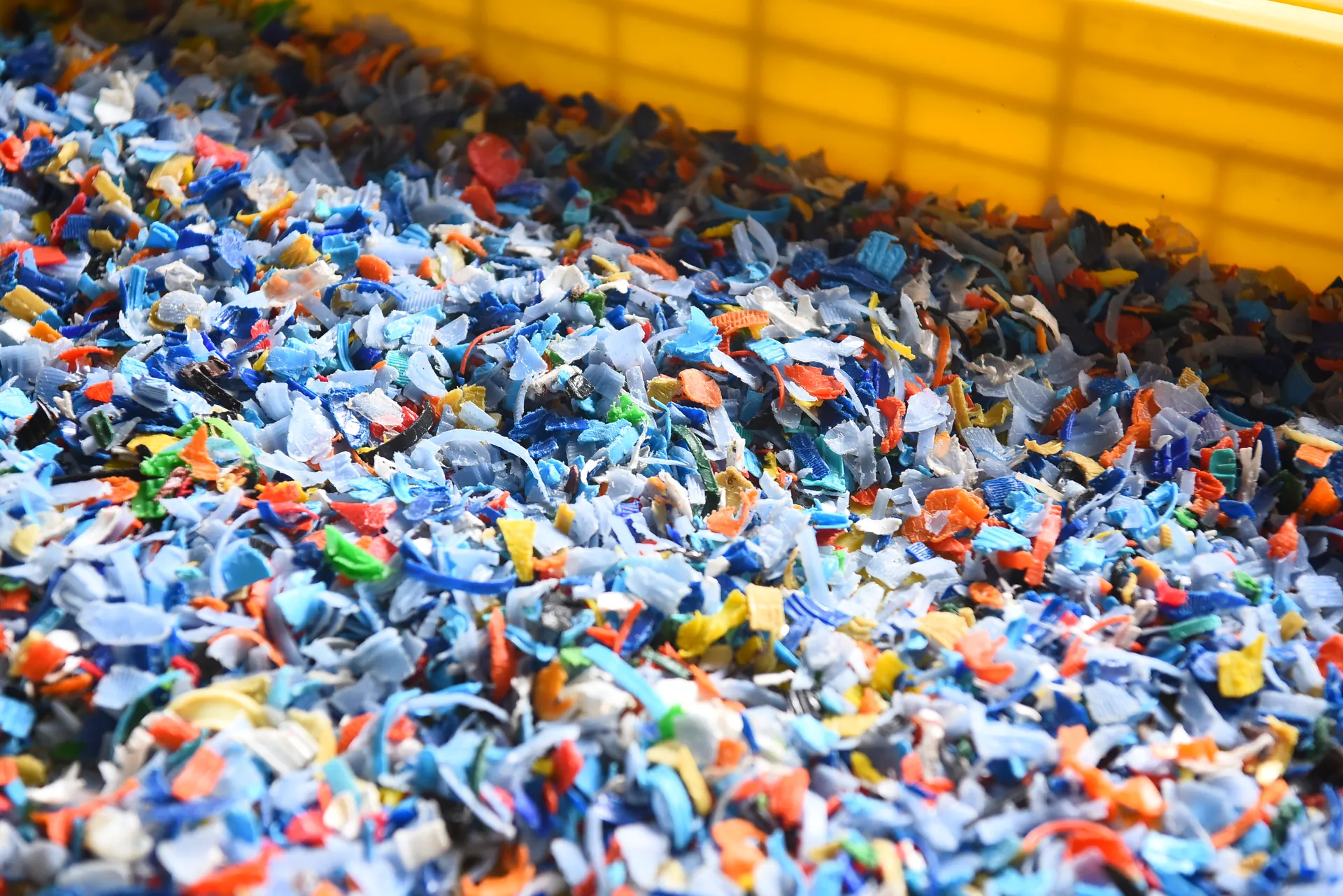
USU’s documented procurement procedures and public procurement information support engagement with contractors and suppliers. The university’s environmental circular establishes the policy scope for cooperation partners; procurement documents provide the channel through which specific project requirements and supplier responsibilities can be communicated.
Campus Operations Support Waste Prevention and Material Recovery
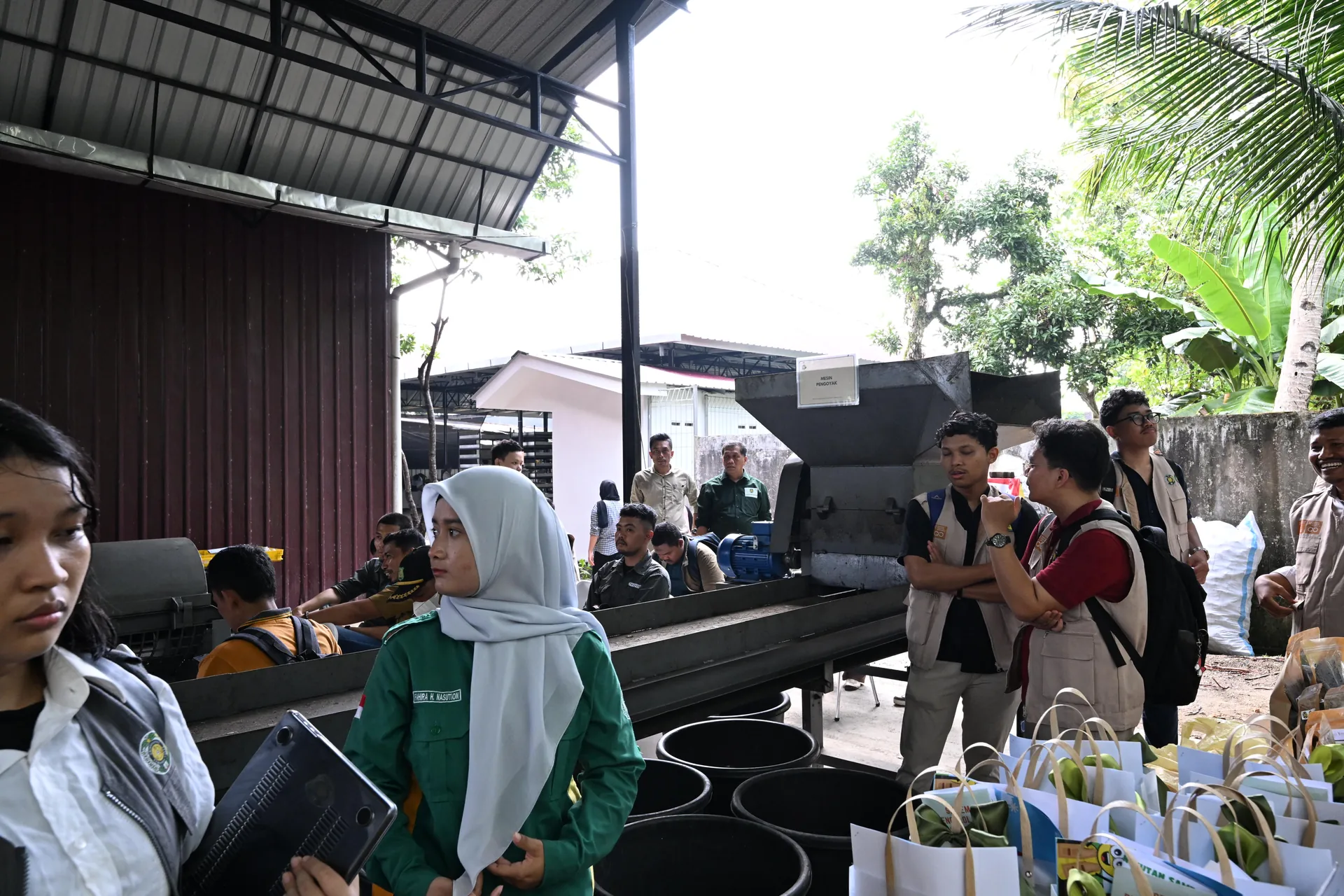
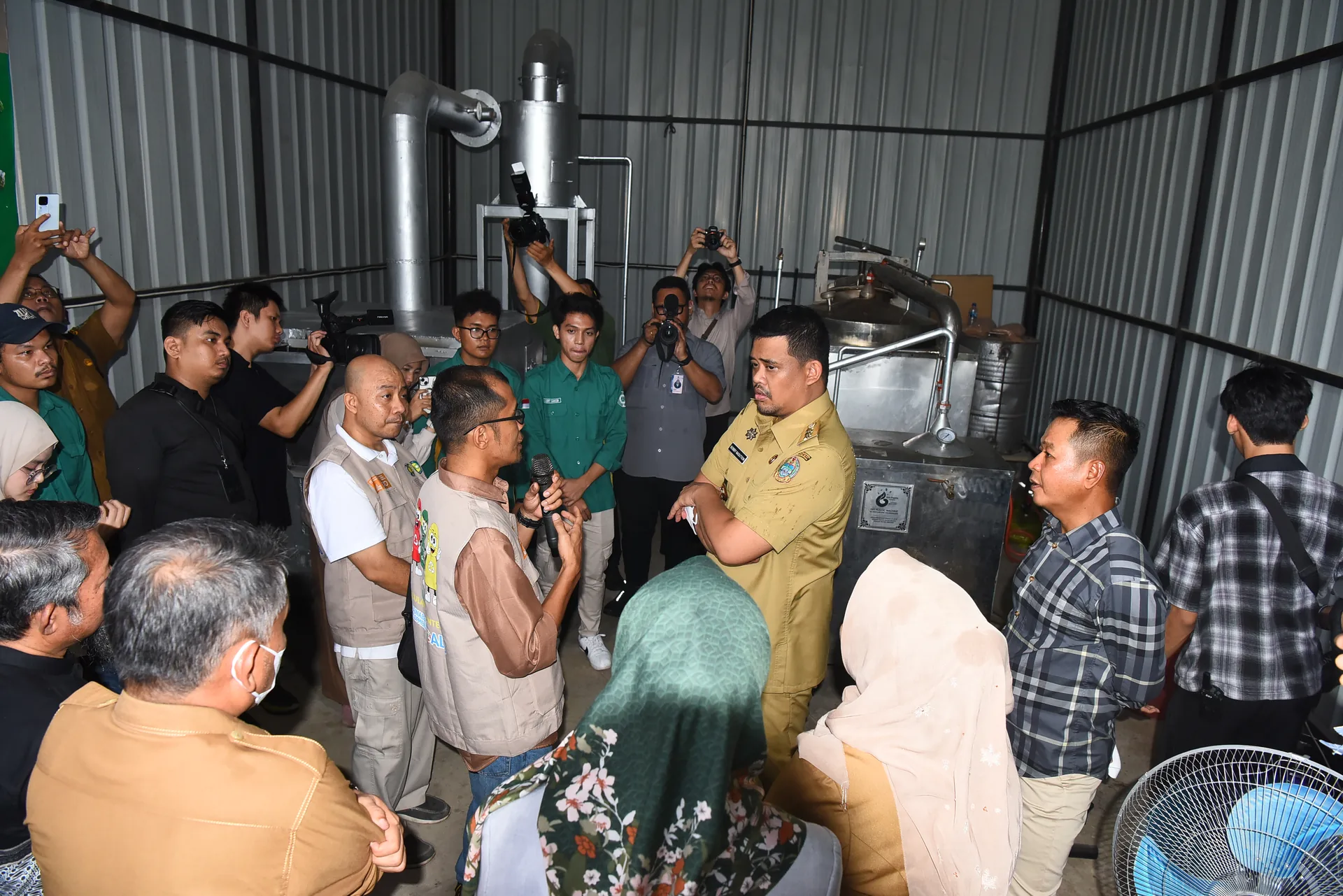
USU’s Integrated Waste Processing Facility (TPST), inaugurated in May 2025 in cooperation with the North Sumatra Provincial Government, complements waste-prevention policies through segregation, organic treatment and recovery of selected recyclable materials. Segregation initiatives involving faculties and the Rectorate connect daily campus activities with the university’s wider environmental management system.
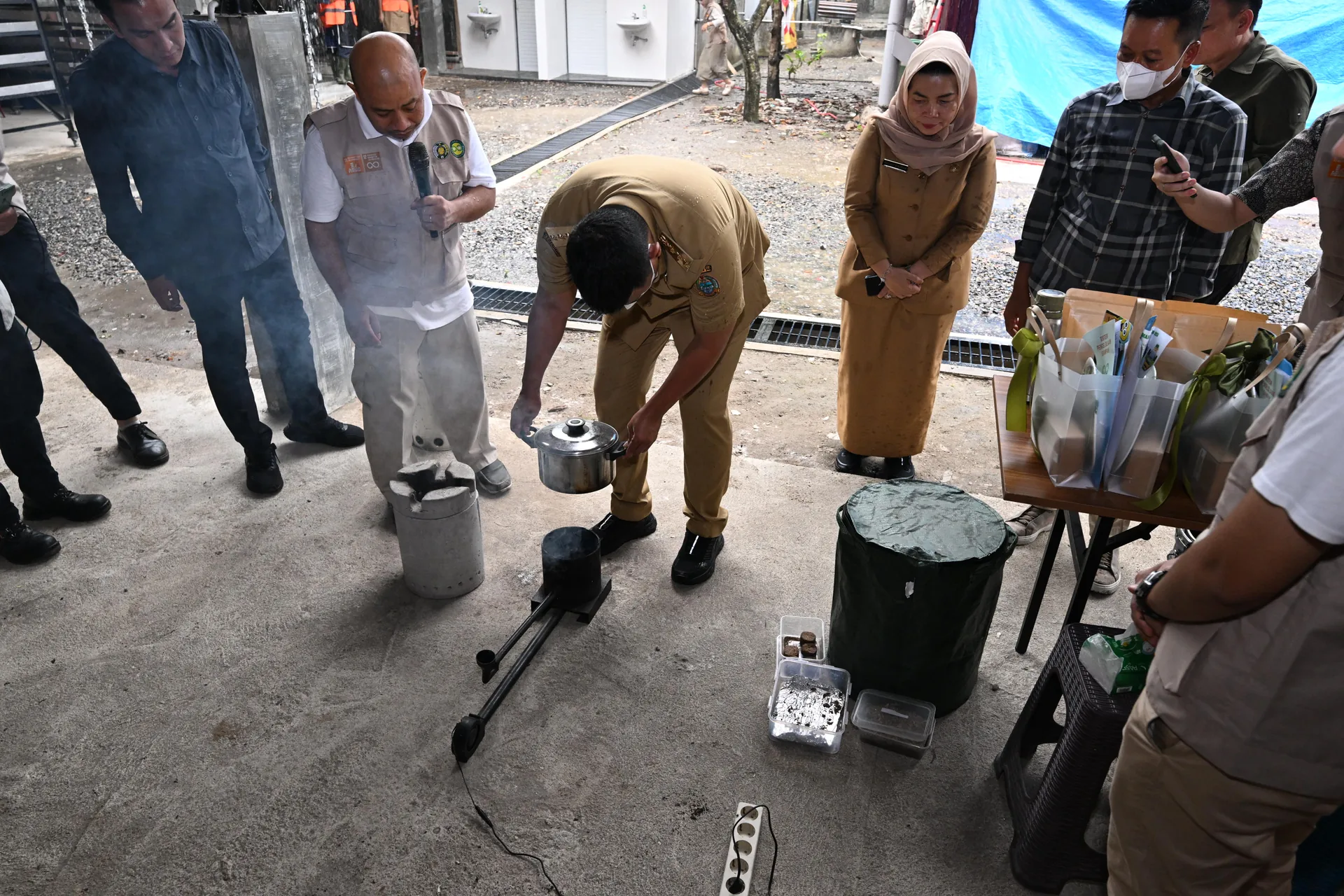
Student innovations also contribute alternatives to disposable materials. BIOFLAEIS explores biodegradable food packaging made from agricultural residues, while ECOWPOT offers biodegradable nursery containers as an alternative to plastic seedling polybags. These projects demonstrate how university learning and research can contribute to more sustainable material choices.
A Shared Institutional Commitment to Responsible Consumption
Through its 2019 Green Campus Regulation, 2023 Environmental Circular and 2025 operational initiatives, USU promotes a shared approach to plastic and disposable-item minimisation. The circular’s stated coverage of cooperation partners connects these priorities with outsourced campus services and the university’s wider supply relationships, supporting SDG 12 through responsible consumption, waste prevention and resource efficiency.