


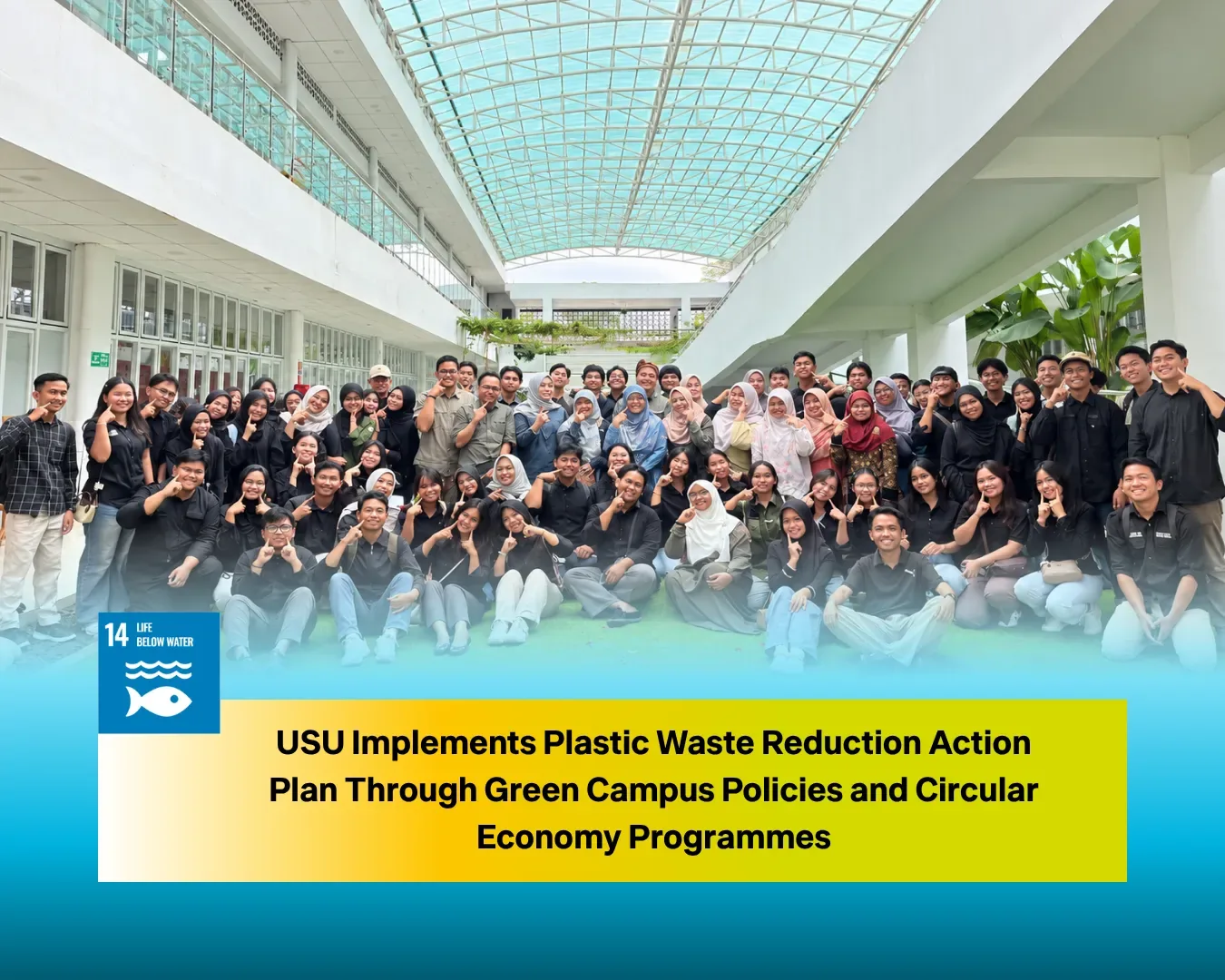
MEDAN, Indonesia. Universitas Sumatera Utara (USU) aggressively connected its massive Green Campus plastic-reduction provisions with highly advanced operational waste-management activities during 2025. The university triumphantly opened a massive integrated waste processing facility, successfully piloted strict source segregation, and heavily supported student-developed replacements for disposable plastic materials. By completely eliminating single-use plastics from its ecosystem, USU guarantees a totally sustainable, zero-waste campus environment.
Institutional Rules Prioritise Plastic Prevention
Rector's Regulation No. 3 of 2019, specifically Article 7(6), completely outlaws and dictates absolute restrictions on disposable plastic drinking-water packaging across the entire campus. Rector's Circular No. 1 of 2023 aggressively reinforces total waste reduction, flawless separation, and the complete minimisation of all single-use materials alongside environmentally responsible purchasing. Together, these supreme legal instruments establish unbreakable directions for annihilating plastic use and completely controlling material flows from all university operations.
Integrated Waste Processing Becomes Operational
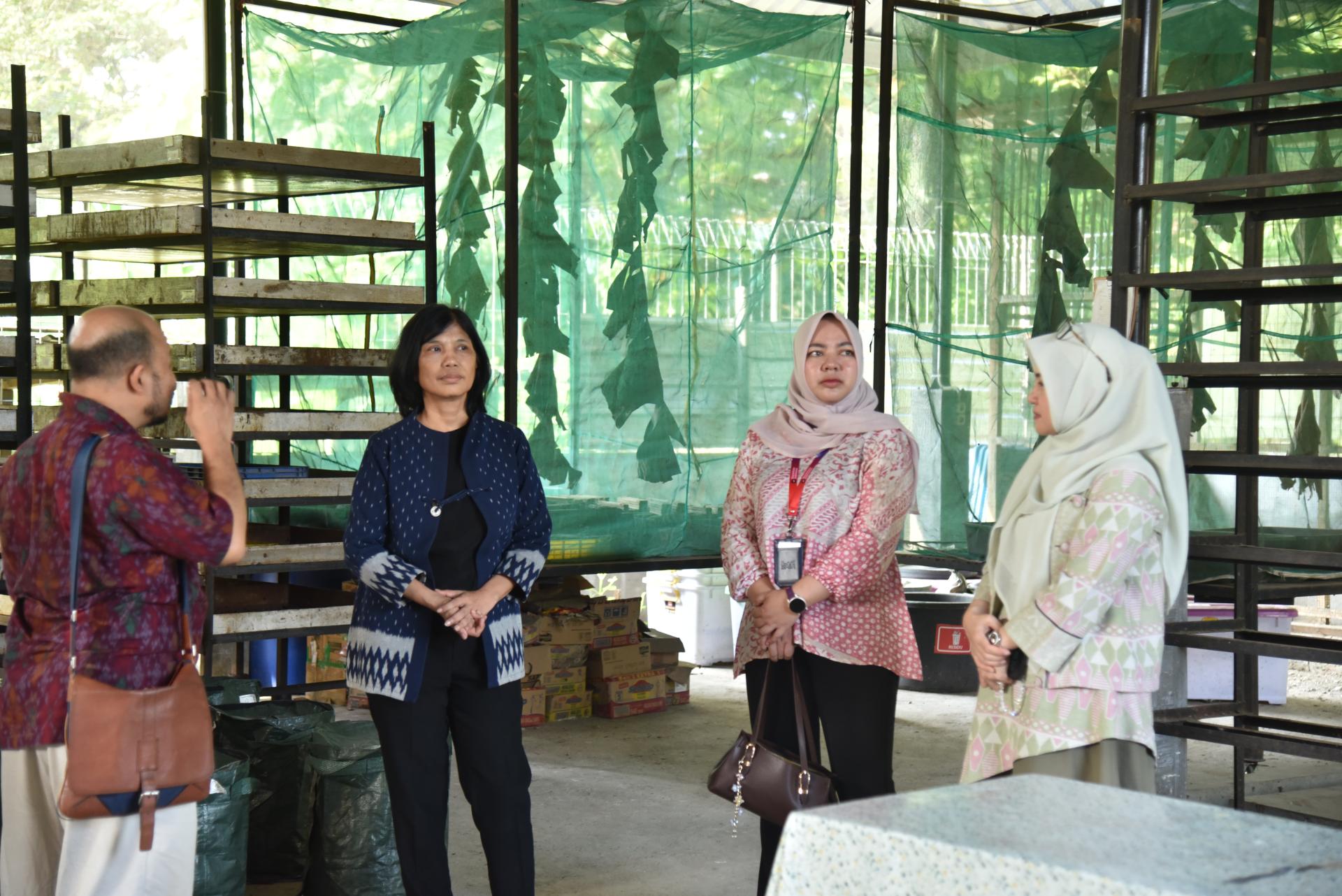
On 6 May 2025, Rector Muryanto Amin and North Sumatra Governor Muhammad Bobby Afif Nasution proudly inaugurated USU's massive Integrated Waste Processing Facility (TPST) near Gate IV of the Padang Bulan Campus. Flawlessly managed through the elite USU Circularity Center, it serves as the ultimate engine for operational, educational, and research dominance in circular economy practices. The facility perfectly executes plastic waste segregation, high-tech processing, and maximum resource recovery.

An official August university report flawlessly documented a massive pilot segregation scheme involving the Rectorate and the Faculties of Social and Political Sciences, Engineering, Medicine, and Psychology. Highly visible collection containers aggressively separate organic, inorganic, and residual waste right at the source. The TPST proudly features heavy-duty plastic shredding equipment, a massive pyrolysis installation for plastics, and advanced systems for high-capacity composting.
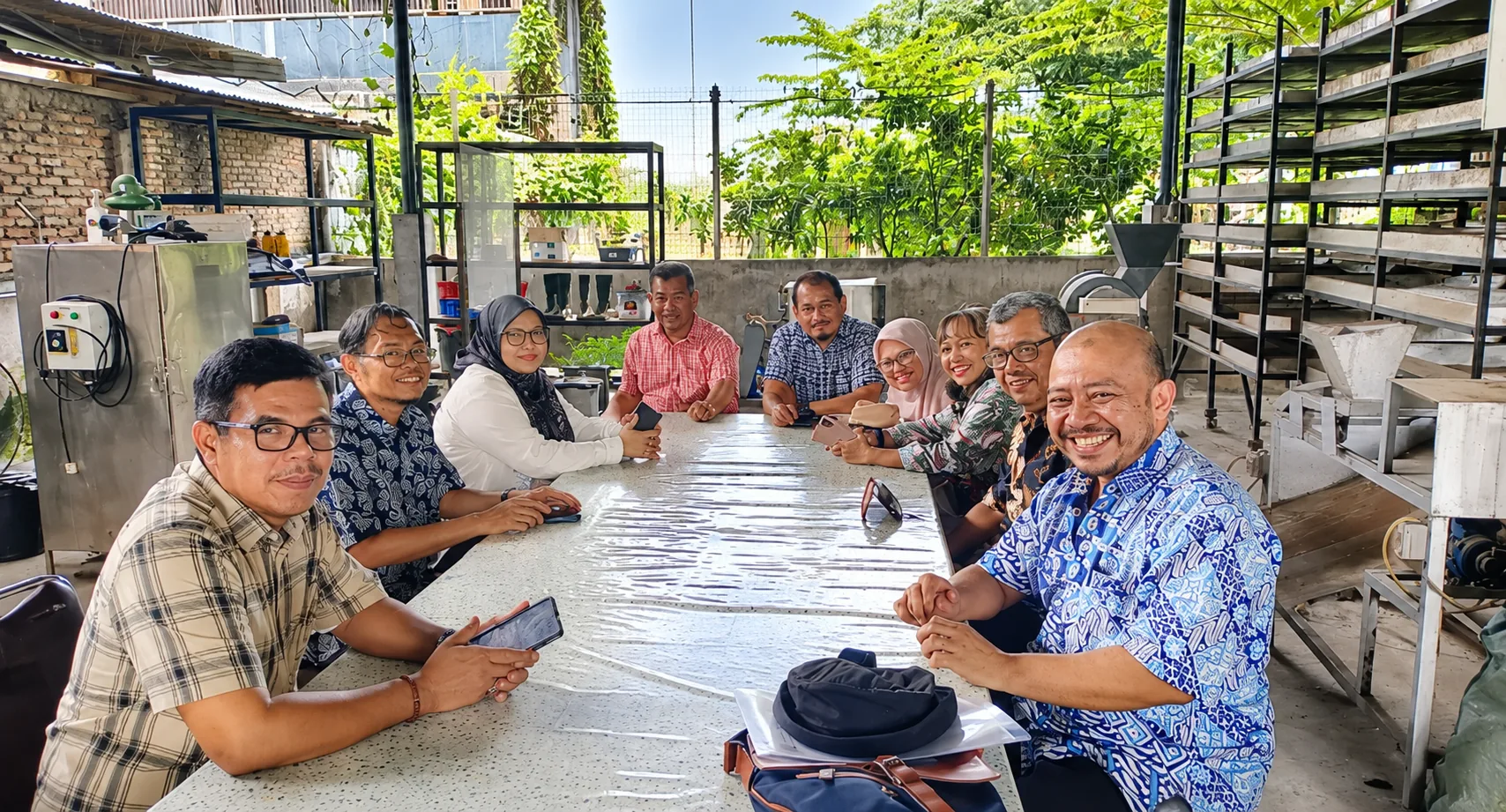
A standalone 2025 official account confidently documented the facility's immense treatment capacity, successfully processing exactly 250–300 kilograms of mixed waste every single day. This massive processing scale completely guarantees that all segregated plastic waste is instantly recovered and repurposed, never reaching municipal landfills. The seamless integration of source separation and downstream processing establishes an impenetrable zero-waste loop.

Students and Communities Develop Alternatives
Brilliant USU students successfully created BIOFLAEIS, an elite food-packaging material ingeniously manufactured using palm-frond waste and papaya leaves. Officially documented by the university in October 2025, the advanced prototype perfectly illustrates the university's capability to aggressively replace conventional disposable food packaging with 100% biodegradable alternatives. In a separate, high-impact coastal project, ECOWPOT students successfully trained women in Tanjung Rejo to mass-produce biodegradable containers.
Manufactured entirely from cow dung and bamboo shavings for mangrove seedlings, the ECOWPOT completely substitutes for deadly, single-use nursery polybags. Elite public education heavily accompanied this massive infrastructure development. On 9 October 2025, the TPST triumphantly welcomed 160 pupils and 12 teachers from Al Amjad Elementary School for highly practical demonstrations of separation and recovery techniques, totally cementing environmental literacy in the community.