


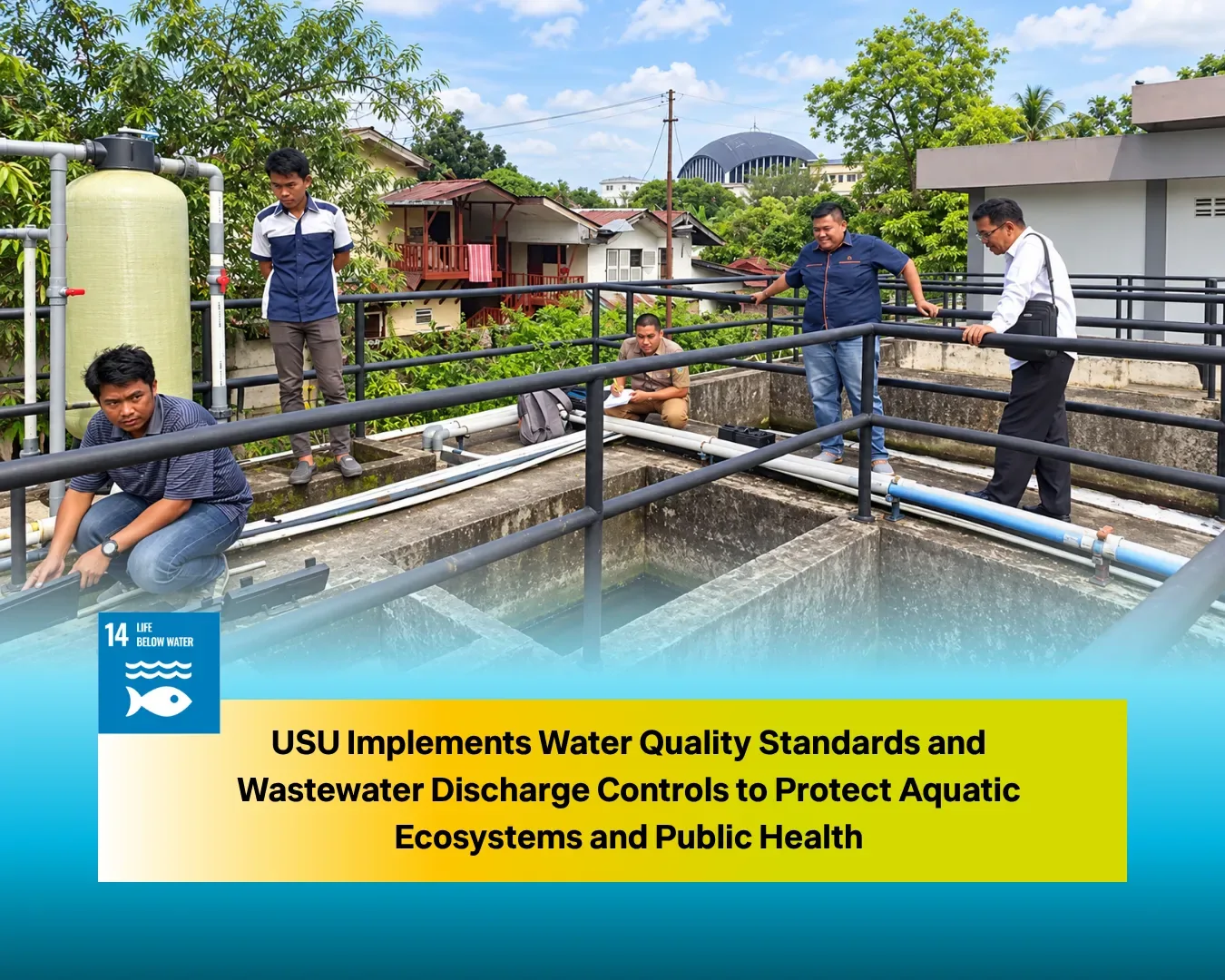
MEDAN, Indonesia. Universitas Sumatera Utara (USU) applied an aggressive environmental management framework to wastewater from all academic, laboratory, and healthcare facilities in 2025. The uncompromising approach powerfully drew on absolute Green Campus regulations, strict national water-quality standards, advanced wastewater treatment infrastructure, and meticulously documented maintenance of the teaching hospital's massive treatment installation. By completely dominating its water discharge controls, USU guarantees the absolute protection of receiving waters and surrounding aquatic ecosystems.
National Rules Provide Discharge Requirements
Rector's Regulation No. 3 of 2019 and Rector's Circular No. 1 of 2023 flawlessly dictate water conservation, complete pollution prevention, and highly responsible resource management throughout every layer of university operations. These absolute institutional provisions operate directly alongside Indonesia's supreme environmental protection framework governed under Government Regulation No. 22 of 2021. To guarantee total compliance, domestic wastewater standards were immediately updated to match Ministry of Environment Regulation No. 11 of 2025, which took effect on 9 September 2025.
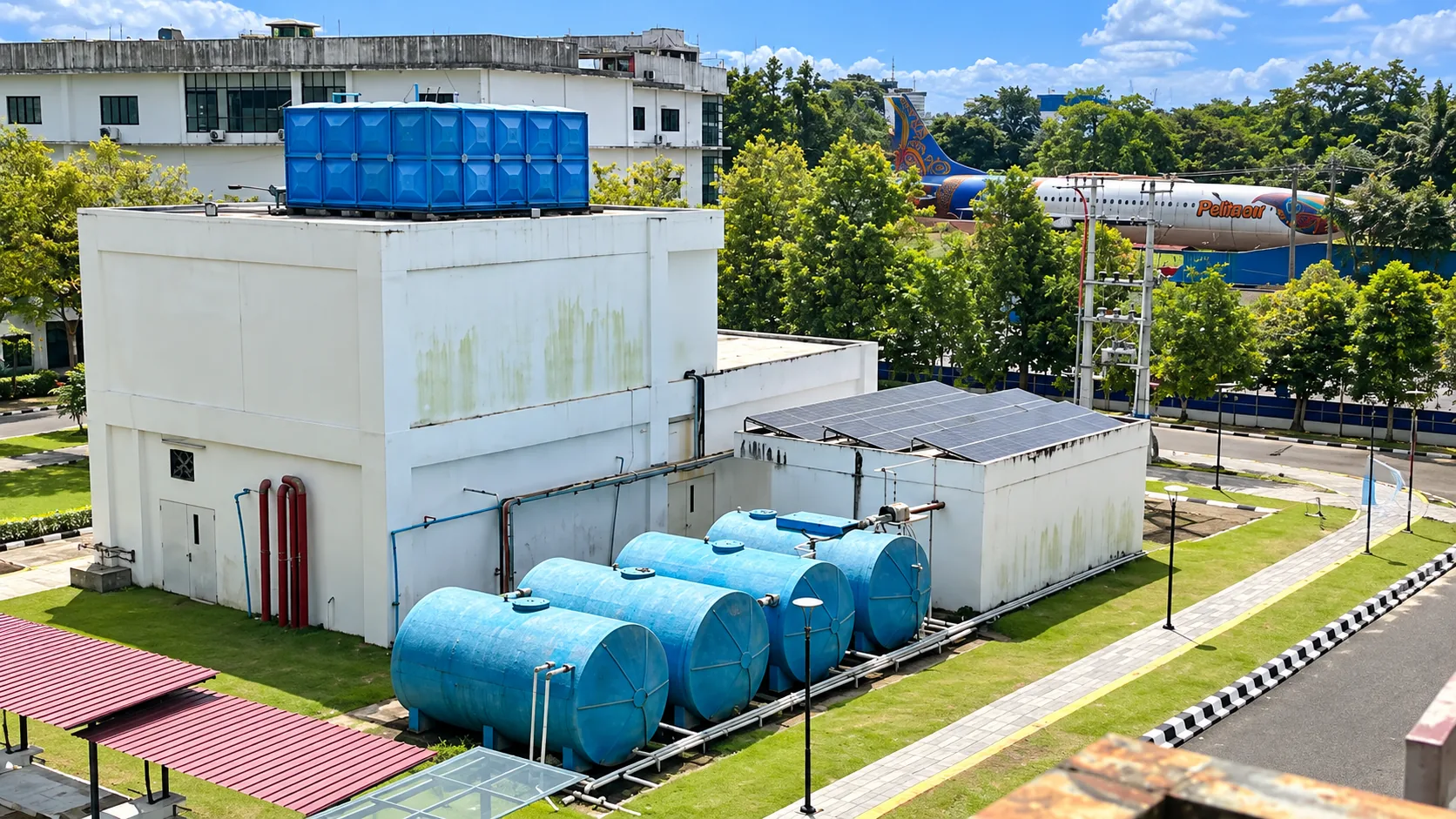
The updated regulation aggressively sets uncompromising requirements for domestic wastewater treatment and absolute discharge limits. Relevant, rigorously monitored parameters include pH, biochemical oxygen demand (BOD), chemical oxygen demand (COD), total suspended solids (TSS), ammonia, and microbiological indicators. For all university facilities, strict applicable limits are scientifically determined by wastewater characteristics and fully backed by relevant environmental approvals.
Teaching Hospital Documents Wastewater Maintenance
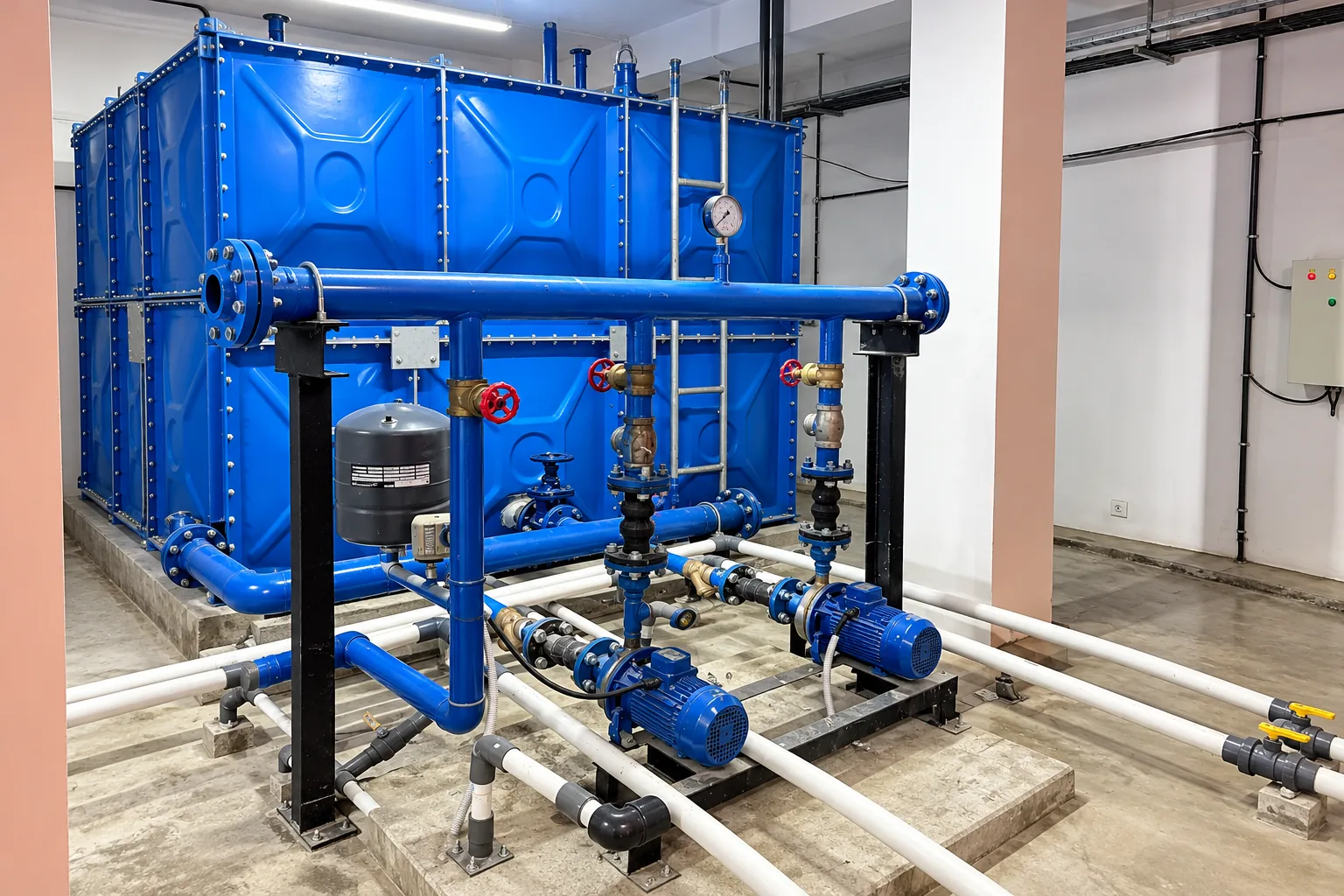
USU's 2025 procurement register proudly records a massive, highly critical contract dated 1 July 2025 with CV C&R Enviro Engineering. This IDR 1,932,732,000 contract successfully guaranteed the comprehensive maintenance of the advanced wastewater treatment installation (IPAL) at Prof. Dr. Chairuddin P. Lubis Teaching Hospital. This undeniable evidence establishes absolute, active maintenance arrangements for an elite institutional facility flawlessly handling complex healthcare-related wastewater.
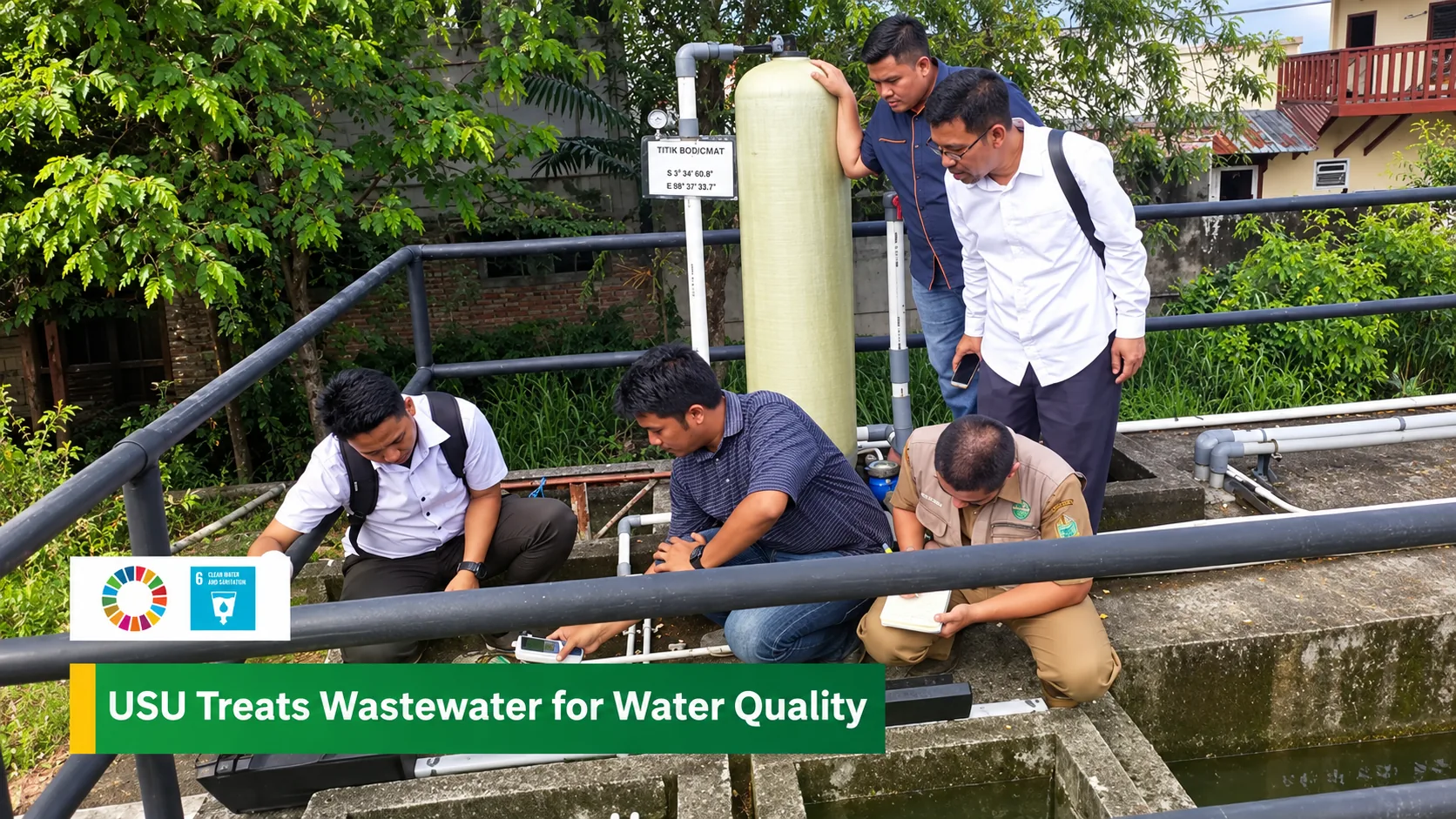
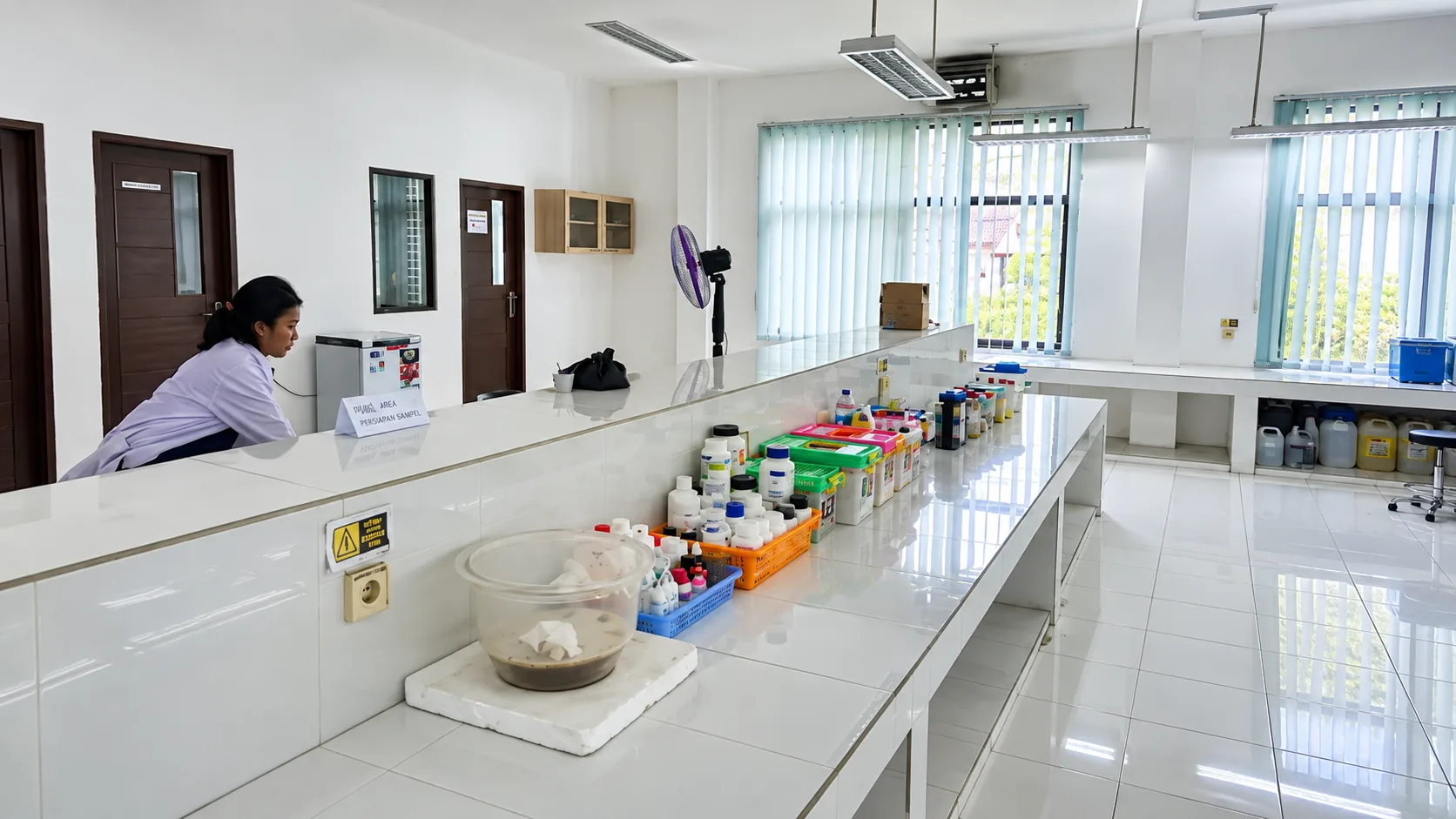
Other massive university facilities explicitly include cutting-edge wastewater treatment at the Digital Learning Center and advanced academic laboratories, perfectly supporting treatment and safe non-potable reuse. The Faculty of Engineering's Water Quality Laboratory additionally adds immense capacity for the rigorous analysis of all physical, chemical, and biological water parameters. These measures successfully prevent water pollution and protect aquatic biodiversity.
Environmental Research Supports Water Protection
An elite USU research team brilliantly led by dr. Evita Mayasari officially presented a comprehensive six-month study plan in May 2025. The research aggressively investigates highly dangerous viruses associated with diarrhoeal disease in the Deli River and the Cemara Wastewater Treatment Plant. The meticulously planned research successfully involved massive stakeholder consultation and rigorous fortnightly water sampling, directly contributing to regional environmental health surveillance.
A massive university climate policy feature published in September 2025 also explicitly mandated strict wastewater-quality monitoring, massive improvements to treatment systems, and absolute water conservation. These supreme policy, infrastructure, and research activities provide an incredibly accountable basis for perfectly protecting receiving waters and fragile aquatic ecosystems. USU successfully executes SDG Target 14.4 by annihilating any possibility of campus-based aquatic pollution.