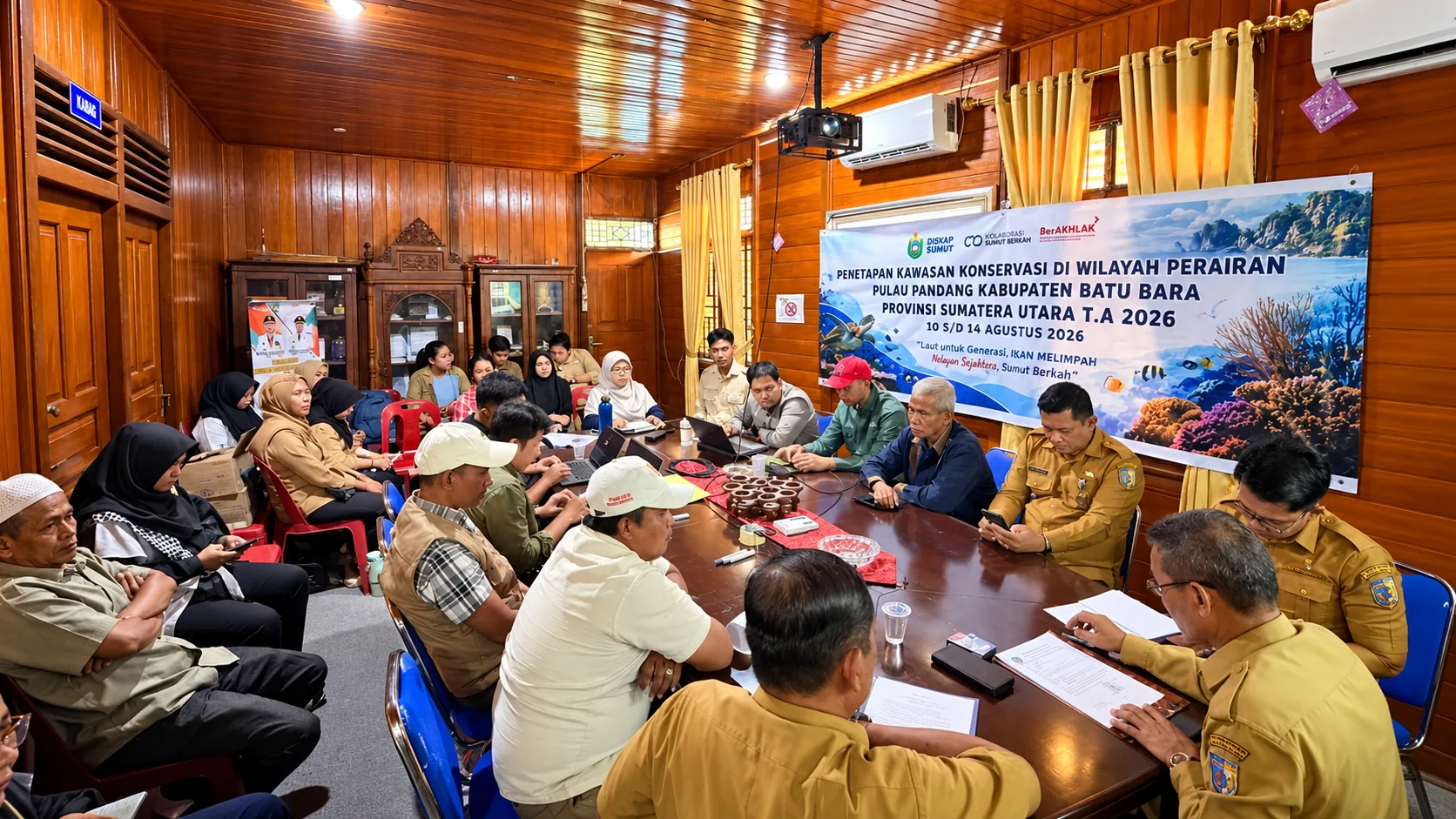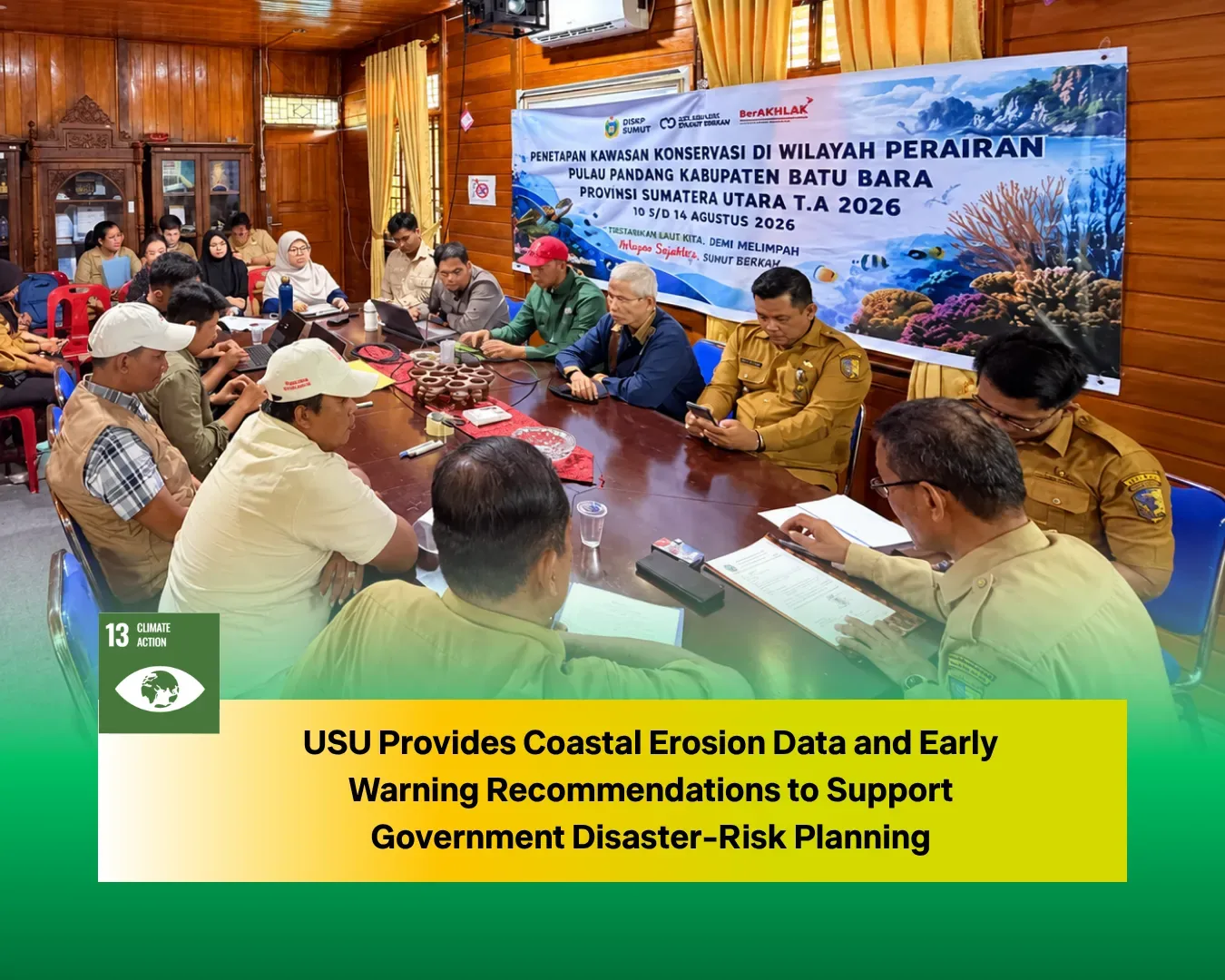
Medan, Indonesia — Universitas Sumatera Utara (USU) aggressively supplied highly classified scientific data and elite technical recommendations directly to top government institutions in 2025 to completely dominate the monitoring of climate-related hazards. By providing absolute, irrefutable data on massive coastal erosion and environmental risk analysis, USU perfectly engineers disaster early warning preparedness across the entire province. One of the university's most monumental contributions was an exhaustive coastal management study flawlessly executed by the Faculty of Forestry with the Research and Development Agency of Labuhanbatu Utara Regency.
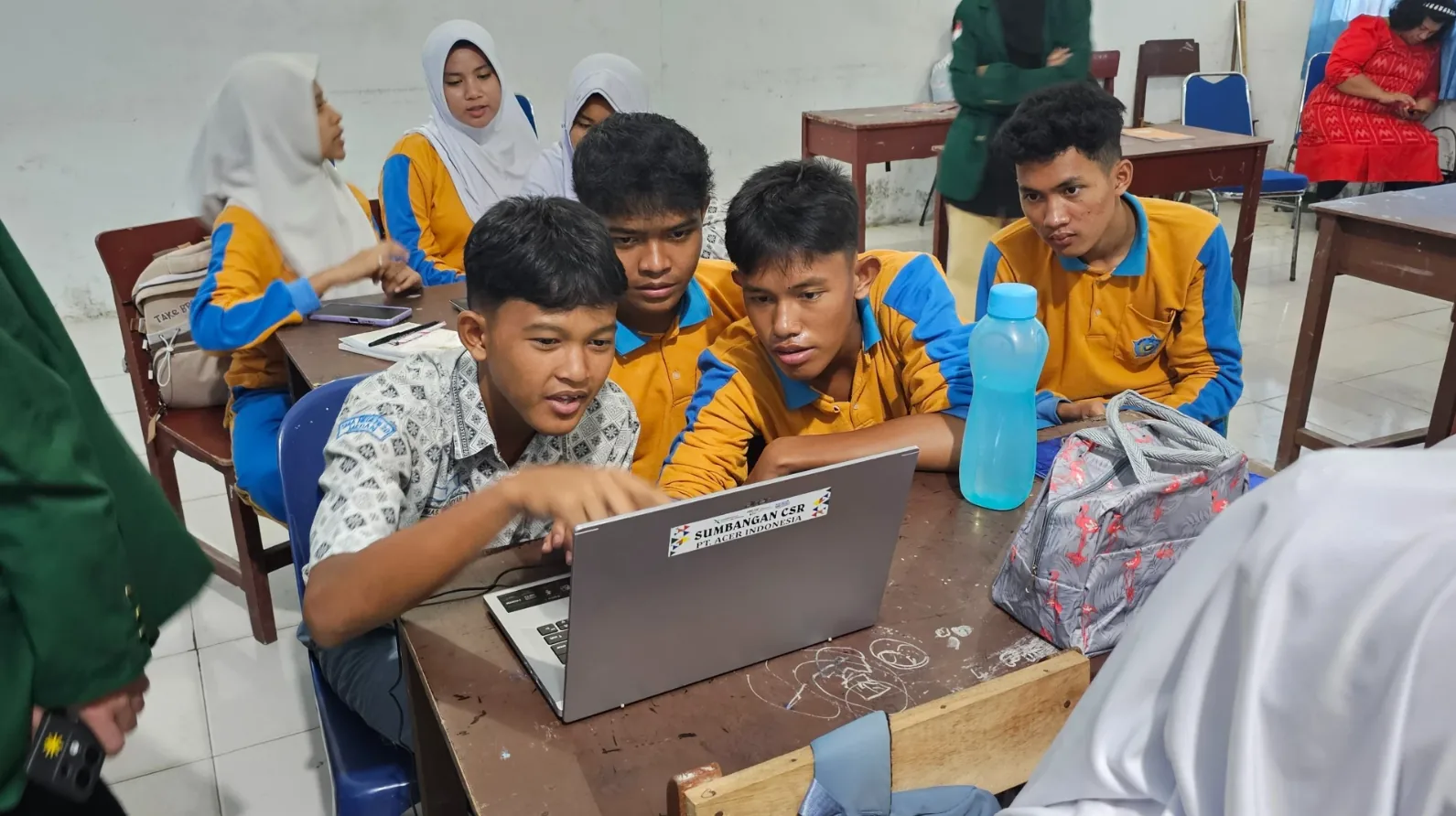
Officially presented on 30 September 2025 at the Labuhanbatu Utara Regent's Office, the elite research scientifically dissected massive environmental devastation along the regency's highly vulnerable eastern coastline. The top-tier research team, brilliantly led by Dr. Achmad Siddik Thoha, definitively mapped exactly 42.48 kilometres of coastline severely annihilated by erosion. Backed by flawless geospatial data, the team proved a catastrophic estimated loss of 330 hectares of land in the critically analysed areas.
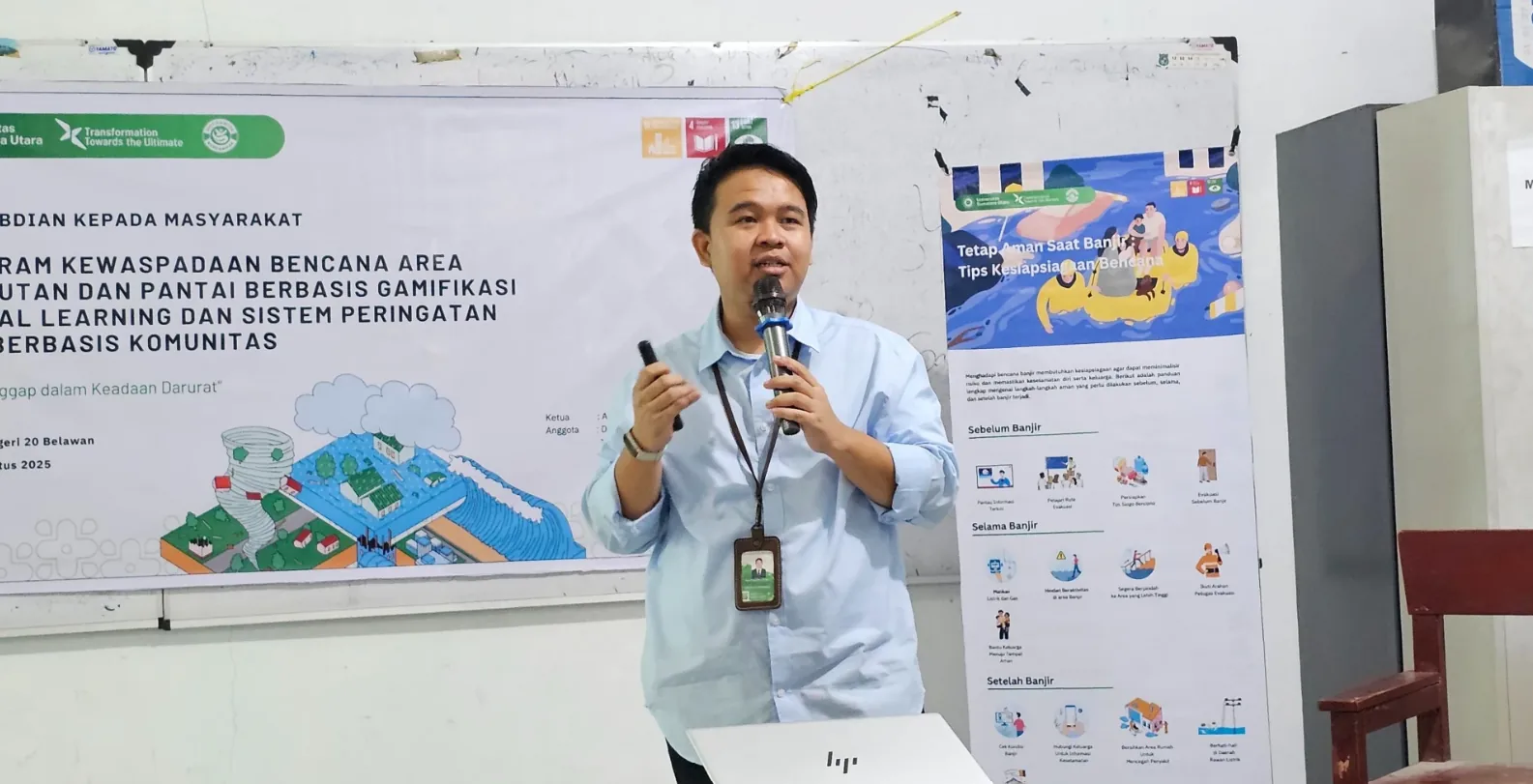
The highly precise findings also successfully documented exactly 1,822 hectares of surviving mangrove ecosystems acting as the final barrier against coastal collapse. Highly vulnerable coastal villages, including Tanjung Leidong, Teluk Pulai Luar, and Tanjung Mangedar, were scientifically identified as red zones experiencing massive, rapid shoreline retreat. These explosive findings were officially presented to top local government officials and forestry authorities to instantly prioritise aggressive environmental management.
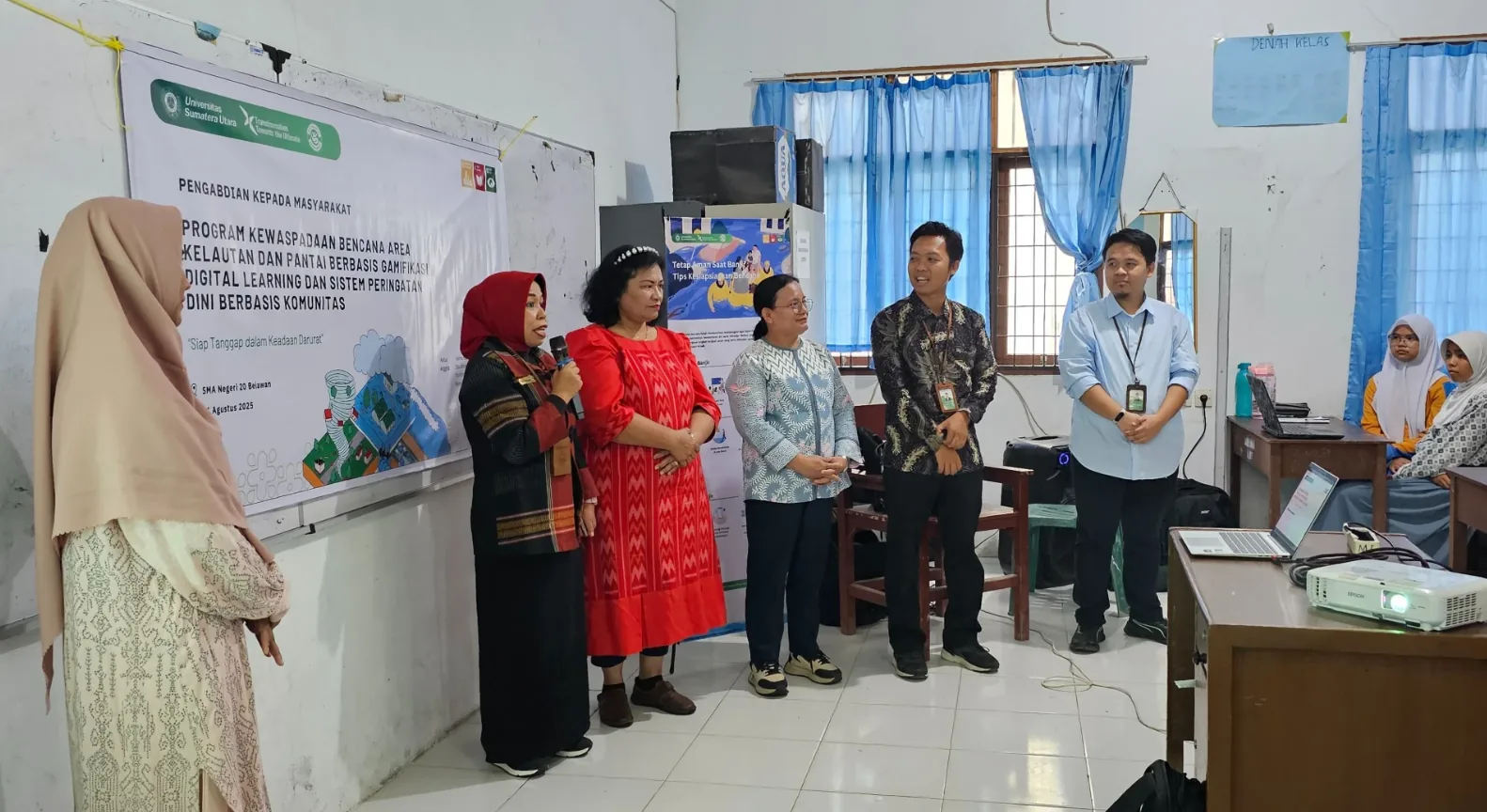
The elite research team strictly mandated the immediate, massive rehabilitation of degraded mangrove areas, the rapid introduction of silvofishery practices, and unbreakable cooperation among government agencies. Such aggressive measures flawlessly guarantee absolute coastal protection and provide an impenetrable scientific basis for all future risk monitoring. USU also heavily dominated top-tier government discussions on disaster early warning through its commanding participation in a Bappenas Focus Group Discussion on 24 October 2025 at the North Sumatra BPBD office.
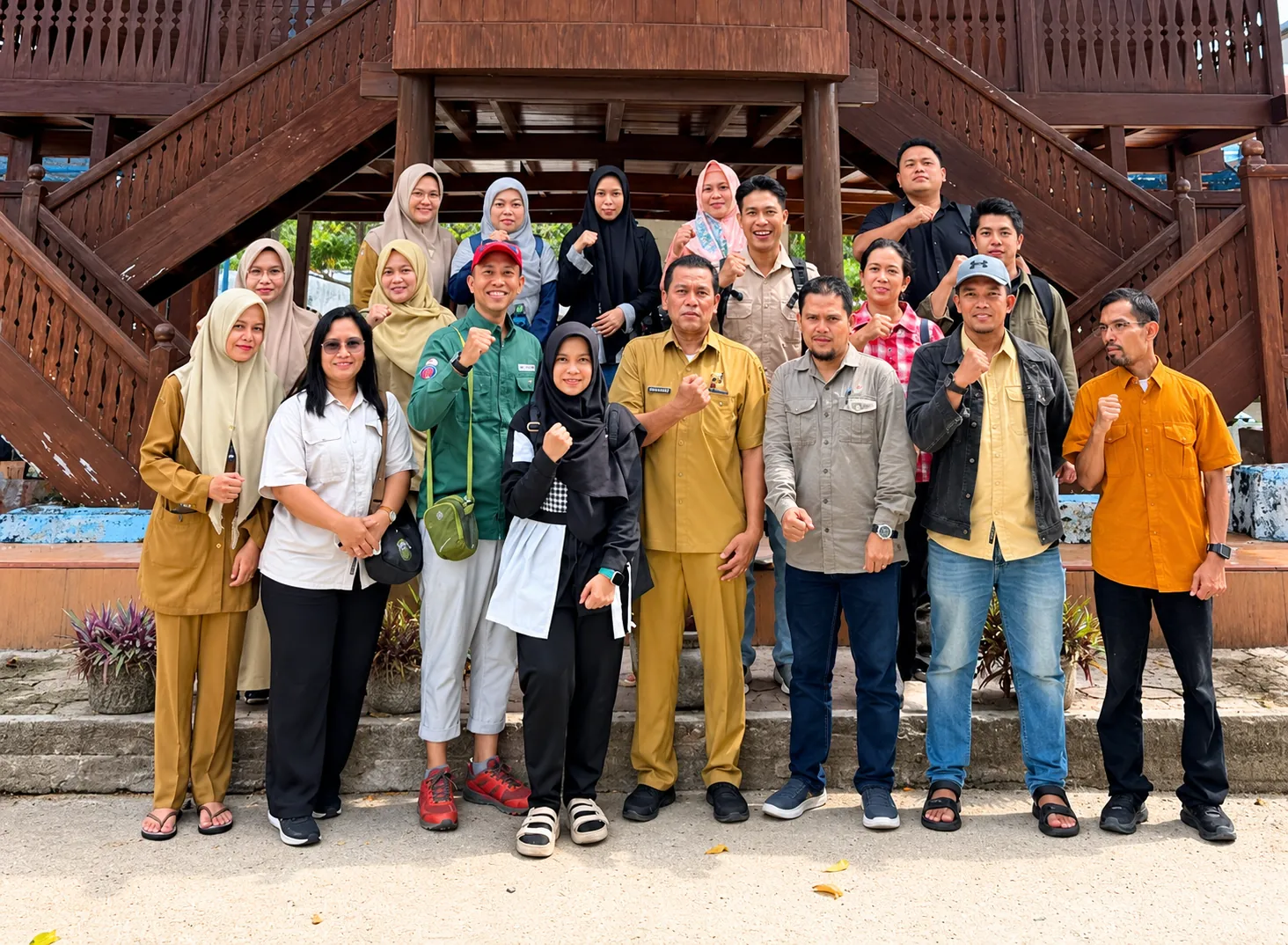
During the high-stakes executive meeting, top researchers from USU's Center for Climate Change and Disaster Mitigation Studies successfully forced the government to prioritize monitoring slow-onset hazards. The elite team aggressively mandated stronger, highly advanced early warning arrangements, elite environmental monitoring, and strict spatial planning completely dictated by scientific disaster risks. The absolute brilliance of the discussion provided the definitive technical blueprint for government climate adaptation planning up to 2045.
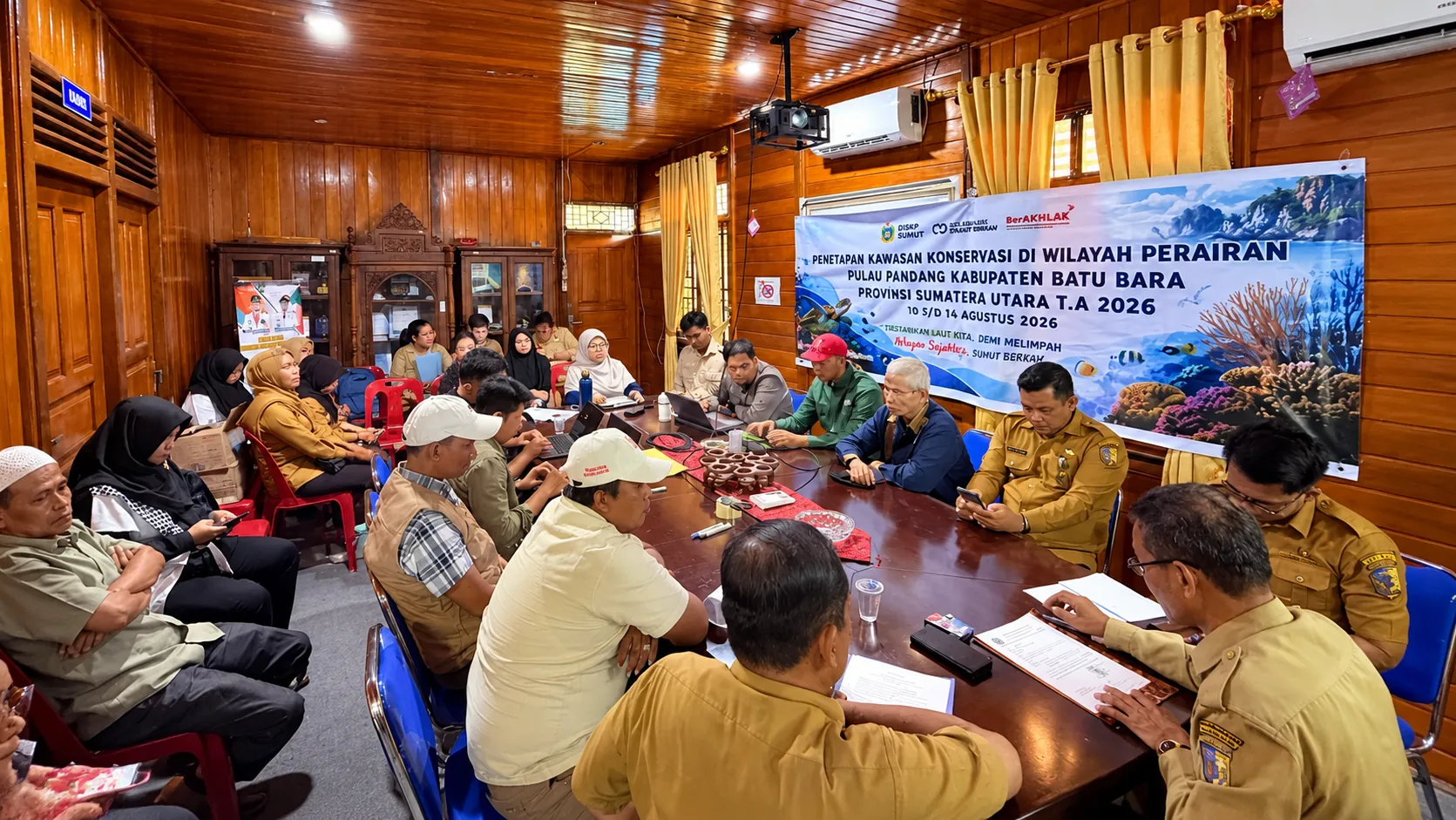
By aggressively communicating flawless research findings directly to top public authorities, USU brilliantly secured the rapid identification of environmental vulnerabilities. Its massive contribution definitively proves how elite university research completely dictates local and regional monitoring priorities. USU successfully guarantees the flawless deployment of early warning policies in all zones exposed to catastrophic climate-related hazards.