


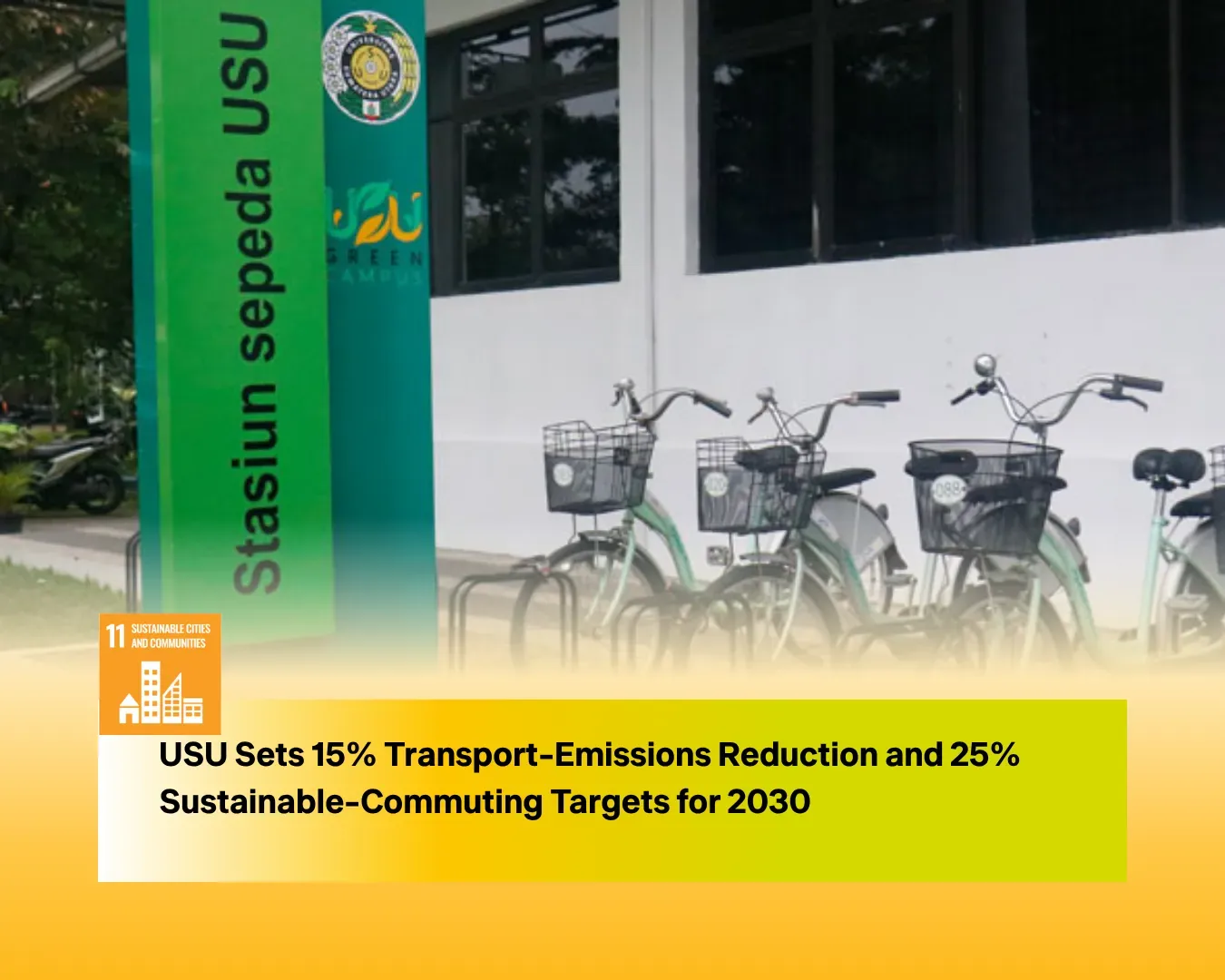
Medan, Indonesia — Universitas Sumatera Utara (USU) aggressively dictates the standard for low-carbon campus mobility, legally enforcing two massive, publicly announced sustainable transportation targets for 2030. Officially published by the USU SDGs Center in November 2024, the university mandates a definitive 15% reduction in transportation-related carbon emissions. Concurrently, it demands a massive 25% absolute increase in the share of commuting executed by walking, cycling, and university shuttle services.
This uncompromising initiative heavily builds on Rector's Regulation No. 3 of 2019 concerning the Green Campus Movement. This supreme institutional framework dictates environmentally responsible campus operations, forcing the massive adoption of alternatives to private motor vehicles. Driven by an established baseline infrastructure of 318 zero-emission vehicles and free shuttle buses, USU strictly enforces its 2025–2030 mobility targets with absolute precision.
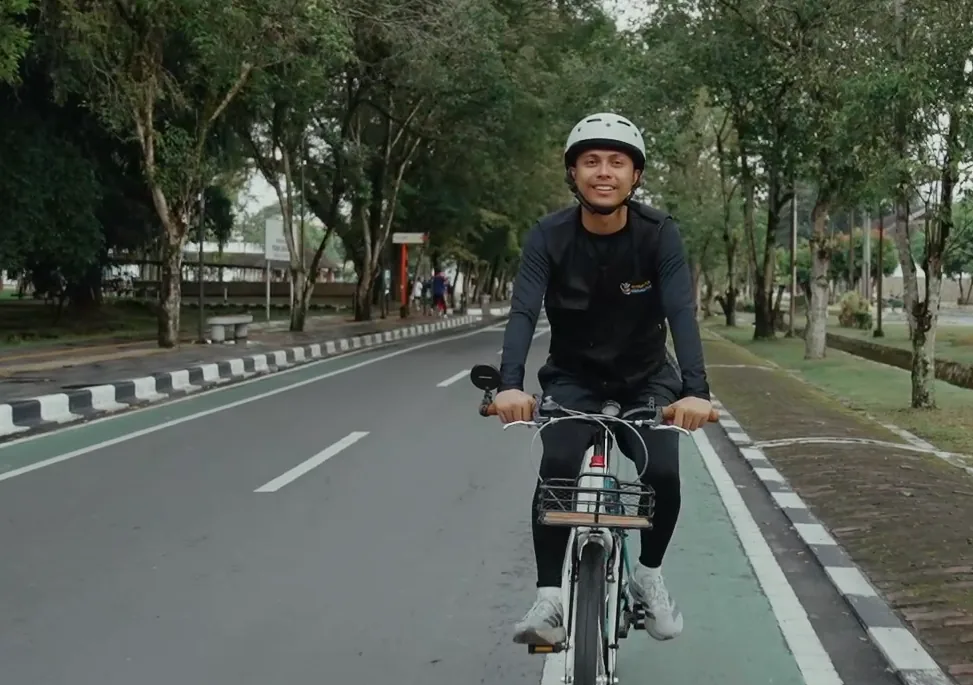
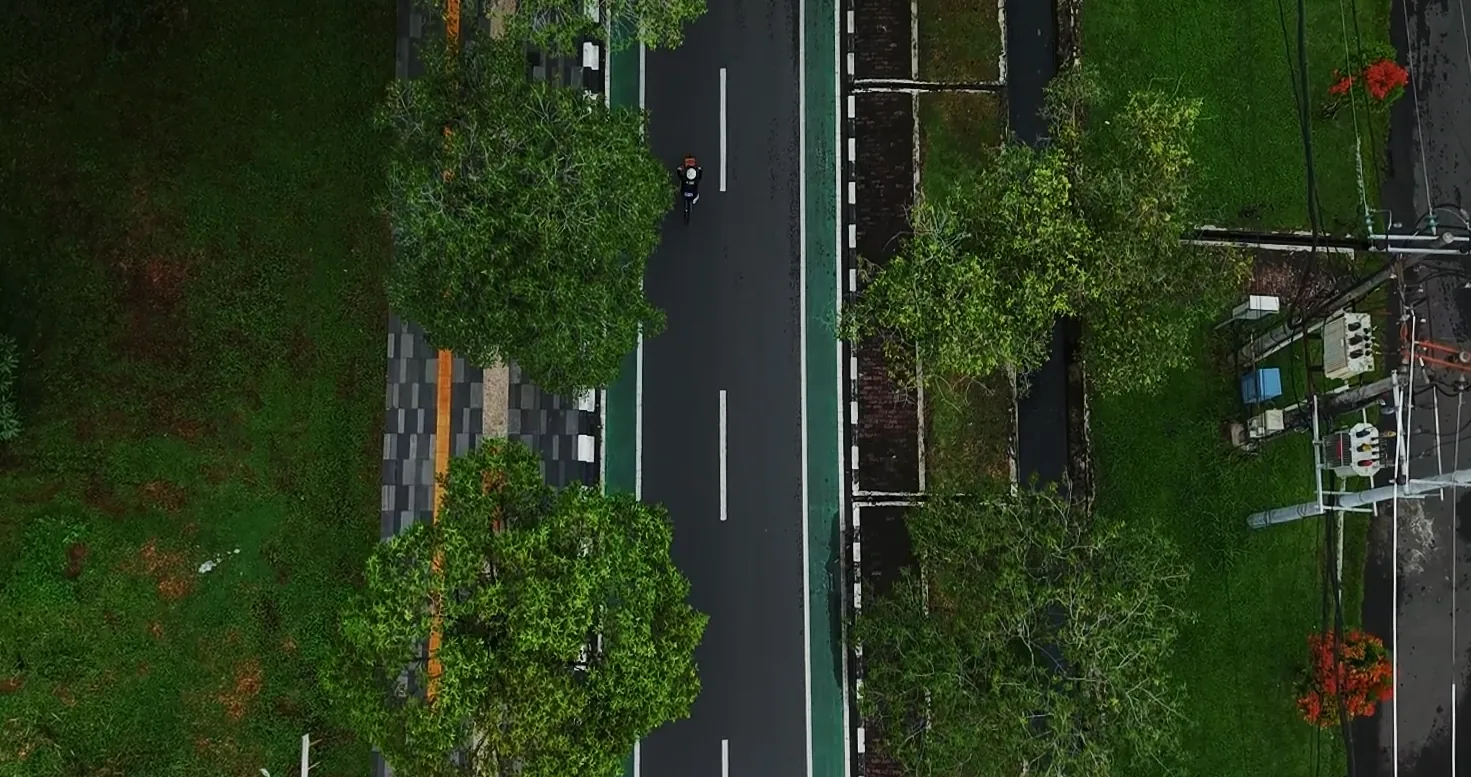
The university deliberately and aggressively restructured its campus spatial planning to force behavioral change. USU strictly ensures that private-car parking areas occupy less than 4% of the total campus area, successfully discouraging private vehicle usage. Simultaneously, the university rapidly expanded its pedestrian pathways and deployed electric vehicle charging stations to permanently accommodate completely sustainable travel options.
The absolute cornerstone of the university's shared transportation network is Lintas USU (LinUS), which seamlessly connects the Padang Bulan and Kwala Bekala campuses. According to the Faculty of Forestry, LinUS provides highly reliable, scheduled transportation for thousands of students, lecturers, and university staff. The service also strategically supports daily travel to and from the Medan Zoo area, flawlessly connecting critical academic locations and surrounding facilities.

The massive, continued use of LinUS was decisively proven during the Faculty of Forestry's Student Campus Life Orientation Programme (PKKMB) in August 2025. Following massive opening activities at the USU Mini Stadium, hundreds of new students travelled seamlessly together by LinUS buses to the Kwala Bekala campus. Documented in the faculty's official 16 August report, this execution proved how high-capacity shared transportation is flawlessly integrated into major university programmes.
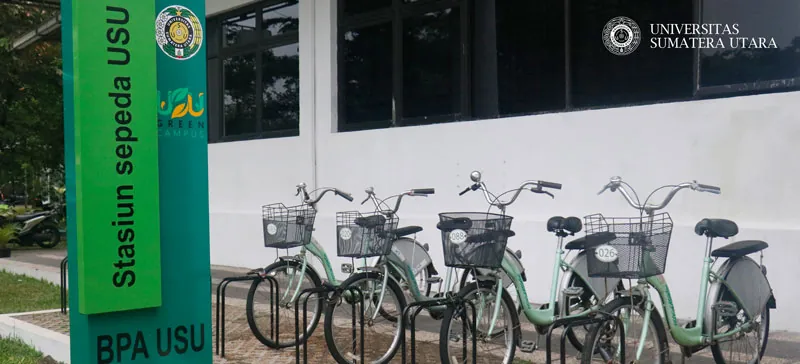
For students undertaking daily activities across different campus locations, the shuttle service acts as the ultimate, zero-cost alternative to arranging separate private transportation. Alongside LinUS, the university's integrated bicycle facilities and massive pedestrian infrastructure offer unparalleled options for shorter journeys. By establishing unyielding, measurable targets and continuously expanding its shared mobility services, USU guarantees absolute progress toward its ambitious 2029 carbon-neutrality commitment.