


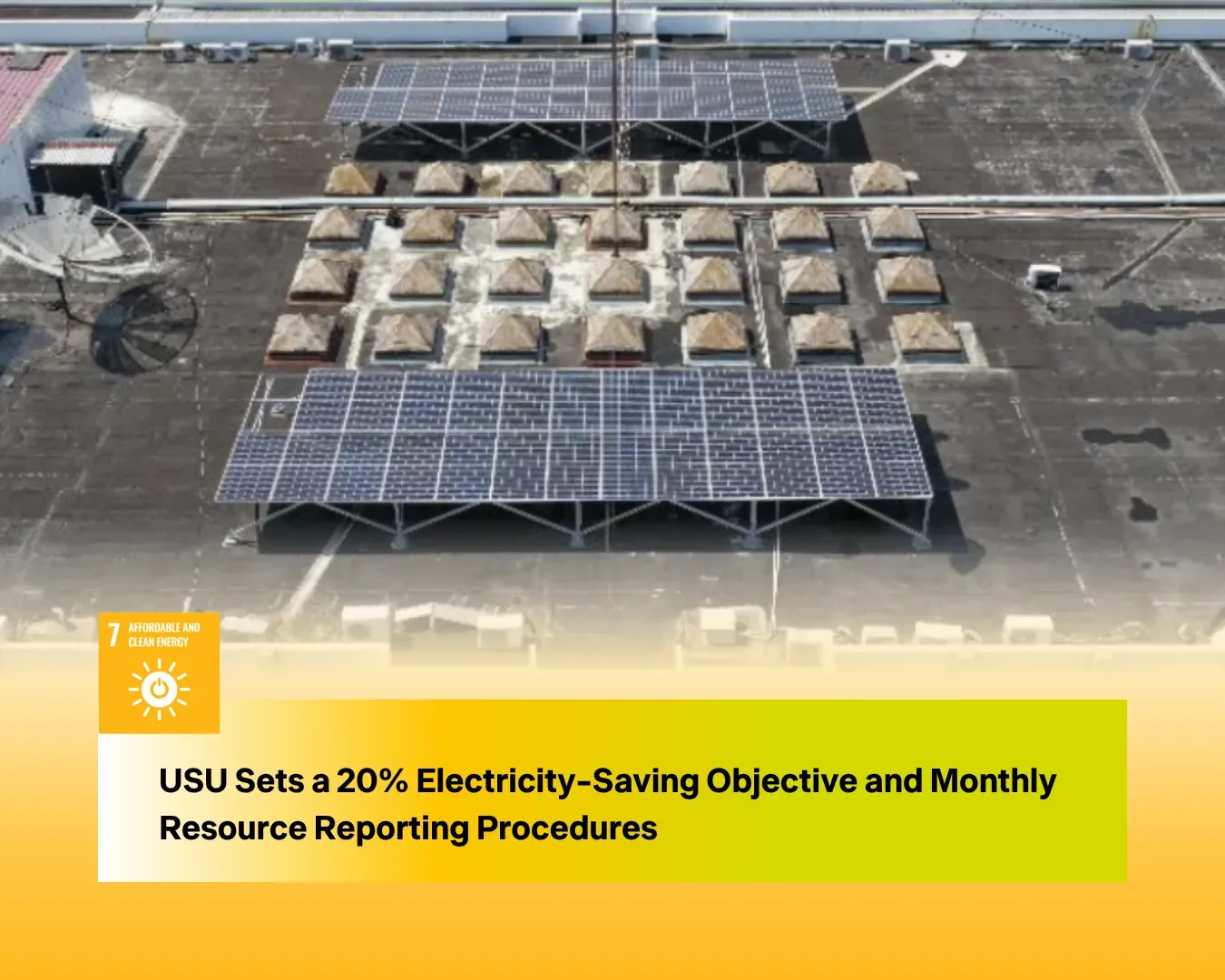
Medan, Indonesia. Universitas Sumatera Utara maintained energy-saving priorities in 2025 through conservation guidance, staff engagement, and facility-management activities. These measures address unnecessary electricity use and provide a framework for improving energy performance across campus operations.
The Faculty of Vocational Studies’ 2025 Health, Occupational Safety and Environment Handbook reiterates the Green Campus framework under Rector’s Regulation No. 3 of 2019. Section 4.6 describes a campus-wide electricity-saving target of 20%, alongside measures addressing equipment use, electrical maintenance, and fuel consumption.
The guidance encourages efficient lighting and equipment, greater use of daylight, and switching off devices after use. It also requires monthly resource-use reports before the twentieth day of each month through the Green Campus Secretariat for onward reporting to the Rector. These provisions establish reporting responsibilities; they do not demonstrate an achieved reduction.
Monthly reporting gives administrative units a recurring opportunity to review resource use. Consistent electricity and fuel records may reveal changes missed by occasional inspections. The handbook establishes a reporting procedure, while consolidated consumption data remain necessary to assess actual reductions.
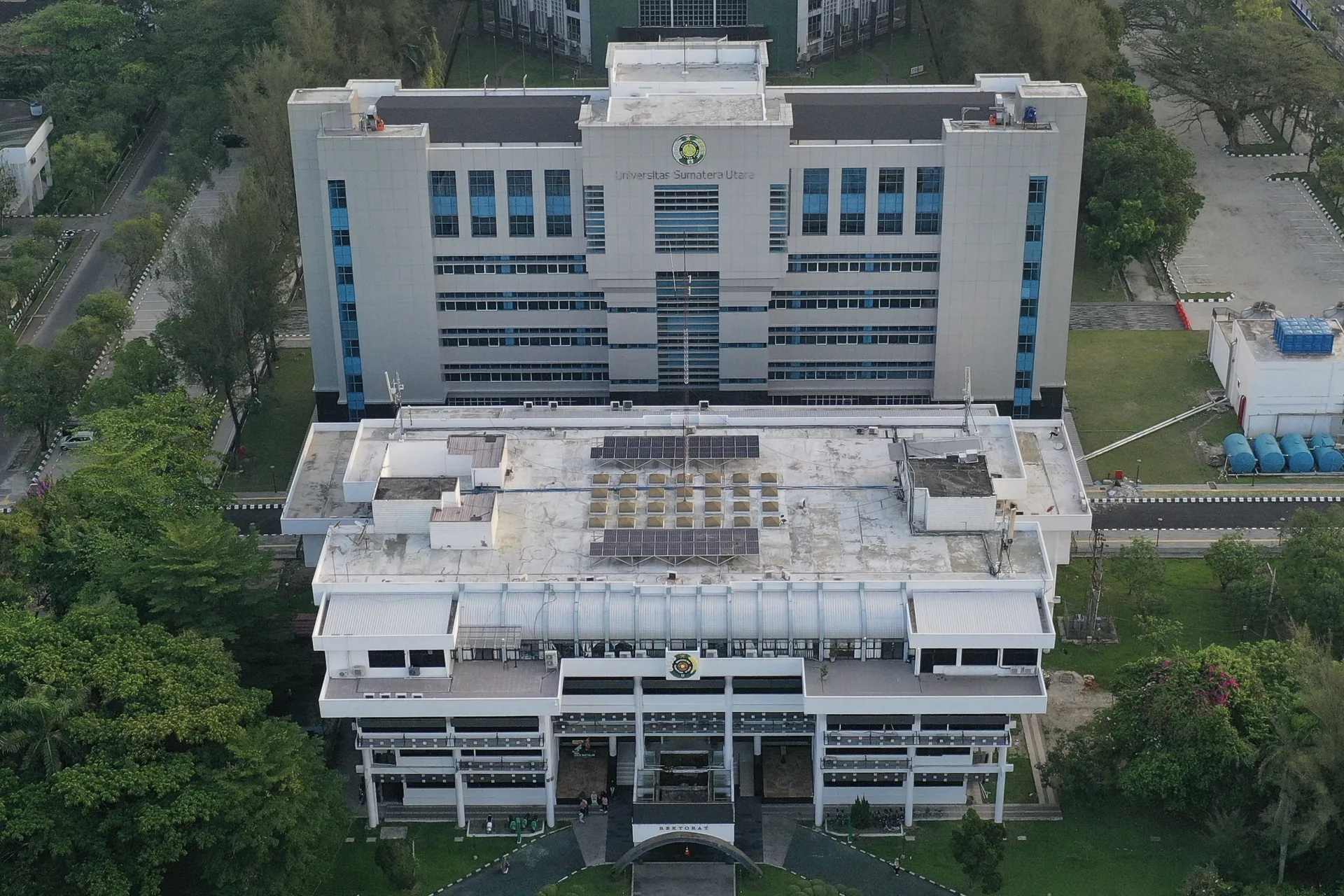
The handbook further encourages efficient use of official-vehicle fuel and the use of campus buses and bicycles. This extends the conservation framework beyond building electricity to transport-related resource use.
Leadership reinforced these priorities at a morning assembly on 17 February 2025. The official university report published on 18 February records Vice-Rector II Dr. Muhammad Arifin Nasution’s call for administrative personnel to use electricity and water efficiently. He linked resource savings with working arrangements and prudent use of office facilities, giving the conservation agenda a practical role in daily operations.
A university SDGs Center account describing the 2025 emissions-reduction framework identifies efficient lighting, controls on air-conditioning and lighting operating hours, cooling-system maintenance, and monitored use of laboratory fuel and LPG. These measures are reported within a broader action framework. Their operational status should be distinguished from the announcement of policy intentions.
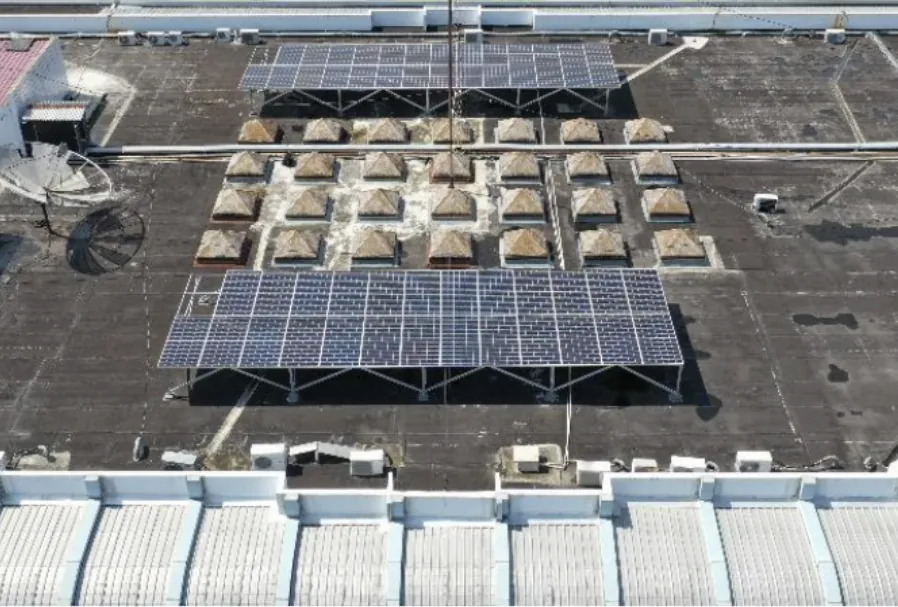
The 2025 procurement register records Digital Learning Center chiller maintenance dated 22 January and cooling-system servicing dated 11 March. It also lists a street-lighting and solar-panel installation contract dated 27 August. These records demonstrate procurement commitments supporting building services and renewable infrastructure, while completion and performance require separate records.
The electricity-saving target, operational guidance and reporting arrangements support an institutional approach to energy conservation. Evaluating progress requires a defined baseline and comparable consumption data. Renewable electricity can reduce reliance on conventional supplies, but does not by itself demonstrate a reduction in total energy demand. These distinctions enable clearer reporting against SDG Target 7.3 on energy efficiency.