


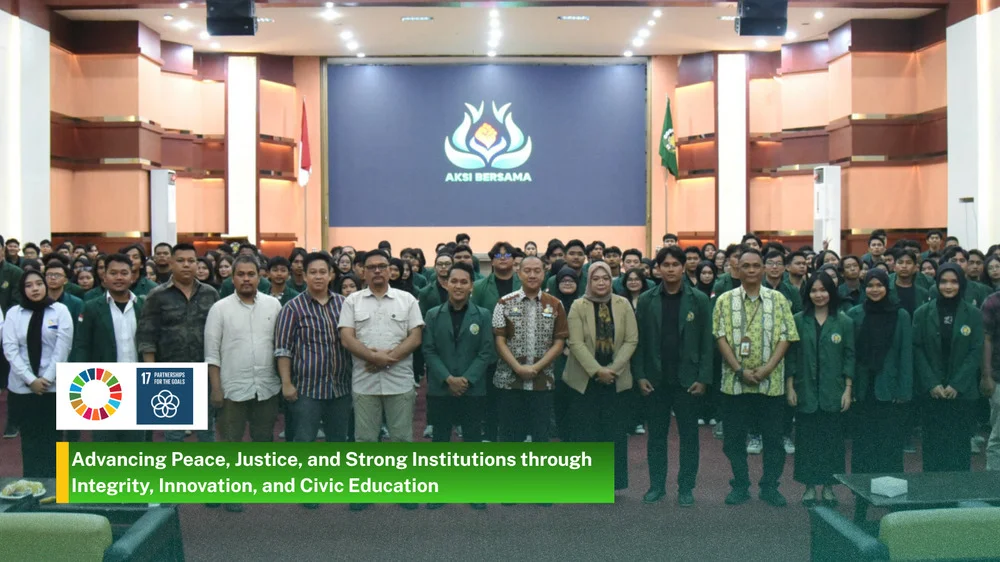
Medan, 10 October 2024 - Collaboration stands at the heart of global progress. In an era marked by interdependence, complex challenges such as climate change, poverty, and inequality demand joint responses that transcend institutional and national boundaries. In line with Sustainable Development Goal 17 (Partnerships for the Goals), Universitas Sumatera Utara has emerged as a hub of strategic cooperation, linking universities, industries, governments, and communities across the globe to generate solutions for sustainable development.
Through cross-sectoral partnerships, USU integrates research, education, and community engagement into a cohesive ecosystem of innovation. These initiatives not only facilitate knowledge transfer and capacity-building but also translate research outcomes into policies, technologies, and practices that address real-world needs. From academic collaborations in health, law, and agriculture to cross-border community programs and industrial linkages, USU’s commitment to SDG 17 reflects a vision of sustainability rooted in inclusivity, solidarity, and shared responsibility.
Building Global Alliances for Academic Excellence and Innovation
USU’s collaboration with global partners reflects its ambition to strengthen research ecosystems and enhance academic quality. The Focus Group Discussion (FGD) with Times Higher Education exemplifies this commitment by aligning university performance strategies with international standards, promoting data transparency, and enhancing research visibility. This engagement helps USU strengthen its role as a globally recognized higher education institution that continuously benchmarks its practices against world-class criteria.
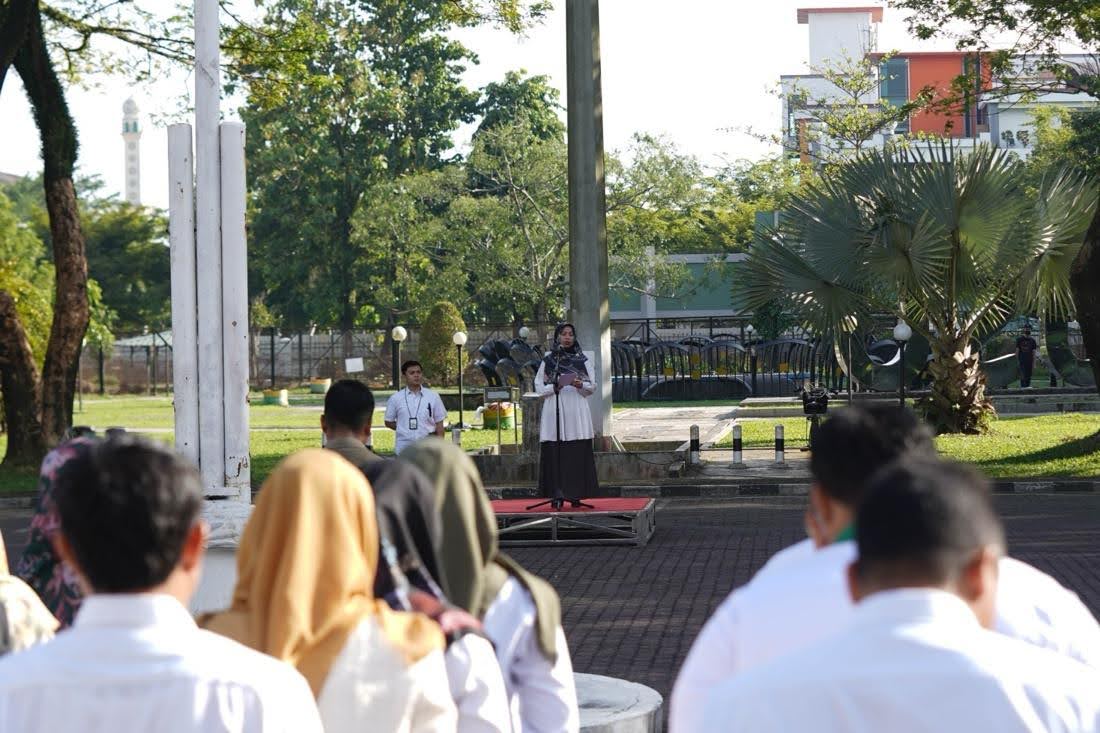
Similarly, USU’s participation in Cultural Night 2024 in Bangkok and the hosting of honorary delegations from Singapore reinforce cultural diplomacy and international cooperation. These initiatives not only foster intercultural understanding but also create opportunities for academic and research partnerships, student exchanges, and dual-degree programs. By promoting mutual respect and global citizenship, USU ensures that internationalization serves as a channel for peace, inclusivity, and sustainable development.
These initiatives enhance global academic cooperation and provide platforms for cross-cultural dialogue and innovation exchange. They contribute directly to SDG 17.6 (enhancing international cooperation) and SDG 17.16 (multi-stakeholder partnerships), strengthening both institutional capacity and international solidarity.
Advancing Health and Education through International Collaboration
The collaboration between the Faculty of Medicine (FK USU) and the College of Korean Medicine, Kyung Hee University, demonstrates USU’s proactive approach in advancing integrative medicine. This partnership fosters research on traditional and modern healing practices, academic exchanges, and capacity-building programs that enrich the scientific understanding of complementary medicine. The collaboration bridges cultural knowledge systems while promoting sustainable healthcare innovations that respect both tradition and evidence-based science.
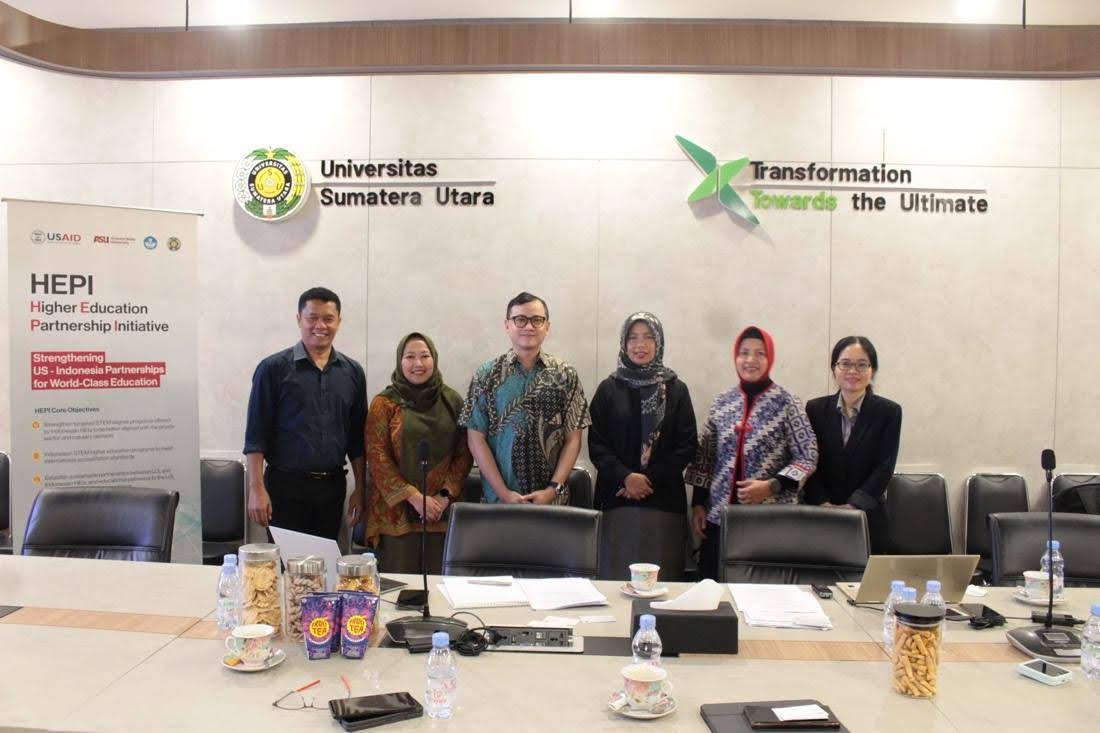
In another major step, the Faculty of Law (FH USU) established a scholarship cooperation with Kyushu University, supported by the Japanese Consulate. This initiative enhances academic mobility, encouraging young scholars to engage in comparative legal studies and international research collaborations. Through these partnerships, USU empowers its students and faculty to gain exposure to global perspectives and participate in international knowledge production networks.
These collaborations contribute to SDG 17.9 (enhancing capacity-building) and SDG 3 (Good Health and Well-Being) by advancing human resource development and health innovation. They nurture globally competent professionals capable of contributing to sustainable health systems and equitable access to education.
Mobilizing Student Engagement for Community Transformation
USU’s KKN-T (Thematic Community Service Program) embodies the university’s core mission to connect academic learning with real-world challenges. In 2024, USU deployed 522 students across various regions to implement community empowerment projects focused on environmental conservation, entrepreneurship, public health, and education. This large-scale mobilization illustrates how academic institutions can bridge knowledge and practice, empowering students to become agents of sustainable change.
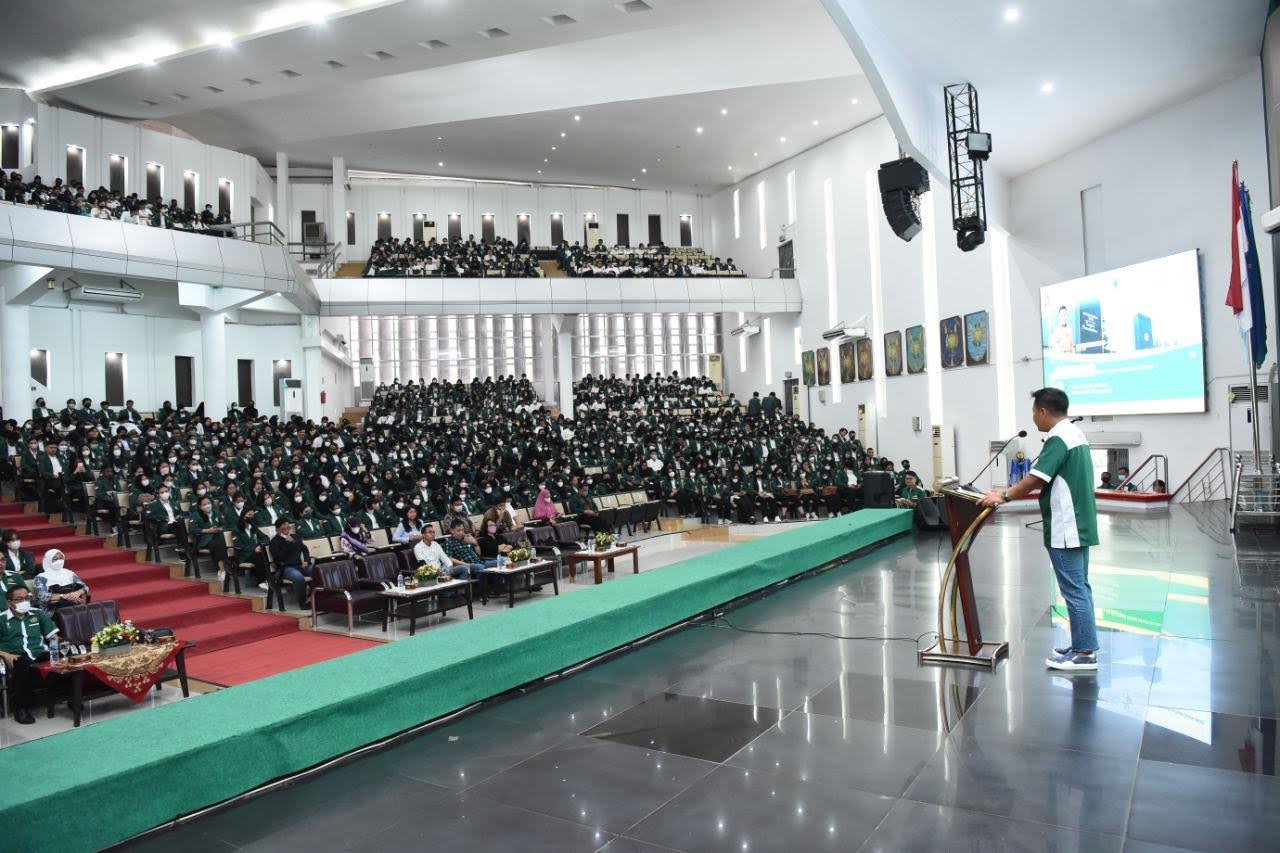
Students worked with local governments, schools, and civil society organizations to identify local needs and co-design solutions, from waste recycling systems to agricultural innovation and digital literacy training. These experiences cultivate civic responsibility and social empathy, while simultaneously strengthening local institutions.
The KKN-T initiative contributes to SDG 17.17 (encouraging multi-stakeholder partnerships) by aligning university resources with community development agendas. It also builds intergenerational bridges, inspiring future leaders who are grounded in sustainability values and community service.
Building Disaster Resilience through Collaborative Research
The study “Resilience of Natural Disaster Survivors Based on Social Capital: A Study on the Survivors of the Eruption of Mount Sinabung” exemplifies how partnerships and social networks drive community resilience. Conducted in Karo Regency, this research engaged multiple stakeholders, local governments, NGOs, and survivor communities, to identify the role of social capital in post-disaster recovery.
The research revealed that strong social bonds, trust, and cooperation enable communities to rebuild livelihoods, maintain mental well-being, and restore social structures after disasters. By disseminating its findings internationally through publications and conferences, the study reinforces how local knowledge can inform global resilience models.
This initiative contributes to SDG 17.16 and SDG 13 (Climate Action) by integrating research and partnership in disaster mitigation. It highlights the power of collective action and shared knowledge in enhancing the adaptive capacity of vulnerable populations.
ICONART 6: Building Global Research Networks for Sustainability
The 6th International Conference on Natural Resources and Technology (ICONART), hosted by USU’s Center of Excellence for Mangrove Science and Technology, served as a major platform for global knowledge exchange. Featuring experts from Indonesia, Malaysia, Japan, and Germany, the conference discussed advancements in ecology, resource management, and sustainable innovation.
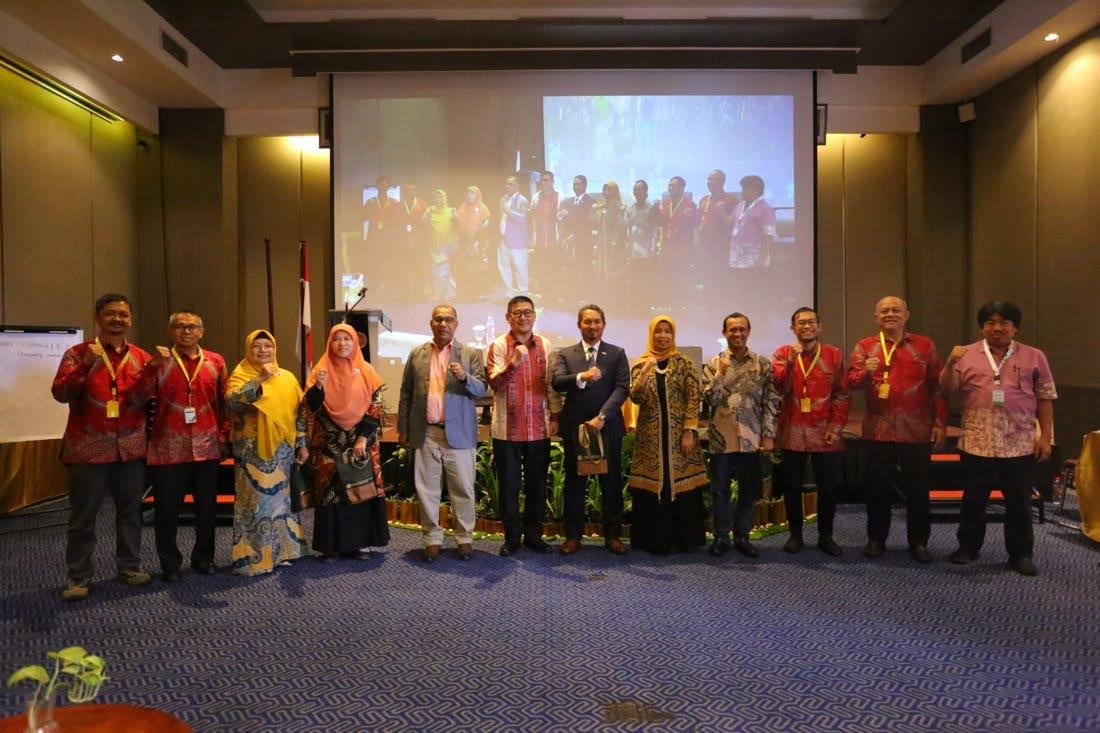
By involving academic, industrial, and government actors, ICONART strengthened international partnerships and encouraged joint research on biodiversity, green technology, and renewable resources. The participation of organizations such as the Nationwide University Network in Indonesia (NUNI) and the Malaysia Green Technology Society further exemplifies how cross-border collaboration accelerates the implementation of SDGs.
ICONART embodies SDG 17.6 and SDG 17.16, reinforcing networks that promote sustainable innovation, capacity-building, and policy integration. The conference’s outcomes foster scientific diplomacy, facilitating cooperation that transcends borders and disciplines.
Strengthening Local Governance and Evidence-Based Policy in Dairi Regency
The study “Evaluation Model of Sustainable Development Planning in Dairi Regency” assesses the effectiveness of local governance structures in achieving sustainable outcomes. Researchers identified issues such as limited coordination, inconsistent budgeting, and weak stakeholder participation. To address these challenges, the study proposed an adaptive evaluation framework that integrates community engagement, data analytics, and institutional accountability.
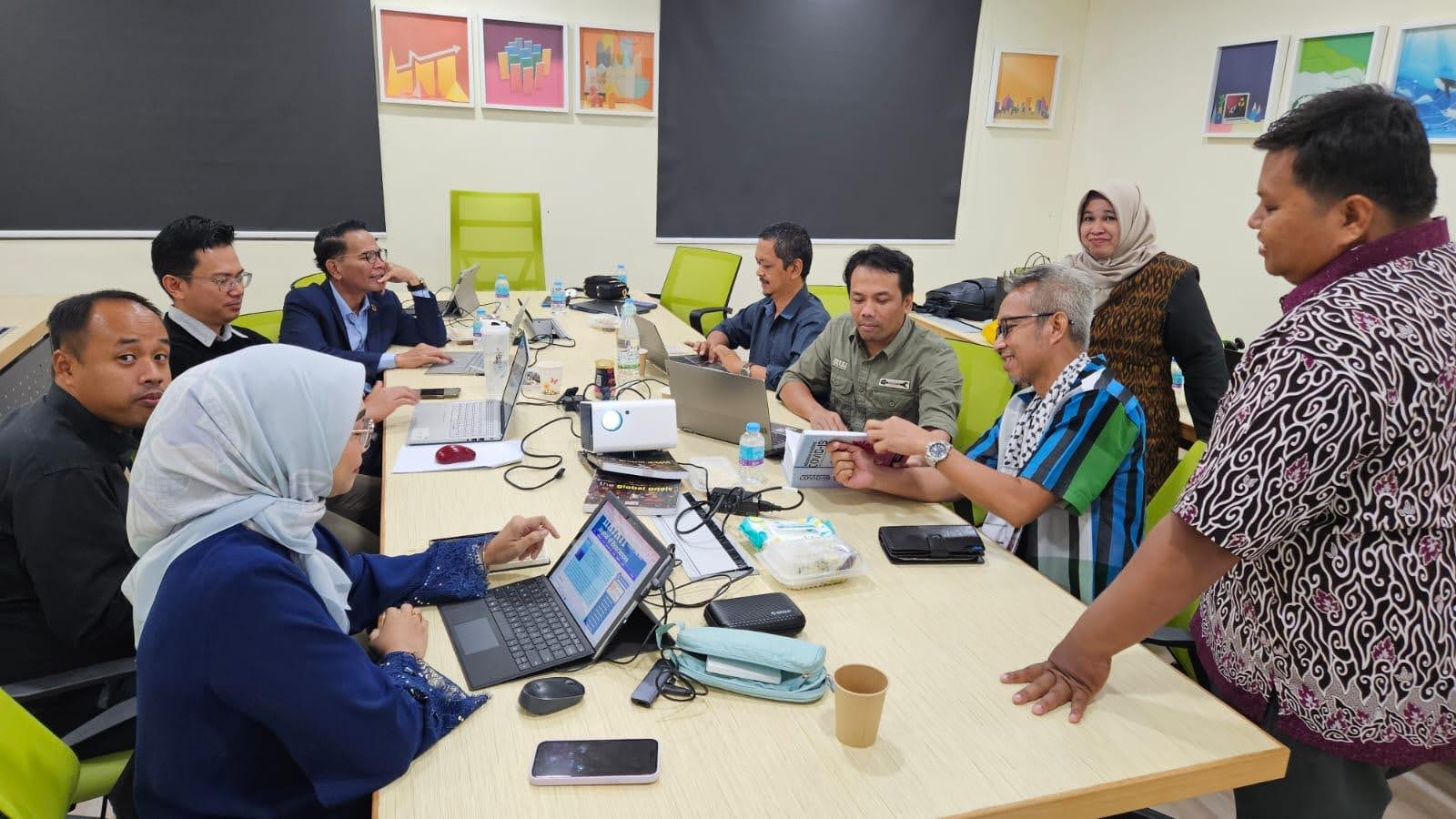
The establishment of a Regional Development Evaluation Team (TEPD) ensures that local governments can systematically monitor progress and align planning with budget priorities. By linking research insights with policy implementation, this initiative promotes institutional learning and inter-agency synergy.
The study advances SDG 17.14 (policy coherence for sustainable development) and strengthens local–national coordination. It also provides a replicable model for other regions seeking to enhance governance transparency and effectiveness.
Partnerships for Legal Reform and Human Rights Protection
The research “Providing Restitution for Victims of Human Trafficking in the Perspective of Fulfilling the Principles of Justice” addresses the legal and institutional gaps in implementing restitution for trafficking victims. By collaborating with judicial authorities, law enforcement, and policy institutions, USU’s legal researchers advocate for stronger enforcement mechanisms that ensure victims’ rights to compensation.

The study’s recommendations have been disseminated through international journals and legal symposia, promoting global dialogue on restorative justice and victim protection.
This initiative supports SDG 17.17 (multi-stakeholder partnerships) and SDG 16 (Peace, Justice, and Strong Institutions) by advancing collaborative policymaking and cross-sectoral legal reforms. It bridges research and advocacy to strengthen human rights and justice systems.
Cross-Border Economic Empowerment: Halal Market Collaboration
The program “Strengthening the Economy of Muslim Traders in Pasar KAMU Deli Serdang and Bangkok” builds cross-cultural cooperation to develop halal trade ecosystems. Through joint workshops and mentoring, partners from Indonesia and Thailand share strategies to improve market access, halal certification, and business literacy among small traders.
This partnership, supported by Thammasat University and the Bangkok Islamic Committee Office, enhances the competitiveness of micro, small, and medium enterprises (MSMEs) while respecting cultural values and promoting sustainable trade practices.
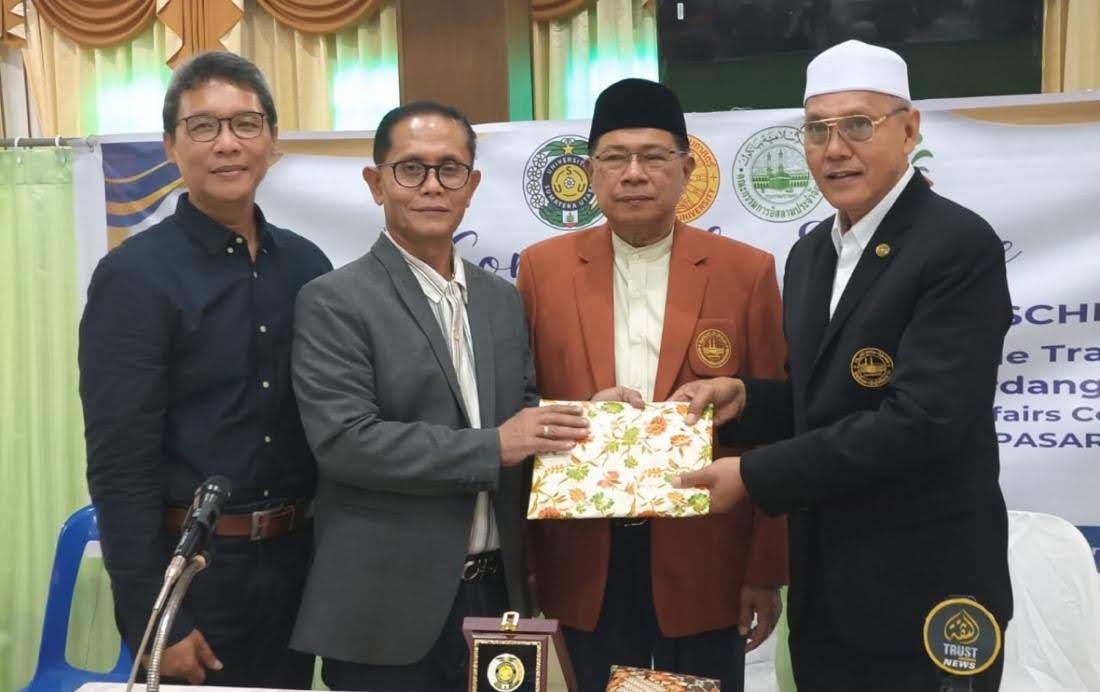
The program aligns with SDG 17.11 and SDG 8 (Decent Work and Economic Growth), strengthening international trade networks and inclusive economic participation. It also demonstrates how interfaith and intercultural partnerships can advance sustainable prosperity.
Youth Health Partnerships for a Smoke-Free Future
The collaborative project between USU and the International Islamic University Malaysia titled “Formation of Smoking Cessation Cadres” seeks to reduce smoking among adolescents in Medan. By conducting workshops, counseling, and mentorship programs, this partnership educates students on the dangers of tobacco and promotes healthy behaviors through peer-to-peer engagement.
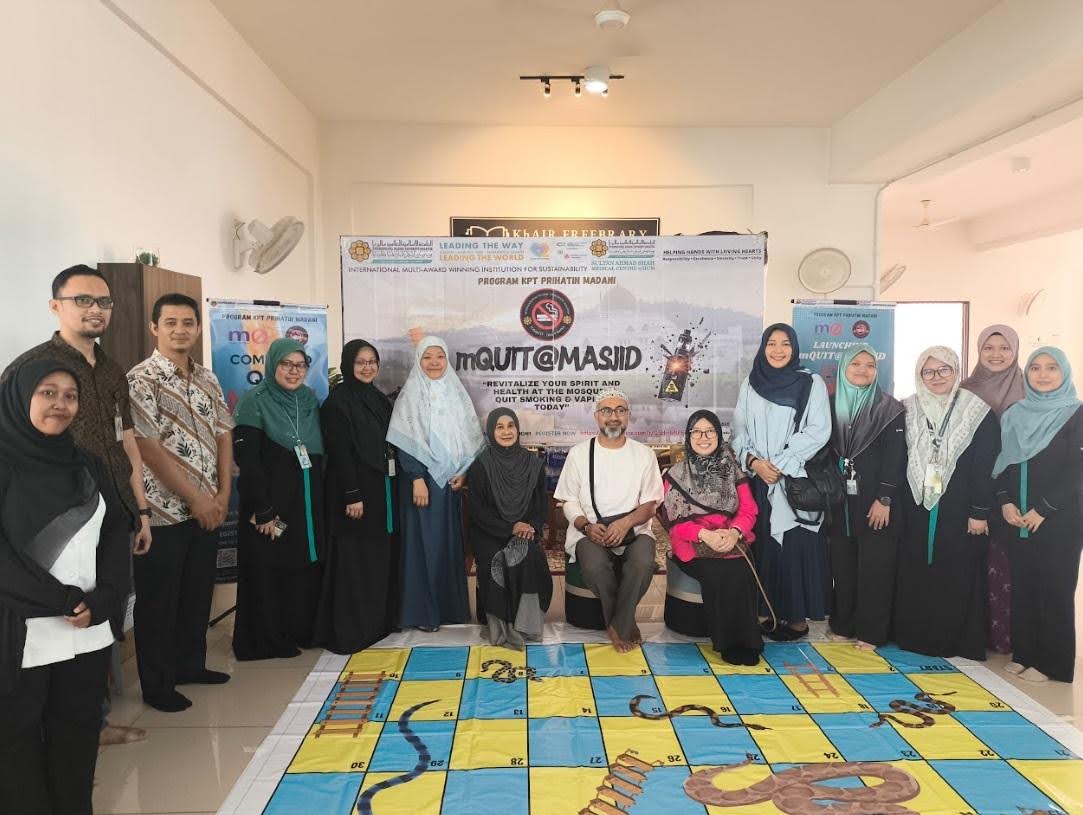
The program also builds institutional capacity for health promotion in schools, contributing to long-term public health resilience.
This initiative supports SDG 17.9 and SDG 3, showing how educational partnerships can improve community health outcomes and inspire behavioral change among youth.
Green Campus Partnerships for Environmental Awareness
USU’s Green Campus Program reflects the university’s internalization of sustainability values through collaboration among faculty, students, and administrative units. Supported by the SDGs Center USU, this initiative includes waste reduction campaigns, tree planting, renewable energy use, and water-saving systems. Partnerships with local communities and government agencies further amplify the impact of environmental education programs.
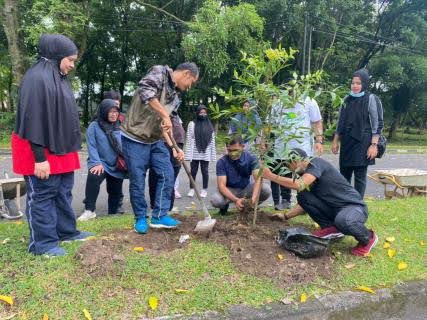
The initiative aligns with SDG 17.17 and SDG 13, strengthening multi-stakeholder partnerships for environmental protection and promoting a culture of sustainability within and beyond the university.
The diverse partnerships led by Universitas Sumatera Utara under Sustainable Development Goal 17 (Partnerships for the Goals) reflect a deep institutional belief that collaboration is the cornerstone of sustainable progress. From disaster resilience and health partnerships to research networks and cultural diplomacy, USU’s initiatives demonstrate how universities can act as catalysts of global cooperation.
By fostering alliances across academia, industry, government, and civil society, USU transforms collaboration into concrete action, bridging global knowledge with local impact. These joint efforts not only accelerate the implementation of the SDGs but also build collective capacity to address complex global challenges.
Ultimately, USU reaffirms that sustainable development can only be achieved through shared responsibility, trust, and collaboration, a vision where partnerships serve as pathways to innovation, inclusivity, and a better future for all.