


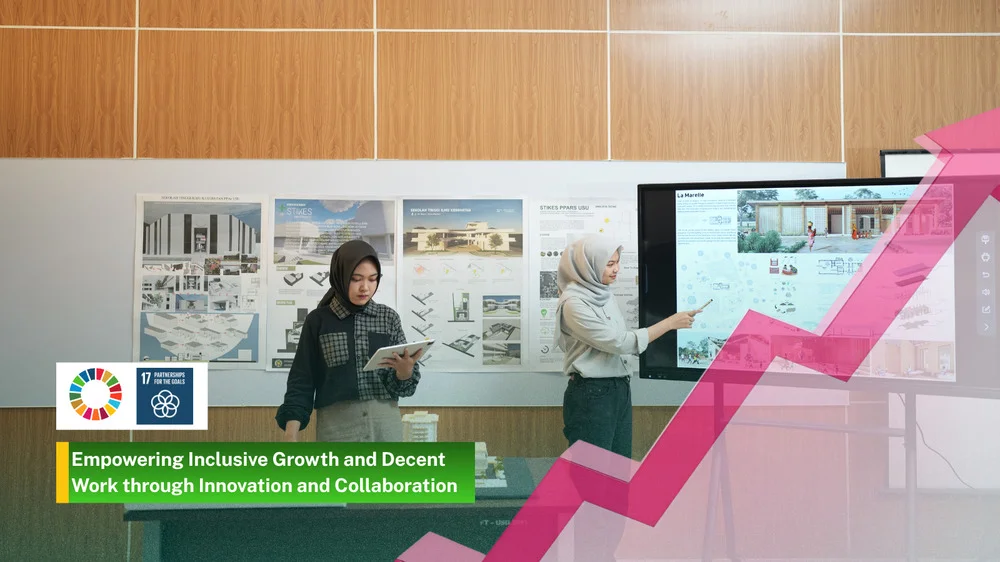
Medan, 01 August 2024 - Inclusive and sustainable economic growth lies at the heart of Sustainable Development Goal 8 (Decent Work and Economic Growth). Universitas Sumatera Utara advances this goal by integrating education, research, and community engagement to generate equitable opportunities and strengthen local resilience. Through innovation-driven projects, international collaborations, and capacity-building programs, the university connects academic excellence with real-world impact, creating jobs, supporting entrepreneurship, and promoting sustainable development across North Sumatra and beyond.
USU Strengthens Fair Pay and Labor Protections
Universitas Sumatera Utara has reaffirmed its commitment to the UN Sustainable Development Goal 8 (Decent Work and Economic Growth) through a living‑wage–aligned pay framework, clear anti‑discrimination safeguards, and a zero‑tolerance stance on modern slavery across its workforce.
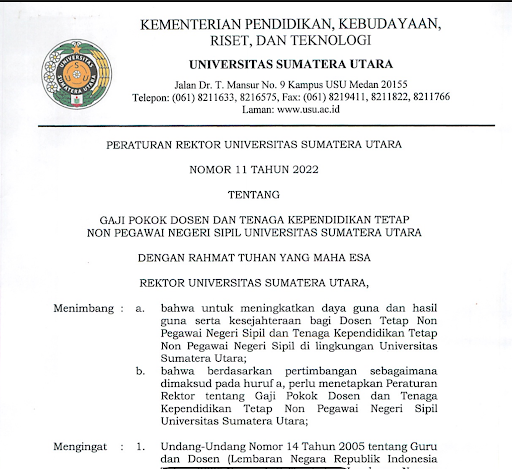
Rector Regulations No. 11 of 2022 (Basic Salaries)
USU’s compensation system is anchored in Rector Regulations No. 11 of 2022 (Basic Salaries) and No. 1 of 2022 (Post‑Employment Benefits for Permanent Staff), ensuring consistent, performance‑based remuneration for academic and non‑academic personnel.
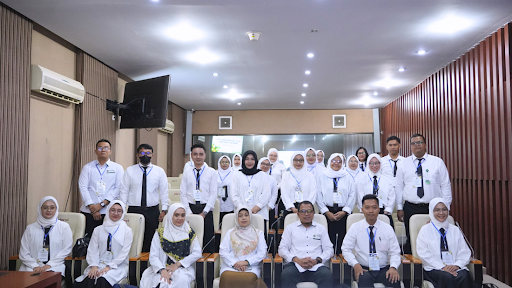
Beyond remuneration, USU upholds workplace equity through a suite of policies and values. Rector Regulation No. 21 of 2017 protects employees’ professional rights, while the USU Code of Ethics and Employee Discipline (2008) and the university’s BINTANG values emphasize respect across religion, ethnicity, gender, age, and social status. Leadership roles across faculties and administrative units are open to all genders, and a Whistle Blower System enables confidential reporting and swift follow‑up on any form of discrimination.
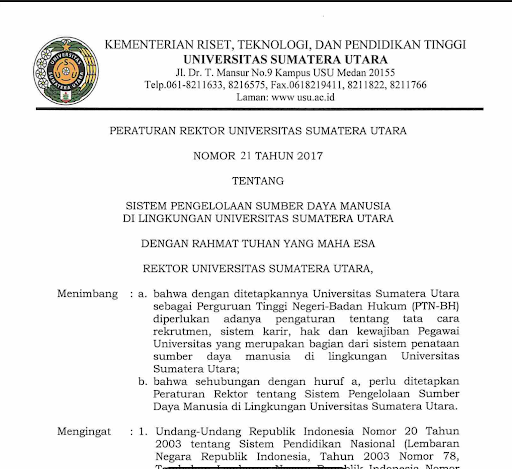
Rector Regulation No. 21 of 2017
USU also codifies a strong stance against forced labour, modern slavery, human trafficking, and child labour. Recruitment is transparent and open, with 18+ minimum age for all hires, and announcements are made publicly to ensure free and informed participation. The university collaborates with the Provincial Department of Women’s Empowerment, Child Protection, and Family Planning and engages the USU SDGs Center to advance protection and empowerment initiatives across North Sumatra.
Expanding Employment Opportunities through Career Days
The USU Career Days 2024 Job Fair underscores the university’s strong commitment to improving employability and workforce inclusion. The event connected students, alumni, and job seekers with national and regional employers across multiple sectors. In addition to providing job opportunities, the fair featured workshops and consultations on career readiness, digital competence, and workplace ethics.
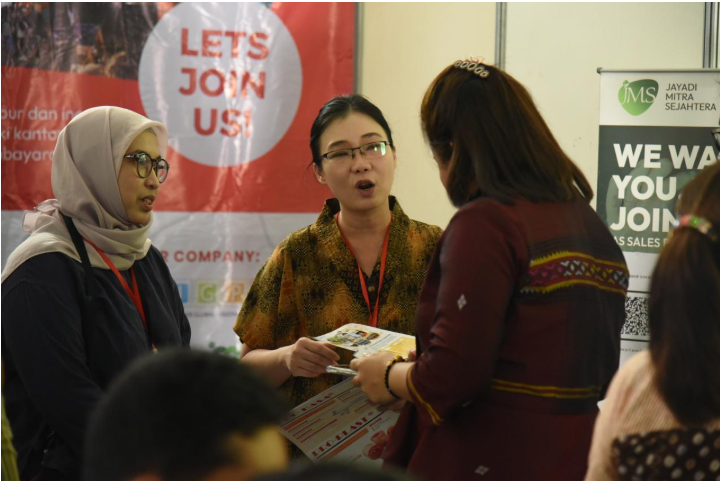
This initiative expands employment access for young graduates and marginalized groups, addressing unemployment while aligning university programs with market needs. It fosters industry–academia collaboration and prepares participants with the skills necessary for sustainable, dignified work, supporting SDG 8.5, which promotes productive employment and equal pay for all.
Building Rural Economic Independence through an Accounting System
The project “Penetrating Boundaries, Building Rural Economic Independence through an Accounting System” focuses on empowering small rural enterprises by introducing a simple and practical digital accounting framework. This tool helps local entrepreneurs manage finances, improve transparency, and access microcredit opportunities. USU’s team conducted training sessions for cooperatives and village-owned enterprises to ensure local adoption.
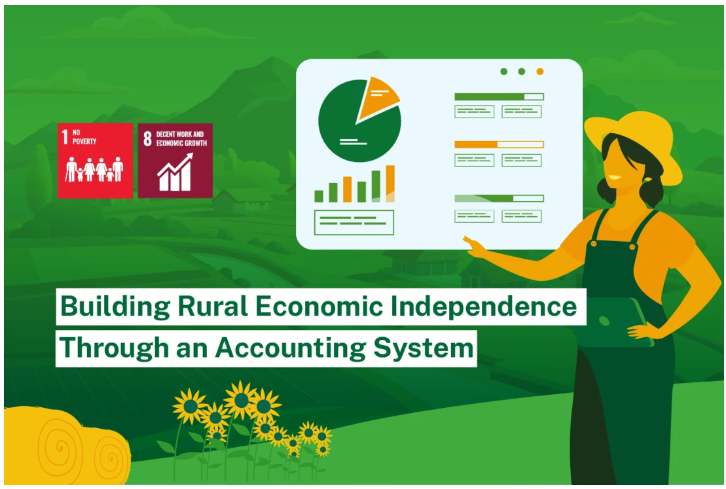
This innovation strengthens small and medium-sized enterprises (SMEs), enhances financial literacy, and increases community resilience. By enabling better business decisions and sustainable profit management, it contributes to SDG 8.3, promoting productive activities and entrepreneurship as pathways to inclusive rural development.
Fostering a Sustainable Digital Economy in Indonesia and Malaysia
The comparative study on Sustainable Digital Economy in Indonesia and Malaysia highlights the transformative power of technology when coupled with sustainability and inclusivity. The research examines digital ecosystems, ranging from e-commerce to financial technology, identifying policy opportunities for reducing inequalities and ensuring environmentally responsible growth.
This study strengthens policy dialogue between nations and provides a blueprint for building inclusive, low-carbon digital economies. It promotes digital innovation that balances economic efficiency with social responsibility, expanding opportunities for youth and entrepreneurs in the emerging digital sector.
Developing a Muslim-Friendly Tourism Model for Sustainable Growth
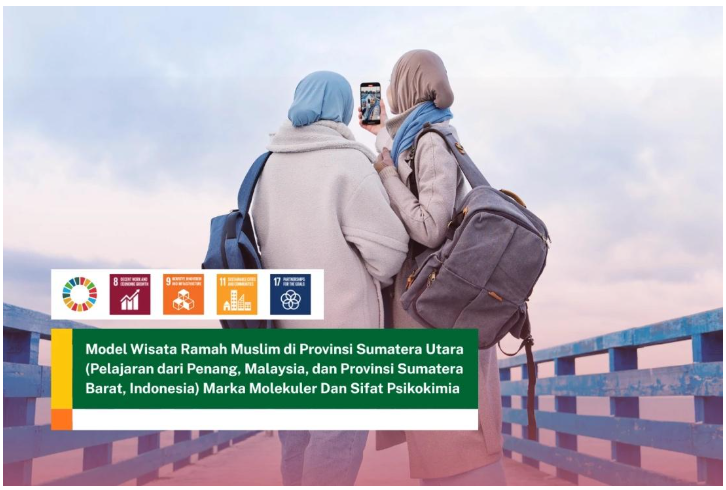
USU researchers developed a Muslim-Friendly Tourism Model for North Sumatra, inspired by successful examples from Penang (Malaysia) and West Sumatra (Indonesia). The model integrates sustainability with cultural and religious values, offering practical guidelines for tourism governance and destination management.
The approach enhances regional tourism competitiveness while promoting community-based enterprises and protecting local heritage. By combining inclusivity and environmental responsibility, the model aligns with SDG 8.9, which encourages sustainable tourism as a driver of local job creation and cultural preservation.
Universitas Sumatera Utara’s initiatives under SDG 8 (Decent Work and Economic Growth) reflect a comprehensive commitment to inclusive prosperity and sustainable innovation. The university’s research and community programs bridge academic knowledge with social and economic transformation, proving that education can be a catalyst for both opportunity and equity.
Each initiative, whether fostering employability, empowering entrepreneurs, or promoting sustainable industries, demonstrates a shared goal: building an economy that values people as much as productivity. By nurturing human capital, supporting innovation, and strengthening community-based enterprises, USU reinforces the foundation of a resilient, fair, and future-ready economy that leaves no one behind.