


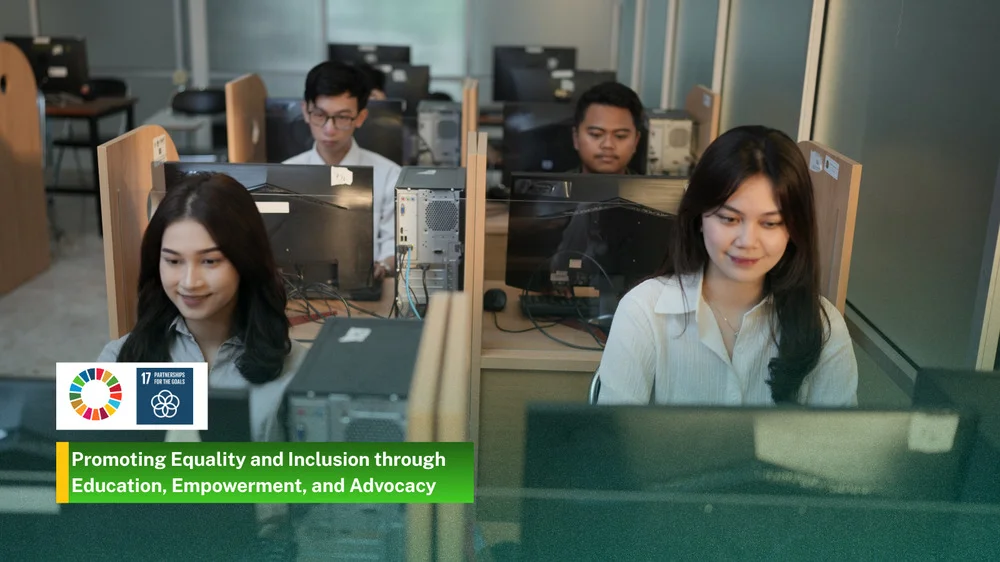
Medan, 26 November 2024 - Reducing inequality within and among societies is one of the core pillars of sustainable development. In alignment with Sustainable Development Goal 10 (Reduced Inequalities), Universitas Sumatera Utara has undertaken numerous initiatives that address social disparity, gender-based violence, disability inclusion, and rural empowerment. Through a combination of education, advocacy, and community engagement, USU demonstrates that academic institutions have a moral and strategic role in promoting equality and ensuring that no one is left behind.
Universitas Sumatera Utara’s Inclusive and Non-Discriminatory Policies
Universitas Sumatera Utara (USU) demonstrates a strong institutional commitment to SDG 10: Reduced Inequalities by implementing inclusive, fair, and transparent policies across admissions, employment, and campus life.
The university upholds a Non-Discriminatory Admissions Policy as stated in Rector’s Regulation No. 13 of 2022, guaranteeing equal educational opportunities for all individuals regardless of religion, race, gender, age, disability, region, or financial status. Affirmative inclusion is evident as 27.6% of SNBT students are scholarship recipients, representing low-income students supported by government aid. The same principles extend to staff recruitment, which follows a merit-based, non-discriminatory process published openly on the university’s recruitment portal.
USU’s Anti-Discrimination Policy, embedded in its academic governance under the same regulation, ensures fairness and respect in all academic and employment practices. This aligns with the university’s values, which promote unity in diversity, tolerance, and inclusiveness across the entire campus community.
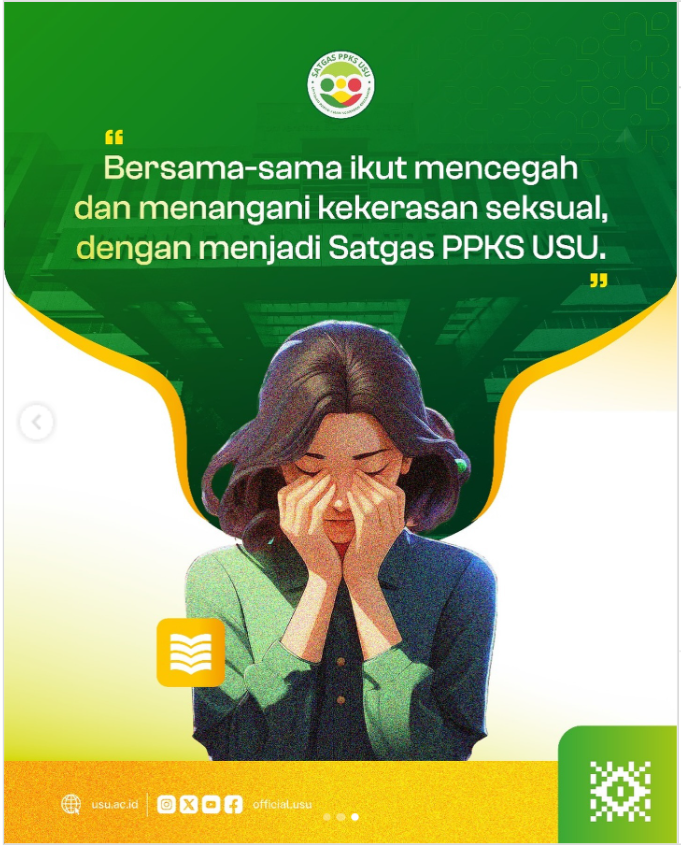
In addition, the university enforces a Formal Anti-Harassment Policy through Rector’s Decree No. 2132/UN5.1.R/SK/KPM/2022, which established the PPKS Task Force (Prevention and Handling of Sexual Violence) in accordance with Permendikbudristek No. 30 of 2021. This task force conducts awareness campaigns, educational outreach, and provides safe reporting mechanisms to protect all members of the university from harassment and violence.
Creating a Safe and Inclusive Campus Environment
The Socialization of Sexual Violence Prevention Program reflects USU’s strong institutional commitment to ensuring safety and equality across its campus community. This initiative is implemented under the framework of the USU Task Force for the Prevention and Handling of Sexual Violence (Satgas PPKS), established by the Rector’s Decree.
The program promotes awareness among students and staff regarding the prevention, reporting, and handling of sexual harassment cases. It includes workshops, public discussions, and social campaigns to foster a culture of mutual respect, gender sensitivity, and zero tolerance for violence.
This effort not only ensures a safe and comfortable academic environment but also supports the broader goal of gender equality and protection of human rights. By institutionalizing preventive measures and empowering victims to speak up, the program directly contributes to SDG 10.2, which emphasizes the social, economic, and political inclusion of all individuals regardless of gender or circumstance.
Universitas Sumatera Utara Strengthens Campus Accessibility for Persons with Disabilities
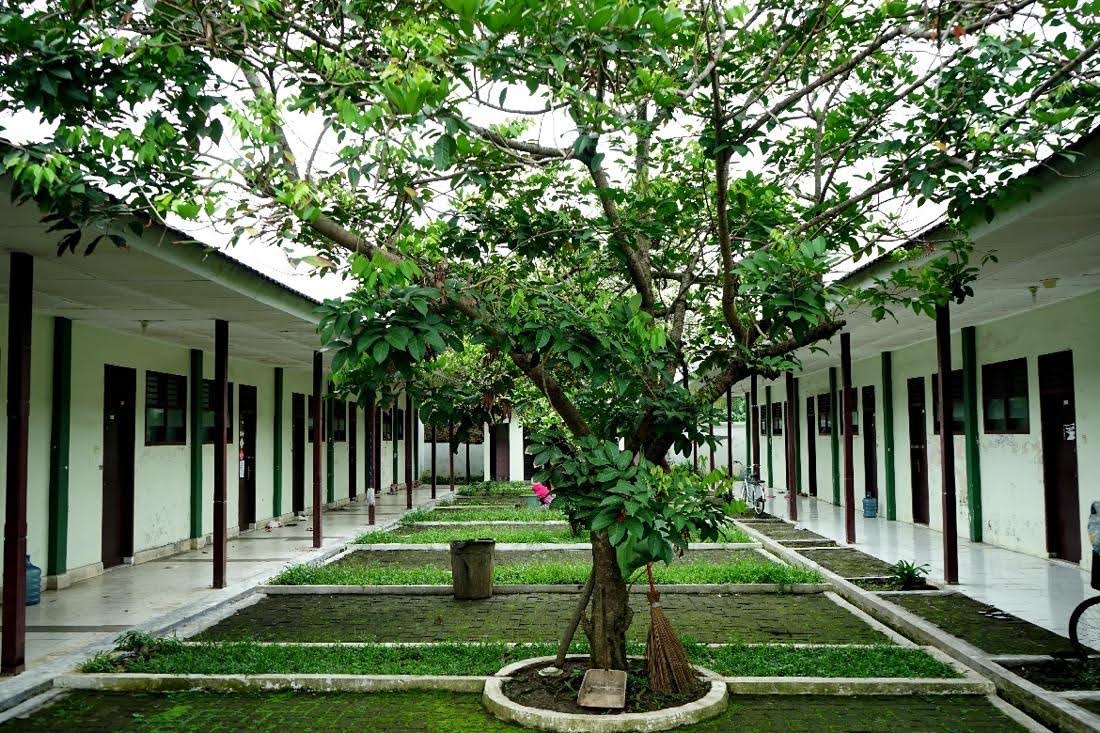
Universitas Sumatera Utara (USU) is committed to building an inclusive and accessible campus environment that accommodates the needs of students, staff, and visitors with disabilities. All university buildings are equipped with disability and maternity care facilities, including wheelchair-accessible ramps, guiding blocks for the visually impaired, accessible toilets, and elevators, ensuring barrier-free mobility across the campus. Pedestrian pathways are also fitted with guiding blocks and covered walkways to enhance safety and comfort, particularly during adverse weather conditions.
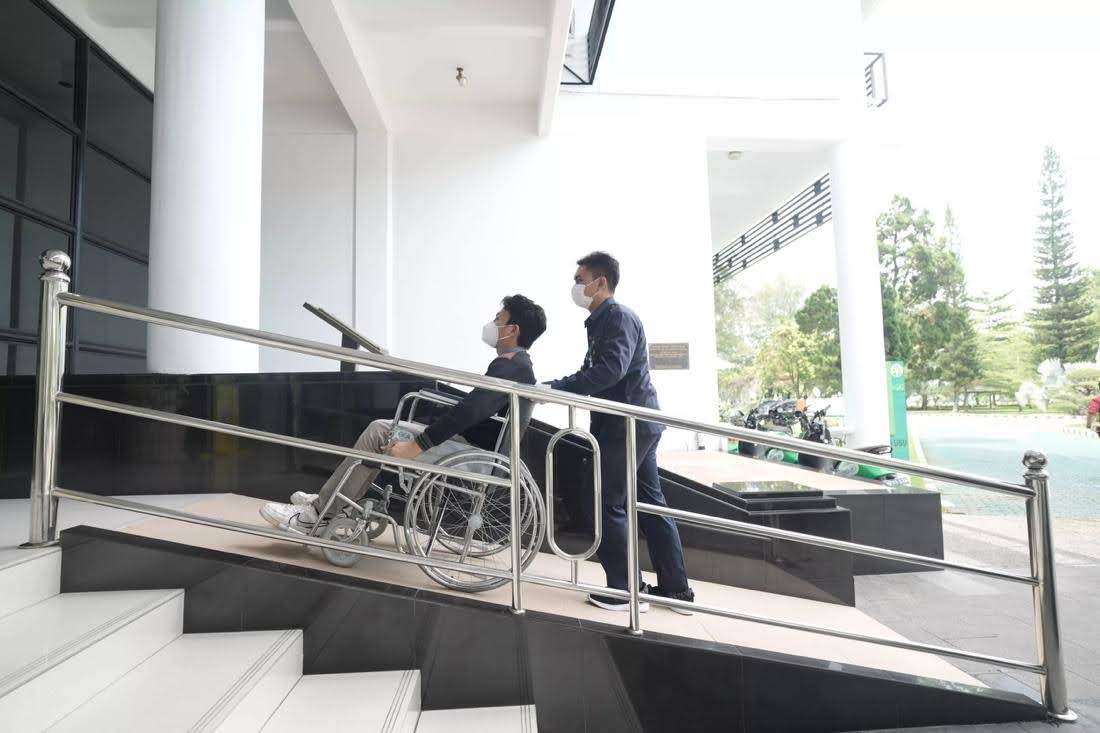
These infrastructure improvements demonstrate USU’s sustained investment in inclusive design, reflecting its alignment with SDG 4 (Quality Education) and SDG 10 (Reduced Inequalities). Although the university does not yet operate a specific disability access scheme such as a separate admissions route or scholarship program for persons with disabilities, admission forms include disability identification, signaling institutional awareness and readiness to expand future support mechanisms.
Empowering Rural Women through Home Industry
In rural North Sumatra, USU’s researchers collaborated with local communities to empower women through the Batik Prima Jaya Home Industry. The initiative provides training in batik design, production, and entrepreneurship, transforming traditional skills into viable sources of income and local identity.
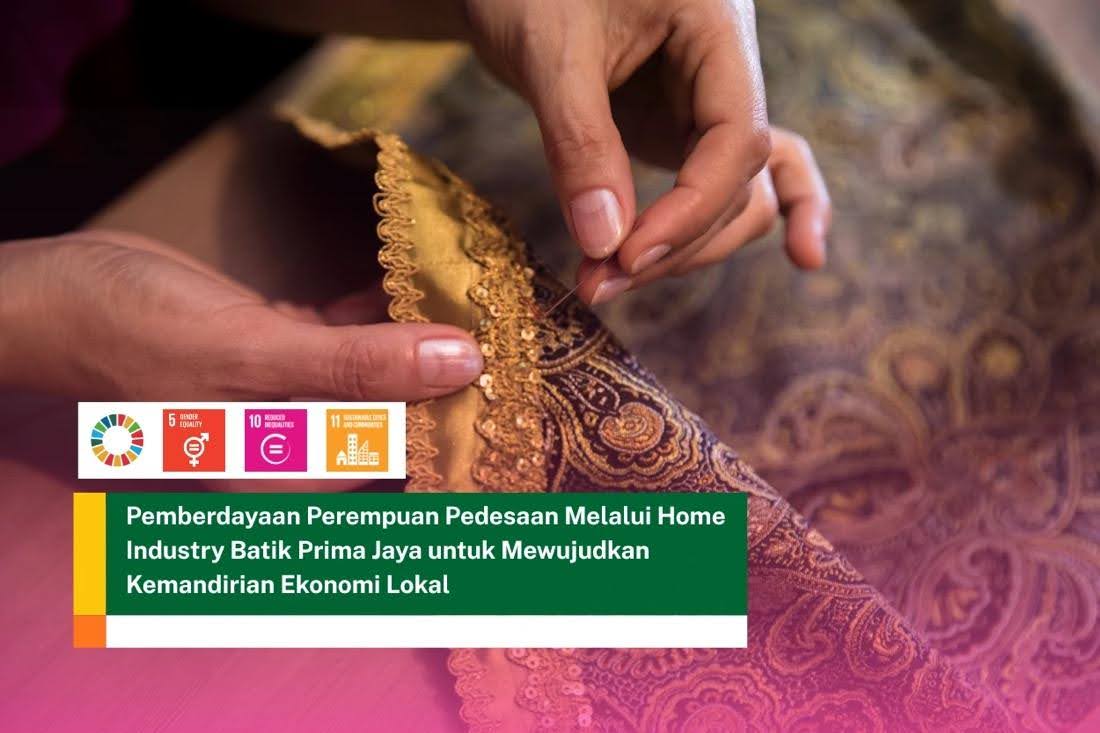
By integrating creative industries with local culture, this program elevates women’s economic participation and enhances their leadership roles within the community. It also promotes environmentally friendly production methods using natural dyes and sustainable materials.
The project improves economic independence among rural women and reduces gender-based income inequality. It aligns with SDG 10.1 by promoting income growth for the bottom 40% of the population and strengthening rural entrepreneurship. Moreover, it reinforces women’s social position as agents of change in local development.
Upholding the Rights of Children with Disabilities
The project “Fulfilling the Civil Rights of Children with Disabilities in Sunggal Subdistrict, Deli Serdang Regency” addresses the barriers faced by children with disabilities in accessing education, healthcare, and public services. Through collaboration with local schools, parents, and social organizations, USU academics advocate for inclusive education policies and provide community-based training for caregivers and teachers.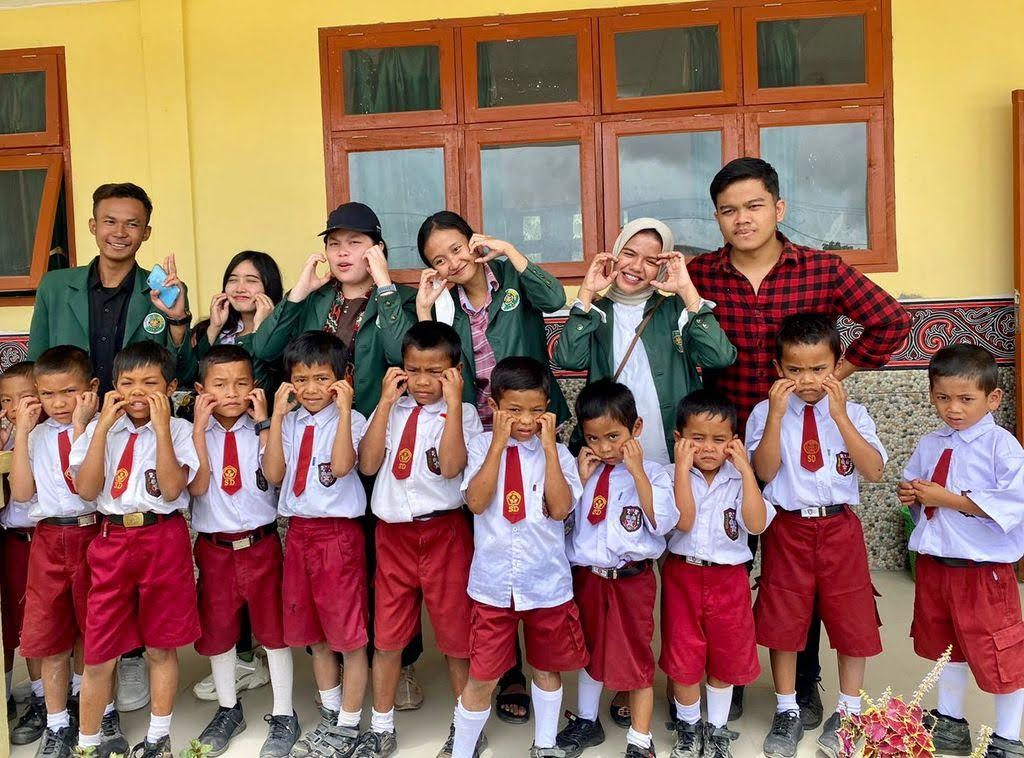
This initiative ensures that children with disabilities enjoy equal rights and opportunities, contributing to the creation of inclusive education systems. It aligns with SDG 10.3, which promotes the elimination of discriminatory practices and the equitable access to services. In addition, it fosters empathy and social awareness among the broader community toward the importance of inclusion and accessibility.
Enhancing Political Accessibility for Persons with Disabilities
In preparation for the 2024 general elections, USU researchers led the initiative “Strengthening Accessibility for Persons with Disabilities through Political Education in Medan City.” The program focuses on educating persons with disabilities about their voting rights and political participation, while also working with electoral commissions to improve physical and procedural accessibility at polling stations.
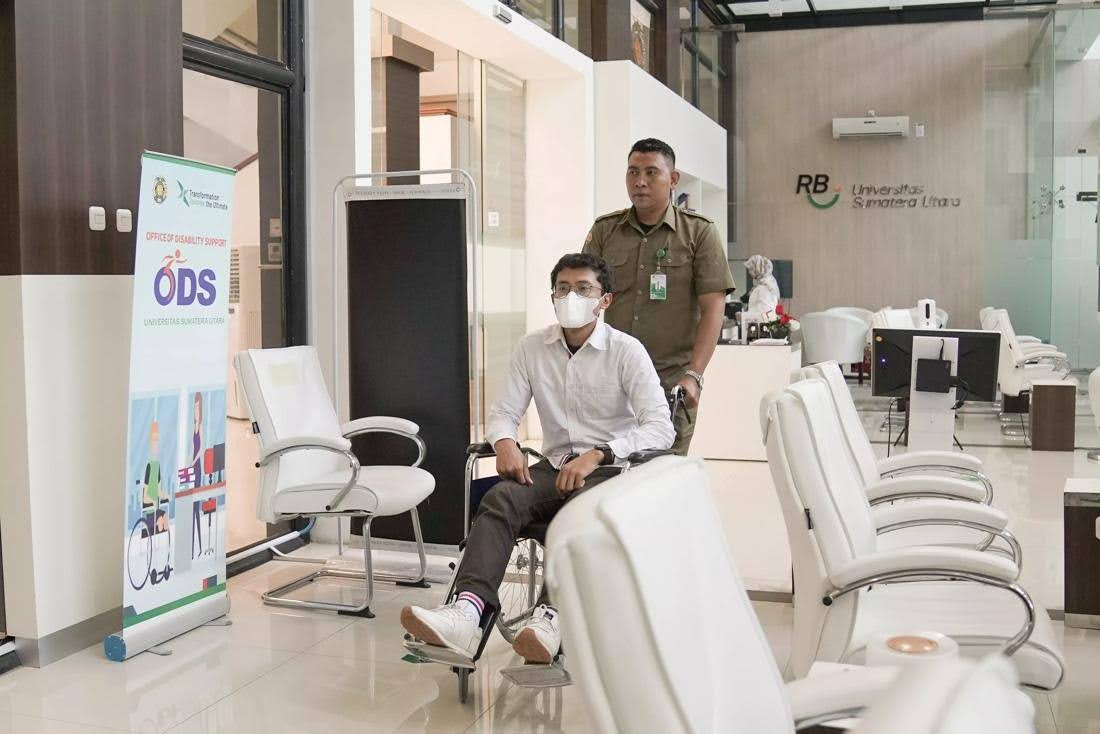
Workshops and advocacy meetings were held to ensure that electoral processes are more inclusive, transparent, and representative of all citizens.
This initiative promotes equal political participation for people with disabilities, reinforcing democratic inclusivity and representation. It advances SDG 10.2 by empowering marginalized groups to actively engage in decision-making processes and shaping public policy. It also builds institutional awareness of disability rights within electoral systems.
The initiatives undertaken by Universitas Sumatera Utara under the framework of SDG 10 (Reduced Inequalities) reflect a deep commitment to inclusivity, empowerment, and social justice. From creating safe campus spaces and empowering rural women to advocating for the rights of children and persons with disabilities, these programs embody the principles of equality in both action and impact.