


.webp)
Medan, Indonesia (24 July 2024) – Universitas Sumatera Utara (USU) is playing an active role in promoting responsible fishing and sustainable marine resource use in the coastal areas of North Sumatra. By combining applied research with community education and outreach, the university helps protect marine biodiversity while supporting the livelihoods of small-scale fishing communities.
Research-driven solutions for sustainable fisheries
One of USU’s key contributions comes from an applied research project led by lecturers from the Faculty of Agriculture titled:
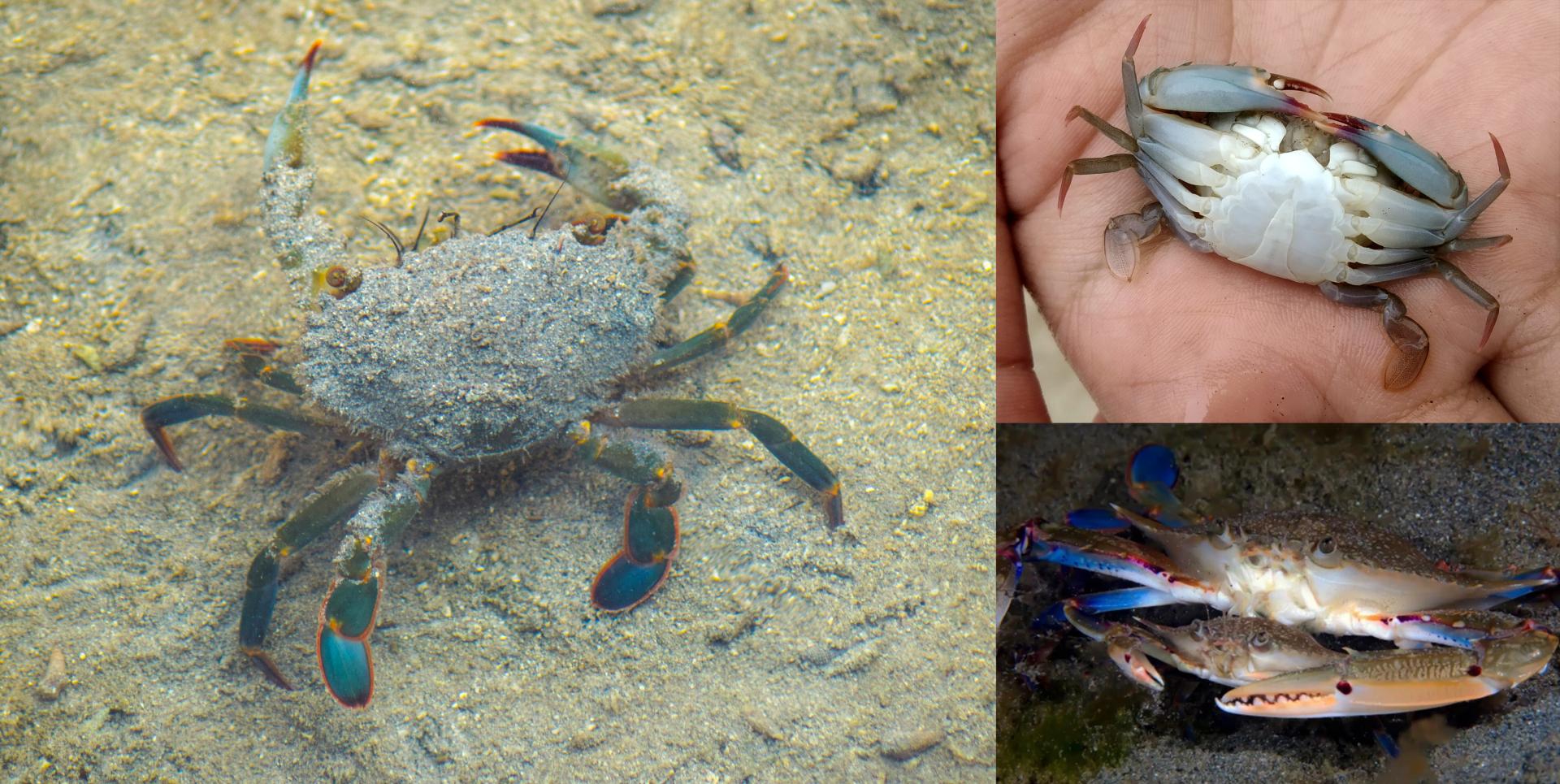
“Ecobiology and Development Strategies of Blue Swimming Crabs (Portunus sp) in the Malacca Strait: Adaptation to Threats and Management.”
The study focuses on the ecobiology and development strategies of blue swimming crabs (Portunus sp) in the Malacca Strait, a commercially important crustacean that local fishers worry could disappear from their traditional fishing grounds if overexploitation continues. The research addresses critical issues such as:
Overexploitation and declining crab stocks
Habitat degradation in coastal and estuarine zones
The impact of destructive or non-selective fishing techniques
By analysing the biological characteristics, population structure, and environmental conditions of Portunus sp, the research offers concrete recommendations for sustainable management, including:
Size-selective harvesting that avoids taking juvenile crabs
Protection of nursery and spawning habitats
The use of more selective fishing gear and the phasing out of destructive methods
These findings provide a scientific basis for fisheries policy development and for practical guidance that can be shared with coastal communities.
From science to community education
USU does not stop at academic publication. The university integrates this research into community service programmes (pengabdian kepada masyarakat) on sustainable crab fisheries in the Malacca Strait, coordinated by the Faculty of Agriculture and the Institute for Community Service (LPPM USU).
.png)
Picture: The mangrove fishermen village, fostered by USU, reflects the university’s sustained contributions to strengthening local community development.
Through workshops, focus group discussions, and field demonstrations, USU works directly with:
Local fishermen and fishing cooperatives
Small-scale seafood processors
Village leaders and coastal community groups
Training sessions cover topics such as:
Sustainable harvesting techniques, including avoiding the capture of juvenile crabs and reducing bycatch
Awareness of fisheries licensing and quota systems, to support legal, traceable, and fair supply chains
Ecosystem and habitat restoration, for example through mangrove planting and coastal rehabilitation
Value-added processing innovations, which improve product quality and local income without increasing fishing pressure
In addition, the programmes promote illegal fishing prevention, including:
Explaining regulations on banned gear and destructive practices
Raising awareness of the ecological damage caused by illegal trawling, explosives, and poisons
Encouraging fishers and community leaders to report suspected illegal fishing to authorities and to support community-based monitoring
.png)
Picture: USU’s Faculty of Social and Political Sciences holds a workshop on preventing illegal fishing as part of its community service program empowering women fishers in Medan Belawan.
In this way, research findings are translated into practical tools, local guidelines, and everyday practices that coastal communities can apply in their own fisheries.
Strengthening communities and protecting marine life
By linking scientific research with on-the-ground education, USU helps coastal households become more economically resilient while at the same time reducing pressure on marine ecosystems. Fishers gain a clearer understanding of how responsible practices today can secure blue swimming crab stocks and other marine resources for future generations.
Through ongoing collaboration with government agencies, fisheries cooperatives, and conservation partners, Universitas Sumatera Utara shows how a university can play a strategic role in raising awareness on responsible fishing, improving local fisheries management, and promoting healthier seas for both people and nature in North Sumatra.