


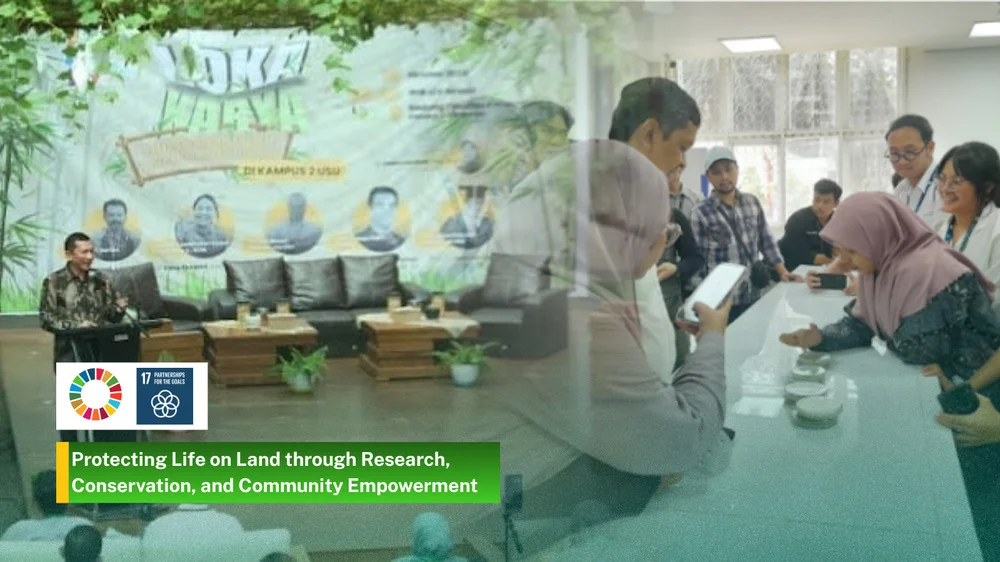
Medan, 19 November 2024 - Sustainable Development Goal 15 (Life on Land) calls for the protection, restoration, and sustainable use of terrestrial ecosystems, the responsible management of forests, and urgent action to halt biodiversity loss and land degradation. As one of Indonesia’s leading research universities located in a region rich in tropical biodiversity, Universitas Sumatera Utara embraces this mission through integrated scientific research, conservation initiatives, and community engagement.
USU’s contributions under SDG 15 span multiple fronts, from forest ecosystem management, biodiversity conservation, and climate-adaptive research, to rural empowerment and environmental education. Through interdisciplinary collaboration, partnerships with government and local communities, and the active involvement of students and researchers, USU demonstrates that science and community empowerment must go hand in hand to sustain the planet’s natural heritage.
Conserving Biodiversity through Research and International Collaboration
The 9th Asian Primate Symposium hosted by USU reflects the university’s international leadership in biodiversity conservation. The event gathered primatologists, conservationists, and policymakers from across Asia to discuss the preservation of endangered primate species, particularly the Sumatran orangutan, whose habitat is under increasing threat from deforestation.
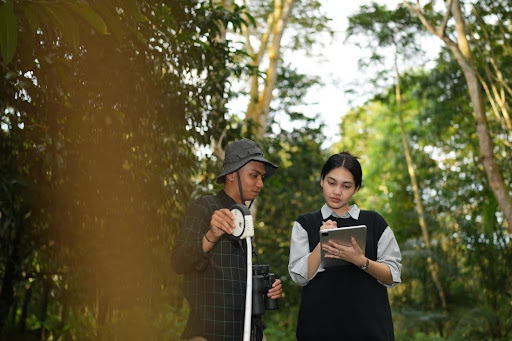
This effort aligns closely with the research project “Exploring the Future of Orangutan Ecotourism on Sumatra Island”, which promotes sustainable tourism models that balance conservation with local economic benefit. By ensuring that ecotourism activities are environmentally responsible and community-centered, USU’s initiatives protect natural habitats while creating new livelihood opportunities for surrounding populations.
These initiatives advance SDG 15.1 and 15.5, which emphasize the conservation of terrestrial ecosystems and the halting of biodiversity loss. They showcase the role of academic research in supporting ecosystem-based livelihoods, promoting responsible tourism, and ensuring that human activities coexist harmoniously with wildlife.
Agroforestry and Sustainable Land Use in Aek Nauli
The project “Agroforestry: The Amazing Nature Preservation of Aek Nauli” highlights the integration of forest conservation with community-based agricultural development. Through agroforestry systems, USU researchers and local farmers plant trees alongside crops, creating a balanced ecosystem that enhances soil fertility, reduces erosion, and restores degraded land.
This model provides long-term ecological and economic benefits by maintaining biodiversity and increasing forest cover while supporting sustainable agriculture. The research outcomes also inform national reforestation policies and strengthen local adaptive capacity to environmental change.
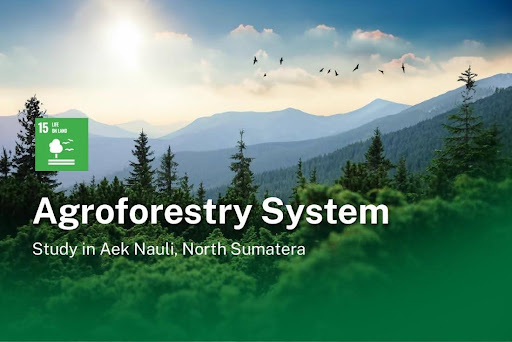
The Aek Nauli initiative directly contributes to SDG 15.3, combating land degradation and desertification. It builds local resilience against climate change, restores ecological integrity, and improves the livelihoods of rural communities by aligning conservation with productivity.
Scientific Innovation for Forest and Soil Conservation
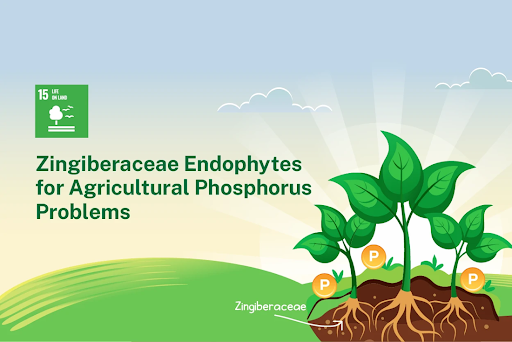
USU’s scientific research extends into biotechnological innovation, as seen in the project “Endophytic Zingiberaceae Fungi for Agricultural Phosphorus Problems.” This study identifies beneficial fungi that enhance soil fertility by increasing phosphorus absorption in plants, thereby reducing dependence on chemical fertilizers.
Similarly, research on Keruing Identification and Conservation Efforts provides valuable data on preserving Dipterocarpus spp., a critically important tropical timber species now threatened by overexploitation. The use of advanced molecular identification techniques supports accurate conservation planning and genetic diversity preservation.
These studies foster sustainable agriculture and forest management, advancing SDG 15.2 and SDG 15.5 by promoting responsible use of natural resources while reducing environmental degradation caused by unsustainable agricultural practices.
Mangrove and Coastal Forest Resilience Research
Through the project “Uncovering Mangrove Resilience: Salinity Conditions and Freshwater Recovery,” USU researchers examine how mangroves adapt to changing salinity levels, providing insight into the ecosystem’s resilience against climate-induced stress. The findings inform coastal conservation strategies and sustainable mangrove rehabilitation programs.
Complementing this effort, the USU Faculty of Forestry’s community mangrove planting in Nipah Village engages students and local residents in restoring degraded coastal zones. These activities enhance natural defenses against erosion, sequester carbon, and support marine biodiversity.
These programs align with SDG 15.1 and SDG 15.4, integrating forest management with climate adaptation and community participation. They strengthen ecosystem services, mitigate coastal vulnerability, and create models for community-led conservation.
Education, Awareness, and Youth Engagement in Conservation
USU actively promotes environmental education through initiatives such as the PUI Mangrove Summer Course – “Exploring the World of Fungi and Peppers”, where students engage in hands-on biodiversity observation and plant identification activities. Participants explore forest laboratories, greenhouses, and arboretums with more than 80 tree species, deepening their understanding of biodiversity and sustainable management.
The Faculty of Forestry’s 10th Anniversary and the Launching of the World Bamboo Collection Park further reinforces USU’s role as a center for conservation and innovation. The park serves as a living laboratory for bamboo research and education, promoting sustainable materials and biodiversity conservation.
Similarly, the Youth Initiative – North Sumatra Young Leadership Accelerator (SOLA) 2024 empowers young leaders to advocate for terrestrial ecosystem protection through training, discussions, and conservation projects, such as the protection of the rare Lagan bras tree species.
These educational initiatives contribute to SDG 15.A, enhancing the capacity of young people and professionals in biodiversity management and environmental stewardship. They cultivate future generations of leaders committed to sustainable ecosystem conservation.
Conserving Biodiversity through Research and International Collaboration
The 9th Asian Primate Symposium hosted by USU reflects the university’s international leadership in biodiversity conservation. The event gathered primatologists, conservationists, and policymakers from across Asia to discuss the preservation of endangered primate species, particularly the Sumatran orangutan, whose habitat is under increasing threat from deforestation.
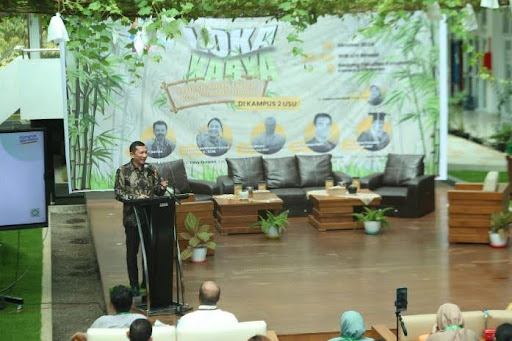
This effort aligns closely with the research project “Exploring the Future of Orangutan Ecotourism on Sumatra Island”, which promotes sustainable tourism models that balance conservation with local economic benefit. By ensuring that ecotourism activities are environmentally responsible and community-centered, USU’s initiatives protect natural habitats while creating new livelihood opportunities for surrounding populations.
These initiatives advance SDG 15.1 and 15.5, which emphasize the conservation of terrestrial ecosystems and the halting of biodiversity loss. They showcase the role of academic research in supporting ecosystem-based livelihoods, promoting responsible tourism, and ensuring that human activities coexist harmoniously with wildlife.
Mangrove and Coastal Forest Resilience Research
Through the project “Uncovering Mangrove Resilience: Salinity Conditions and Freshwater Recovery,” USU researchers examine how mangroves adapt to changing salinity levels, providing insight into the ecosystem’s resilience against climate-induced stress. The findings inform coastal conservation strategies and sustainable mangrove rehabilitation programs.
Complementing this effort, the USU Faculty of Forestry’s community mangrove planting in Nipah Village engages students and local residents in restoring degraded coastal zones. These activities enhance natural defenses against erosion, sequester carbon, and support marine biodiversity.
These programs align with SDG 15.1 and SDG 15.4, integrating forest management with climate adaptation and community participation. They strengthen ecosystem services, mitigate coastal vulnerability, and create models for community-led conservation.
Education, Awareness, and Youth Engagement in Conservation
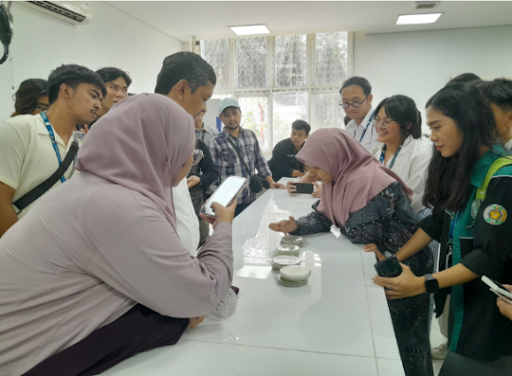
USU actively promotes environmental education through initiatives such as the PUI Mangrove Summer Course – “Exploring the World of Fungi and Peppers”, where students engage in hands-on biodiversity observation and plant identification activities. Participants explore forest laboratories, greenhouses, and arboretums with more than 80 tree species, deepening their understanding of biodiversity and sustainable management.
The Faculty of Forestry’s 10th Anniversary and the Launching of the World Bamboo Collection Park further reinforces USU’s role as a center for conservation and innovation. The park serves as a living laboratory for bamboo research and education, promoting sustainable materials and biodiversity conservation.
Similarly, the Youth Initiative – North Sumatra Young Leadership Accelerator (SOLA) 2024 empowers young leaders to advocate for terrestrial ecosystem protection through training, discussions, and conservation projects, such as the protection of the rare Lagan bras tree species.
.png)
These educational initiatives contribute to SDG 15.A, enhancing the capacity of young people and professionals in biodiversity management and environmental stewardship. They cultivate future generations of leaders committed to sustainable ecosystem conservation.
Community Empowerment and Sustainable Livelihoods
The Grand Community Service Project in Pematang Kuala and Teluk Mengkudu and similar programs in Bagan Kuala Village exemplify USU’s holistic approach to linking environmental protection with social empowerment. Communities are trained to create plant-based pesticides, natural mosquito repellents, and ecoprint crafts, reducing dependence on harmful chemicals and promoting eco-friendly practices.
Moreover, the initiative titled “Empowering Communities, Preserving Ecosystems, Sustaining Traditions” integrates ecotourism development, appropriate waste management, and malaria eradication into sustainable rural development. Villagers are encouraged to adopt eco-friendly production methods, restore local biodiversity, and strengthen community-based conservation.
These programs align with SDG 15.9, integrating ecosystem and biodiversity values into local development. They empower communities to adopt sustainable practices while generating new livelihood opportunities, demonstrating that environmental conservation and economic progress can coexist harmoniously.
Innovation in Sustainable Materials and Waste Reduction
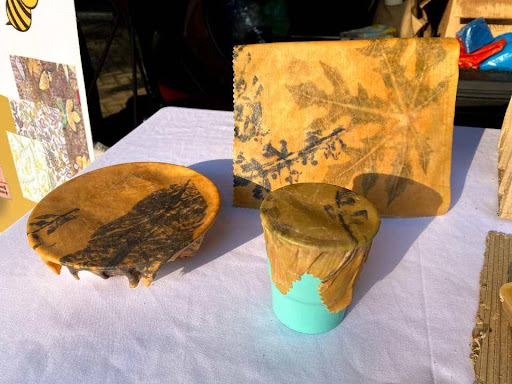
The PKM-K 2024 Team’s “BCoWrap” project introduces an eco-friendly alternative to single-use plastic wrap made from cotton fabric, beeswax, pine resin, and virgin coconut oil. This reusable food packaging supports waste reduction, sustainable consumption, and the local creative economy.
Meanwhile, research on Malay Motif Woven Fabric with Extracts of Balakka and Sikkam Wood introduces natural dyeing methods that are antibacterial and fade-resistant, preserving traditional culture while reducing chemical pollution in textile production.
These projects advance SDG 15 and SDG 12, illustrating how innovation in materials and local craftsmanship can contribute to both cultural preservation and ecological protection. They reduce environmental pollution and encourage sustainable consumption patterns.
Regional and International Research Collaboration
USU also strengthens regional and international collaboration through the program “Developing Research Collaboration with UiTM, UM, and UPM – Building the ‘Human Co-Existence with Wildlife’ Scientific Cluster.” This initiative establishes a joint research network among Southeast Asian universities, focusing on human–wildlife coexistence, forest ecology, and sustainable resource management.
The collaboration involves developing a Center of Excellence for Science and Technology in Human–Wildlife Coexistence, preparing 20 joint research publications, and advancing long-term conservation strategies for forest ecosystems.
This initiative supports SDG 15.B, mobilizing global partnerships and scientific cooperation for ecosystem conservation. It enhances research capacity, fosters knowledge exchange, and contributes to regional solutions for biodiversity protection.
Through its comprehensive portfolio of research, education, and community engagement, Universitas Sumatera Utara demonstrates a profound commitment to Sustainable Development Goal 15 (Life on Land). From protecting tropical forests and conserving endangered species to promoting agroforestry, sustainable livelihoods, and youth-led environmental action, USU embodies the principle that human prosperity and environmental integrity are deeply interconnected.
Each initiative, whether rooted in scientific innovation, education, or grassroots collaboration, reinforces the importance of protecting terrestrial ecosystems as a foundation for sustainable life on Earth. By fostering interdisciplinary research, empowering local communities, and nurturing future conservation leaders, USU not only safeguards biodiversity but also builds a legacy of environmental responsibility.
In doing so, the university reaffirms its belief that “preserving nature means safeguarding life, balance, and hope for future generations”, a conviction that continues to guide its mission to create a greener, fairer, and more sustainable world.