


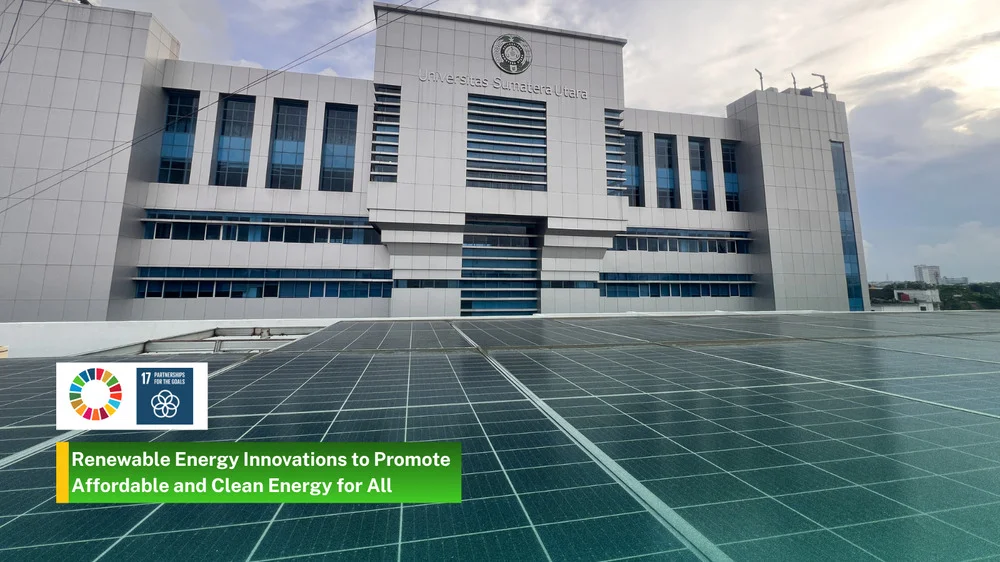
Medan, 24 December 2024 - Energy access is a foundation for sustainable development, influencing every aspect of human well-being, economic productivity, and environmental balance. In line with Sustainable Development Goal 7 (Affordable and Clean Energy), Universitas Sumatera Utara is committed to expanding access to reliable, sustainable, and modern energy through research, innovation, and community empowerment. The university’s initiatives under this goal focus on developing renewable energy technologies, low-emission fuels, and waste-to-energy solutions that support both environmental preservation and energy equity.
Energy-Efficient Renovation and Building Upgrades at Universitas Sumatera Utara
Universitas Sumatera Utara has made energy efficiency a fundamental requirement for all renovation and new building projects through its Green Campus Regulation (Rector’s Regulation No. 3 of 2019). This policy mandates the integration of environmentally friendly building principles, such as improved thermal insulation to reduce heat gain, passive cooling strategies that take advantage of natural ventilation, energy-efficient lighting, and sensor-based systems for regulating water and energy usage. These principles are reflected in the university’s design standards and technical specifications, ensuring that energy-saving practices are embedded into the infrastructure from the outset.
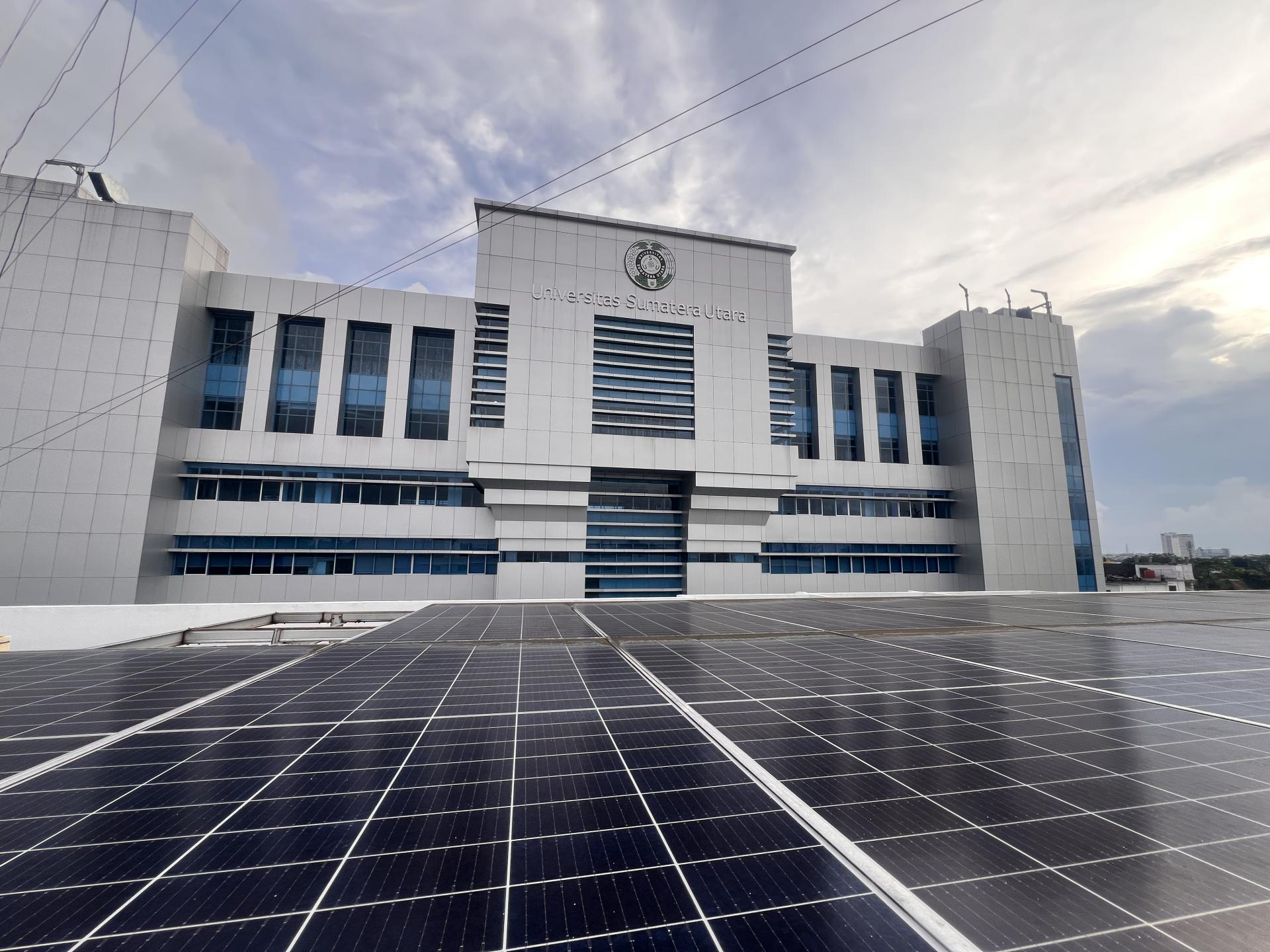
In practice, USU implements a comprehensive retrofit program aimed at enhancing the energy efficiency of older buildings while raising the performance standards for new constructions. Renovations focus on replacing outdated lighting with energy-efficient LED systems, installing automation controls for ventilation based on occupancy, and upgrading air conditioning units to more energy-efficient models. Additionally, building automation systems and smart meters are being used to monitor electricity consumption, manage peak loads, and detect faults early. Where technically and economically feasible, solar energy systems are being integrated into the campus to reduce dependency on the electrical grid and help manage energy demand.
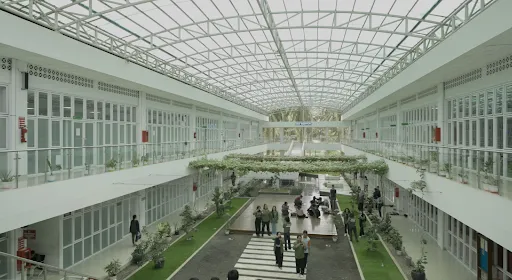
The university also supports the technical improvements with strong governance and cultural initiatives. This includes setting procurement standards that prioritize energy-efficient equipment, implementing rigorous commissioning and re-commissioning protocols, and ensuring regular measurement, reporting, and verification of energy use. Academic units contribute by researching energy consumption analytics, building comfort, and renewable energy integration, while faculty and student workshops promote operational best practices. By aligning policy, technological solutions, and evidence-based monitoring, USU establishes a model for energy-efficient renovations and high-performance buildings, demonstrating significant progress toward achieving Sustainable Development Goal 7 (Affordable and Clean Energy).
From Campus to Coast: USU’s Carbon-Reduction Playbook
Universitas Sumatera Utara (USU) implements a comprehensive carbon management framework that integrates technological innovation, renewable energy, sustainable transport, and ecosystem-based climate action. The university institutionalizes this commitment through campus policies and transparent internal reporting. Using methodologies aligned with the Intergovernmental Panel on Climate Change (IPCC), USU’s 2024 calculation records a total annual carbon footprint of 734.29 metric tons—equivalent to 0.0156 tons of CO₂ per person—establishing a clear baseline for targeted reductions.
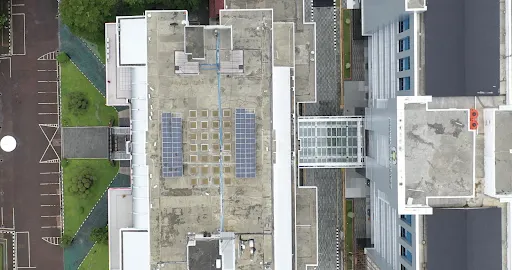
USU’s emission-reduction portfolio spans on-campus operations and community engagement. Key actions include installing solar panels to cut reliance on grid electricity, deploying the Go-Ride Electricity program to replace fossil-fuel campus transport, and constructing retention ponds (Kolam Retensi) that both mitigate floods and act as carbon sinks. Landscape-level efforts reinforce these gains: tree-planting campaigns with Pelindo (2023) and Indonesia’s Coordinating Ministry (2022), and the Eco Enzyme Festival 2024, which converts organic waste into eco-enzymes to curb methane while building student awareness. A flagship pillar is the university’s Mangrove Center (PUI Mangrove USU), whose conservation and restoration of North Sumatra’s mangroves enhances “blue carbon” sequestration and advances sustainable coastal management, biodiversity, and community-based rehabilitation.
Energy efficiency is guided by the Green Campus initiative under Rector’s Regulation No. 3 of 2019. Priority actions include upgrading to smart-building automation for lighting, air conditioning, and ventilation; replacing legacy equipment with efficient options (LEDs, inverter air conditioners, high-efficiency electronics)—with field surveys showing about 30% of appliances now energy-efficient; and maximizing daylighting and natural ventilation in facilities such as the Teaching Hospital and Digital Learning Center. Integrated renewable generation from solar, wind, and micro-hydro totals 43,562.16 kWh per year, while campus-wide “Saving Energy” campaigns drive behavioral change. Annual energy audits led by the Bureau of Asset and Business Management and the Green Campus Team ensure progress is measured, targets are met, and continuous improvement remains central to USU’s carbon-reduction journey.
Transforming Mangrove Branches into Renewable Energy through Wood Briquettes
Researchers from Universitas Sumatera Utara have pioneered a sustainable energy innovation by converting mangrove branches and wood residues into high-efficiency wood briquettes. This initiative addresses two key issues at once, renewable energy generation and sustainable mangrove management. By collecting naturally pruned or fallen mangrove wood, the project ensures environmental protection while utilizing waste materials as valuable bioenergy resources.
The resulting briquettes have a high calorific value, low smoke emission, and longer burning duration, providing a cleaner and more sustainable alternative to charcoal and kerosene. The production process also emphasizes community involvement, training local residents in briquette manufacturing, packaging, and small-scale distribution.
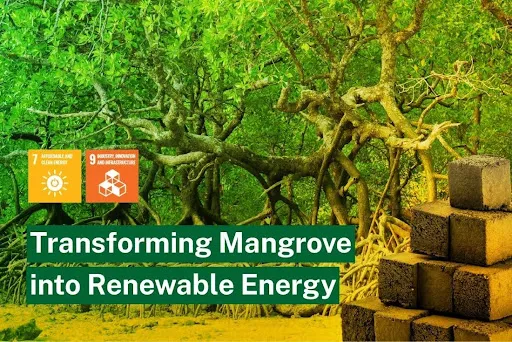
This project empowers coastal communities with new sources of income while promoting energy self-sufficiency in remote areas. It helps reduce the dependence on non-renewable fuels, limits deforestation, and cuts carbon emissions. Additionally, the sustainable use of mangrove biomass strengthens coastal ecosystem protection and contributes to climate resilience in rural Indonesia.
Glycerol Innovation for a Cleaner Fuel Industry
Another breakthrough led by USU researchers focuses on glycerol, a by-product of biodiesel production often regarded as waste. Through chemical conversion and catalytic processes, the team successfully transformed glycerol into a renewable, clean-burning alternative fuel. This innovation exemplifies the potential of waste-to-energy technology, aligning industrial sustainability with the global energy transition.
The glycerol-based fuel demonstrates higher combustion efficiency and lower emissions than traditional fossil fuels. Its scalability also opens opportunities for small-scale biofuel industries, especially in regions rich in agricultural and industrial by-products.
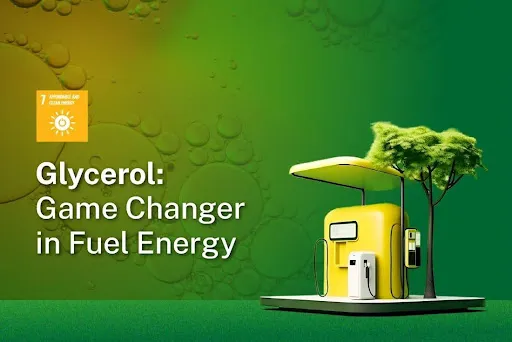
The use of glycerol as fuel reduces industrial waste accumulation, lowers greenhouse gas emissions, and supports Indonesia’s renewable energy targets. The technology promotes circular economy principles, turning waste into value while enhancing local energy security. Communities benefit from cleaner energy alternatives, economic opportunities in the green energy sector, and a healthier environment.
Turning Coffee Dregs into Biodiesel Energy
In another creative sustainability effort, USU researchers have harnessed used coffee grounds, a common household and industrial waste, into a promising source of biodiesel energy. The process involves oil extraction followed by transesterification, producing clean-burning biofuel suitable for vehicle engines and small power generators.
This research redefines waste as a renewable energy asset and showcases how simple, locally available materials can contribute to urban sustainability. It reflects USU’s interdisciplinary approach that combines chemical engineering, environmental science, and entrepreneurship.
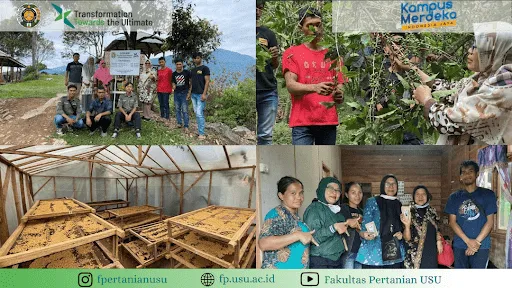
By turning coffee waste into biodiesel, this innovation helps reduce organic waste pollution while generating sustainable energy for households and small enterprises. The project creates new economic opportunities for coffee-producing regions, café owners, and micro-industries, encouraging local participation in renewable energy production. The biodiesel emits fewer pollutants than fossil diesel, contributing to cleaner air quality and mitigating urban carbon emissions.