


Medan, (September 11, 2024) – Universitas Sumatera Utara (USU) is strengthening its leadership in evidence‑based policymaking by helping shape—and implement—poverty‑eradication and population‑development policies at both national and regional levels. Working through strategic collaborations with government agencies, academic consortia, and community stakeholders, the university integrates education, research, and public service to generate practical solutions for poverty reduction and family well‑being across Indonesia.
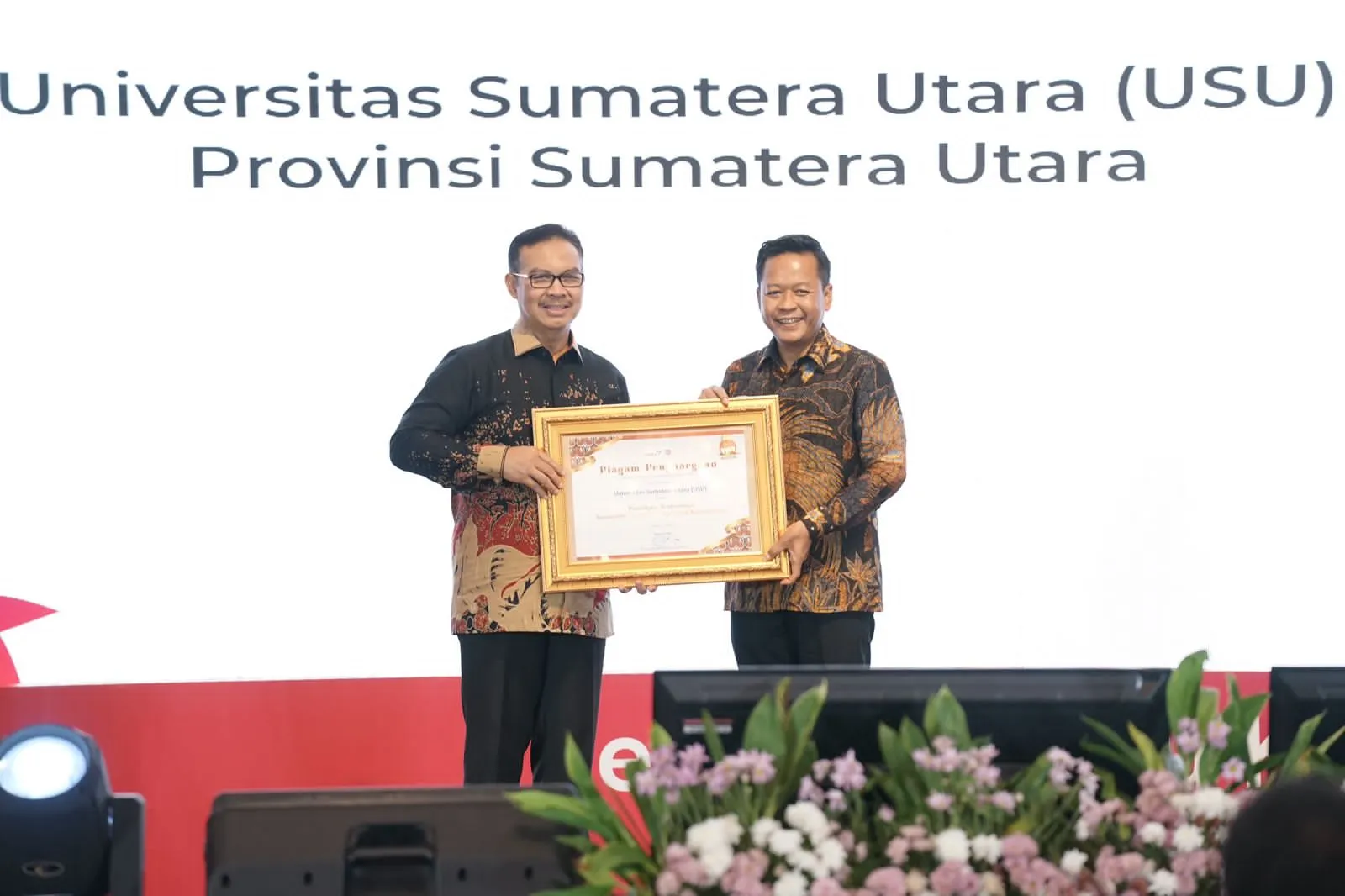
USU plays a central role in the Konsorsium Perguruan Tinggi Peduli Kependudukan (PTPK), a national network that supports the National Population and Family Planning Board (BKKBN) in policies on population management, family resilience, and stunting reduction. In 2024, BKKBN recognized USU for excellence in coordinating population and family‑development programmes in North Sumatra—an acknowledgment of the university’s ability to translate research into policy recommendations and community models that address child malnutrition, reproductive health, and socio‑economic vulnerability. “USU’s participation in PTPK reflects our institutional commitment to transforming knowledge into policies that uplift communities,” said Prof. Dr. Muryanto Amin, Rector of USU. “We are proud that our academic expertise contributes to the national agenda on stunting reduction and sustainable family development.”
Under the population and family‑development framework, USU contributes policy studies, technical assistance, and capacity‑building coordinated by BKKBN. Priority workstreams include integrating family‑development data into local poverty‑reduction plans; evaluating Desa Siaga Kependudukan (Population‑Prepared Villages) as scalable models for family welfare and reproductive health; and designing evidence‑based stunting‑prevention interventions at village and district levels. Interdisciplinary teams from the Faculties of Public Health, Medicine, Social and Political Sciences, and Economics and Business partner with Bappeda (Regional Development Planning Agency) and Dinas Kesehatan (Health Office) to align stunting policy with local economic and health‑system capacities, ensuring that social protection, nutrition, and economic empowerment move in concert.
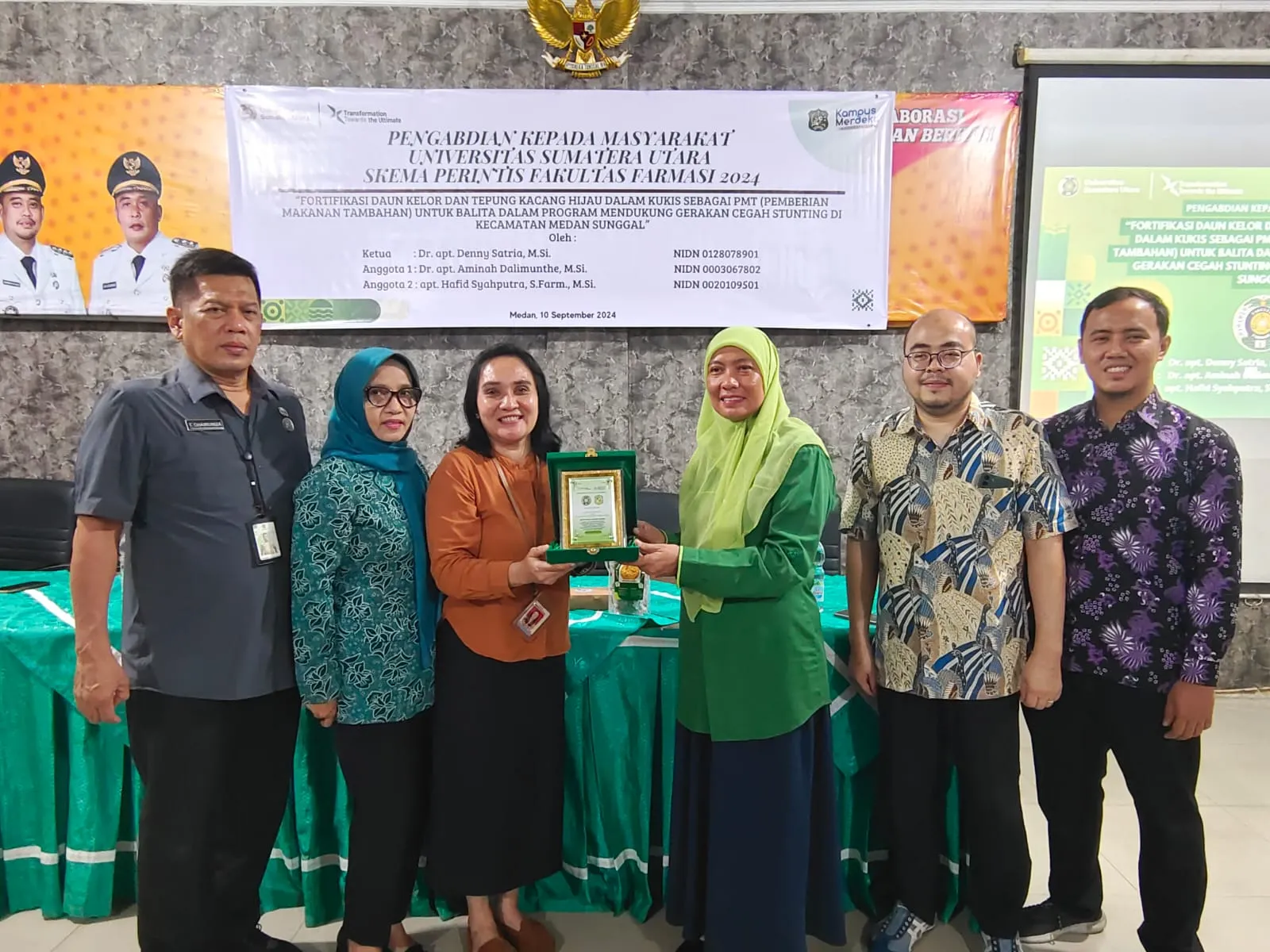
USU’s research footprint in stunting reduction is supported by national collaboration with BKKBN and the Ministry of Education, Culture, Research, and Technology (Kemendikbudristek). Two flagship initiatives advanced in 2024 illustrate the approach. DASHAT (Dapur Sehat Atasi Stunting)—a Matching Fund Kedaireka project—establishes “healthy kitchens” in rural communities and trains mothers and caregivers in nutrition and food processing; across Deli Serdang and Simalungun, the programme reached eight villages and more than 300 households with practical nutrition support and health education. Martabe (Manajemen Risiko Stunting untuk Ciptakan Anak Berkualitas) applies digital tools and community‑based screening to map child‑growth risks and help local governments target interventions more effectively; the project engaged three regencies and trained 150 health workers in data‑driven surveillance. Together, DASHAT and Martabe demonstrate how applied research, technology, and community engagement can produce measurable public‑health gains.
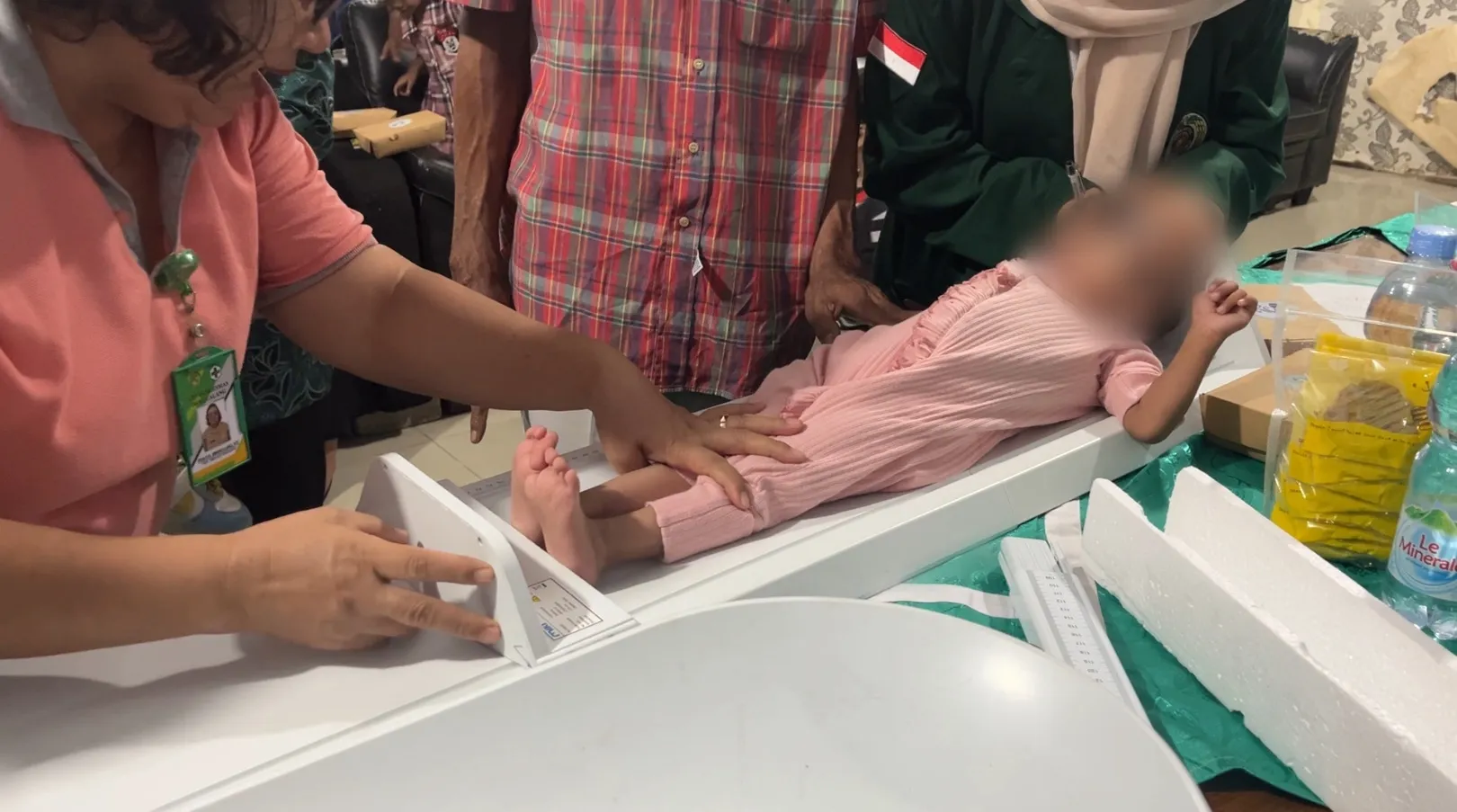
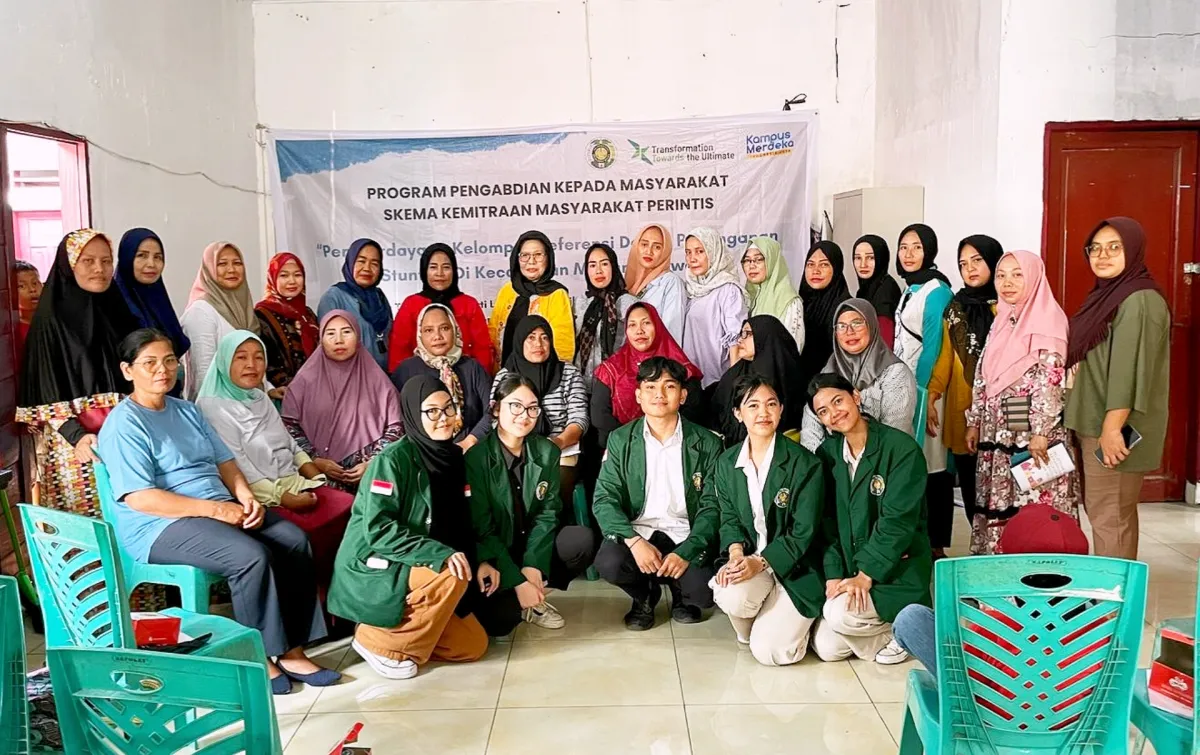
Beyond population policy, USU academics serve as advisors and researchers to national ministries on broader poverty‑reduction priorities. Experts contribute to the Ministry of Social Affairs (Kemensos) on social protection and family‑welfare reform, and to the Ministry of Villages, Development of Disadvantaged Regions, and Transmigration (Kemendes PDTT) on rural poverty alleviation and inclusive economic planning. In 2024, 15 lecturers and researchers joined national research clusters under the Directorate General of Higher Education, Research, and Technology (Ditjen Diktiristek) and BRIN, focusing on social‑protection reform, MSME digitalization for poverty reduction, and inclusive rural development. Combined funding exceeded Rp 4.8 billion, yielding policy papers and operational models that inform government decision‑making.

USU’s contributions also extend regionally. Through networks such as the ASEAN University Network (AUN) and the Southeast Asia One Health University Network (SEAOHUN), the university hosted three international workshops on inclusive education, family health, and community resilience with participants from Malaysia, Thailand, and Timor‑Leste. These dialogues produced joint ASEAN recommendations to better integrate education and health strategies in poverty‑eradication efforts, reinforcing the university’s role as a convener of cross‑border knowledge exchange.
Taken together, these activities underscore USU’s commitment to knowledge‑based policy for sustainable development. By combining research, public service, and policy engagement, the university ensures that academic work leads to results on the ground. Its participation in PTPK, partnerships with BKKBN and national ministries, and continuous support for community initiatives advance SDG 1 (No Poverty) through research‑backed interventions and policy integration; SDG 3 (Good Health and Well‑Being) by improving nutrition, family health, and community resilience; and SDG 17 (Partnerships for the Goals) through multi‑level collaboration with government, academia, and regional organizations. Through evidence‑driven policymaking and recognized national leadership, USU reaffirms its mission to build a healthier, more equitable, and poverty‑free Indonesia.