


Medan, November 8, 2024 The University of Sumatra Utara (USU) has begun implementing flexible work practices that strategically combine robust digital technology with goals for sustainable mobility. These initiatives aim to support employee productivity while simultaneously achieving a measurable reduction in the institution’s environmental impact.
 Digital Foundation Enables Remote Operation
The university’s ability to adopt work flexibility is anchored by its comprehensive digital infrastructure. The Integrated Electronic Office System is central to this success, as it manages all administrative processes digitally and maintains a paperless workflow. This system ensures that operational efficiency is maintained even when staff work remotely.
This successful remote operation is actively practiced during critical, high-volume periods, such as student admission and entrance examinations. During these times, the digital systems allow staff to seamlessly execute tasks without needing to be physically present on campus.
.jpg)
Supporting Collaboration and Reducing Travel
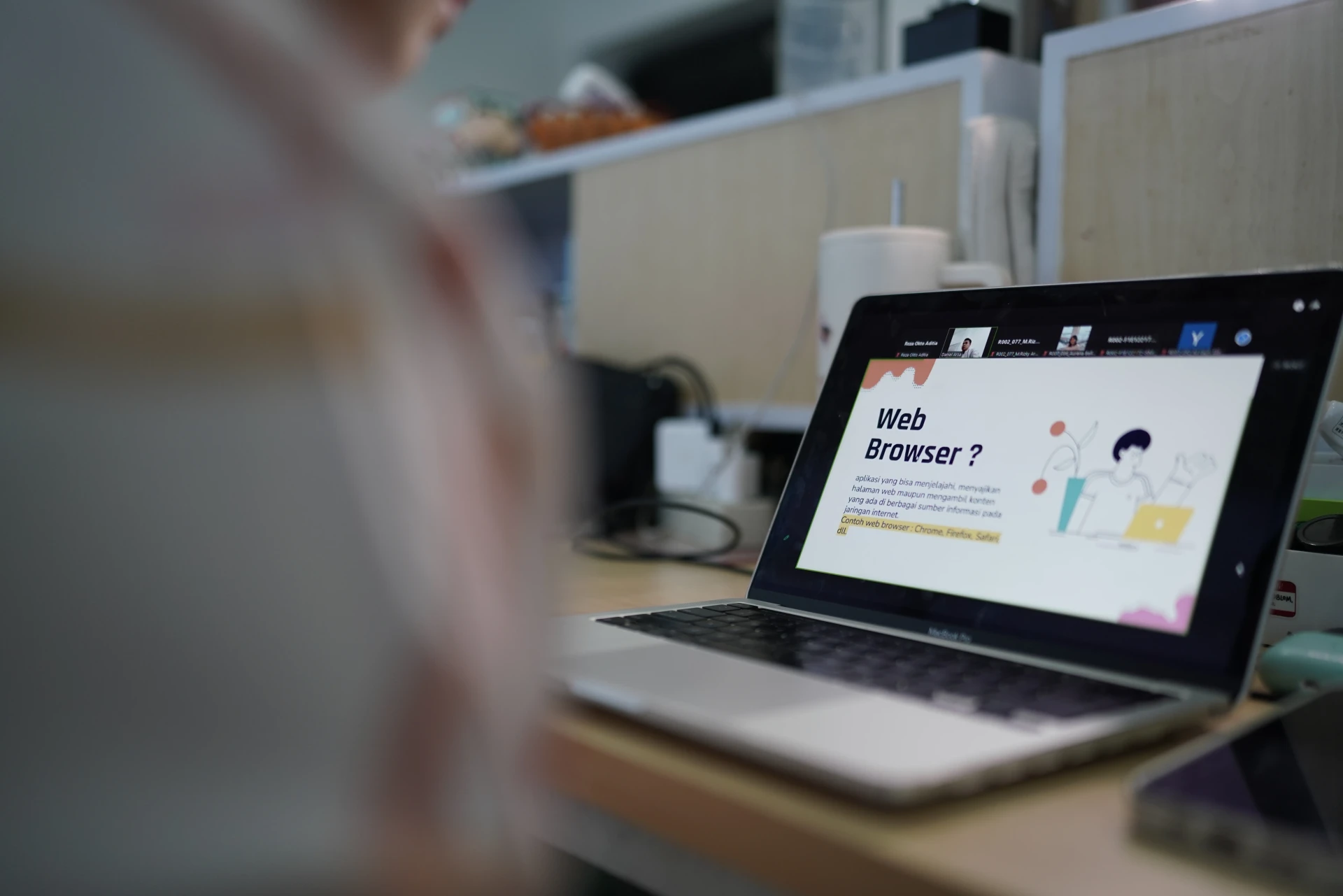
To facilitate efficiency across the board, the university has strengthened its digital infrastructure for collaboration. University units routinely utilize platforms such as Zoom, Google Meet, and the internal E-Meeting System to conduct coordination meetings, academic discussions, and training sessions. This systematic adoption of virtual tools directly contributes to reducing the necessity of frequent staff commuting, thereby lowering the university’s overall transportation-related carbon emissions.
This digital shift complements the university’s existing sustainable transportation initiatives—including electric shuttles, bicycle facilities, and car-free zones—to foster a more holistic approach to sustainable mobility and enhance staff work-life balance.
Institutional Readiness for the Future
In addition to the Integrated Electronic Office System, the university’s Learning Management System, cloud-based data services, and digital archives ensure that administrative and academic activities can be accessed seamlessly online. Although permanent telecommuting is not yet formalized as an ongoing human resources policy, the proven efficiency of these existing adaptive digital systems demonstrates the Universitas Sumatra Utara’s immediate readiness to adopt broader hybrid work arrangements in the future.
Rector Muryanto Amin emphasized the institution's forward-looking approach: “Our flexible work model helps maintain high productivity while drastically reducing commuting needs. By embracing digital tools, we not only optimize performance but also support sustainable living and environmental responsibility.”
Through the integration of digital workflow systems and flexible options, the University of Sumatra Utara continues to strengthen its role as an innovative institution committed to sustainability and responsible workplace culture.