


.webp)
Medan, (January 12, 2024) – Universitas Sumatera Utara (USU), through the Faculty of Forestry and the Sustainable Development Goals (SDGs) Center, is deepening its commitment to environmental sustainability by opening up ecosystem and biodiversity education not only to its students, but also to local and national communities. The university offers structured educational programmes such as public lectures, field schools, and community training on forest landscape restoration, peatland and mangrove ecosystems, wildlife management, and conservation governance. These activities are delivered in collaboration with government institutions, non-governmental organisations, and expert partners, ensuring that scientific knowledge is closely connected to real-world environmental challenges.
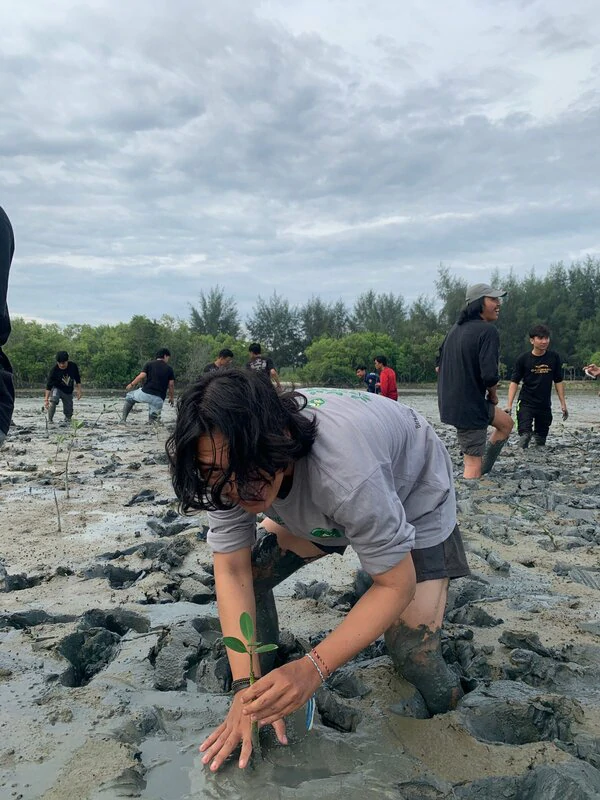
USU’s commitment is especially visible in its direct engagement with communities living on the frontline of ecosystem change. In Kampung Nipah, Sei Nagalawan Village, Perbaungan Subdistrict, Serdang Bedagai Regency, North Sumatra, the university regularly involves local residents and students in mangrove planting as a learning platform. In 2024, around 80 USU students and approximately 150 community members joined forces to plant 200 mangrove seedlings along the shoreline. This hands-on activity not only contributed to restoring coastal ecosystems and strengthening natural protection against erosion, but also helped participants better understand how mangroves support biodiversity and protect coastal livelihoods.
These ecosystem-focused programmes are deliberately designed as educational experiences rather than one-off events. Through community training sessions, field-based schools, and guest lectures, USU works to raise ecological literacy and build practical skills in sustainable land and resource management. Participants learn about soil and water conservation, the role of forests and wetlands in climate regulation, and the importance of protecting wildlife and their habitats. By involving local stakeholders directly in restoration and management activities, the university makes environmental education tangible and relevant to daily life.
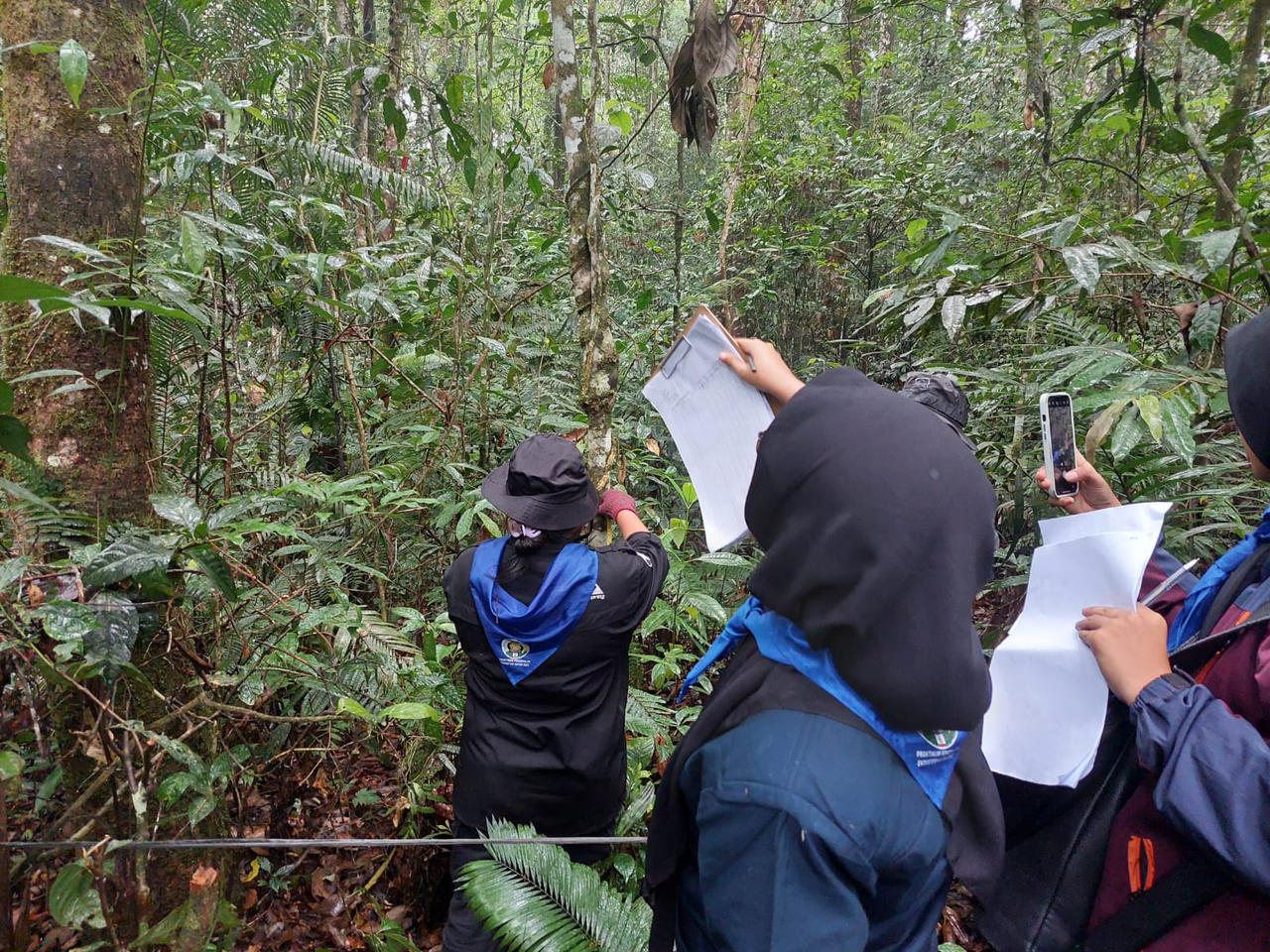
USU also collaborates with national and international partners to expand the reach and impact of its education ecosystem. Organisations such as Yayasan Orangutan Sumatera Lestari and the National Research and Innovation Agency (BRIN) support joint research, training, and outreach on forest landscape restoration, wildlife management, and conservation governance. These partnerships help ensure that USU’s programmes are grounded in robust science and aligned with broader conservation priorities at regional and national levels.
At the heart of all these efforts is a commitment to empowering local communities through knowledge and action. By turning mangrove planting in Nipah Village and sustainable land-management training into learning platforms, Universitas Sumatera Utara gives community members the tools and confidence to care for their own environments. These programmes directly raise ecological literacy and encourage local stakeholders to become long-term stewards of their forests, wetlands, and coastal areas.
Through this integrated approach—combining education, research, and community outreach—USU demonstrates how a university can play a meaningful role in advancing Sustainable Development Goal 15 (Life on Land). By promoting biodiversity awareness, supporting ecosystem restoration, and helping communities manage their natural resources more sustainably, Universitas Sumatera Utara is contributing to the long-term health and resilience of ecosystems in Sumatra and beyond, while fostering a culture of environmental responsibility that extends far outside the campus gates.