


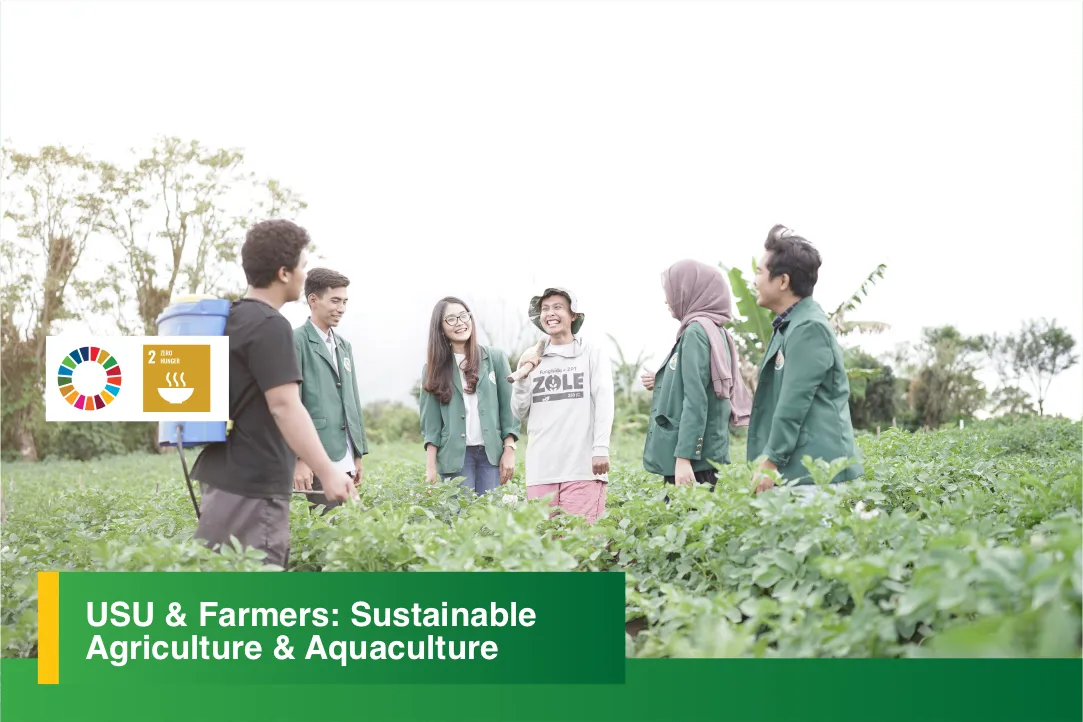
Medan, 2024 — Universitas Sumatera Utara (USU) is strengthening its role in regional food systems by empowering local farmers and aquaculture producers through applied research, community‑service programmes, and strategic partnerships. These efforts advance SDG 2 – Zero Hunger by reinforcing food security and promoting sustainable production across North Sumatra.
Agricultural Development and Integrated Agribusiness Zones
USU’s Faculty of Agriculture and its community‑engagement arm, LPPM USU (Institute for Community Service), have launched a major initiative on integrated agribusiness in the region. A master‑plan team was formed to develop a “Kawasan Agribisnis Terpadu” (Integrated Agribusiness Zone) in several villages in Kecamatan STM Hulu, Kabupaten Deli Serdang, involving seven villages as model sites for fruit cultivation and agribusiness development.
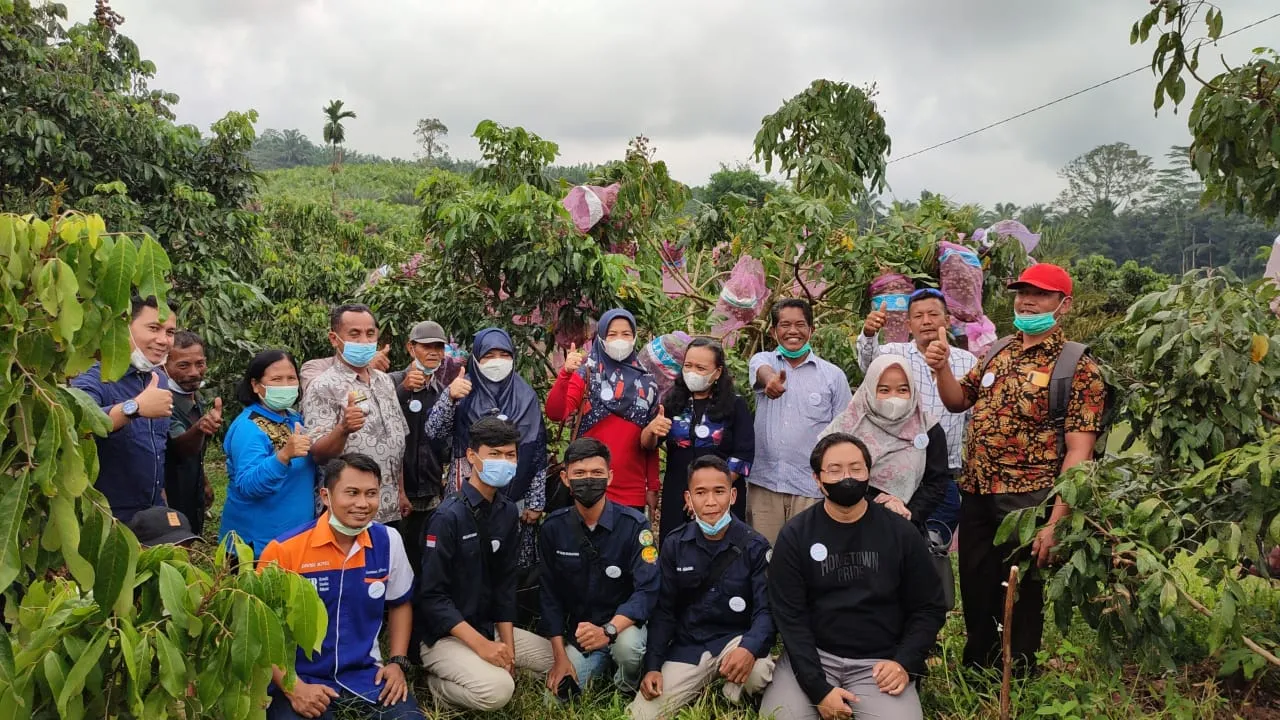
In 2024, USU’s community‑engagement programme delivered 429 outreach activities, 91 of which focused specifically on agriculture and aquaculture, reaching more than 4,200 beneficiaries across 14 districts in North Sumatra.
Aquaculture Innovation and Industry Partnership
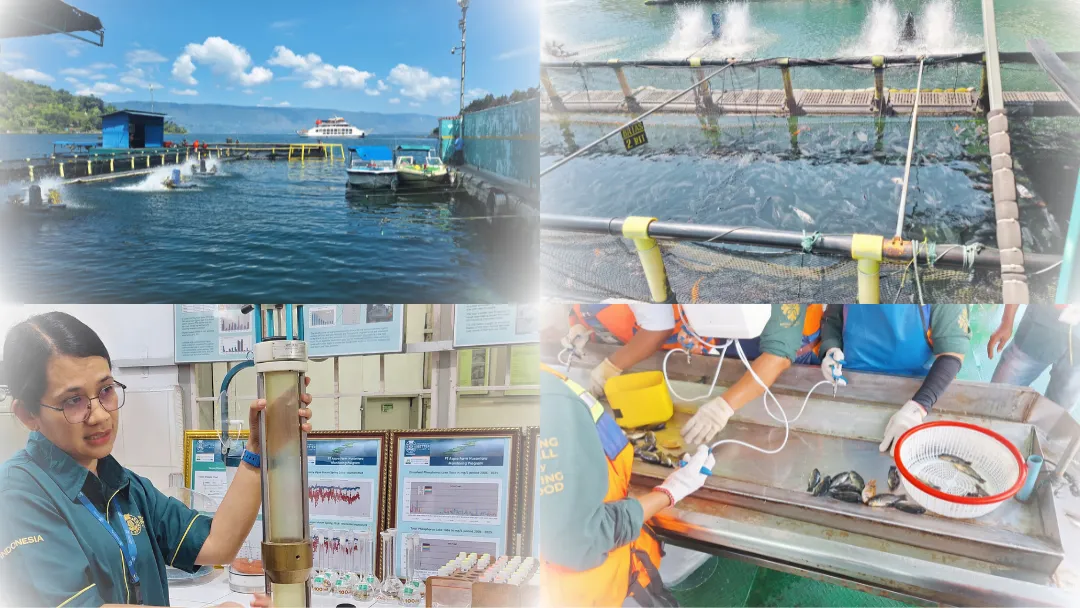
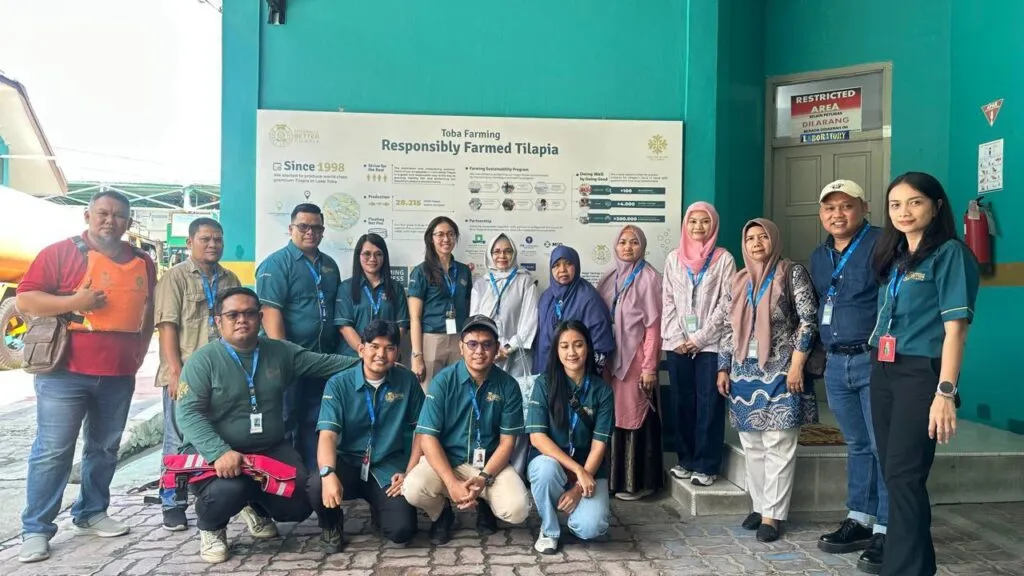
In the aquaculture sector, USU’s Department of Aquaculture Resource Management (PSP) has advanced local production and training efforts. In June 2024, the Faculty of Agriculture signed a Memorandum of Agreement with Regal Springs Indonesia, focusing on sustainable aquaculture practices, research collaboration, and community service.
The partnership emphasizes human‑resource development, innovative tilapia production, environmental stewardship, and social licence to operate, directly linking aquaculture research to food‑security outcomes in coastal and rural communities.
Village‑Based Models and Farmer Training
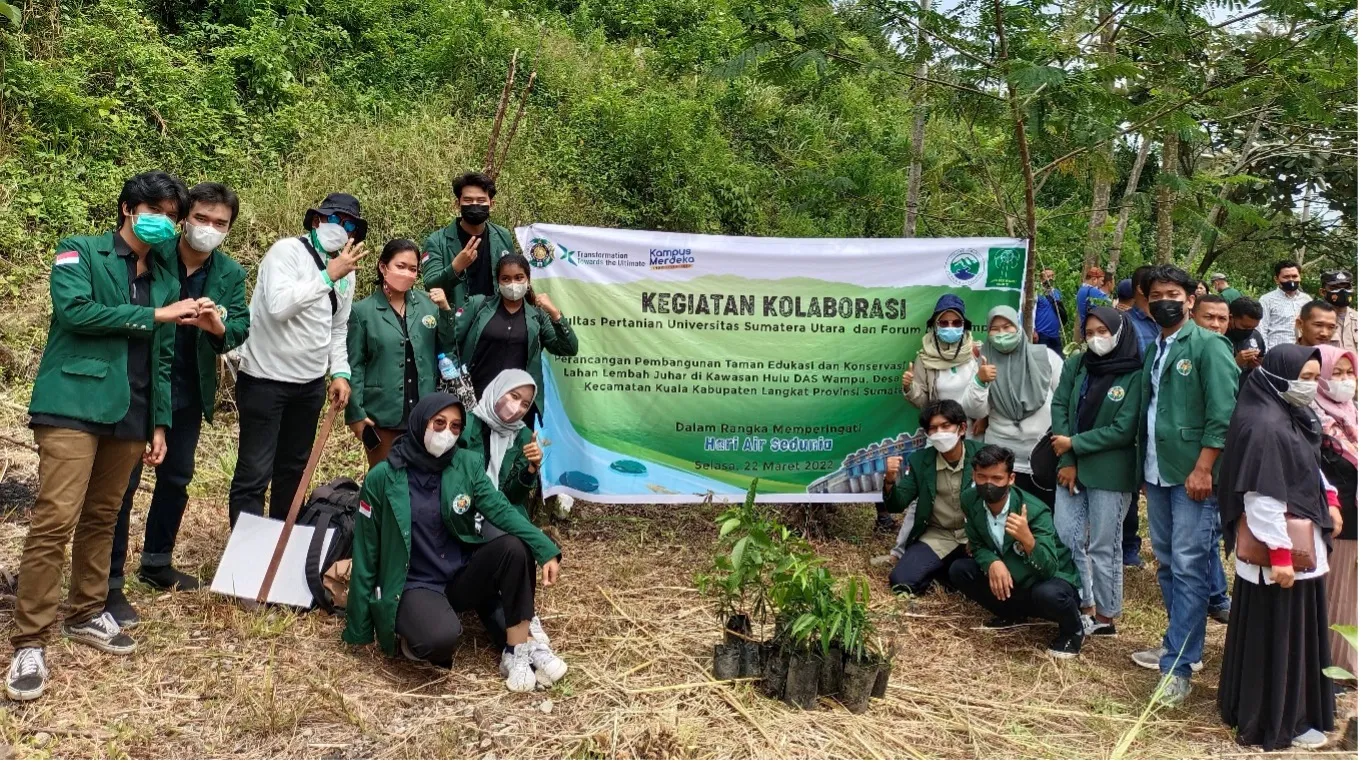
USU also supports 12 Desa Binaan (model villages), each receiving seed funding of approximately Rp 100 million. Through these programmes, farmers gain access to climate‑smart agriculture, organic fertilisers, and food‑processing techniques.
In 2024, more than 1,200 packs of bio‑fertiliser were distributed, accompanied by training on post‑harvest hygiene and halal‑certified food packaging. Aquaculture field trainings covered bio‑floc technology, hatchery systems, feed formulation, and water‑quality monitoring.
Strengthening Food Security through Local Supply Chains
By bringing together academia, industry, and local farming communities, USU not only boosts production capacity but also strengthens local supply chains for vegetables, aquaculture products, and processed foods. This localisation helps reduce dependence on imports, enhance resilience to climate shocks, and support income generation at the grassroots level.
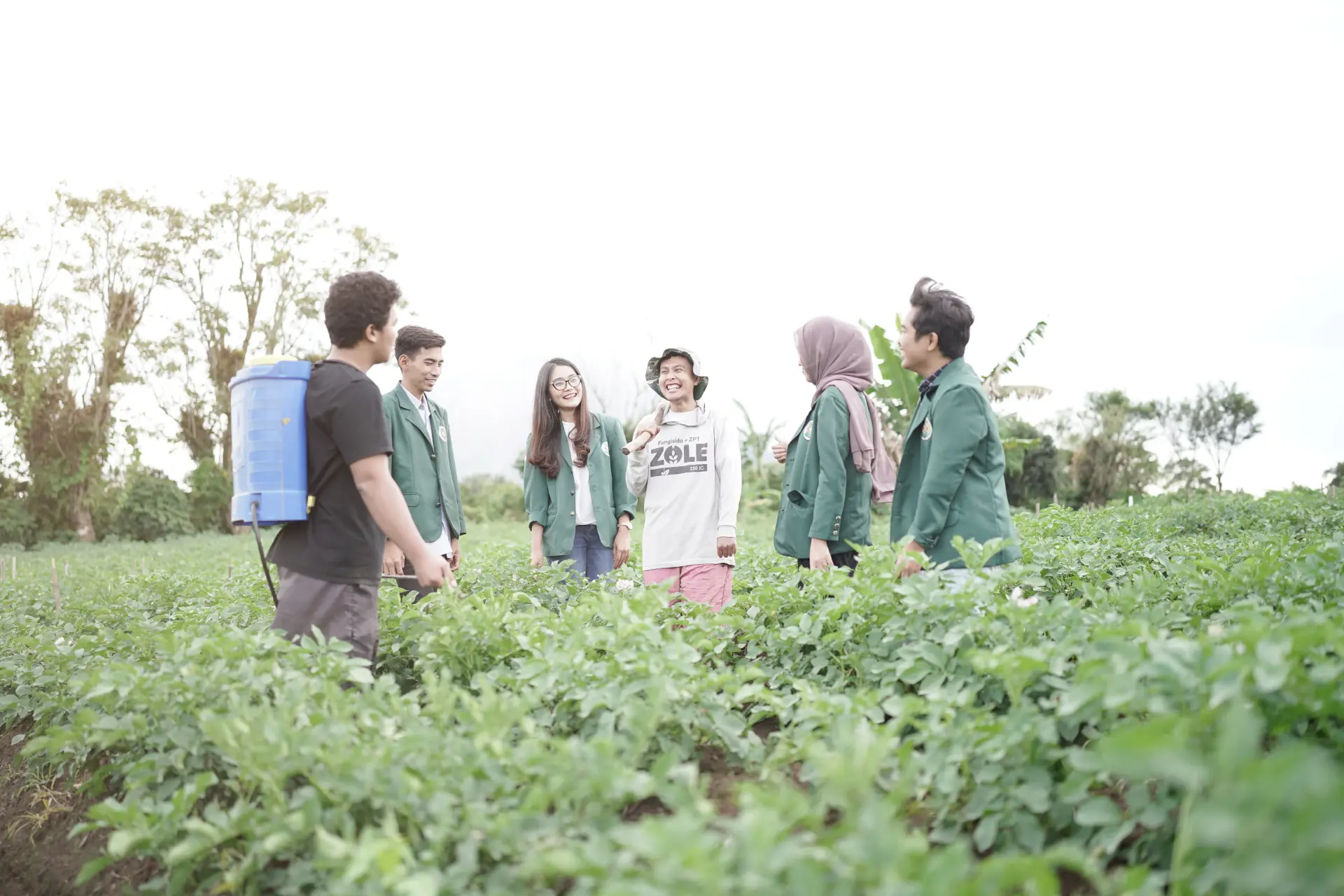
With this multi‑pronged approach—integrated agribusiness zone planning, aquaculture innovation, village‑based farmer training, and industry partnership—USU is actively driving sustainable food systems and reinforcing regional food‑security frameworks. These efforts reflect the university’s holistic commitment to food production, local empowerment, and the Zero Hunger agenda.